
Introduction to Holocaust Memorial
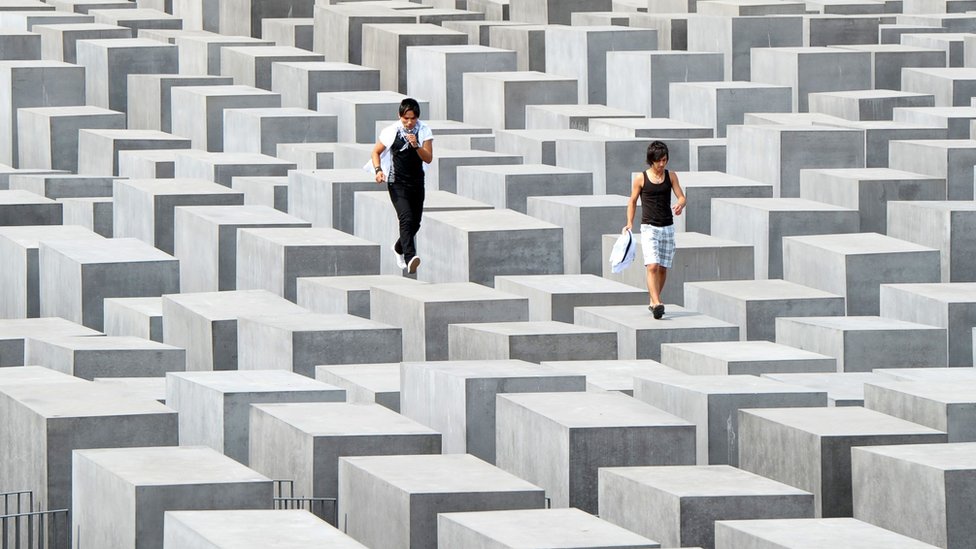
The Holocaust Memorial, or the Memorial to the Murdered Jews of Europe, is a memorial in Berlin, Germany, dedicated to the victims of the Holocaust during World War II. The memorial was designed by architect Peter Eisenman and was dedicated in 2005. It covers a sprawling 19,000 square meters of land and consists of 2,711 concrete slabs arranged in a grid pattern, with each slab representing a Jewish victim of the Holocaust.
The memorial is designed to evoke a sense of emptiness and loss, with the slabs symbolizing the millions of victims whose lives were taken during the Holocaust. The memorial also includes an underground museum, which tells the story of the Holocaust and provides information about the lives of the victims. The museum also offers educational programs and workshops to help teach about the history of the Holocaust and to promote tolerance and understanding.
Key Features of Holocaust Memorial
The Holocaust Memorial is located in the heart of Berlin, close to the Brandenburg Gate. The memorial consists of two parts: the Field of Stelae, which is made up of 2,711 concrete slabs arranged in a grid pattern, and the underground Information Center.
The Field of Stelae is the most recognizable part of the memorial. The slabs vary in height, ranging from 0.2 to 4.8 meters, and are arranged in a grid pattern, resembling a graveyard. The slabs are inscribed with the names of Jewish victims of the Holocaust, and visitors are encouraged to take a moment to reflect on the tragedy that occurred during World War II.
The underground Information Center is a museum that tells the story of the Holocaust and provides information about the lives of the victims. The museum features photographs, documents, and artifacts from the Holocaust, as well as educational programs and workshops. The museum also offers a library and research center for those interested in learning more about the Holocaust.
Holocaust Memorial Site Tour
The Holocaust Memorial is open to the public and offers free admission. Visitors can take a self-guided tour or sign up for a guided tour of the memorial. The tours are led by experienced guides who provide information about the history of the Holocaust and the memorial itself.
For those who wish to explore the memorial on their own, there are a number of audio and visual guides available. These guides provide information about the history of the Holocaust, the memorial, and what to expect from the site.
Conclusion
The Holocaust Memorial in Berlin, Germany, stands as a powerful reminder of the horrors of World War II and the millions of victims of the Nazi regime. The memorial is a solemn reminder of the suffering and loss that occurred during this period of history and serves as a reminder to future generations of the importance of standing up against hatred and intolerance. The memorial offers a unique opportunity to reflect on the tragedy of the Holocaust and to gain a better understanding of this dark period in history.