
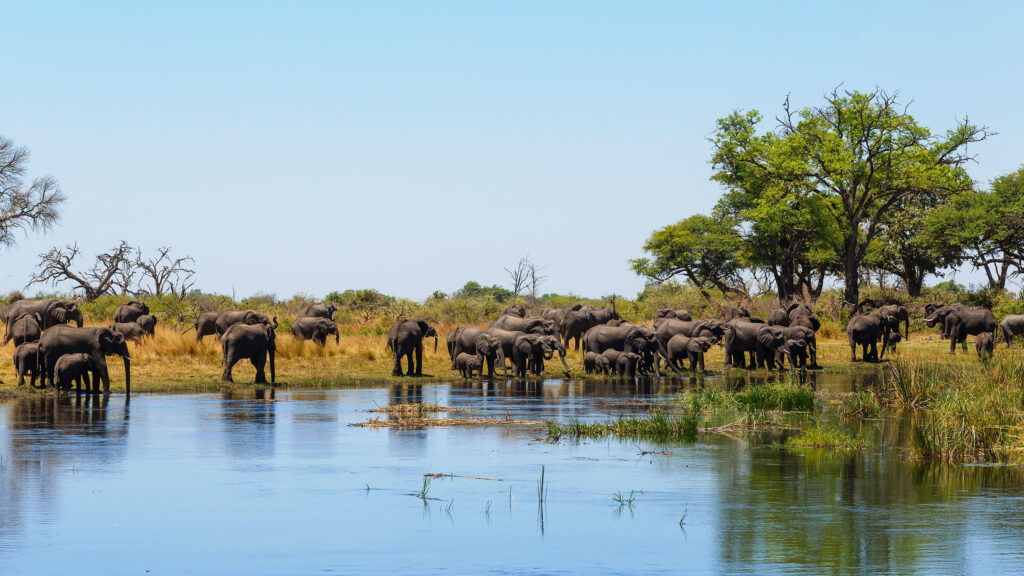
Caprivi Strip
Caprivi Strip: Explore the unique wildlife and culture of the Caprivi Strip in north-eastern Namibia.
Botswana, officially the Republic of Botswana, is a landlocked country in Southern Africa. It is bordered by Namibia to the west and north, Zambia to the northeast, Zimbabwe to the east, and South Africa to the south. The capital and largest city is Gaborone.
Botswana is renowned for its political stability, robust democratic institutions, and significant economic growth, which stand out in the African continent. Since gaining independence from British colonial rule in 1966, Botswana has transformed itself from one of the poorest countries in the world to a middle-income nation, largely due to its well-managed diamond resources. The country is one of the world’s largest producers of diamonds, and this sector contributes significantly to its GDP and government revenue.
The geography of Botswana is dominated by the Kalahari Desert, which covers about 70% of its land area. Despite the arid environment, Botswana is home to diverse wildlife, particularly in the Okavango Delta, one of the world’s largest inland deltas and a UNESCO World Heritage site. The Delta is a unique and rich ecosystem that attracts numerous tourists for its stunning landscapes and abundant wildlife, including elephants, lions, and a variety of bird species.
Botswana’s culture is shaped by its ethnic diversity, with the Tswana people being the largest ethnic group. The country values traditional customs and practices, which are integrated into modern life. Setswana and English are the official languages, with English used predominantly in government and business.
Botswana’s governance is characterized by a stable political environment and good governance practices, contributing to its reputation as one of Africa’s success stories in terms of development and economic management. The government has also focused on improving education and healthcare, achieving significant progress in these areas.
However, Botswana faces challenges such as economic diversification, unemployment, and the impact of HIV/AIDS, which has a high prevalence rate in the country. Despite these issues, Botswana continues to be a model of stability and development in Africa, with ongoing efforts to diversify its economy and improve the quality of life for its citizens.
Caprivi Strip: Explore the unique wildlife and culture of the Caprivi Strip in north-eastern Namibia.
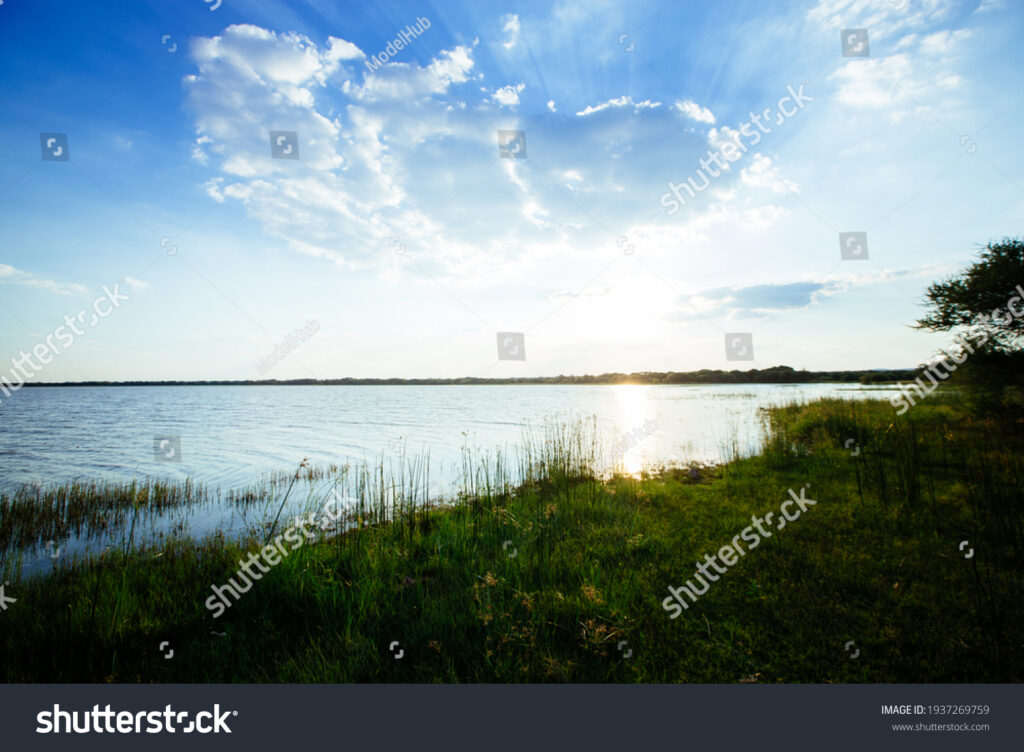
Bokaa Dam: Learn more about the Bokaa Dam, the vast hydroelectric station in Ghana and its impact.
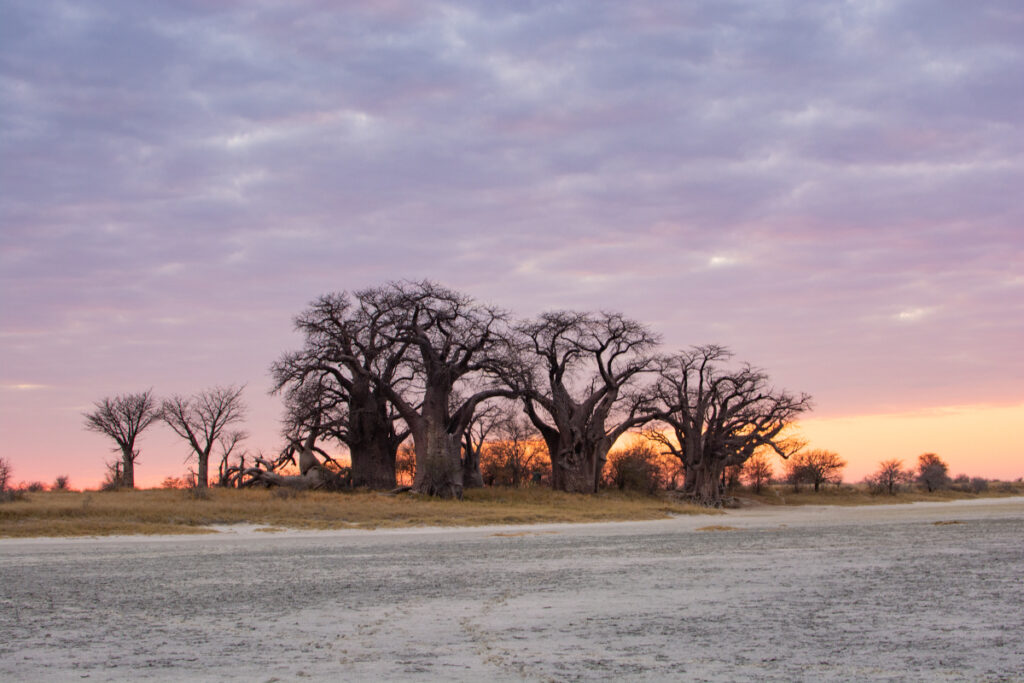
Baines’ Baobabs: Marvel at the majestic and ancient baobab trees in the Okavango Delta of Botswana, famously named after explorer Thomas Baines.
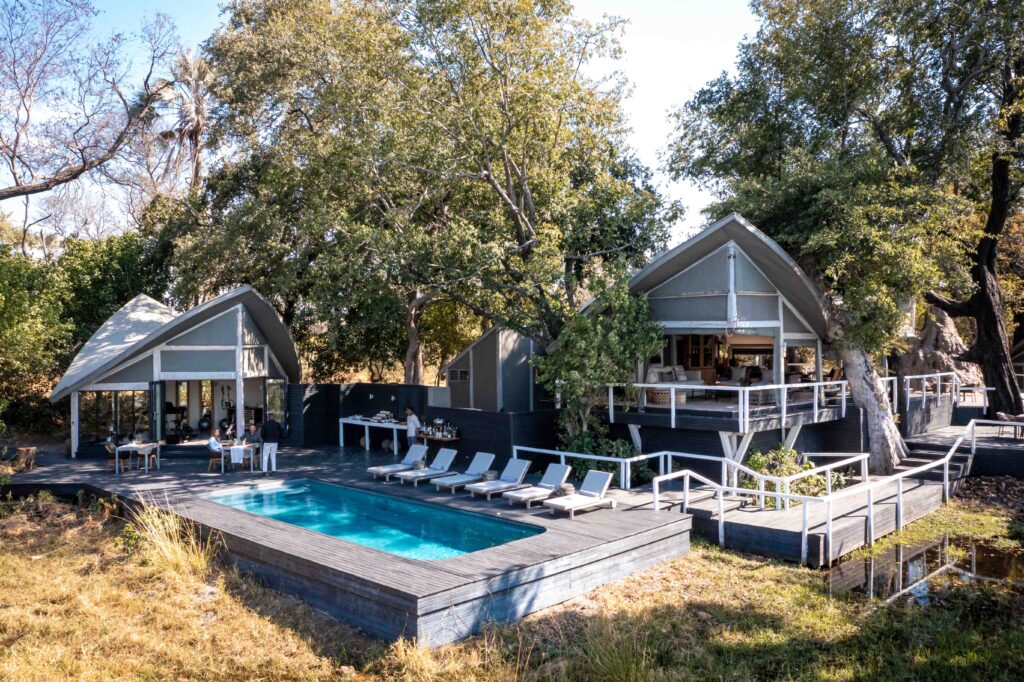
Abu Camp: Learn more about Abu Camp, an extraordinary wildlife conservation and community education project in Botswana.

Letlhakane: Journey to the ancient settlement of Letlhakane in Botswana, and explore its rich history, fascinating culture and natural beauty.
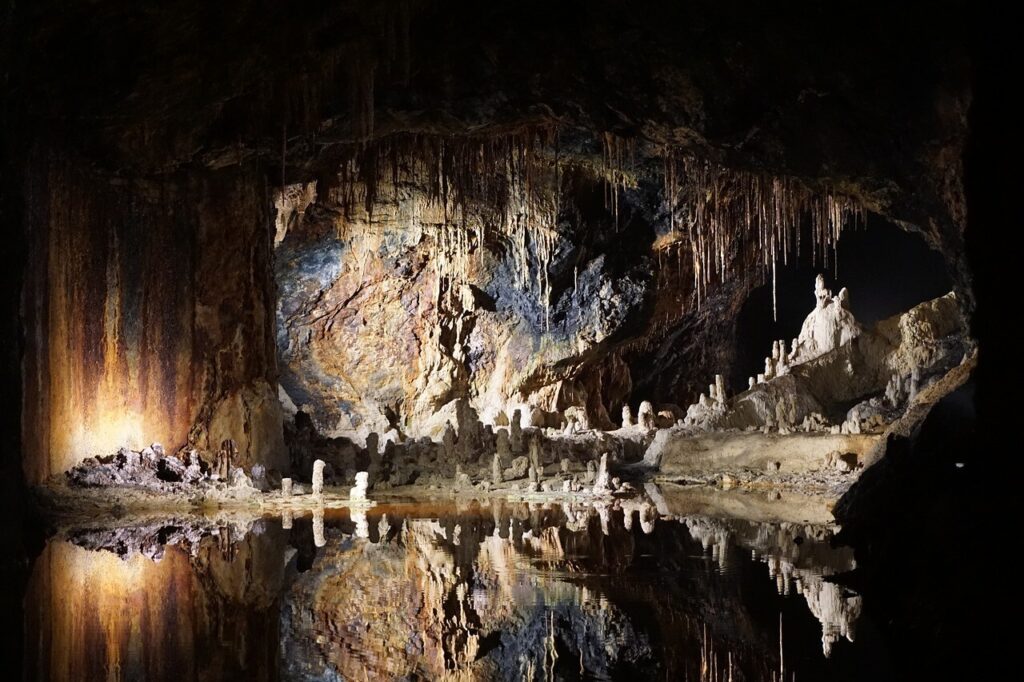
Gcwihaba Caves: Unravel the secrets of the ancient Gcwihaba Caves and discover its mesmerizing rock formations and archaeological artefacts.
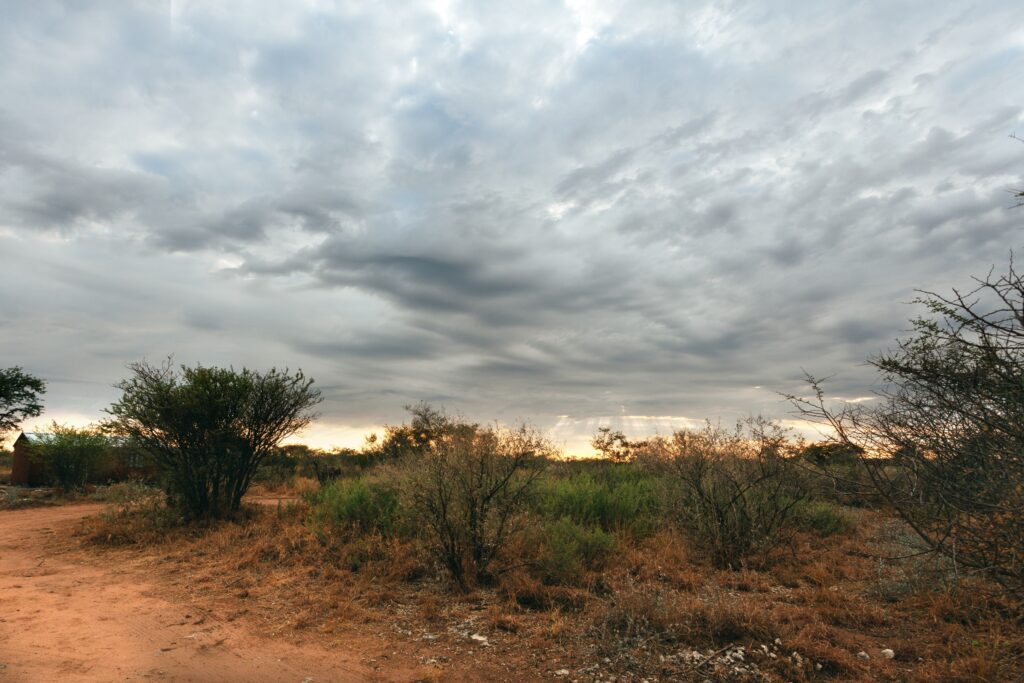
Ghanzi: Explore the unique culture of Ghanzi, a rural Botswana town where bushmen still preserve their traditional ceremonies and customs.
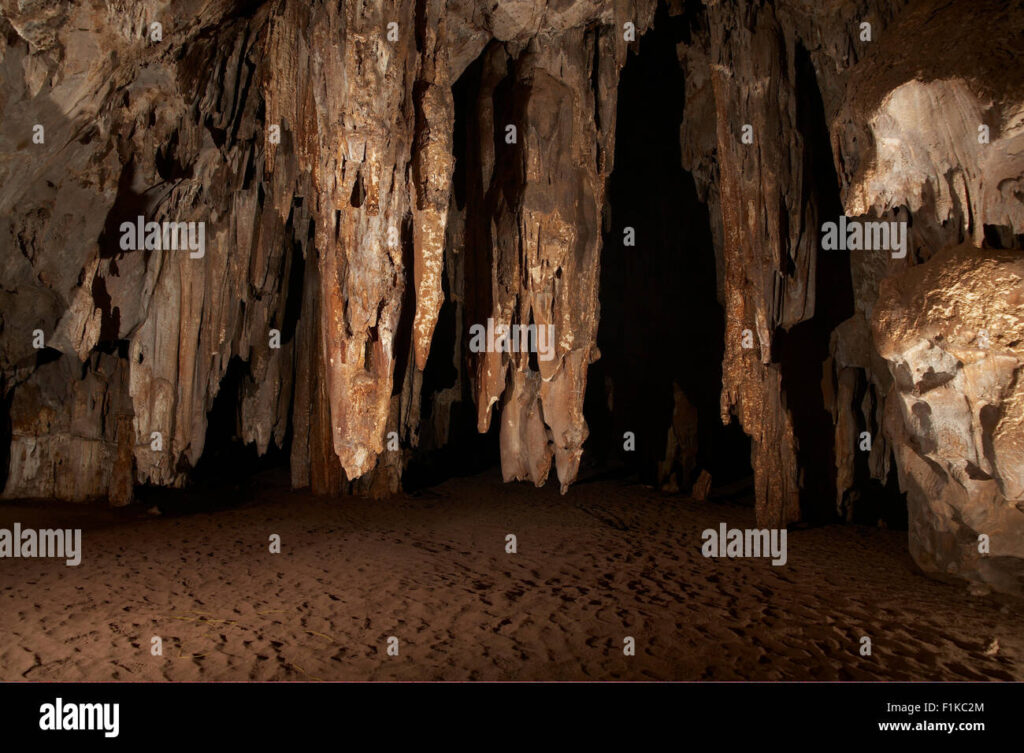
Gcwihaba Caverns: Venture into the mysterious Gcwihaba Caverns and explore the captivating underground passageways and rock formations.
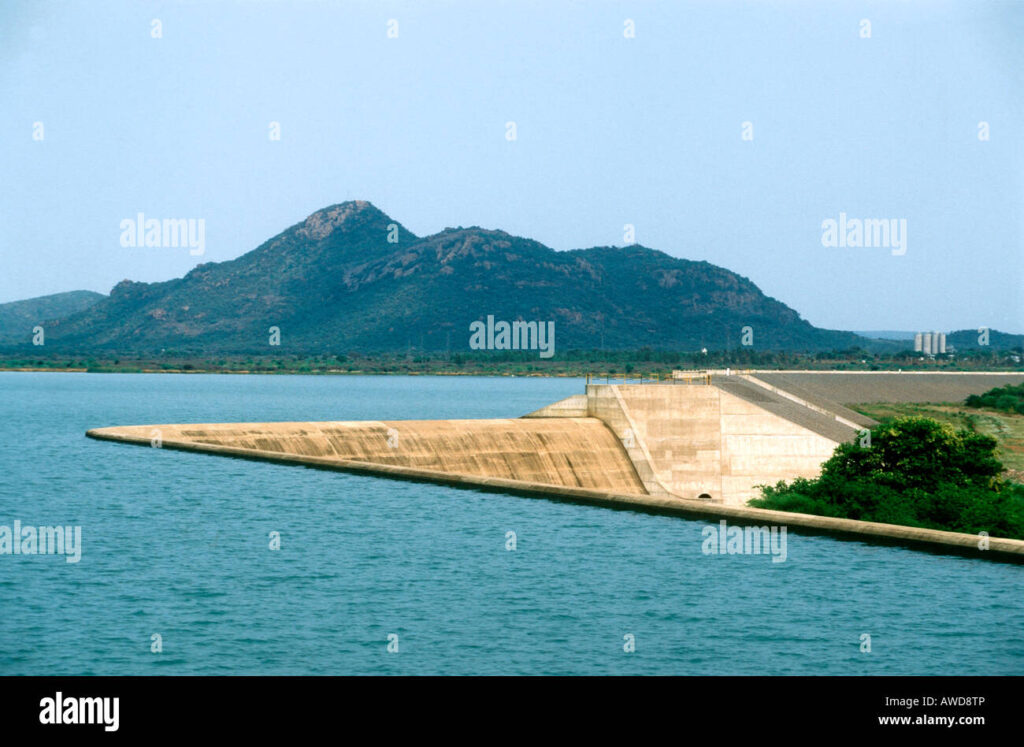
Gaborone Dam: Learn about the Gaborone Dam on the Thamalakane River in Botswana, its history, construction, and environmental importance.
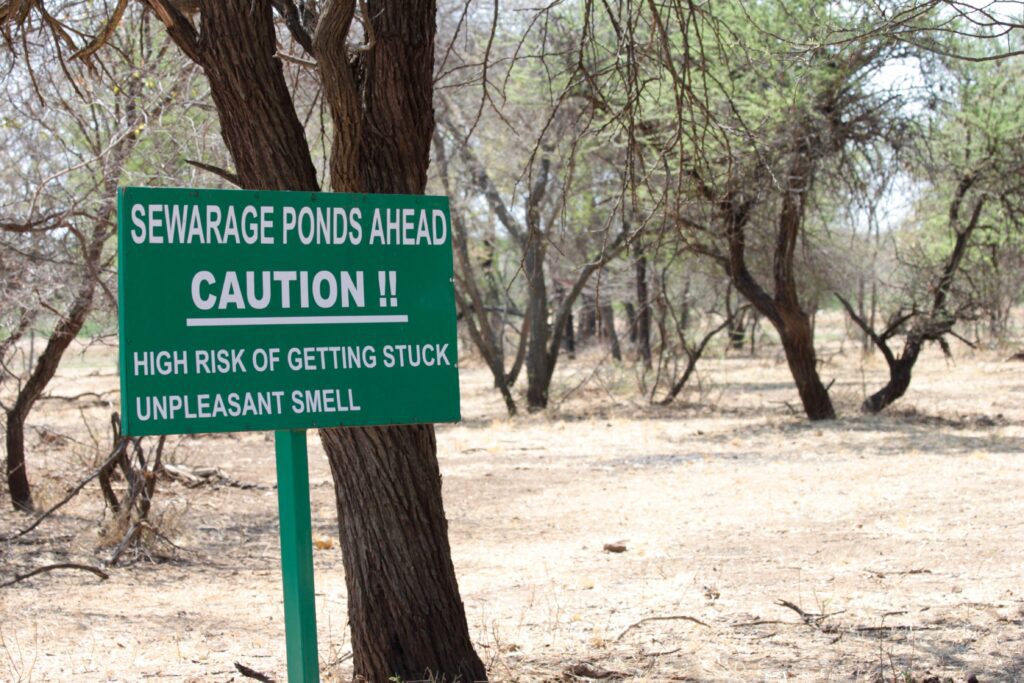
Gaborone Game Reserve: Discover the Gaborone Game Reserve, a wildlife sanctuary located in Botswana near the city of Gaborone.
Gaborone Game Reserve Read More »