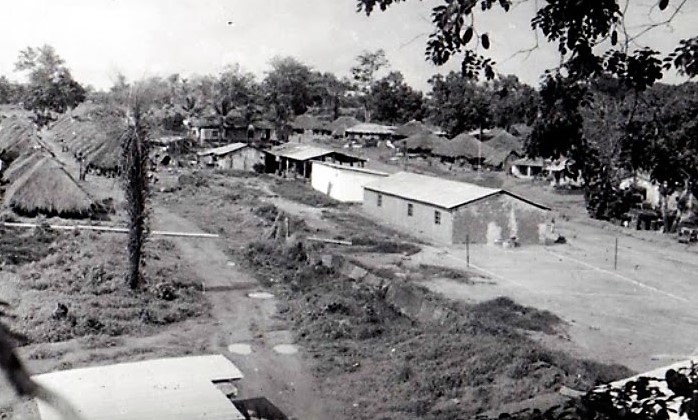
Jemberem
Jemberem: Explore the hidden gem of Jemberem in Ghana, its vibrant local culture, and its historic sites that date back to the Iron Age.
Ghana, officially the Republic of Ghana, is a country located on the west coast of Africa. It is bordered by Côte d’Ivoire to the west, Burkina Faso to the north, Togo to the east, and the Gulf of Guinea to the south. The capital and largest city is Accra.
Historically, Ghana is renowned for its rich cultural heritage and significant role in African history. The area was home to powerful kingdoms, including the Ashanti and the Fante states. In the late 15th century, Portuguese explorers arrived, followed by other European traders, who established forts and engaged in the gold and slave trades. Ghana was known as the Gold Coast during the colonial period due to its abundant gold resources. It became the first African country to gain independence from colonial rule on March 6, 1957, under the leadership of Kwame Nkrumah, a pivotal figure in the Pan-African movement.
Ghana’s economy is one of the strongest and most diversified in Africa. It is primarily based on agriculture, mining, and oil production. Key agricultural products include cocoa, of which Ghana is one of the world’s leading producers, as well as coffee, palm oil, and yams. The country also has significant natural resources, including gold, diamonds, bauxite, and oil. The discovery of offshore oil reserves in the late 2000s has boosted the economy, attracting foreign investment and contributing to economic growth.
Culturally, Ghana is a diverse and vibrant country with over 100 ethnic groups, including the Akan, Mole-Dagbani, Ewe, and Ga-Dangme. Each group has its own distinct languages, customs, and traditions. The official language is English, which is used in government and education, but numerous local languages are also spoken. Ghanaian culture is celebrated through music, dance, festivals, and traditional crafts. Highlife and hiplife are popular music genres, and traditional drumming and dancing are integral to cultural ceremonies and celebrations.
Politically, Ghana is known for its stable democratic governance. Since transitioning to multi-party democracy in 1992, the country has conducted several peaceful elections and has become a model of democracy in Africa. The political system is a presidential representative democratic republic, with a president serving as both head of state and government.
Ghana’s geography is diverse, ranging from coastal plains in the south to savannas in the north. The Volta River, which flows into Lake Volta, one of the largest artificial lakes in the world, is a significant geographical feature. The country’s natural attractions, such as Kakum National Park, Mole National Park, and the Cape Coast Castle, draw tourists from around the world.
Ghana faces challenges such as poverty, infrastructure development, and environmental sustainability. However, the country has made significant progress in areas like education, healthcare, and economic development. Efforts to improve social services, promote industrialization, and enhance governance are ongoing.
Ghana’s rich cultural heritage, dynamic economy, and commitment to democratic principles make it a key player in the West African region. The international community continues to support Ghana in its efforts to achieve sustainable development and improve the quality of life for its citizens.
Jemberem: Explore the hidden gem of Jemberem in Ghana, its vibrant local culture, and its historic sites that date back to the Iron Age.
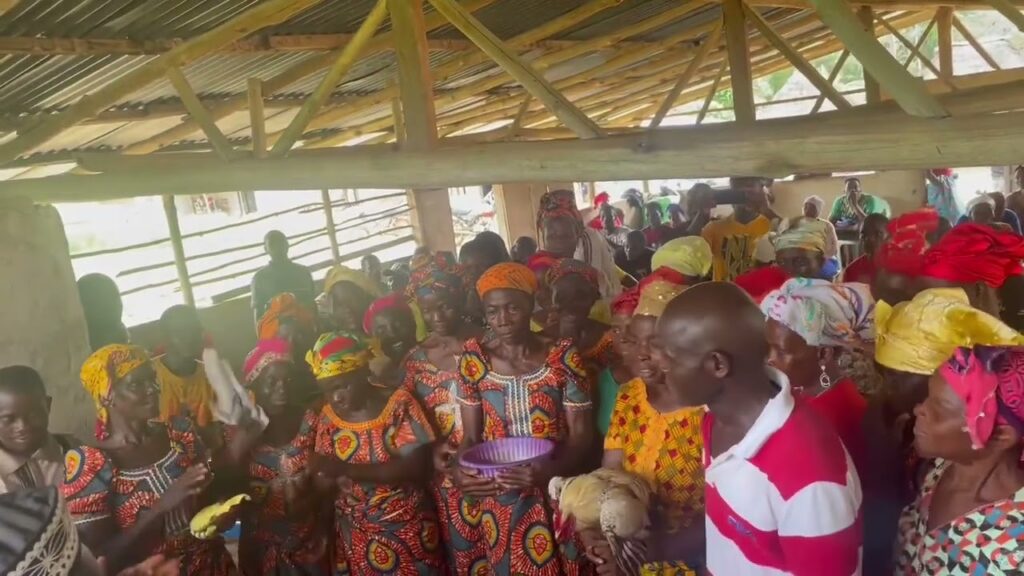
Gbeapo District: Explore the diverse cultures of the Gbeapo District, with its rich histories, lush landscapes, and intriguing sights.
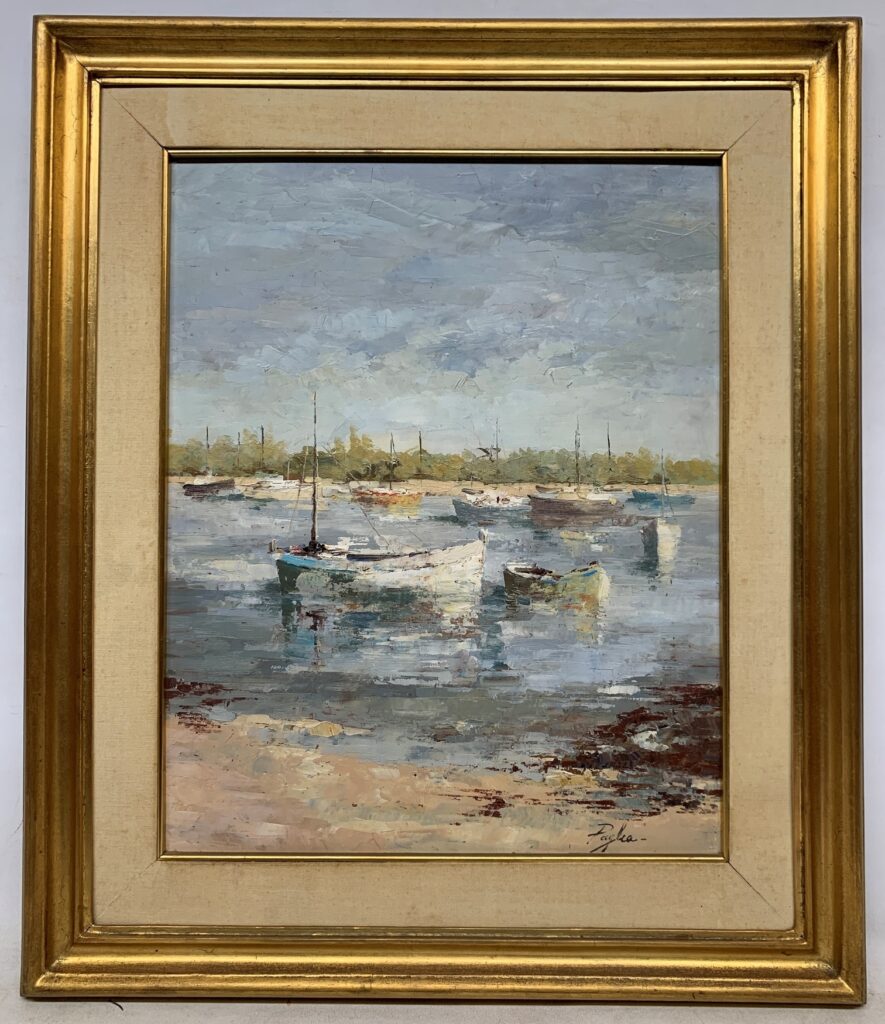
Lele Marina: Spend a relaxing day on the waters of Lele Marina, surrounded by stunning landscapes and marina-view restaurants.
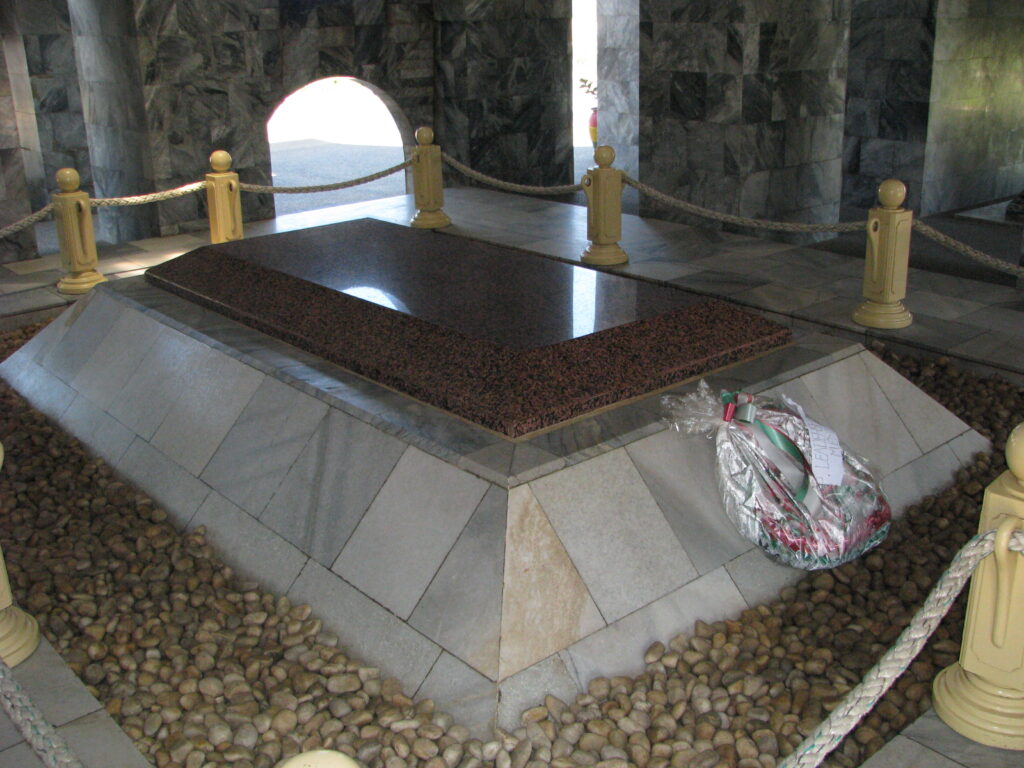
Kwame Nkrumah Mausoleum: Visit the mausoleum of Ghana’s first President, Kwame Nkrumah, and explore the memorial and museum.
Kwame Nkrumah Mausoleum Read More »

Kpaii District: Learn about the culture and attractions of this district in southeastern Liberia.
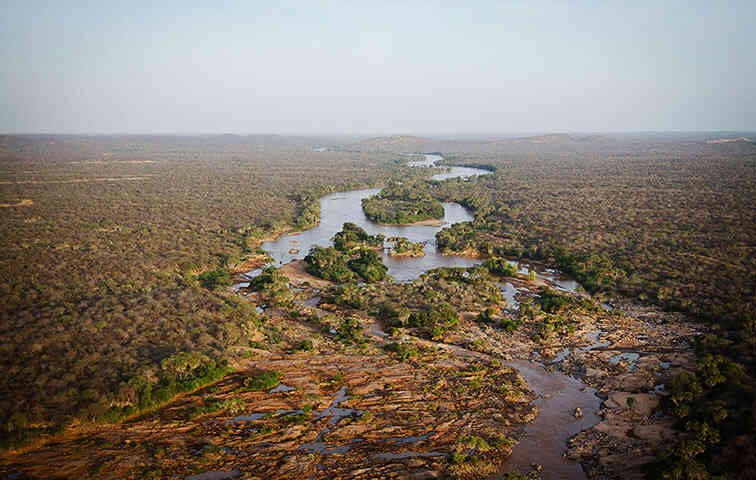
Kora National Park: Embark on an unforgettable journey into the depths of Ghana’s Kora National Park, teeming with fascinating wildlife and renowned for its ecotourism.
Kora National Park Read More »
Kolongo Artisan Village: Explore the unique artistry of Kolongo, with artisans creating traditional jewelry, fabrics, and other artisan works.
Kolongo Artisan Village Read More »
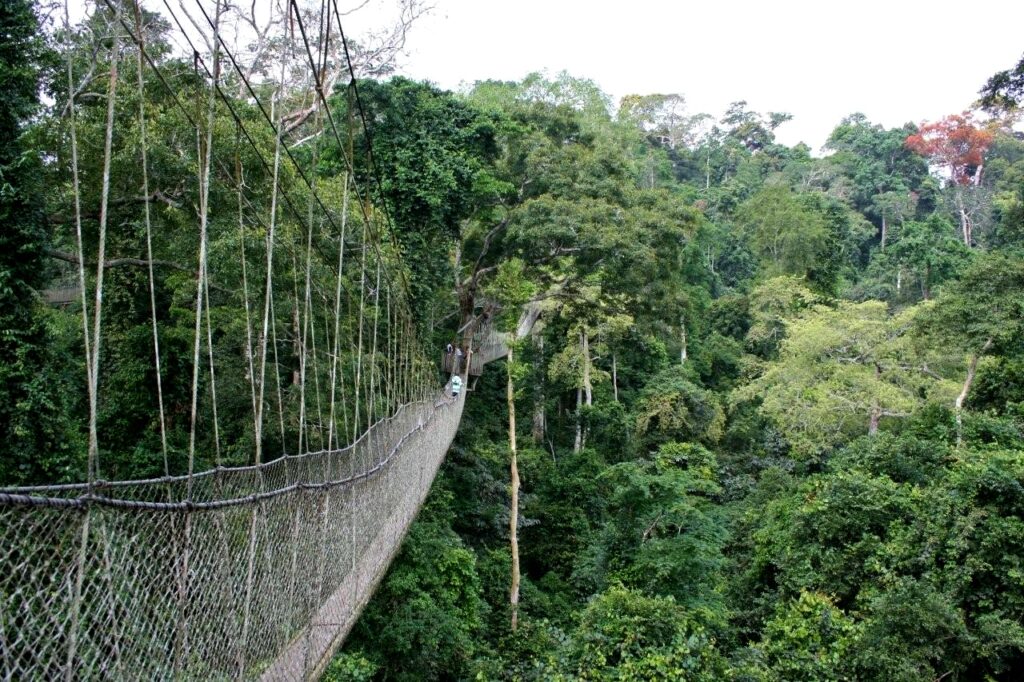
Kakum National Park: Immerse yourself in the lush tropical environment of this protected nature reserve in Ghana.
Kakum National Park Read More »
Gã Djarafunco: Discover the unique culture, history and everyday life of Gã Djarafunco, an African village in Guinea-Bissau.