
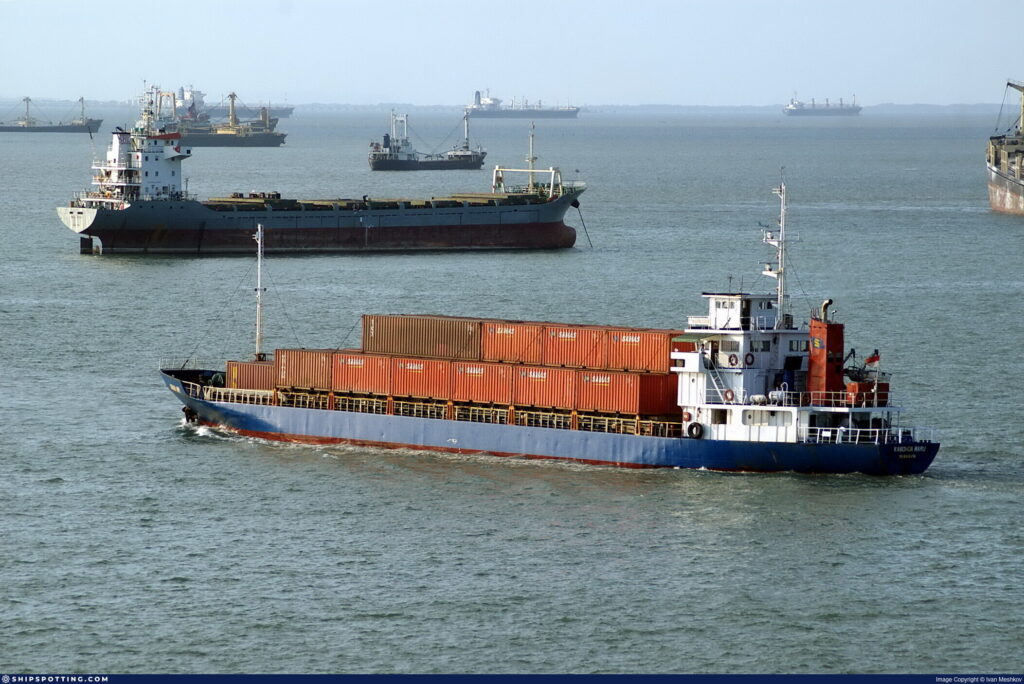
Kabonga Lighthouse
Kabonga Lighthouse: An iconic yellow lighthouse located in the city of Kavieng in Papua New Guinea that serves as a beacon of safety for mariners.
Kabonga Lighthouse Read More »
Guinea, officially the Republic of Guinea, is a country located on the west coast of Africa. It is bordered by Guinea-Bissau to the northwest, Senegal to the north, Mali to the northeast, Côte d’Ivoire to the east, Liberia to the southeast, Sierra Leone to the south, and the Atlantic Ocean to the west. The capital and largest city is Conakry.
Historically, Guinea was part of several West African empires, including the Ghana, Mali, and Songhai Empires. In the 19th century, it became a French colony and was known as French Guinea. The country gained its independence from France on October 2, 1958, under the leadership of Ahmed Sékou Touré, becoming the first French African colony to reject the French Community and opt for complete independence.
Guinea’s economy is rich in natural resources, particularly minerals. It possesses a significant portion of the world’s bauxite reserves, which are essential for aluminum production. The mining sector, including gold and diamonds, plays a crucial role in the country’s economy. Agriculture is also a major economic activity, with key crops including rice, coffee, pineapples, palm oil, and cocoa. Despite its wealth in natural resources, Guinea faces challenges such as poverty, infrastructure deficits, and political instability.
Culturally, Guinea is diverse, with more than 24 ethnic groups. The largest ethnic groups are the Fulani (Peul), Mandinka (Malinke), and Susu. Each group has its own languages, customs, and traditions. French is the official language, reflecting the colonial history, but several indigenous languages are widely spoken. Guinea is known for its rich musical heritage, with traditional music playing a significant role in cultural and social life. Instruments such as the kora, balafon, and djembe are integral to Guinean music. The country is also famous for its vibrant dance traditions and festivals.
Geographically, Guinea features a variety of landscapes, from coastal plains to mountainous regions. The Fouta Djallon highlands are a prominent geographical feature, providing a source for many of West Africa’s major rivers, including the Niger, Senegal, and Gambia rivers. Guinea’s natural environment includes tropical forests, savannas, and mangroves, which support diverse wildlife and plant species.
Politically, Guinea has experienced periods of authoritarian rule, coups, and political unrest since gaining independence. The first president, Sékou Touré, ruled until his death in 1984, after which a military coup brought Lansana Conté to power. Conté’s long rule ended with his death in 2008, followed by another military coup. In 2010, Guinea held its first democratic presidential election, won by Alpha Condé. Despite these developments, political tensions and instability remain challenges for the country.
Guinea faces significant challenges, including economic development, political stability, and improving living standards. Efforts are being made to address these issues through reforms and international cooperation. The international community continues to engage with Guinea, providing support for development projects, infrastructure improvements, and democratic governance.
Guinea’s rich cultural heritage, abundant natural resources, and strategic location make it a country with significant potential. Achieving sustainable development and political stability will be crucial for unlocking this potential and improving the quality of life for its citizens.
Kabonga Lighthouse: An iconic yellow lighthouse located in the city of Kavieng in Papua New Guinea that serves as a beacon of safety for mariners.
Kabonga Lighthouse Read More »
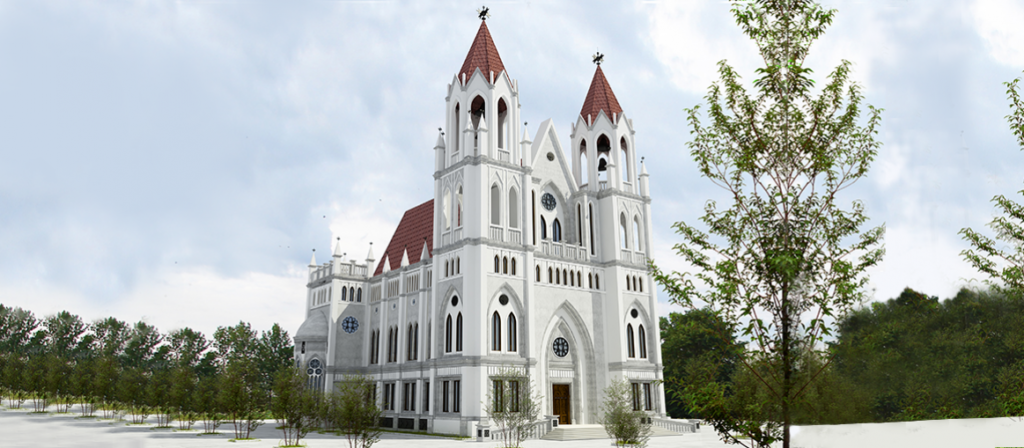
Impressive Cathedral In Bata: The impressive Cathedral of Bata (also called Los Pajaritos Cathedral) is a beautiful architectural landmark in Equatorial Guinea.
Impressive Cathedral In Bata Read More »
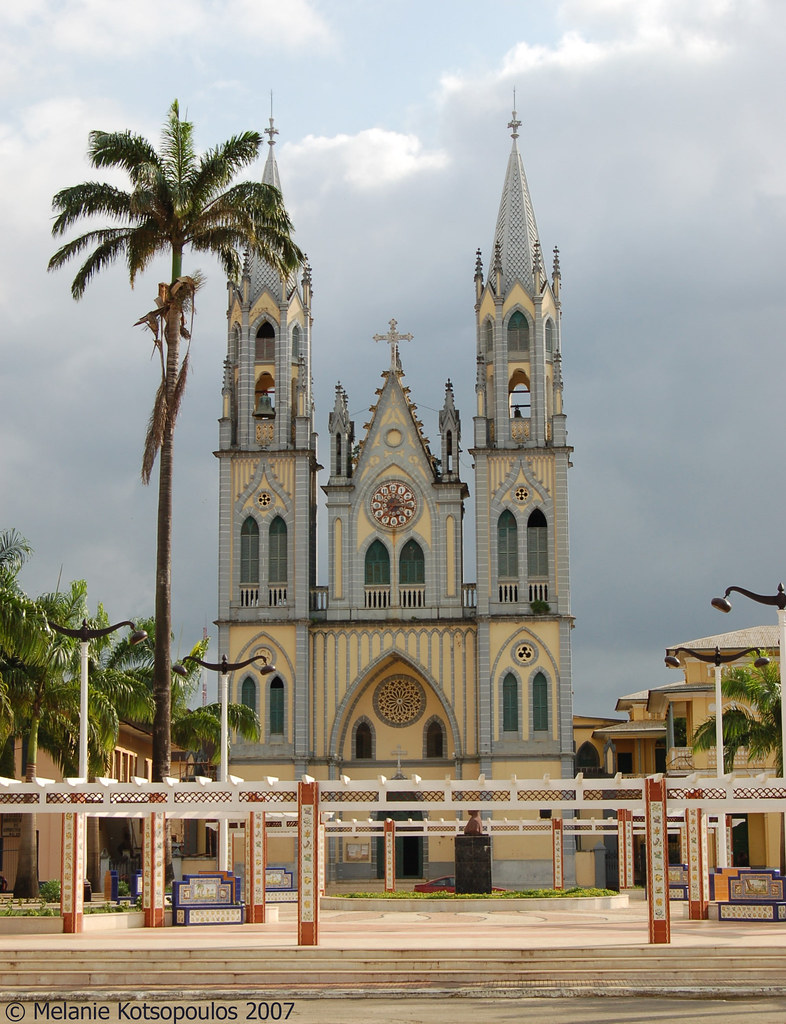
Historical Cathedral In Malabo: Uncover the historical sights of Malabos famous cathedral, a landmark of the citys culture.
Historical Cathedral In Malabo Read More »
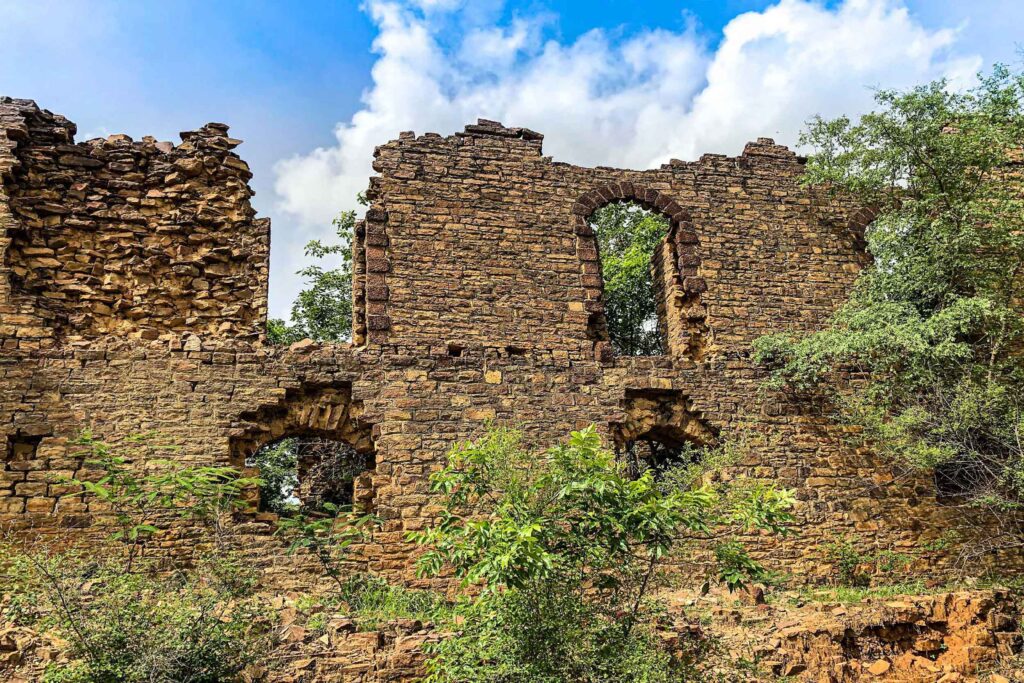
Foret Classee De Siguiri: Take a journey to Guinea and experience the pristine beauty of the Foret Classee De Siguiri, a protected natural area.
Foret Classee De Siguiri Read More »
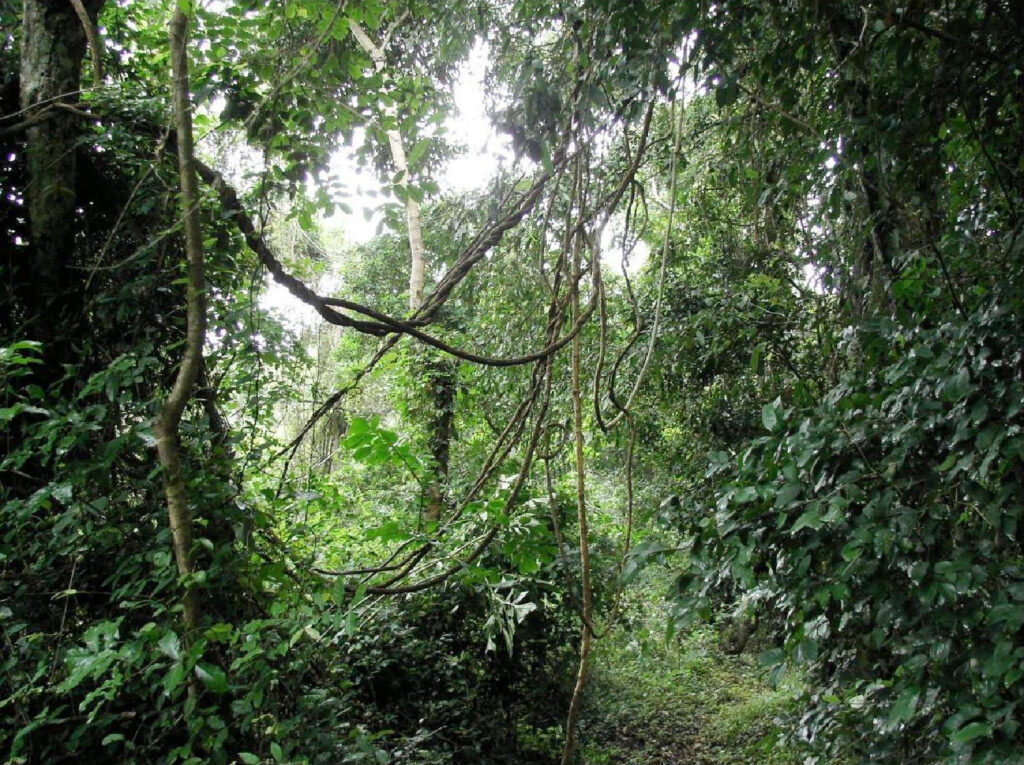
Foret Classee De Beyla: Take a journey through the unique biodiversity of Foret Classee De Beyla, a protected area in Guinea.
Foret Classee De Beyla Read More »
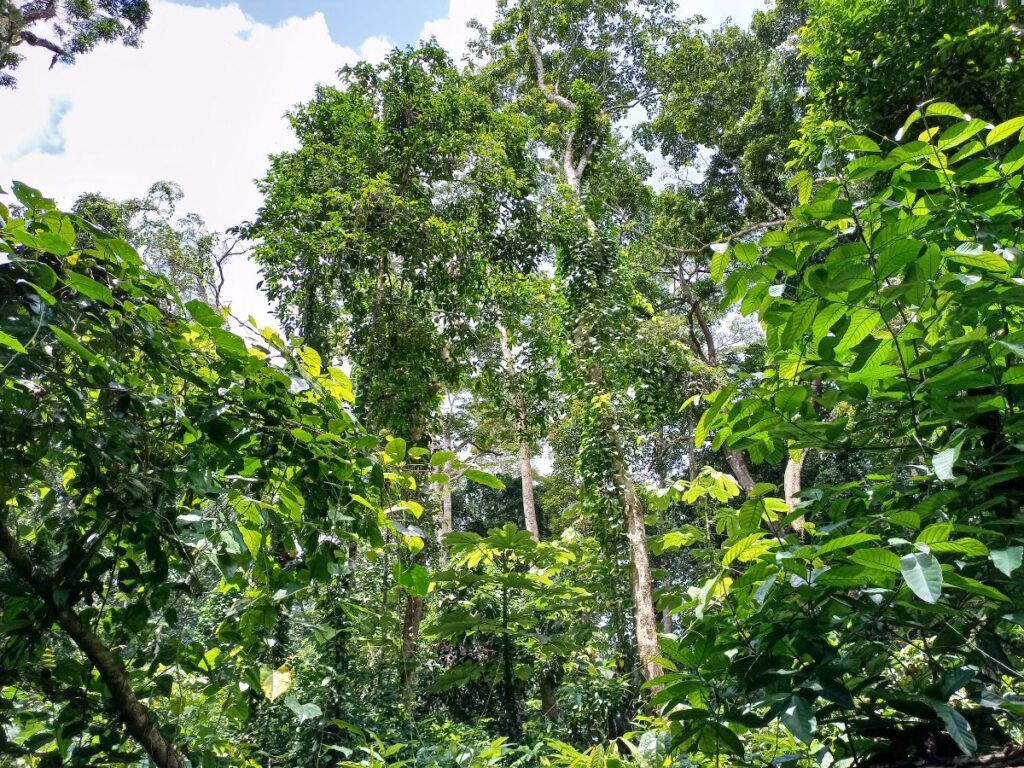
Foret Classee De Coyah: Uncover the fascinating wildlife of Foret Classee De Coyah, an ancient rainforest of Guinea.
Foret Classee De Coyah Read More »
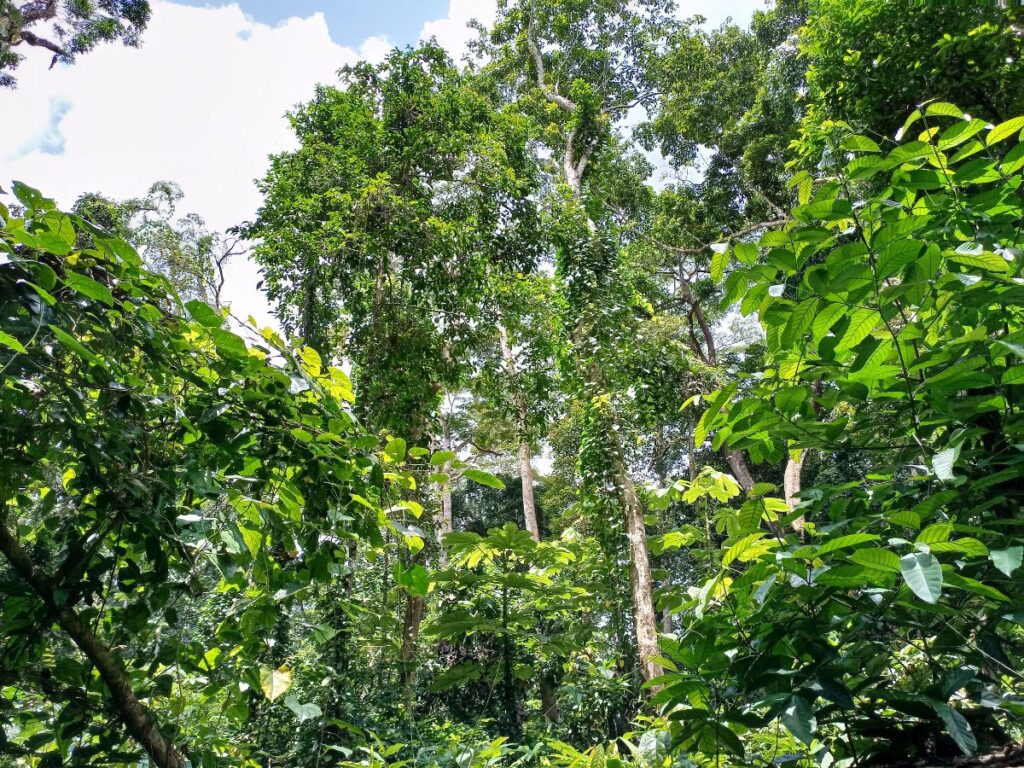
Foret Classee De Dabola: Explore the diverse ecosystems of Foret Classee De Dabola, a treasured conservation area in Guinea.
Foret Classee De Dabola Read More »

Foret Classee De Dalaba: Explore the Classified Forest of Dalaba and its lush surroundings.
Foret Classee De Dalaba Read More »
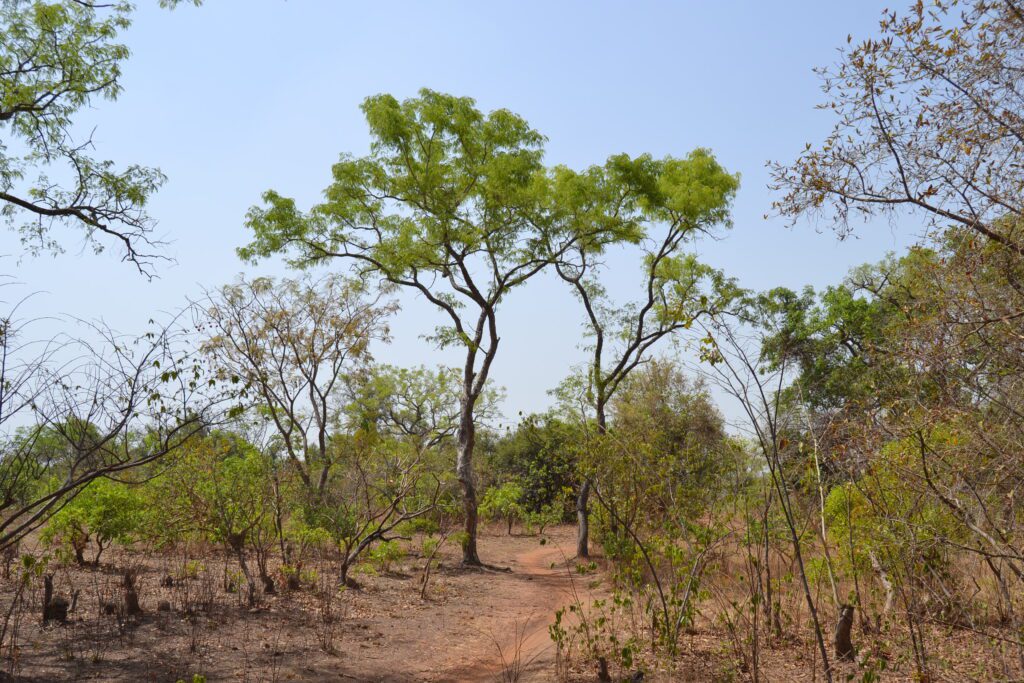
Foret Classee De Dubréka: Immerse yourself in the fascinating sights and sounds of Foret Classee de Dubréka, a protected natural area with unique biodiversity.
Foret Classee De Dubréka Read More »
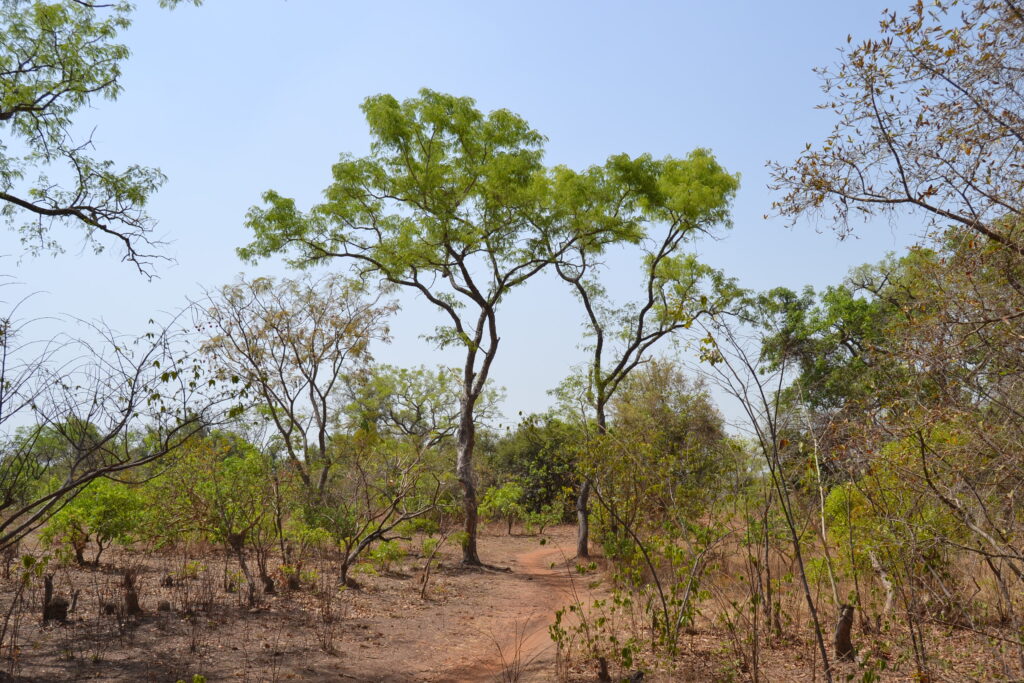
Foret Classee De Koundara: Get a glimpse of the unique biodiversity of Guinea by experiencing the wonder of the Foret Classee De Koundara.
Foret Classee De Koundara Read More »