
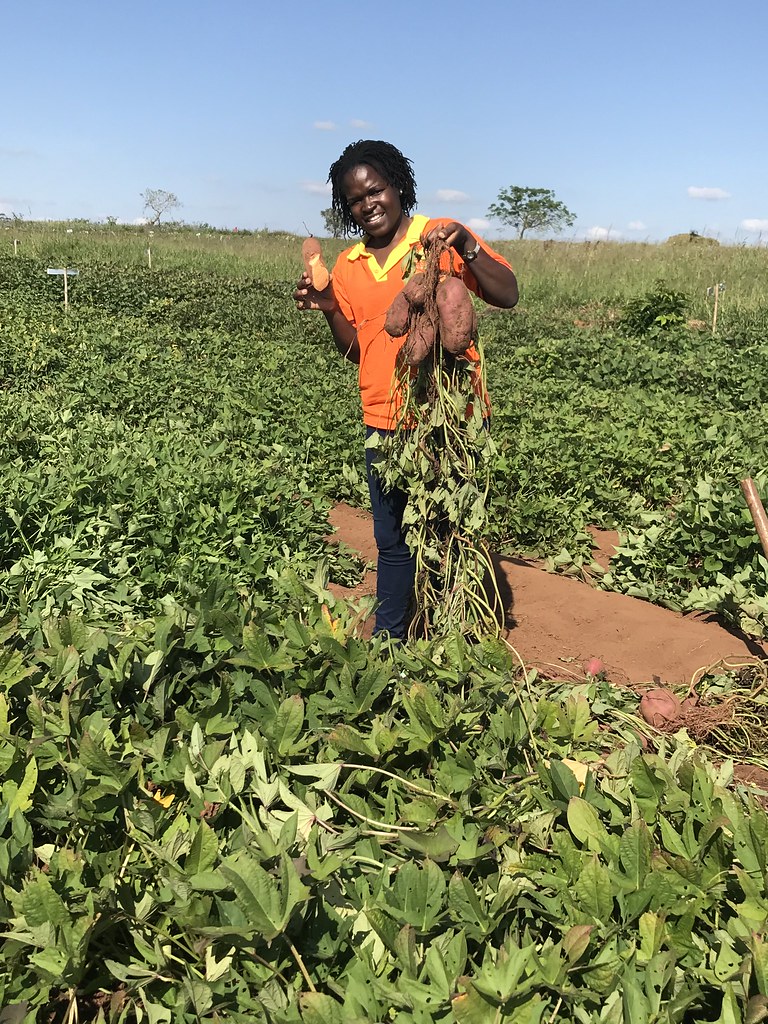
Bvumbwe Research Station
Bvumbwe Research Station: Learn about the research conducted at the Bvumbwe Research Station in Zimbabwe.
Bvumbwe Research Station Read More »
Malawi, officially known as the Republic of Malawi, is a landlocked country located in southeastern Africa. It is bordered by Tanzania to the north, Mozambique to the east, south, and west, and Zambia to the northwest. The capital and largest city is Lilongwe, with other significant cities including Blantyre and Mzuzu.
Geographically, Malawi is known for its stunning landscapes and diverse ecosystems. The country is dominated by the Great Rift Valley, which runs from north to south, and includes the spectacular Lake Malawi, one of the largest and deepest lakes in Africa. Lake Malawi, also known as Lake Nyasa, is renowned for its clear waters and abundant fish species, particularly cichlids, many of which are endemic. The country also features highlands, such as the Nyika and Viphya Plateaus, and the Zomba and Mulanje Massifs.
Historically, Malawi has been inhabited for thousands of years by various ethnic groups, including the Chewa, Tumbuka, and Yao. European contact began in the 19th century with the arrival of Scottish missionary and explorer David Livingstone. The area became a British protectorate in 1891, known as Nyasaland. Malawi gained independence from Britain on July 6, 1964, under the leadership of Hastings Kamuzu Banda, who became the country’s first president.
Economically, Malawi is primarily based on agriculture, which employs about 80% of the population. Major crops include tobacco, tea, sugarcane, maize, and coffee. Tobacco is the country’s most significant export product. Despite the importance of agriculture, Malawi faces challenges such as soil degradation, deforestation, and the impacts of climate change. The country has also been working to diversify its economy by developing sectors such as mining, manufacturing, and tourism.
Culturally, Malawi is known as the “Warm Heart of Africa” due to the friendliness and hospitality of its people. The country is home to various ethnic groups, each with its own languages and traditions. Chichewa is the most widely spoken language and serves as the national language, while English is the official language used in government and education. Malawi’s culture is rich in music, dance, and art, with traditional dances such as the Gule Wamkulu, a masked dance performed by the Chewa, recognized by UNESCO as an Intangible Cultural Heritage. The annual Lake of Stars music festival is a major cultural event that attracts artists and visitors from around the world.
Politically, Malawi is a multi-party democracy with a presidential system. The country transitioned to multi-party democracy in 1994, ending three decades of one-party rule under Hastings Banda. Since then, Malawi has held regular elections and made efforts to strengthen democratic institutions and governance. However, challenges such as corruption, political instability, and poverty remain significant issues.
Malawi’s natural beauty and biodiversity make it a potential destination for tourism, with attractions such as Lake Malawi National Park, Liwonde National Park, and the Mulanje Mountain Forest Reserve. These areas offer opportunities for activities such as wildlife viewing, hiking, and water sports.
Despite facing significant socio-economic challenges, Malawi continues to make strides in development and governance. The international community supports Malawi’s efforts to improve health, education, and economic opportunities for its citizens. The country’s commitment to peace, cultural richness, and natural assets offer a foundation for continued progress and sustainable development.
Bvumbwe Research Station: Learn about the research conducted at the Bvumbwe Research Station in Zimbabwe.
Bvumbwe Research Station Read More »
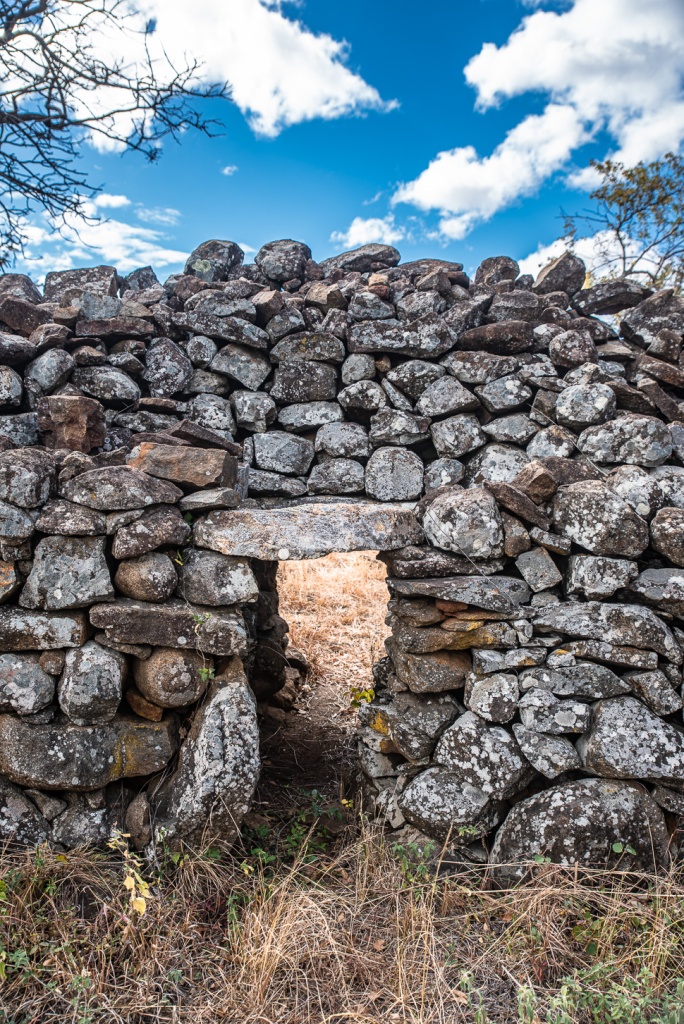
Botswana Ruins: Travel back in time and explore the ancient mysteries of the Ziwa Ruins, an archeological site in Botswana.
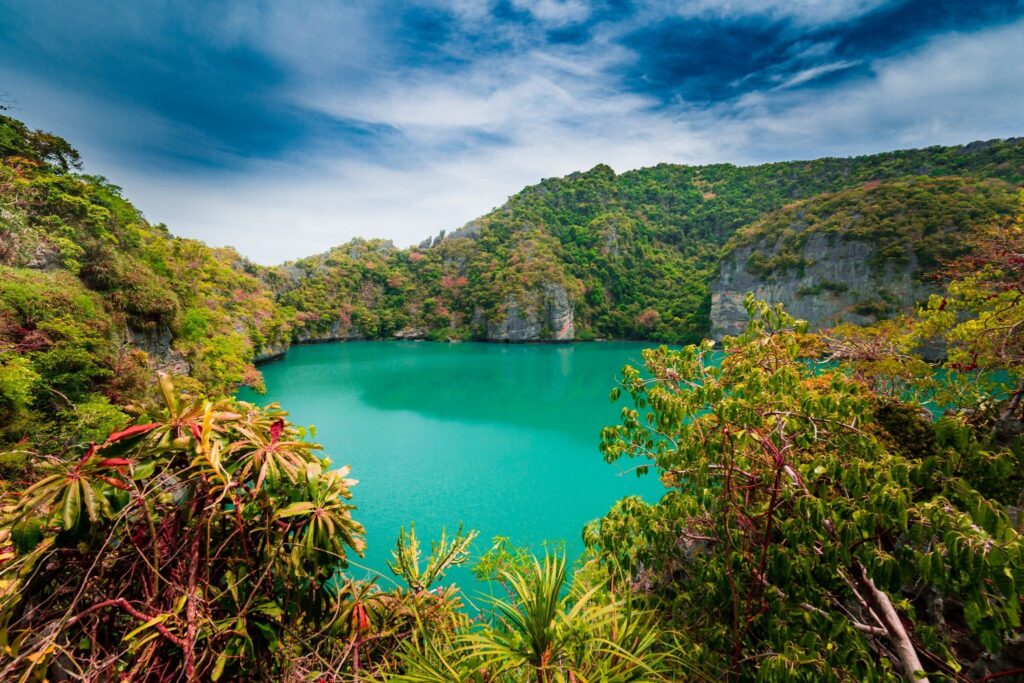
Blue Lagoon National Park: Wander through the exotic flora and fauna of Blue Lagoon National Park, located on the eastern tip of Malawi.
Blue Lagoon National Park Read More »
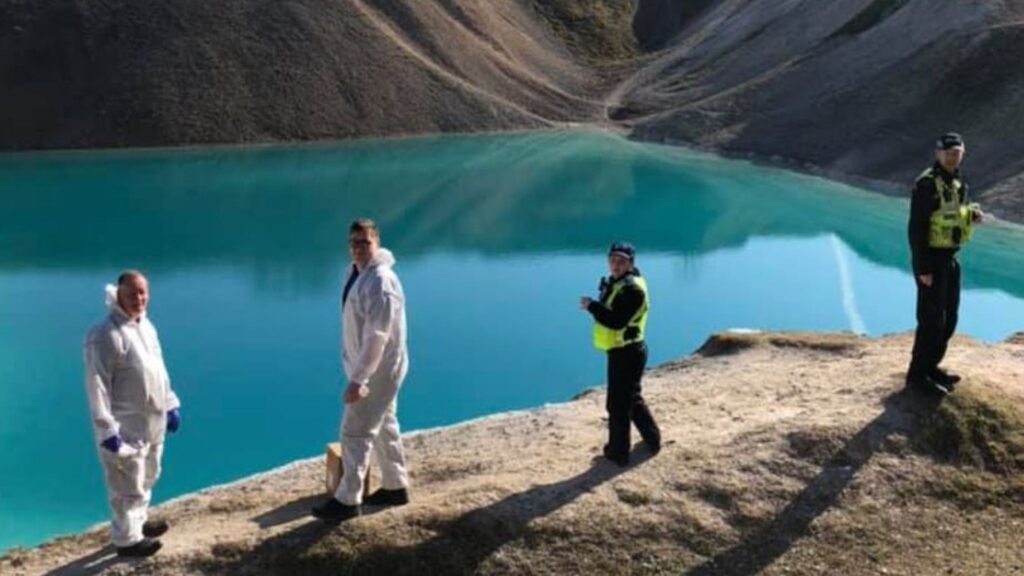
Blue Lagoon Of Buxton: Discover the hidden gem of Malawi – The Blue Lagoon of Buxton – with its stunning coral formations and crystal-clear waters.
Blue Lagoon Of Buxton Read More »
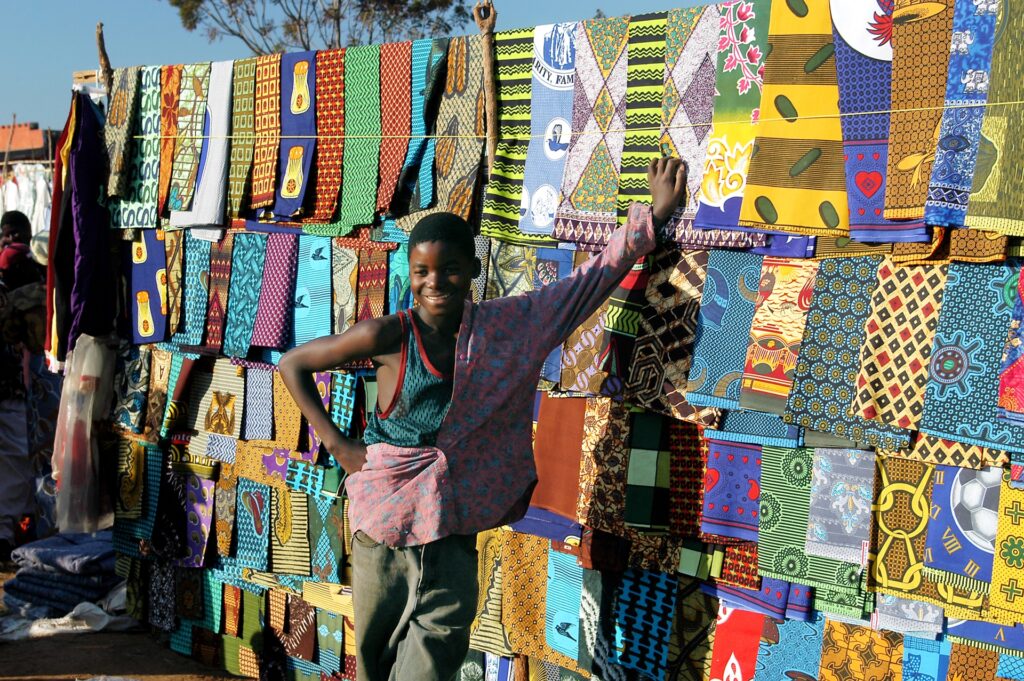
Blantyre City Market: Experience the hustle and bustle of a vibrant African street market in Malawi’s commercial hub.
Blantyre City Market Read More »
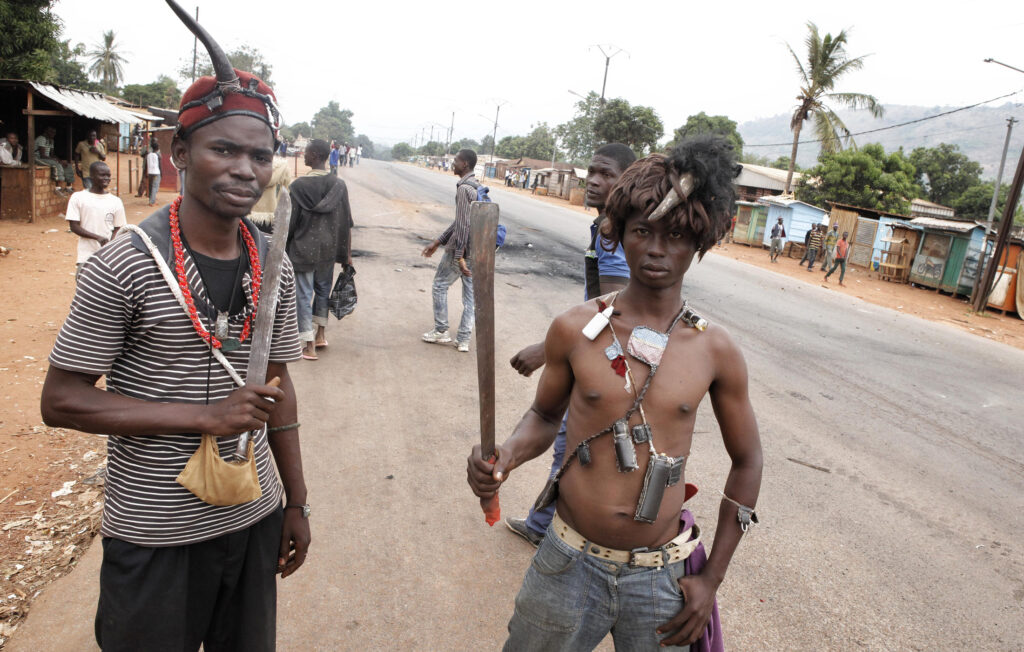
Balaka: Discover the picturesque city of Balaka in central Malawi surrounded by lush green valleys and landscapes.
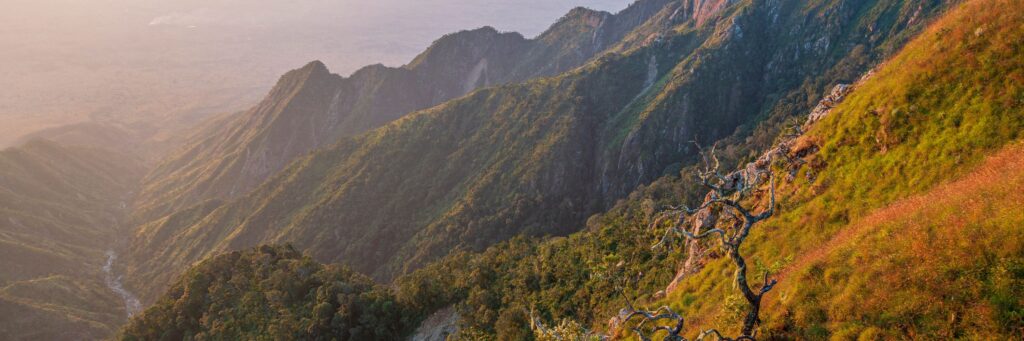
Zomba Plateau: Enjoy the stunning views of the Zomba Plateau as the sun sets behind the horizon and experience the beauty of nature at its finest.
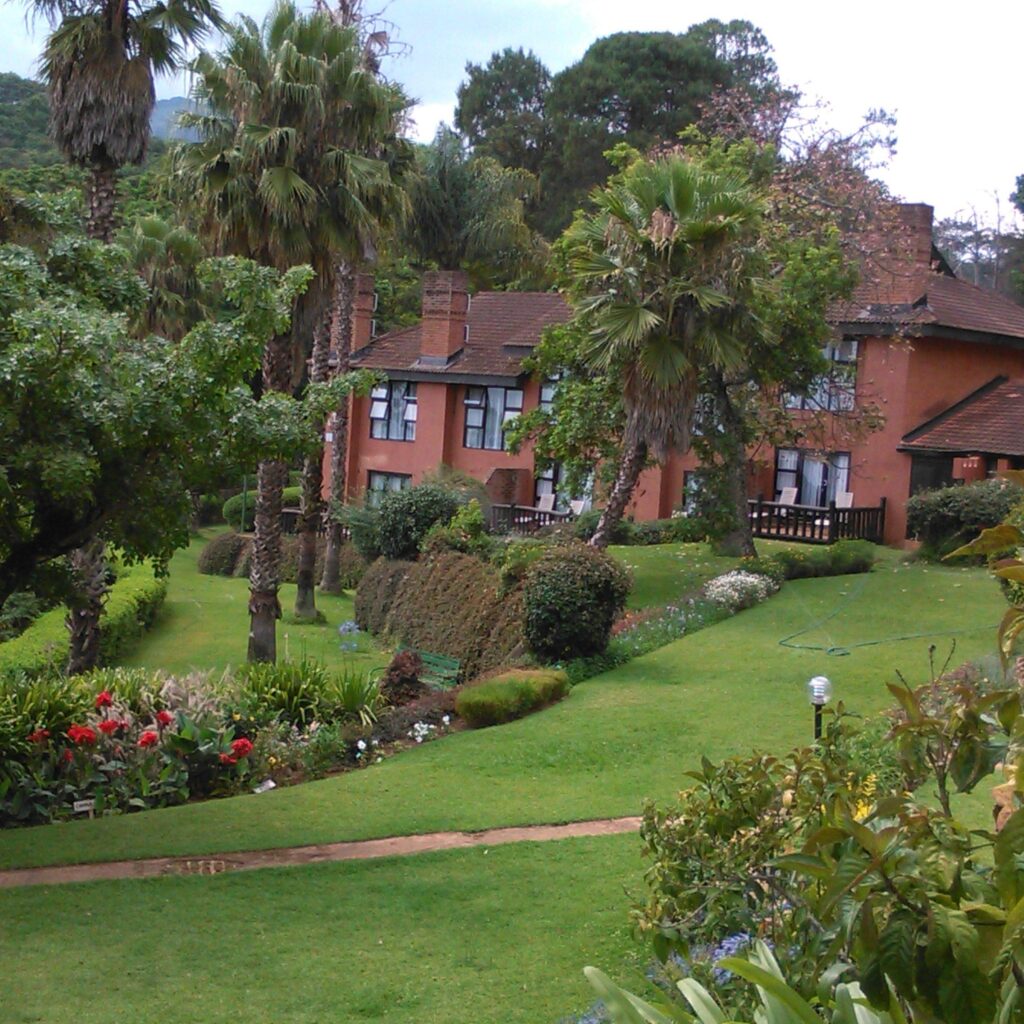
Zomba Botanical Gardens: Uncover the unique flora of Zomba, and appreciate its beauty from the comfort of the Zomba Botanical Gardens.
Zomba Botanical Gardens Read More »
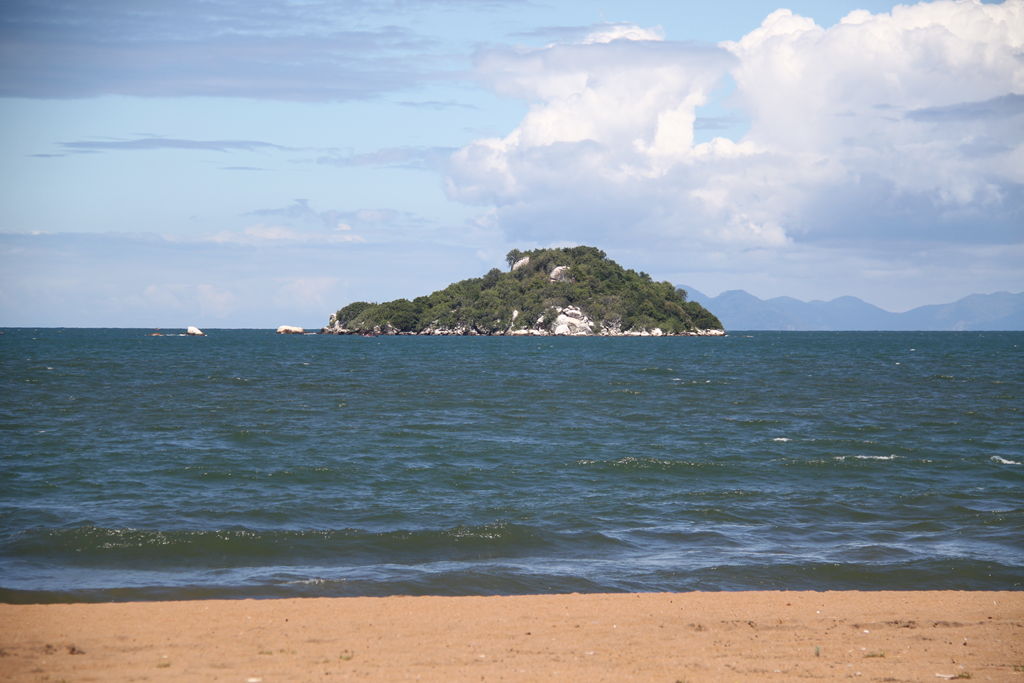
Senga Bay: Discover Senga Bay, a beautiful bay located on the western coast of Malawi. Explore its stunning beaches, breathtaking views, and exciting activities.
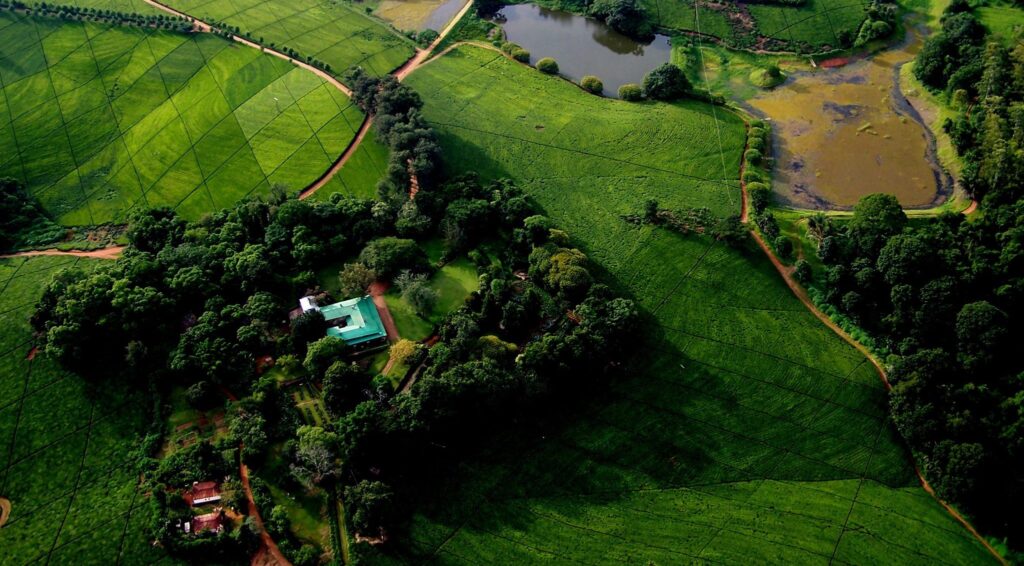
Satemwa Tea Estates: Explore the tea gardens, landscapes and history of the Satemwa Tea Estates, a well-known and sought-after brand of tea from Malawi.
Satemwa Tea Estates Read More »