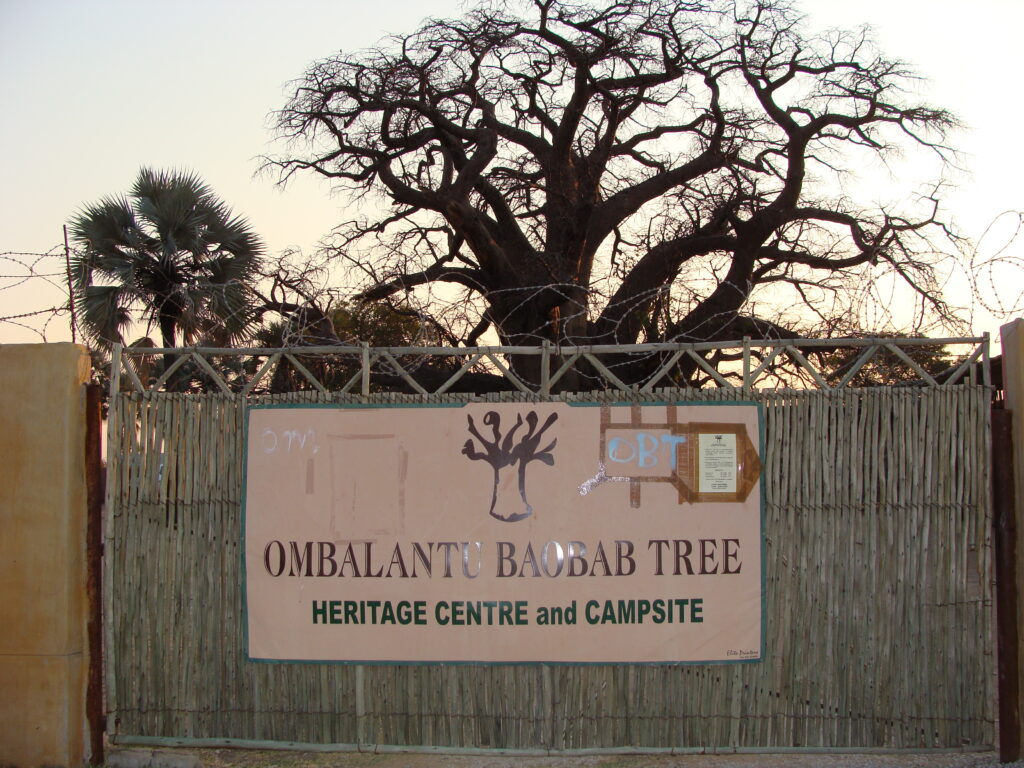
Ombalantu Baobab Tree Heritage Centre
Ombalantu Baobab Tree Heritage Centre: Visit one of the oldest and most revered Baobab trees in Namibia.
Ombalantu Baobab Tree Heritage Centre Read More »
Namibia, officially known as the Republic of Namibia, is a country located in southwestern Africa. It is bordered by Angola and Zambia to the north, Botswana to the east, South Africa to the south and southeast, and the Atlantic Ocean to the west. The capital and largest city is Windhoek, which serves as the political, economic, and cultural hub of the country.
Geographically, Namibia is renowned for its diverse and dramatic landscapes, which include the Namib Desert, one of the oldest deserts in the world, and the Kalahari Desert in the east. The coastal Namib Desert features striking dunes and the famous Skeleton Coast, known for its shipwrecks and rugged beauty. The central plateau is home to mountains, savannas, and the Etosha Pan, a vast salt pan that becomes a vital water source for wildlife during the rainy season. Etosha National Park is one of Africa’s premier wildlife destinations, attracting tourists with its diverse animal species, including elephants, lions, and rhinos.
Historically, Namibia was inhabited by various indigenous groups, including the San, Damara, and Nama, as well as the Herero and Ovambo people. The area became a German colony in the late 19th century, known as German South West Africa. After World War I, it was mandated to South Africa by the League of Nations, leading to a prolonged struggle for independence. Namibia gained its independence on March 21, 1990, following a lengthy guerrilla war led by the South West Africa People’s Organization (SWAPO).
Economically, Namibia is rich in natural resources, with mining playing a central role in the economy. The country is a major producer of diamonds, uranium, gold, and other minerals. Agriculture, particularly livestock farming, and fishing are also significant contributors to the economy. Tourism has grown rapidly, driven by Namibia’s unique landscapes, wildlife, and conservation efforts. The government has implemented policies to promote eco-tourism and sustainable development.
Culturally, Namibia is a mosaic of ethnic groups, each with its own languages and traditions. English is the official language, reflecting the country’s diverse heritage and colonial history, but many Namibians also speak Afrikaans, German, and various indigenous languages such as Oshiwambo, Otjiherero, and Khoekhoegowab. Namibia’s culture is celebrated through music, dance, art, and festivals. Traditional crafts, such as pottery, weaving, and beadwork, are important aspects of Namibian cultural expression.
Politically, Namibia is a stable democracy with a presidential system. The country has held regular free and fair elections since independence, with SWAPO being the dominant political party. The political stability, respect for human rights, and efforts to promote good governance have made Namibia a model for other countries in the region.
Socially, Namibia faces challenges related to poverty, inequality, and access to education and healthcare. The government has prioritized social development and has made progress in improving living standards and reducing poverty. However, disparities between urban and rural areas remain significant.
Namibia is also known for its commitment to conservation and environmental protection. The country has established numerous national parks and protected areas, such as Namib-Naukluft National Park, Bwabwata National Park, and Skeleton Coast National Park. These areas are crucial for the preservation of Namibia’s unique biodiversity and attract eco-tourists from around the world.
The future of Namibia looks promising, with continued efforts to diversify the economy, promote sustainable development, and improve social services. The international community remains engaged in supporting Namibia’s development goals, providing assistance in areas such as infrastructure, healthcare, education, and environmental conservation. The country’s rich cultural heritage, natural beauty, and political stability offer significant potential for growth and prosperity.
Ombalantu Baobab Tree Heritage Centre: Visit one of the oldest and most revered Baobab trees in Namibia.
Ombalantu Baobab Tree Heritage Centre Read More »
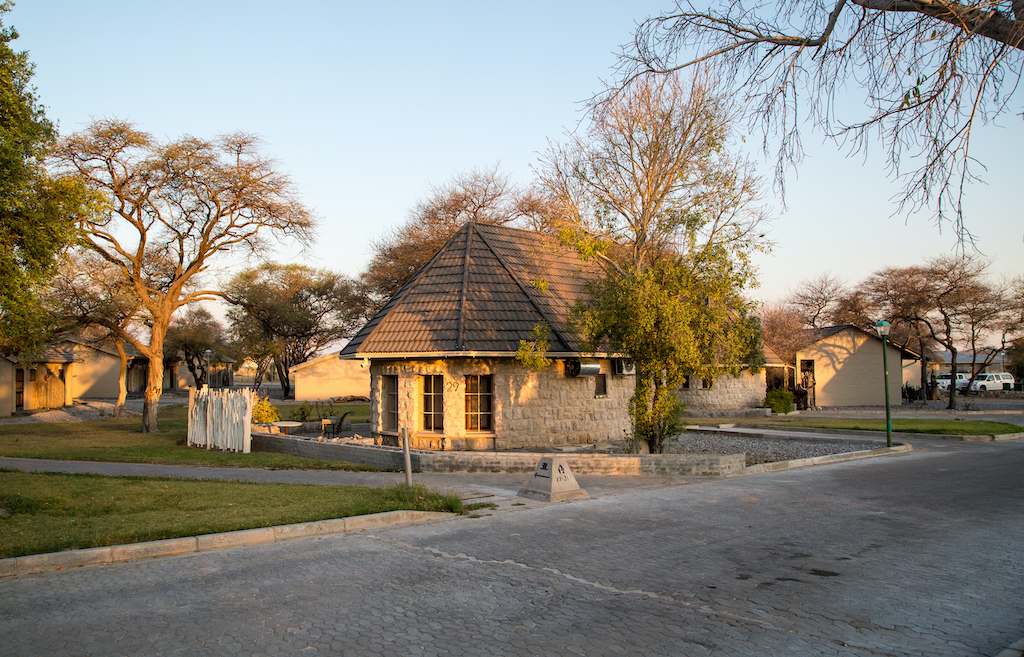
Okaukuejo Camp: Get closer to nature and explore the ultimate safari experience at the Okaukuejo Camp, located in Etosha National Park.
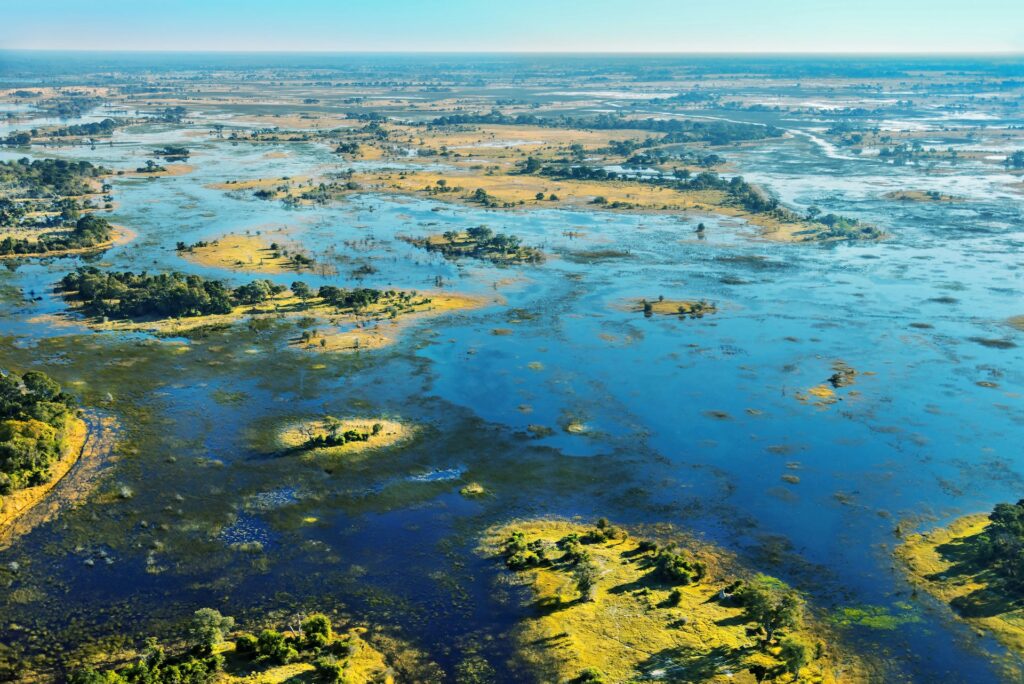
Okavango River: Find out more about the Okavango River, one of southern Africas most important river systems.
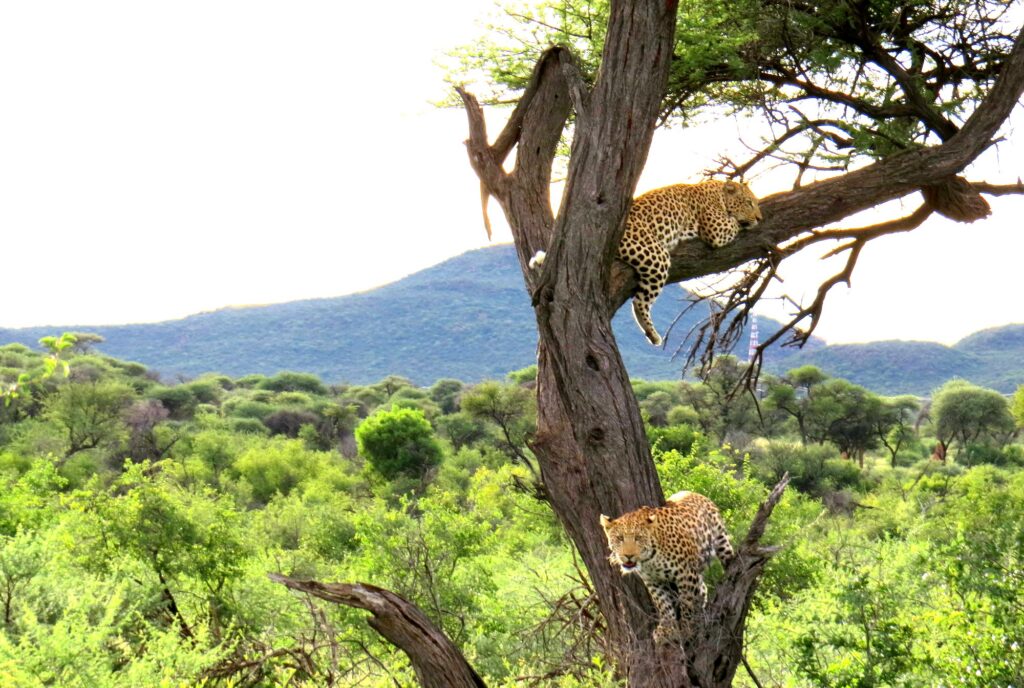
Okonjima Nature Reserve: Experience the amazing wildlife of the Okonjima Nature Reserve in Namibia.
Okonjima Nature Reserve Read More »
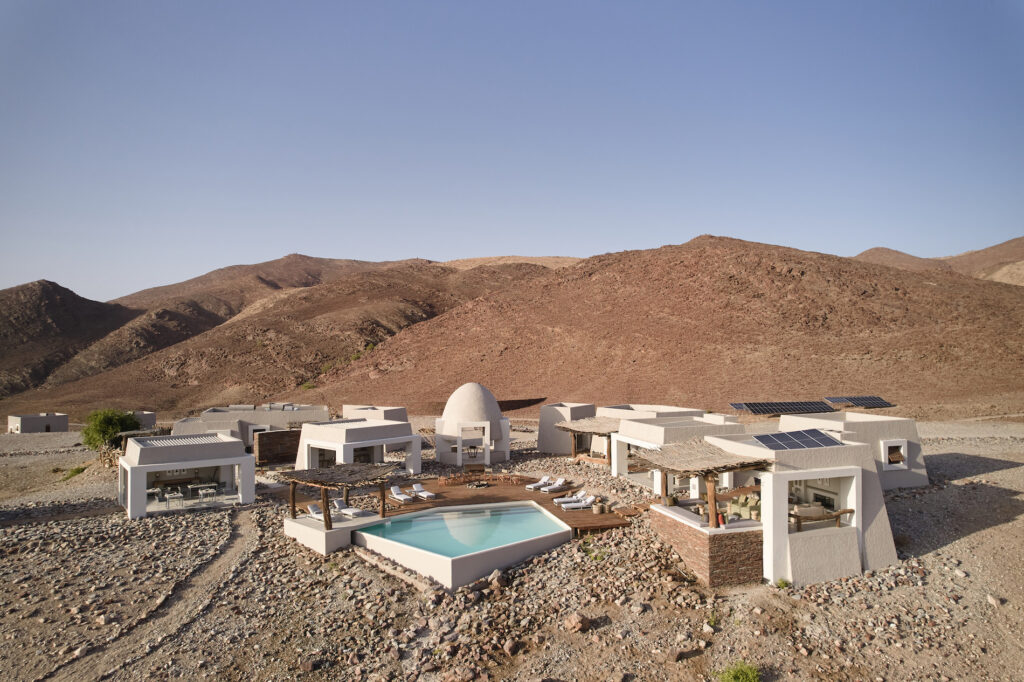
Okahirongo Elephant Lodge: Experience ultimate luxury on your trip to Namibia with a stay at the Okahirongo Elephant Lodge.
Okahirongo Elephant Lodge Read More »

Okapuka Ranch: Nestled in the Namibian savannah, enjoy a stay at the Okapuka Ranch for an unforgettable safari experience.
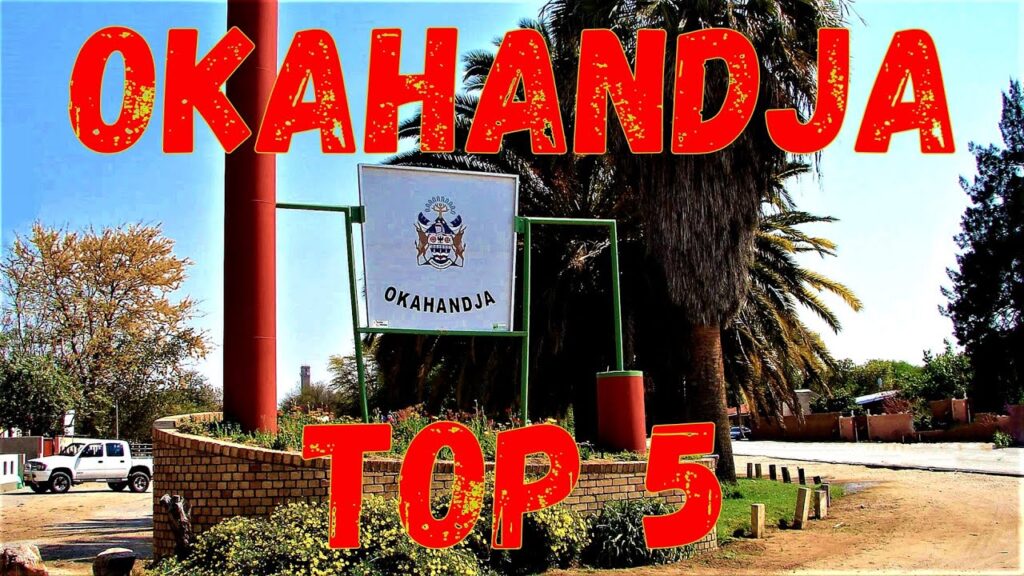
Okahandja: Discover the history and culture of this city in Namibia, located close to the beautiful Waterberg Mountains.
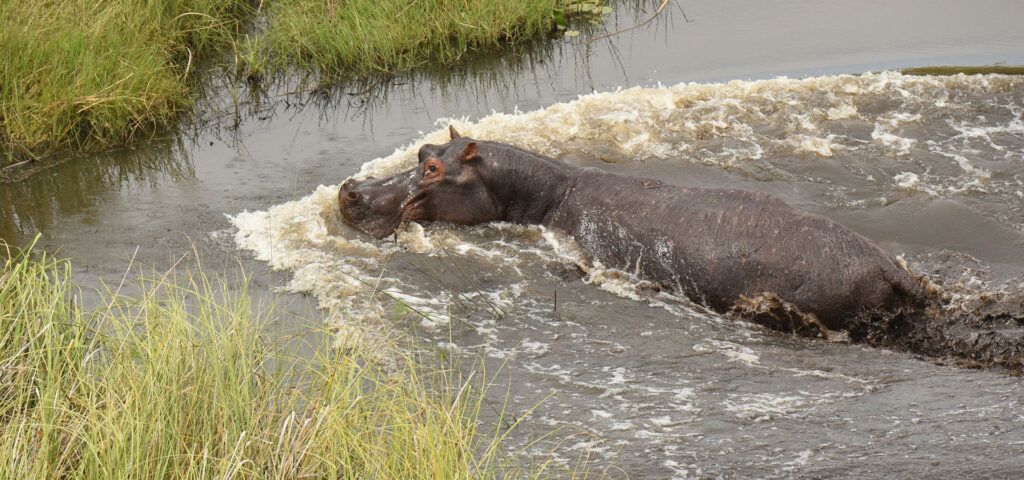
Nkasa Rupara National Park: Discover the beauty of Nkasa Rupara National Park, home to diverse wildlife and stunning landscapes in Tanzania.
Nkasa Rupara National Park Read More »
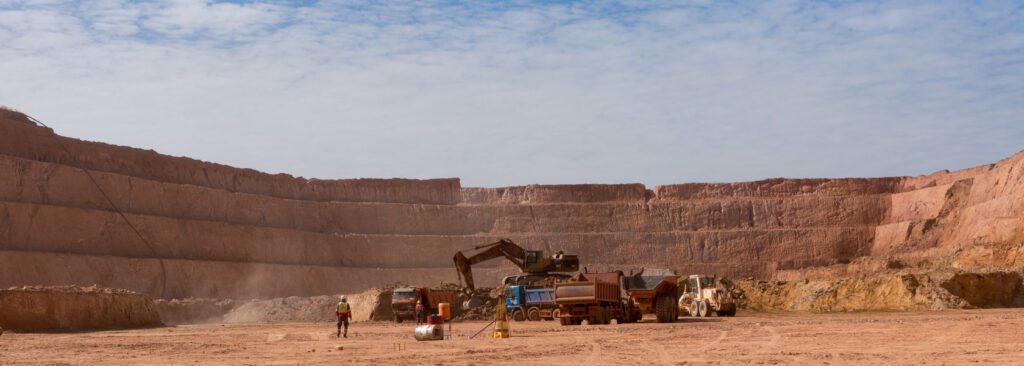
Nampala: Explore the diverse natural and man-made attractions of this charming town in Niger.