
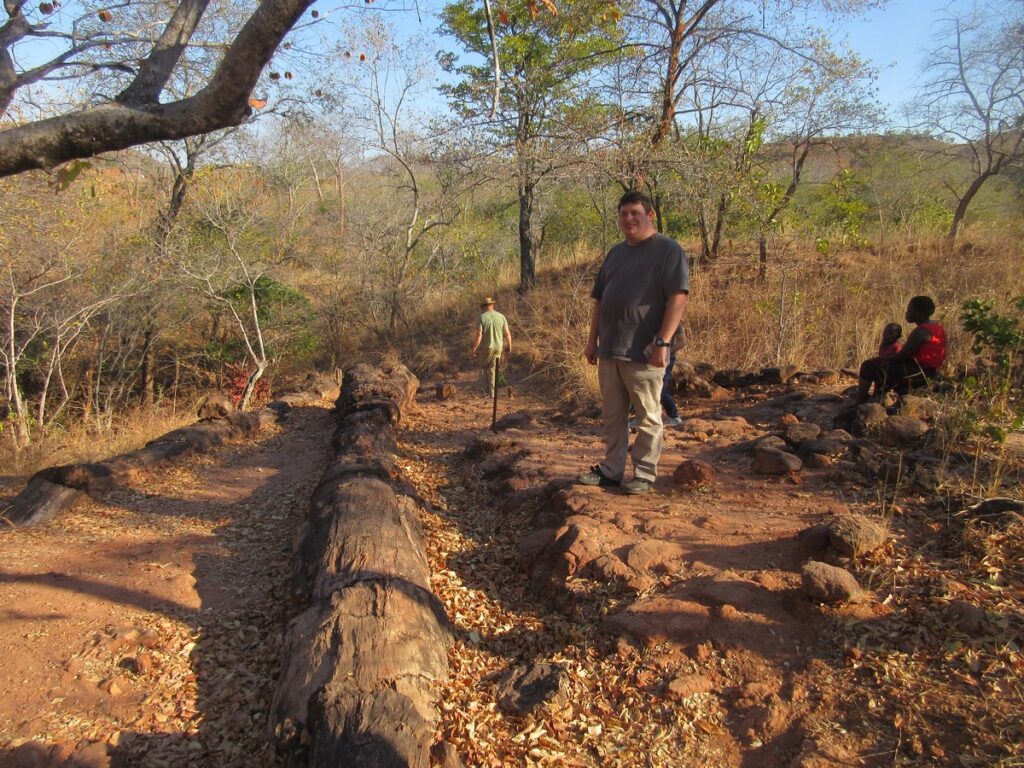
Chirundu Fossil Forest
Chirundu Fossil Forest: See the prehistoric remains of Chirundu Fossil Forest in Zimbabwe.
Chirundu Fossil Forest Read More »
Zimbabwe, officially known as the Republic of Zimbabwe, is a landlocked country located in Southern Africa. It is bordered by Zambia to the north, Mozambique to the east, Botswana to the west, and South Africa to the south. The capital and largest city is Harare, which serves as the country’s political, economic, and cultural hub.
Geographically, Zimbabwe boasts a diverse landscape that includes lush highlands, expansive savannas, and dramatic river valleys. The country is home to several prominent rivers, including the Zambezi and Limpopo, which define its northern and southern borders respectively. One of Zimbabwe’s most iconic natural features is Victoria Falls, known locally as Mosi-oa-Tunya or “The Smoke That Thunders.” This UNESCO World Heritage site is one of the largest and most spectacular waterfalls in the world, attracting visitors from all over the globe.
Historically, Zimbabwe has a rich cultural heritage that dates back thousands of years. The Great Zimbabwe Ruins, a UNESCO World Heritage site, are the remains of a medieval city that was the capital of the Kingdom of Zimbabwe during the Late Iron Age. These impressive stone structures are a testament to the architectural ingenuity and historical significance of the region. The country also has a history of colonialism, becoming a British colony known as Southern Rhodesia in the early 20th century. Zimbabwe gained independence in 1980, with Robert Mugabe becoming its first prime minister and later president.
Economically, Zimbabwe is known for its rich natural resources, including minerals such as gold, platinum, and diamonds. Agriculture is a vital part of the economy, with key crops including tobacco, maize, cotton, and sugarcane. The country’s agricultural sector is diverse, ranging from commercial farming to small-scale subsistence farming. Tourism is also an important industry, with visitors drawn to Zimbabwe’s national parks, wildlife reserves, and cultural sites.
Culturally, Zimbabwe is a mosaic of ethnic groups, including the Shona, Ndebele, and other smaller groups, each with its own languages, traditions, and customs. The Shona and Ndebele are the largest ethnic groups, and their cultures are deeply embedded in the country’s identity. English is the official language, but Shona, Ndebele, and several other indigenous languages are widely spoken. Traditional music, dance, and art play a central role in Zimbabwean culture. The mbira, a traditional instrument also known as the thumb piano, is a symbol of Shona music and is used in spiritual ceremonies and celebrations.
For travelers, Zimbabwe offers a wealth of attractions and activities. The country’s national parks and wildlife reserves are home to an incredible array of wildlife, including the Big Five (lion, elephant, buffalo, leopard, and rhinoceros). Hwange National Park, the largest game reserve in Zimbabwe, is renowned for its large elephant herds and diverse wildlife. Mana Pools National Park, another UNESCO World Heritage site, offers exceptional opportunities for walking safaris and canoeing along the Zambezi River.
Victoria Falls, one of the Seven Natural Wonders of the World, is a must-visit destination. Visitors can experience the awe-inspiring sight of the falls from various viewpoints, take a boat cruise on the Zambezi River, or engage in thrilling activities such as white-water rafting, bungee jumping, and helicopter flights.
Zimbabwe’s Eastern Highlands, with their lush forests, rolling hills, and waterfalls, provide a tranquil escape for nature lovers and hikers. The region’s cool climate and stunning landscapes make it ideal for outdoor activities and relaxation.
Culinary experiences in Zimbabwe reflect the country’s agricultural abundance and cultural diversity. Traditional dishes such as sadza (a maize-based staple), nyama (meat), and muriwo (leafy greens) are commonly enjoyed. Street food and local markets offer a variety of snacks and delicacies that provide a taste of Zimbabwean cuisine.
Zimbabwe’s warm hospitality, rich cultural heritage, and stunning natural landscapes make it an exceptional travel destination. Whether you’re exploring ancient ruins, embarking on a safari adventure, or marveling at the beauty of Victoria Falls, Zimbabwe promises unforgettable experiences and lasting memories.
Discover the charm and beauty of Zimbabwe and immerse yourself in its diverse landscapes, cultural treasures, and adventurous spirit. From the majestic Victoria Falls to the serene plains of its national parks, Zimbabwe offers a journey filled with adventure, discovery, and the warmth of Southern Africa.
Chirundu Fossil Forest: See the prehistoric remains of Chirundu Fossil Forest in Zimbabwe.
Chirundu Fossil Forest Read More »
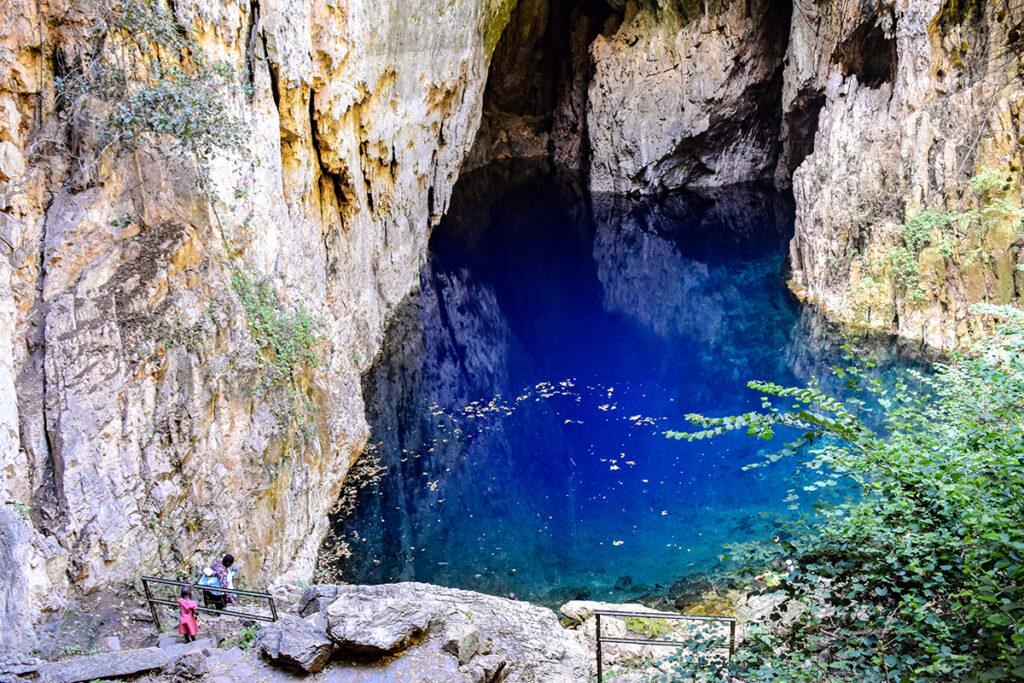
Chinhoyi Caves: A natural cave system in Zimbabwe, formed millions of years ago. Explore the secrets of the Chinhoyi Caves.
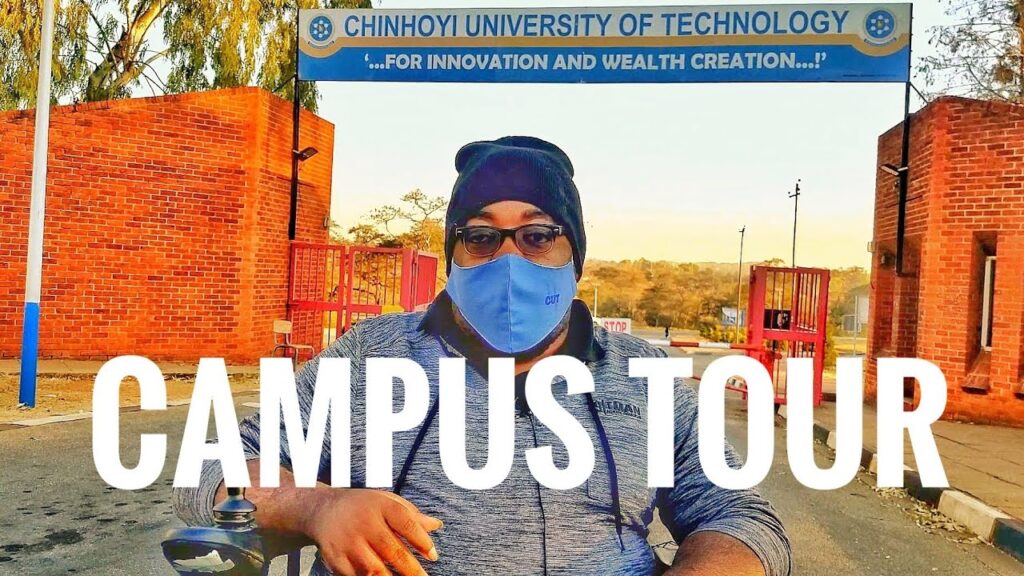
Chinhoyi University Of Technology: An acclaimed university that offers a wide array of academic and professional courses to students.
Chinhoyi University Of Technology Read More »
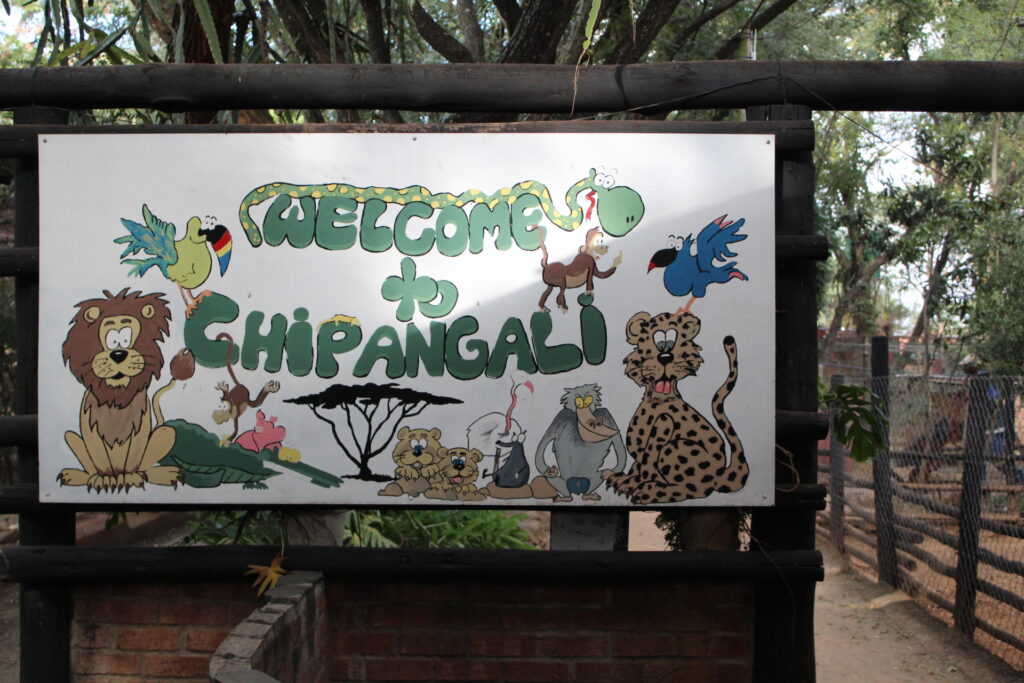
Chipangali Wildlife Orphanage: Explore the commitment of Chipangali Wildlife Orphanage in the preservation of wildlife species from all over Africa.
Chipangali Wildlife Orphanage Read More »

Chimurenga Heroes Shrine: Uncover the powerful stories and histories behind the Chimurenga Heroes Shrine in Zimbabwe.
Chimurenga Heroes Shrine Read More »
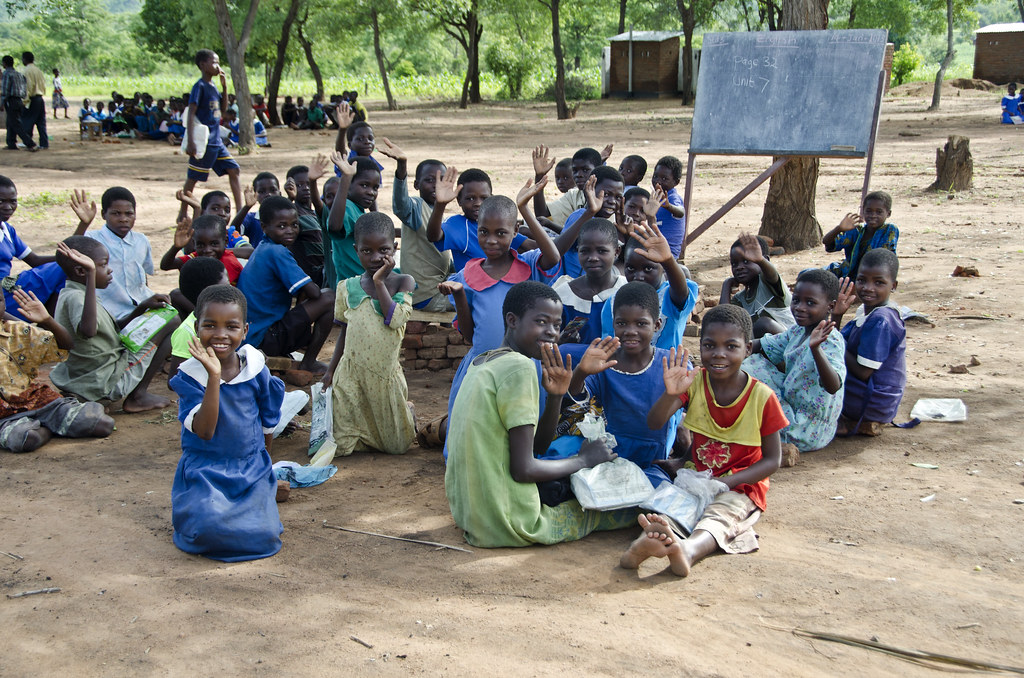
Chingombe Mission: Take a closer look at the origins and mission of this African ministry.
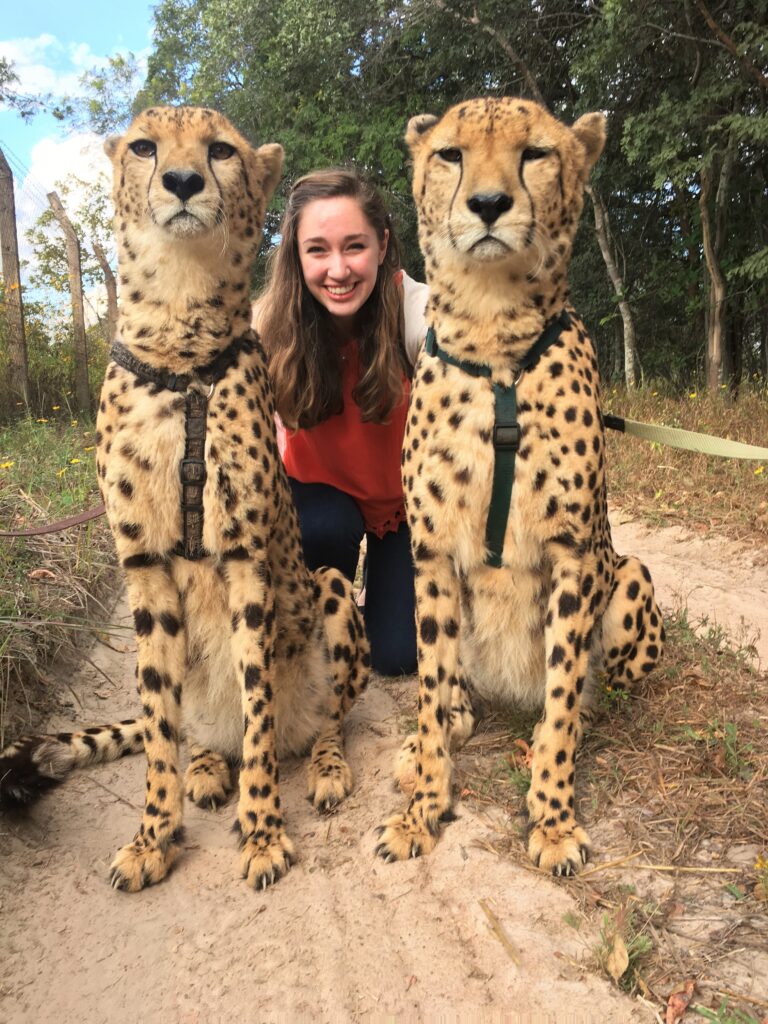
Chaminuka Nature Reserve: Discover the wildlife and beauty of Zambias 5,500 hectare reserve.
Chaminuka Nature Reserve Read More »

Bvumba Mountains: Explore the stunning views, unique flora and fauna of the Bvumba Mountains in Zimbabwe.
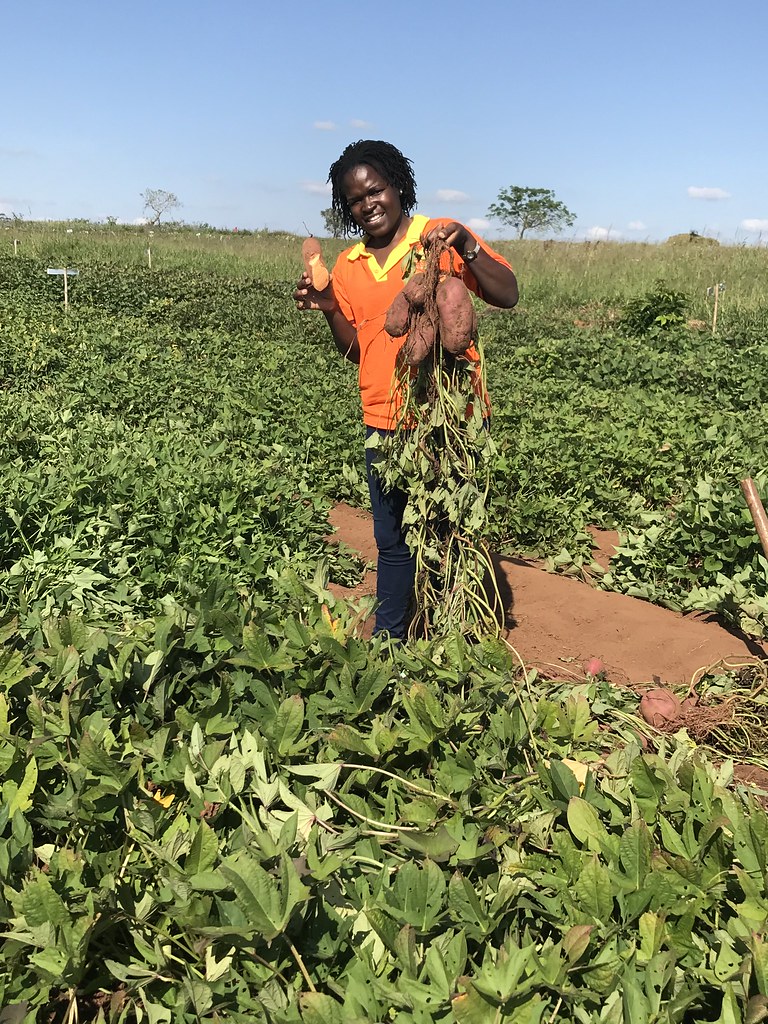
Bvumbwe Research Station: Learn about the research conducted at the Bvumbwe Research Station in Zimbabwe.
Bvumbwe Research Station Read More »
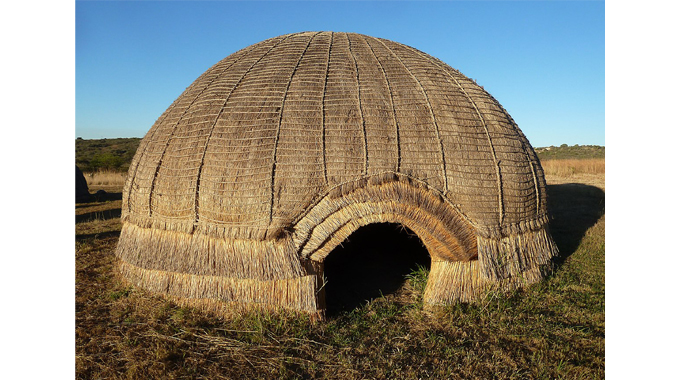
Bulawayo: Get the latest news and information about Zimbabwes second-largest city, Bulawayo.