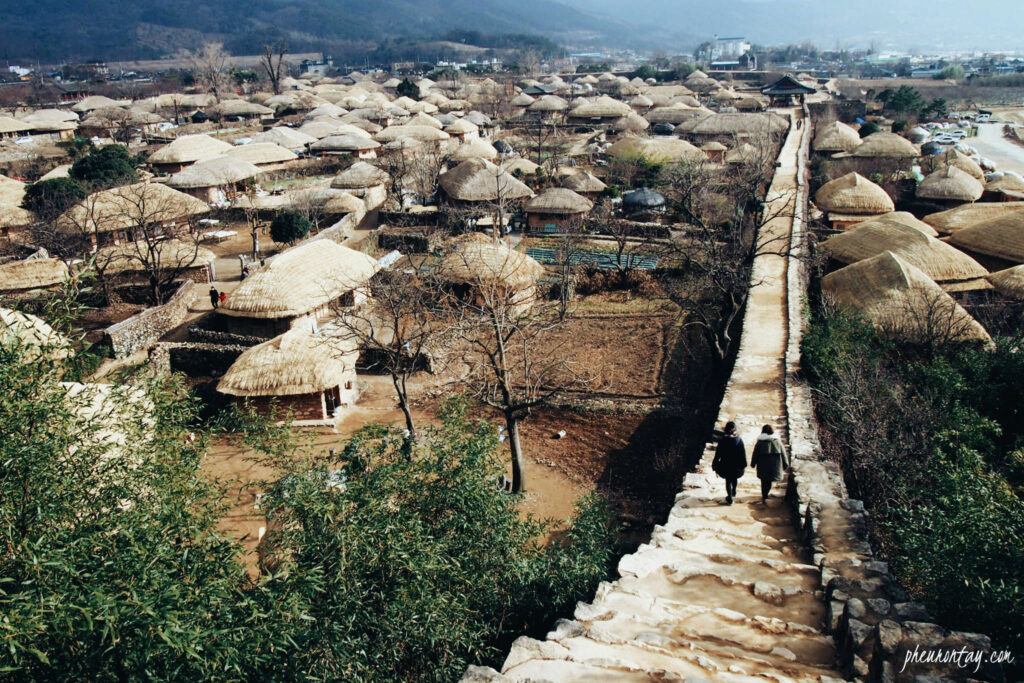
Naganeupseong Folk Village
Naganeupseong Folk Village: Explore the traditional culture and history of the region in this centuries-old Korean folk village.
Naganeupseong Folk Village Read More »
Japan, officially known as the State of Japan, is an island nation in East Asia. It is located in the Pacific Ocean and consists of four main islands—Honshu, Hokkaido, Kyushu, and Shikoku—along with numerous smaller islands. The capital city is Tokyo, which is one of the largest and most technologically advanced cities in the world. Japan has a population of about 126 million people.
Geographically, Japan is characterized by its mountainous terrain, with over 70% of its land covered by mountains. The country is also known for its numerous volcanoes, including the iconic Mount Fuji. Due to its location on the Pacific Ring of Fire, Japan is prone to earthquakes and has developed advanced engineering techniques to mitigate their impact.
Japan’s history is marked by periods of isolation and interaction with the world. It has a rich cultural heritage that includes traditional arts such as tea ceremonies, ikebana (flower arranging), calligraphy, and martial arts. The influence of Buddhism and Shintoism is evident in the country’s architecture, festivals, and daily life.
The country experienced rapid modernization and industrialization during the Meiji Era (1868-1912) and emerged as a major global power in the early 20th century. After its defeat in World War II, Japan underwent significant economic reconstruction and became one of the world’s leading economies. Today, it is known for its technological innovation, particularly in electronics, robotics, and automotive industries.
Japan’s economy is the third-largest in the world by nominal GDP. Major industries include automobile manufacturing, consumer electronics, and robotics. It is also a leader in scientific research, particularly in fields such as chemistry, physics, and engineering.
Culturally, Japan is renowned for its contributions to literature, film, music, and cuisine. Japanese culture blends traditional and modern elements, seen in its anime and manga industry, which has a global following, as well as its traditional arts like Kabuki and Noh theater.
Japan faces contemporary challenges, including an aging population, economic stagnation, and environmental concerns. Despite these issues, it remains a significant cultural and economic influence worldwide, celebrated for its unique blend of tradition and innovation.
Naganeupseong Folk Village: Explore the traditional culture and history of the region in this centuries-old Korean folk village.
Naganeupseong Folk Village Read More »
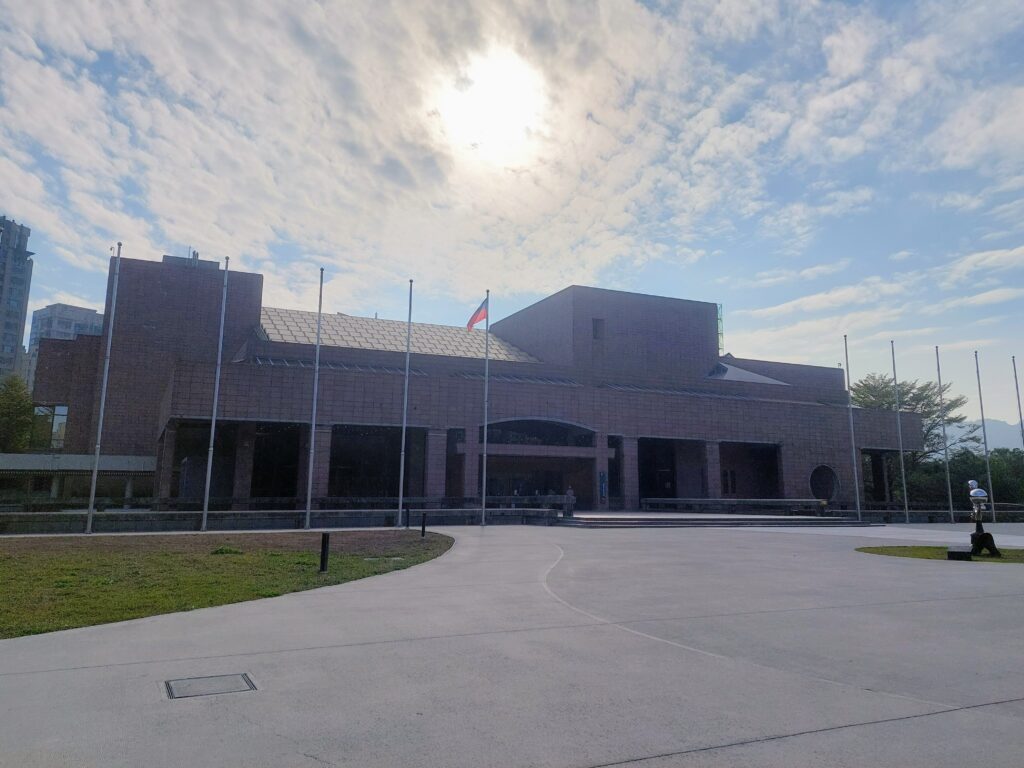
Museum Of Fine Arts: Experience fine art from renowned artists in the museums collections and explore the history of creativity.
Museum Of Fine Arts Read More »
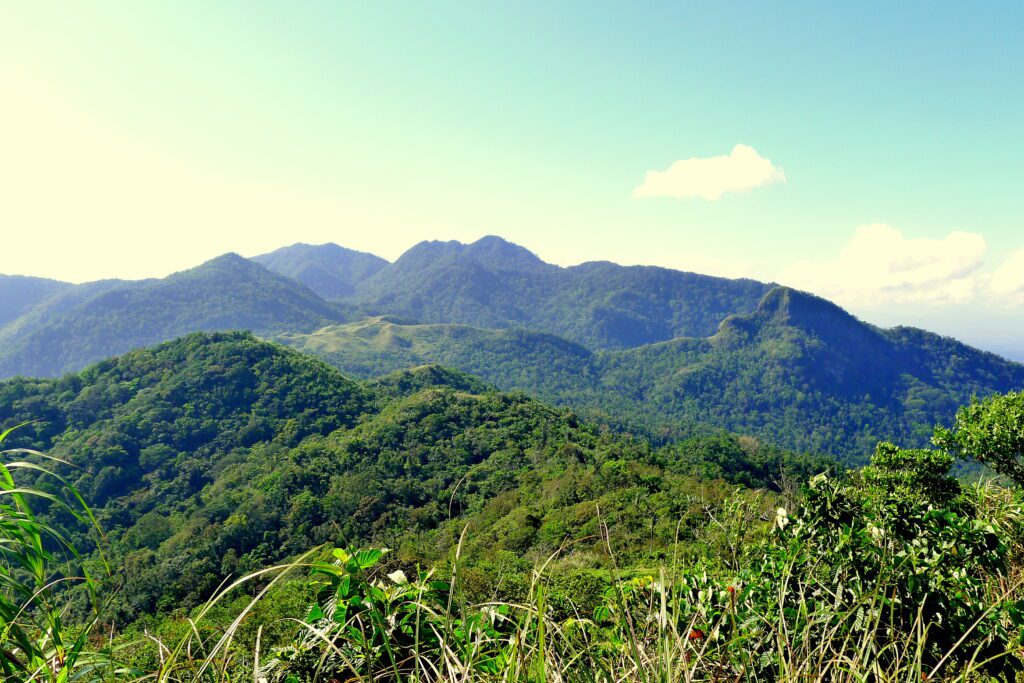
Mt. Manabu: Climb Mt. Manabu for the best views of the Philippines majestic uplands and exceptional wildlife.

Mountain: Discover the wonders of the mountains and explore the outdoor adventures the worlds highest peaks have to offer.
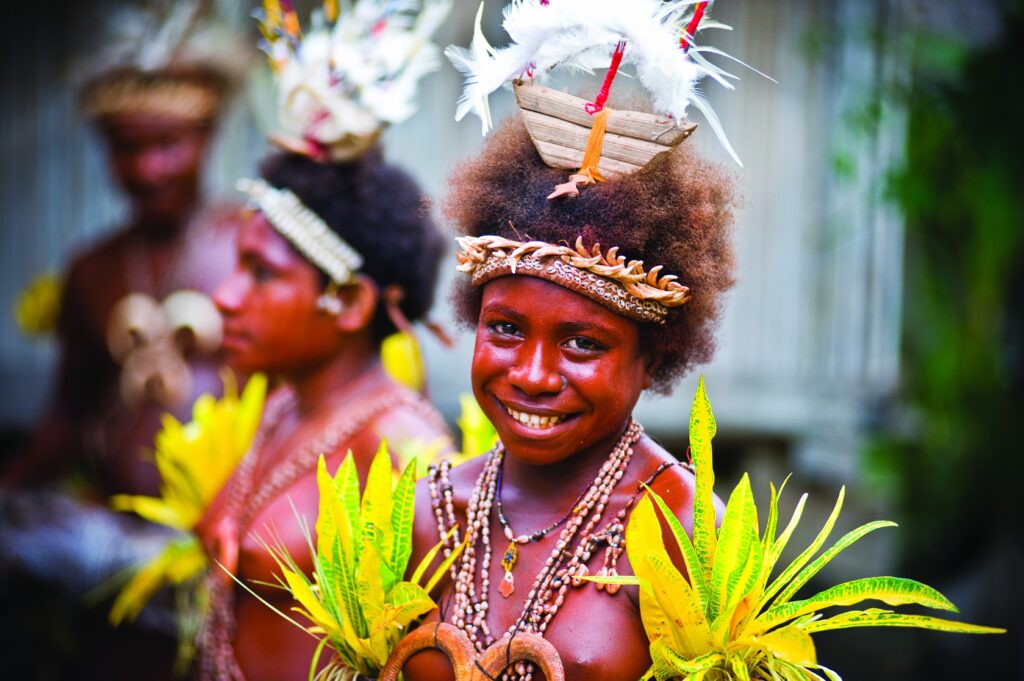
Madang: Experience the diverse culture and landscapes of Madang, a small coastal town located on the northern coast of Papua New Guinea.
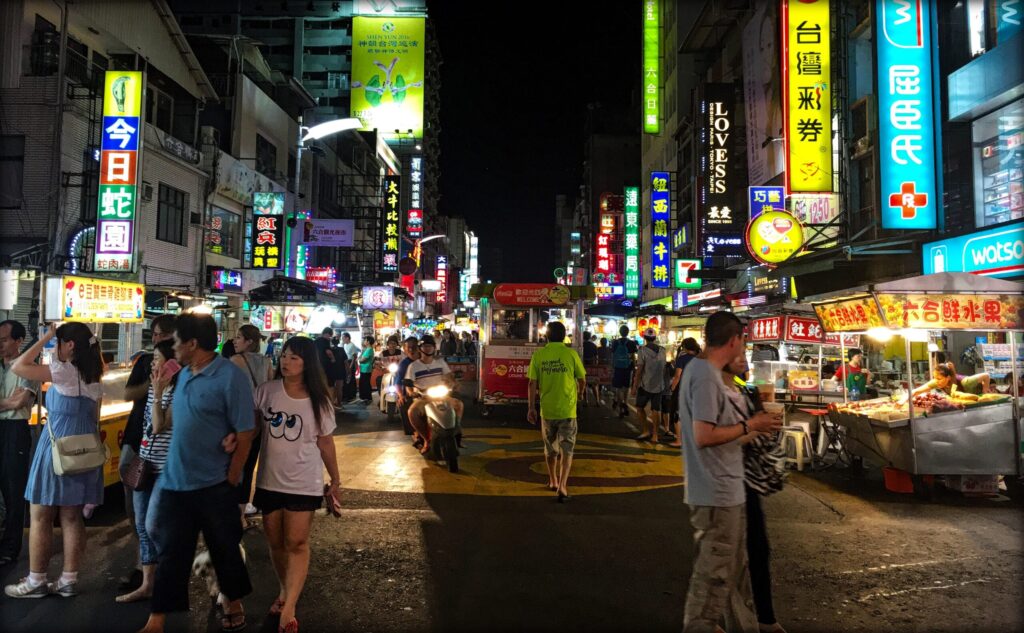
Liuhe Night Market In Kaohsiung: Explore the exotic nightlife of Kaohsiung and discover the unique foods and goods sold at the vibrant Liuhe Night Market.
Liuhe Night Market In Kaohsiung Read More »
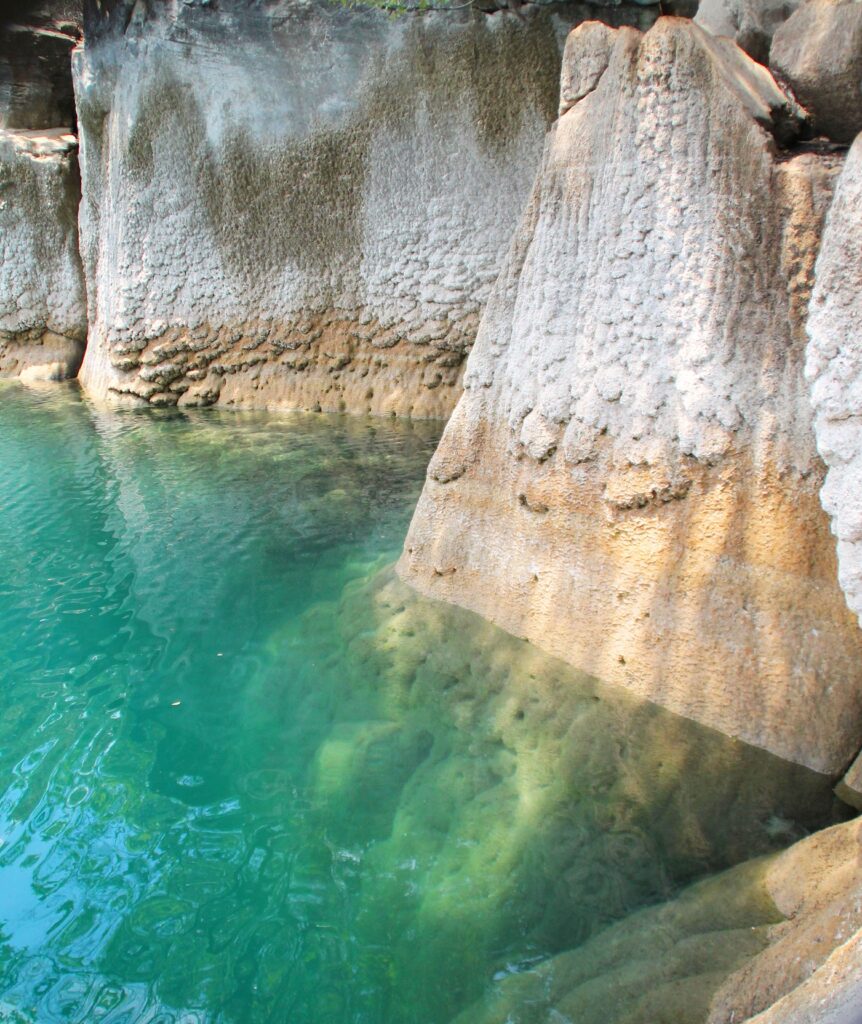
Lake Kashiba: Experience the unique wildlife, recreational activities and cultural attractions of Lake Kashiba.
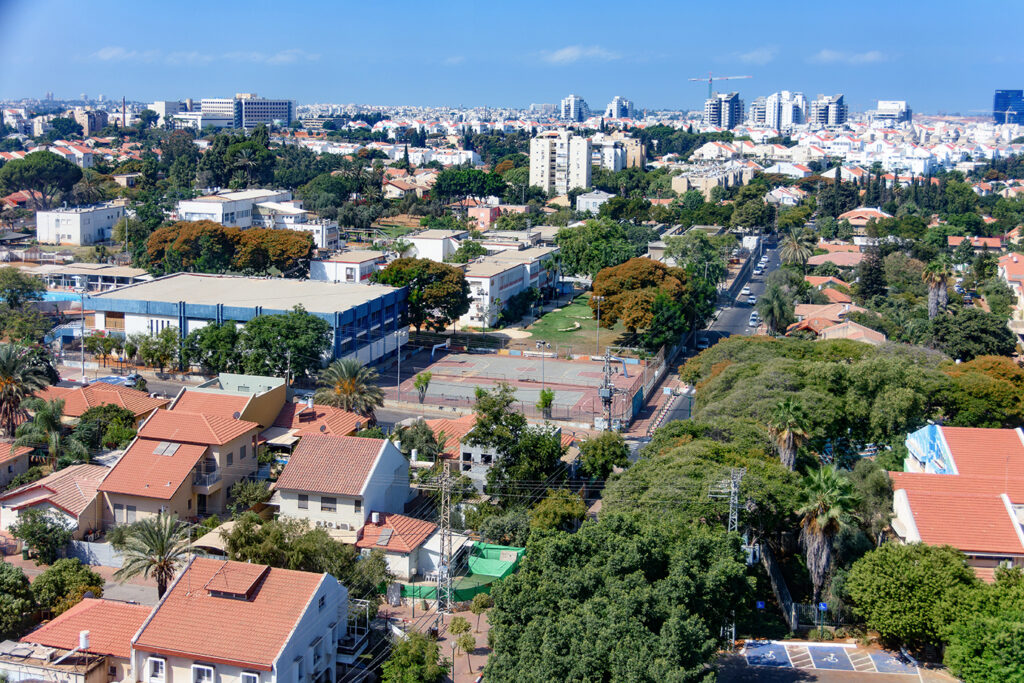
Kfar Saba: Tour the vibrant Israeli city of Kfar Saba, a hub of culture and entertainment.
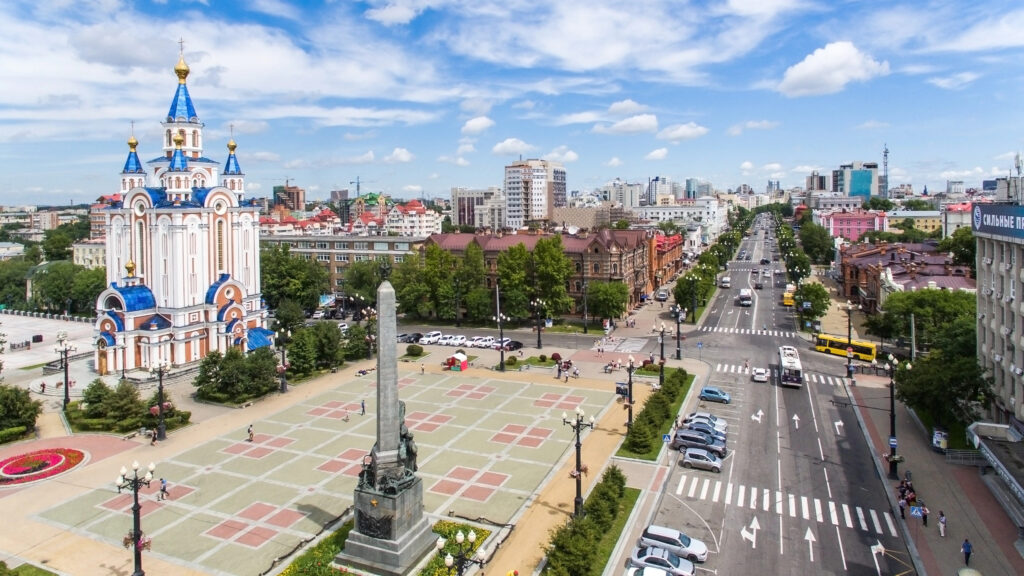
Khabarovsk: Visit the largest city in the Russian Far East and explore the diverse culture of Khabarovsk.