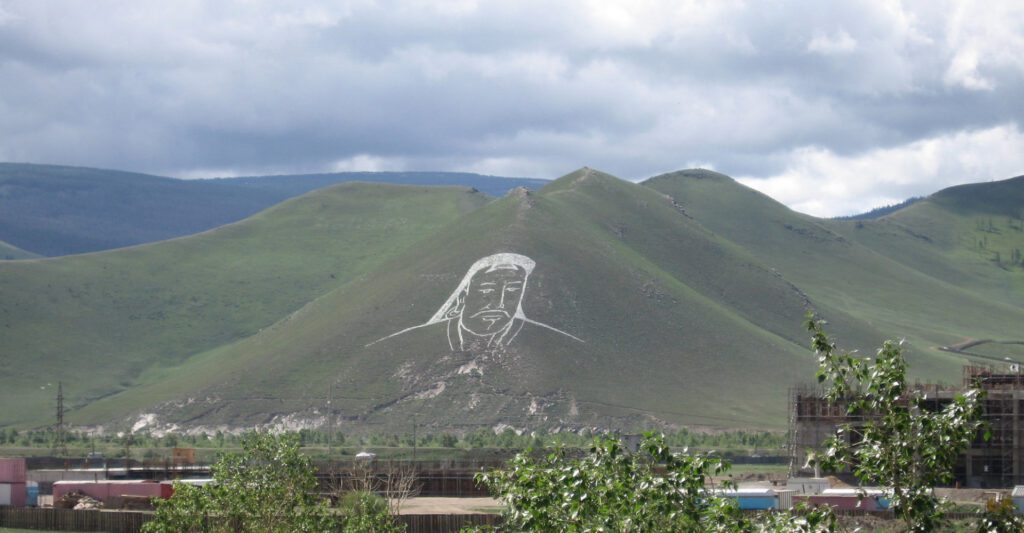
Bogd Khan Mountain
Bogd Khan Mountain: Trek through the rugged landscape of Bogd Khan mountain and admire the stunning views from the summit.
Bogd Khan Mountain Read More »
Mongolia, officially known as the State of Mongolia, is a landlocked country in East and Central Asia. It is bordered by Russia to the north and China to the south, east, and west. Mongolia is the 18th largest country in the world by area, but it is one of the least densely populated, with a population of around 3.3 million people. The capital and largest city is Ulaanbaatar, which is home to nearly half of the country’s population.
Geographically, Mongolia is characterized by its vast steppes, deserts, and mountains. The country has three major mountain ranges: the Altai Mountains in the west, the Khangai Mountains in the central region, and the Khentii Mountains in the northeast. The Gobi Desert, one of the largest deserts in the world, spans much of the southern part of the country. Mongolia experiences a harsh continental climate with long, cold winters and short, warm summers.
Historically, Mongolia is renowned for the rise of the Mongol Empire in the 13th century, led by Genghis Khan, who unified the Mongolian tribes and established one of the largest contiguous empires in history. The Mongol Empire played a significant role in connecting East and West through the Silk Road, facilitating trade, cultural exchange, and communication. After the decline of the Mongol Empire, Mongolia came under the influence of the Qing Dynasty of China until it declared independence in 1911. The country became a socialist state under Soviet influence in the 20th century and transitioned to a democratic republic in 1992 following the collapse of the Soviet Union.
Economically, Mongolia is rich in natural resources, with significant reserves of coal, copper, gold, and other minerals. Mining is a crucial sector of the economy, driving much of the country’s growth and development. Agriculture, particularly livestock herding, is also an important part of the economy and a way of life for many Mongolians. The country is known for its production of cashmere, meat, and dairy products. Efforts to diversify the economy have led to developments in tourism, manufacturing, and services.
Culturally, Mongolia has a rich heritage influenced by its nomadic traditions and Buddhist practices. The majority of Mongolians are ethnic Mongols, and the official language is Mongolian, written in the Cyrillic script. Tibetan Buddhism is the predominant religion, and many monasteries and temples are spread throughout the country. Mongolia’s nomadic culture is evident in its traditional dwellings, known as gers (yurts), and its festivals, such as Naadam, which features traditional sports like wrestling, horse racing, and archery.
Mongolian music, dance, and art reflect its historical and cultural influences. Throat singing, or “khoomei,” and the morin khuur (horsehead fiddle) are distinctive elements of Mongolian music. Traditional crafts, such as felt-making, embroidery, and leatherwork, are also significant aspects of the cultural heritage.
Mongolia faces various challenges, including economic dependence on mining, environmental issues, and the need for infrastructure development. The country is working to address these challenges through policies aimed at sustainable development, environmental conservation, and economic diversification.
Despite its challenges, Mongolia’s vast landscapes, rich cultural heritage, and unique way of life make it a fascinating and resilient nation. The country’s commitment to preserving its traditions while embracing modernization continues to shape its identity and future. Mongolia’s strategic location and abundant natural resources position it as an important player in the region, with opportunities for growth and development in the years ahead.
Bogd Khan Mountain: Trek through the rugged landscape of Bogd Khan mountain and admire the stunning views from the summit.
Bogd Khan Mountain Read More »
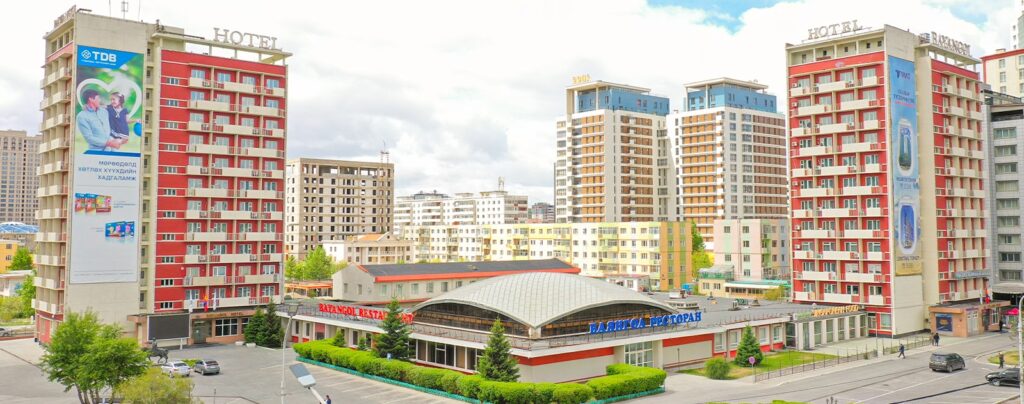
Bayangol: Uncover the exciting cultural history and fascinating natural landscapes of the Bayangol region.
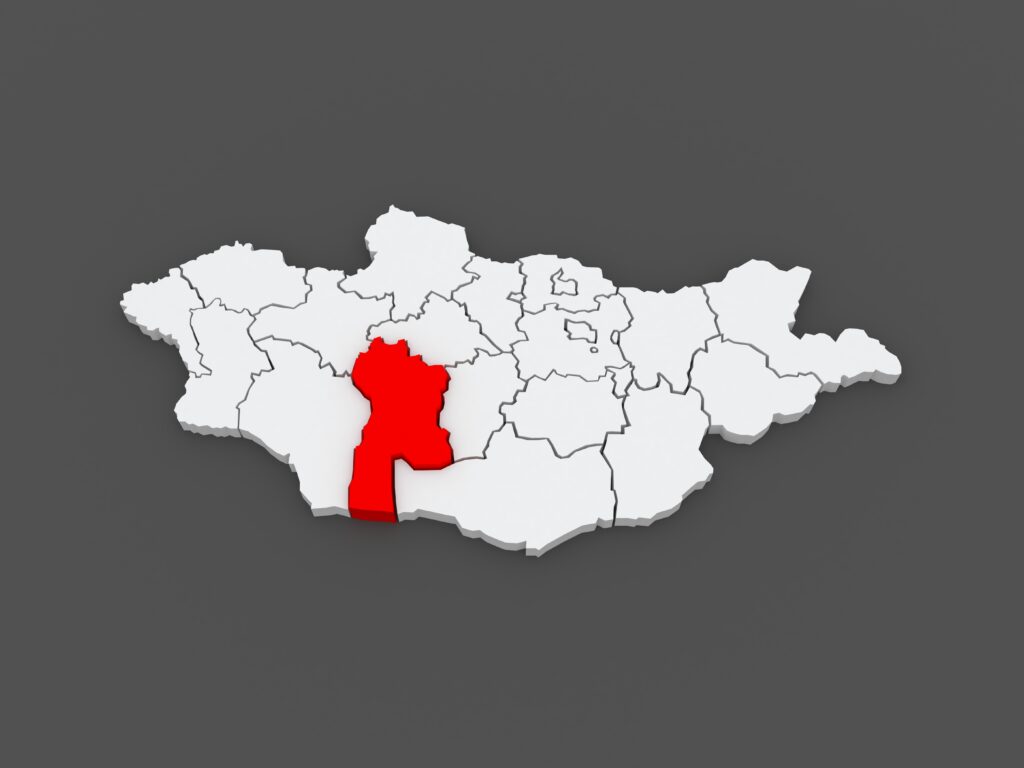
Bayankhongor: Experience the unique culture and traditional way of life in the city of Bayankhongor.
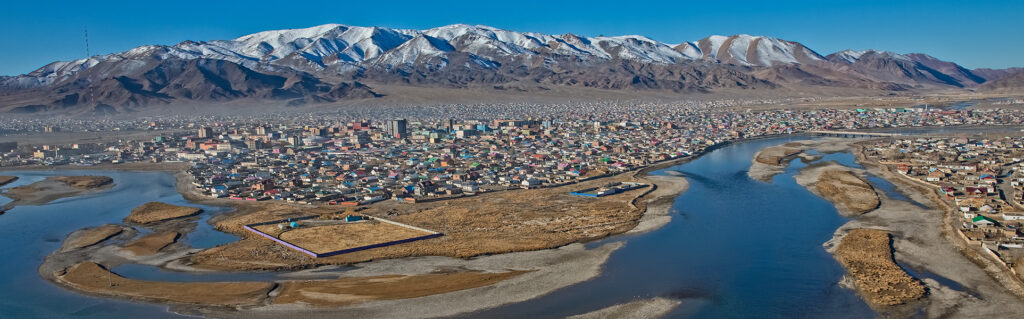
Bayan-Ölgii: Discover the unique Kazakh nomadic culture, gorgeous landscapes, and rugged mountains of Bayan-Ölgii province.

Baldan Bereeven Monastery: Discover the cultural and religious significance of Baldan Bereeven Monastery, a 17th-century monastery located in Mongolia.
Baldan Bereeven Monastery Read More »
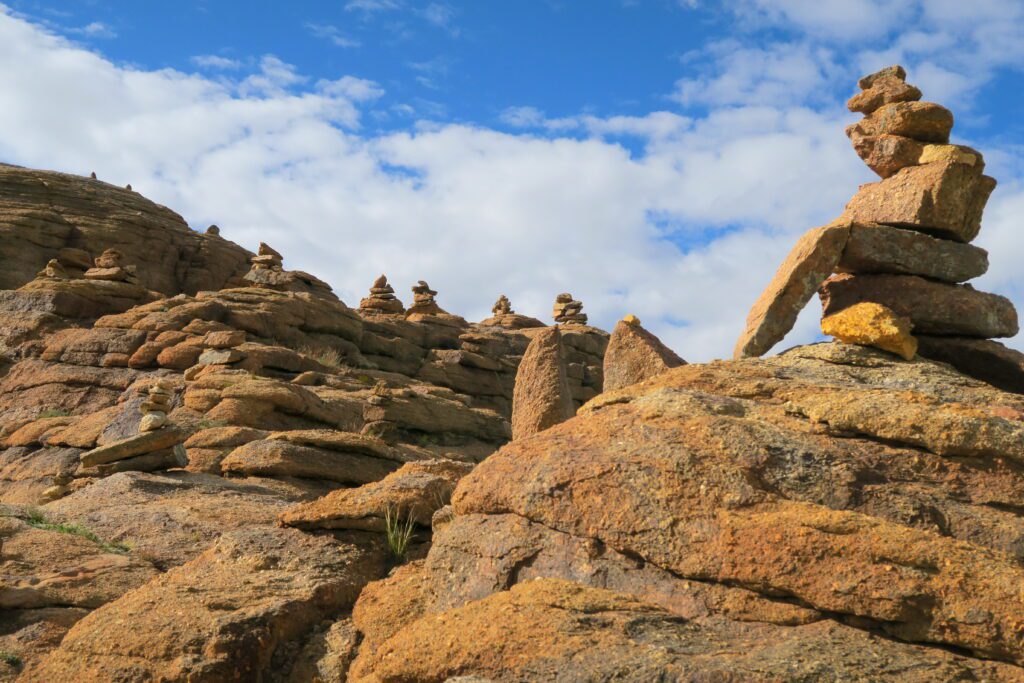
Baga Gazriin Chuluu: Visit the secluded beauty of Baga Gazriin Chuluu, a protected area rocky outcrops and ancient lava fields.
Baga Gazriin Chuluu Read More »
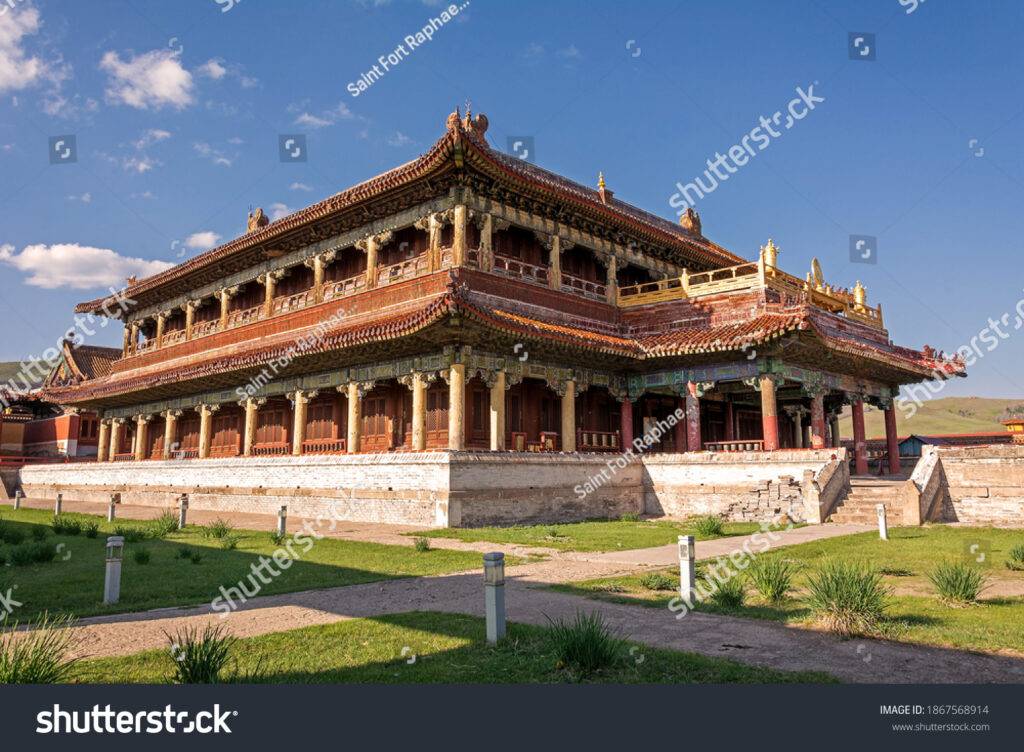
Amarbayasgalant Monastery: Explore the fascinating religious and cultural wonders of the Amarbayasgalant Monastery in Mongolia.
Amarbayasgalant Monastery Read More »
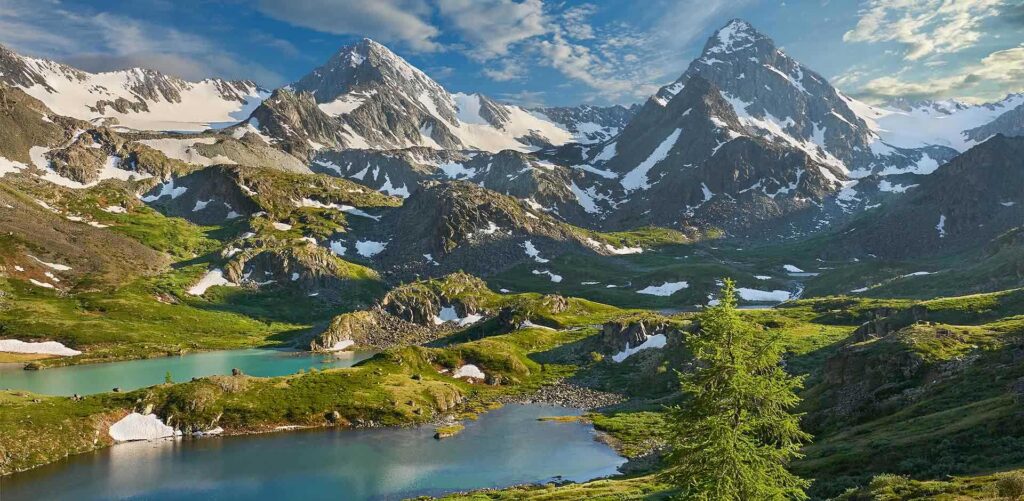
Altai Mountains: Get to know the incredible natural beauty of the Altai Mountains, located in Central and East Asia’s border region.
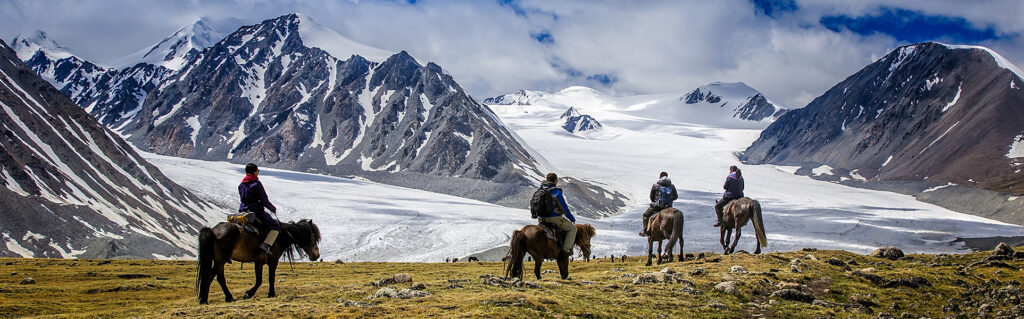
Altai Tavan Bogd National Park: Explore the natural wonders of one of the most magnificent parks in Mongolia, Altai Tavan Bogd National Park.
Altai Tavan Bogd National Park Read More »