
Introduction
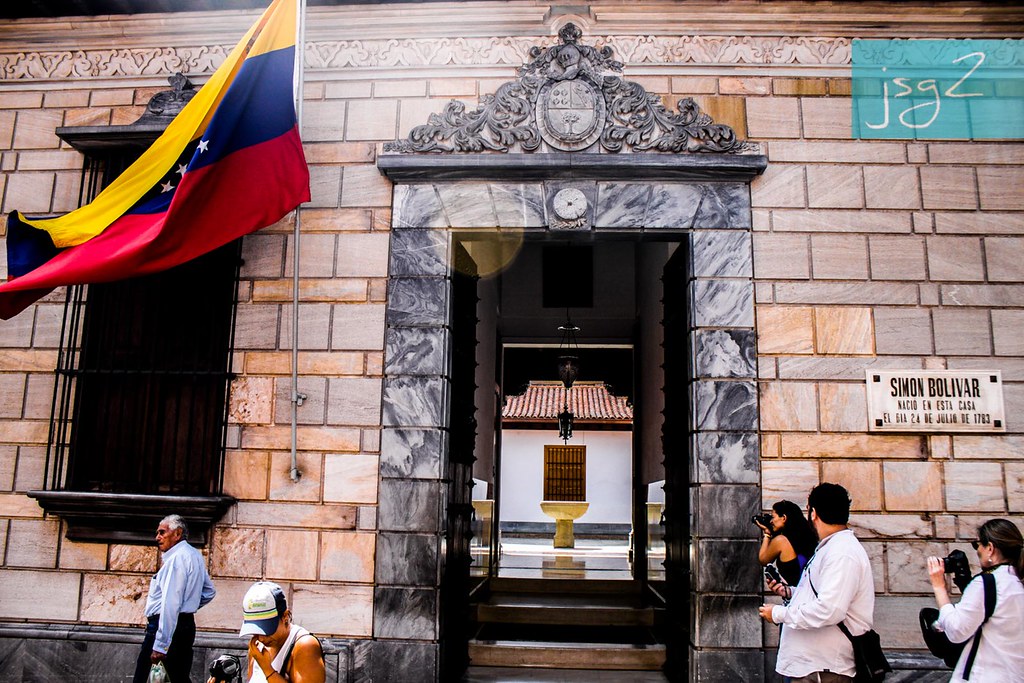
The Casa Natal de Simón Bolívar – or the Birthplace of Simón Bolívar – is a historical site and museum in Caracas, Venezuela, honoring the life and legacy of the great South American liberator. It is one of the most important places in the history of the country and is a testament to the life and work of this influential leader.
At the Casa Natal de Simón Bolívar, visitors can learn about the liberator’s life and gain insight into the historical context in which he lived. This article explores the history of the house, its significance in Venezuelan history, and the various activities available to visitors.
History of the Casa Natal de Simón Bolívar
The Casa Natal de Simón Bolívar was built in 1787 and was the birthplace of Simón Bolívar, the Venezuelan military and political leader who led the independence of several South American countries. The house was originally owned by the Ponte family, who were wealthy landowners in the area. In 1799, Bolívar’s father, Juan Vicente Bolívar, purchased the house, and it became the childhood home of Simón Bolívar.
The house has remained largely unchanged since Bolívar was born there in 1783. In 1925, the Venezuelan government declared the house a national monument, and in 1937 it was opened to the public as a museum.
Significance of the Casa Natal de Simón Bolívar
The Casa Natal de Simón Bolívar is a symbol of the Venezuelan people’s struggle for independence and a testament to the legacy of the great liberator. It is a reminder of the hard-fought struggle for freedom and democracy that Bolívar and his compatriots endured.
The house is also a reminder of the great social and political reform that Bolívar and his allies brought to South America. His efforts to bring about social justice for all citizens of the new independent countries laid the foundations for the modern democracies of the region.
What to See and Do at the Casa Natal de Simón Bolívar
The Casa Natal de Simón Bolívar is a museum and historical site, offering visitors a chance to learn about the life and legacy of the great liberator. The museum contains a collection of artifacts related to Bolívar, including letters, books, and personal items.
Visitors can also explore the house, which has been preserved in its original condition since Bolívar was born there. There are several rooms to explore, including Bolívar’s bedroom and the library, as well as a garden and courtyards.
In addition to the museum and house, the site also offers guided tours, educational programs, and special events. These events include lectures, musical performances, and theatrical productions.
Conclusion
The Casa Natal de Simón Bolívar is an important historical site and museum in Caracas, Venezuela. It is a symbol of the struggle for independence and a testament to the legacy of the great liberator. Visitors to the museum can learn about Bolívar’s life and gain insight into the historical context in which he lived. The museum also offers guided tours, educational programs, and special events, providing an engaging and informative experience for all who visit.