
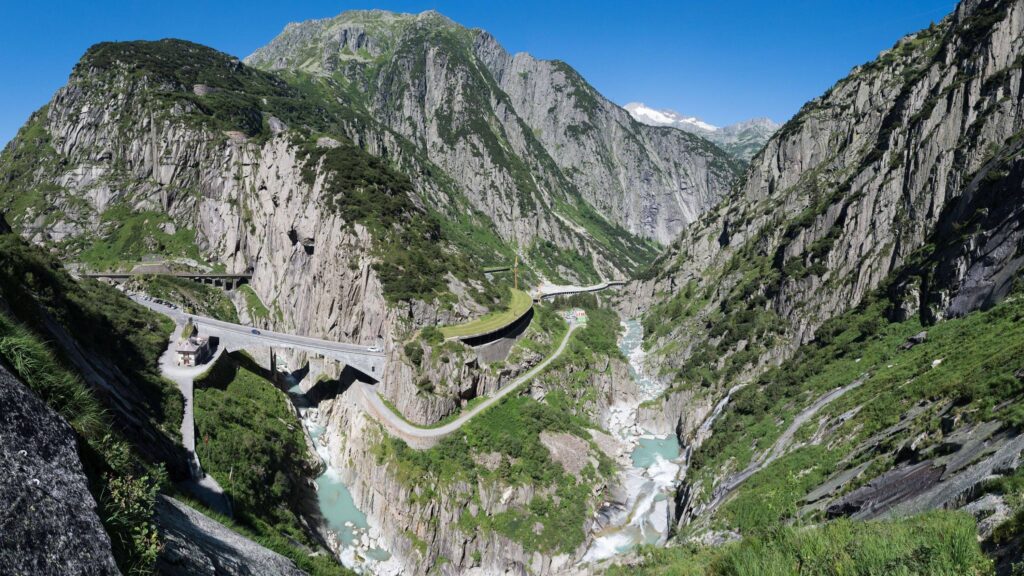
Teufelsbrucke
Teufelsbrucke: Uncover the thrilling history of the legendary bridge in the German town of Bernkastel-Kues.
Germany, officially known as the Federal Republic of Germany, is a country located in Central Europe. It is bordered by Denmark to the north, Poland and the Czech Republic to the east, Austria to the southeast, Switzerland to the south, France to the southwest, Luxembourg and Belgium to the west, and the Netherlands to the northwest. The capital and largest city is Berlin.
Germany has a rich and complex history that has significantly influenced the course of European and world events. The region was inhabited by various Germanic tribes during antiquity and later became a central part of the Holy Roman Empire, which lasted from the early Middle Ages until 1806. The 19th century saw the unification of numerous independent German states into the German Empire in 1871 under Prussian leadership.
The 20th century was particularly tumultuous for Germany. Following defeat in World War I, the Weimar Republic was established, but economic hardship and political instability led to the rise of Adolf Hitler and the Nazi regime. World War II, initiated by Nazi Germany, resulted in widespread devastation and the Holocaust. Germany was defeated in 1945, leading to its division into East Germany (controlled by the Soviet Union) and West Germany (supported by the Western Allies).
The fall of the Berlin Wall in 1989 and the subsequent reunification of Germany in 1990 marked a significant turning point. Since reunification, Germany has become a leading economic and political power in Europe and the world.
Germany is known for its highly developed economy, which is the largest in Europe and the fourth-largest in the world. Key industries include automotive manufacturing, engineering, chemicals, electronics, and renewable energy. German companies like Volkswagen, Siemens, and BMW are global leaders in their respective fields. The country is also renowned for its commitment to environmental sustainability and green technologies.
Culturally, Germany has made immense contributions to art, music, philosophy, literature, and science. It is the birthplace of classical composers such as Johann Sebastian Bach, Ludwig van Beethoven, and Richard Wagner. German philosophers like Immanuel Kant, Friedrich Nietzsche, and Karl Marx have had a profound impact on Western thought. The country is also known for its rich literary tradition, with figures like Johann Wolfgang von Goethe and Thomas Mann.
Germany is famous for its cultural festivals and traditions, including Oktoberfest, a world-famous beer festival held in Munich, and its Christmas markets, which attract visitors from around the globe. German cuisine features hearty dishes such as sausages, schnitzel, and sauerkraut, along with a variety of regional specialties.
Berlin, the capital, is a vibrant city known for its historical sites, such as the Brandenburg Gate, the Berlin Wall Memorial, and Museum Island. Other major cities include Munich, known for its beer culture and beautiful architecture, and Frankfurt, a global financial hub.
Germany’s education system is highly regarded, with a strong emphasis on research and development. The country is home to many world-class universities and research institutions.
Overall, Germany is a country with a rich cultural heritage, a strong economy, and a significant influence on global affairs. Its blend of historical depth and modern innovation makes it a unique and dynamic nation at the heart of Europe.
Teufelsbrucke: Uncover the thrilling history of the legendary bridge in the German town of Bernkastel-Kues.
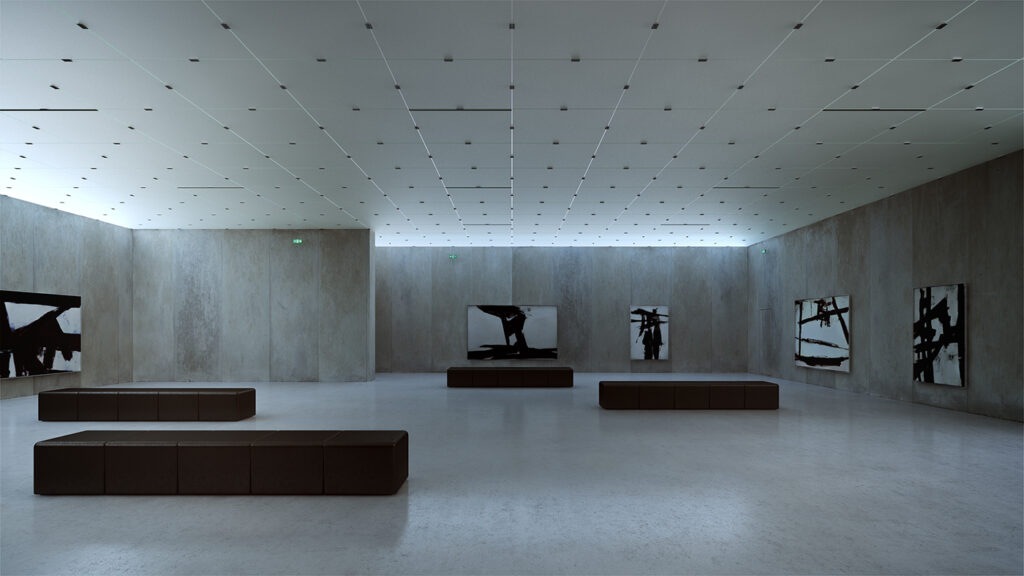
Visit the stunning Bregenz Art Museum, a premier Austrian cultural landmark in the city of Bregenz.
Bregenz Art Museum Read More »
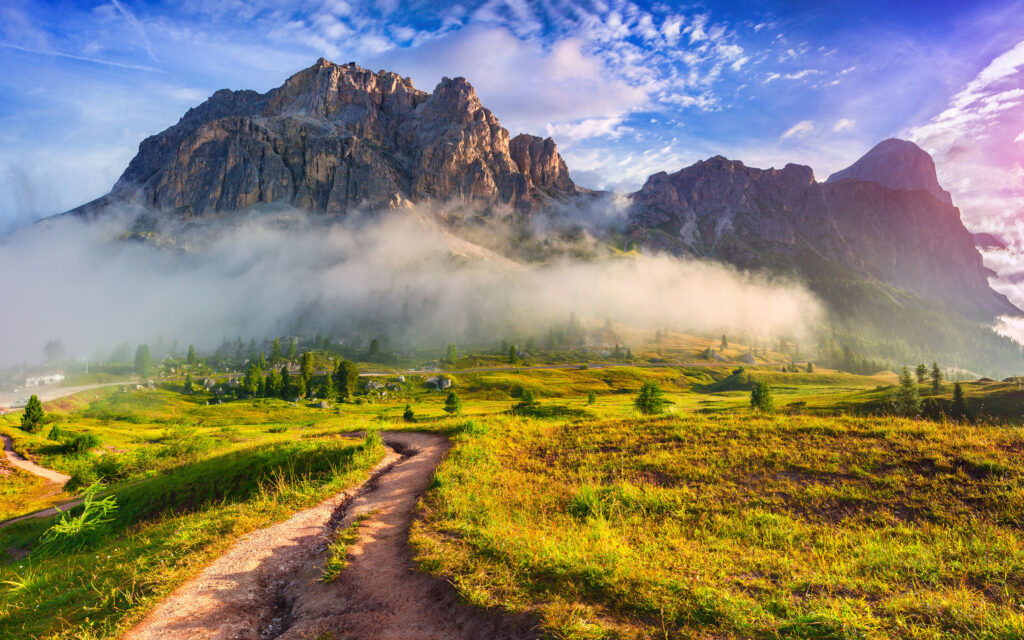
Stunning Mountain Range: Visit the awe inspiring mountain range, renowned for its beauty and stunning views.
Stunning Mountain Range Read More »
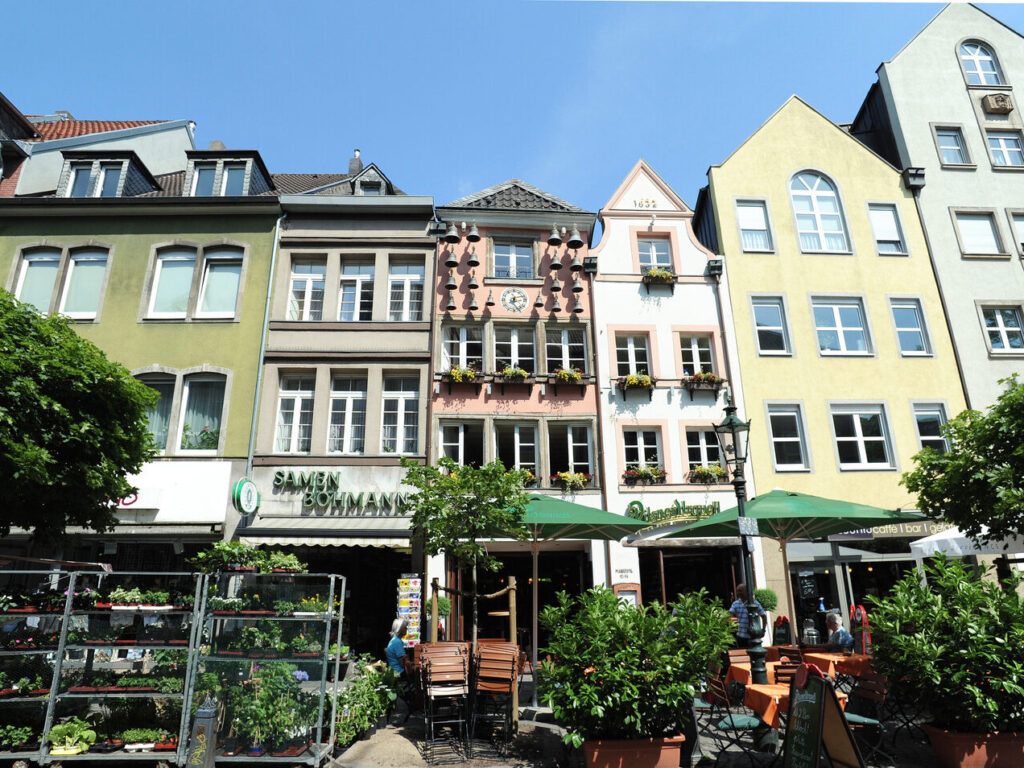
Düsseldorf’s Altstadt: Explore the historical Altstadt district of Düsseldorf, a UNESCO World Heritage site home to centuries of culture and heritage.
Düsseldorf’s Altstadt Read More »
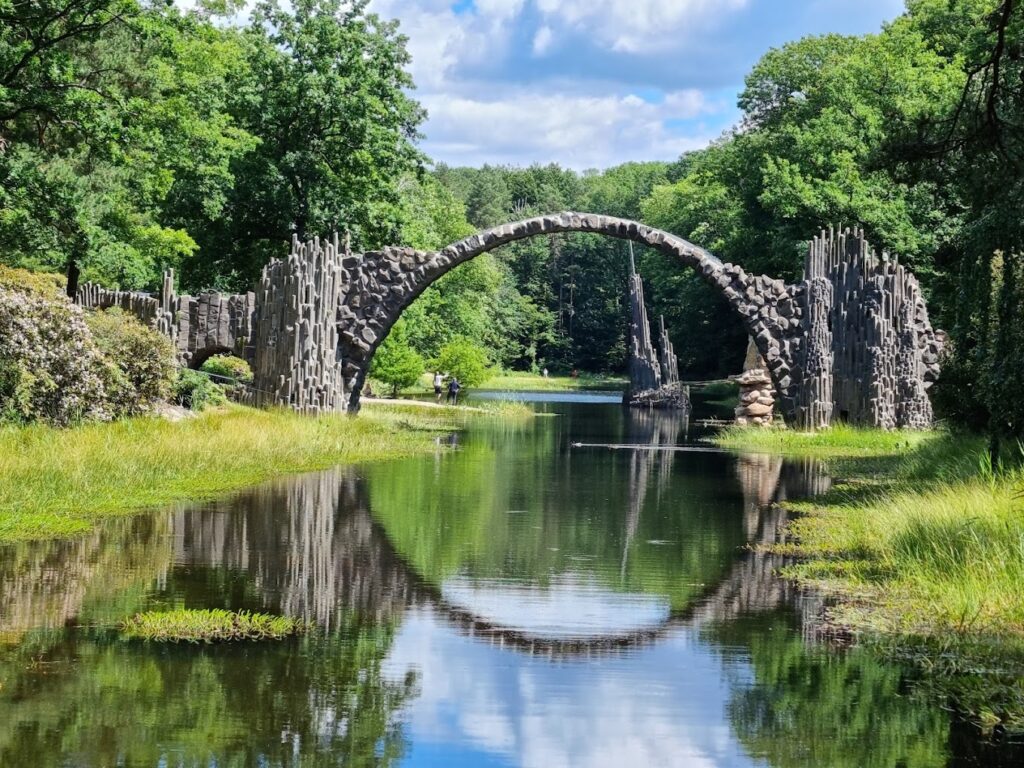
Die Rakotzbrücke: Germany’s Enchanting Devil’s Bridge Nestled in the picturesque Kromlau Park in Saxony, Germany, lies a marvel of architectural and natural beauty: Die Rakotzbrücke, also known as the Devil’s Bridge. This stunning 19th-century bridge, with its unique construction and reflection, creates a perfect circle with the water below, making it a subject of intrigue
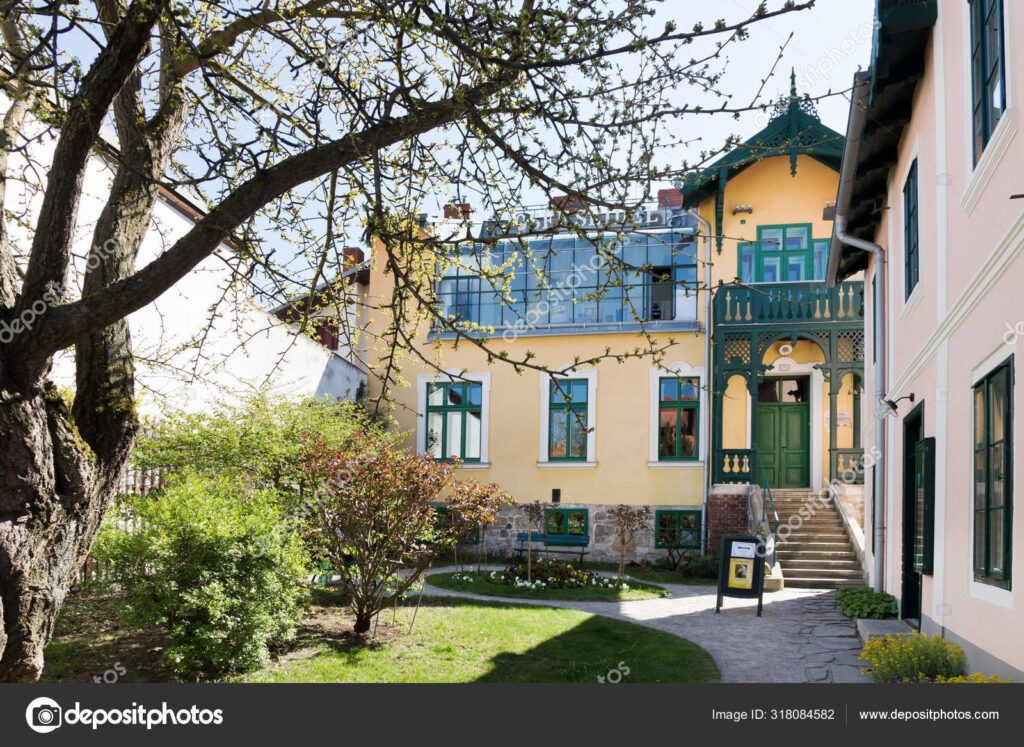
Seidel Photo Studio Museum: Visit the landmark Seidel Photo Studio Museum and learn about the history of photography in Wisconsin.
Seidel Photo Studio Museum Read More »
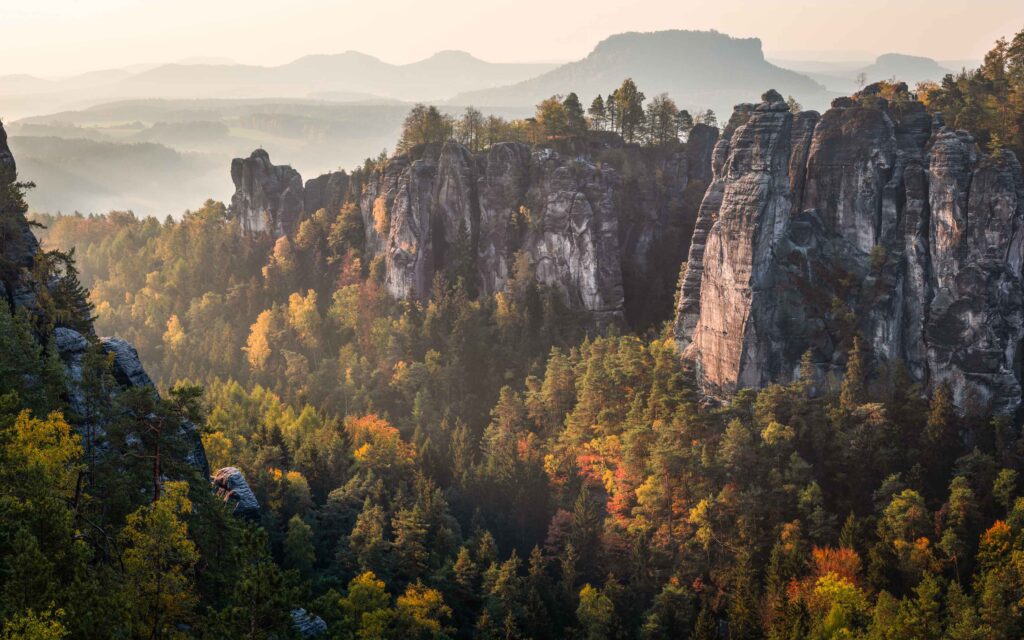
Saxon Switzerland National Park: Get the scoop on Saxon Switzerland National Park, a stunning landscape of unique natural features and cultural opportunities.
Saxon Switzerland National Park Read More »
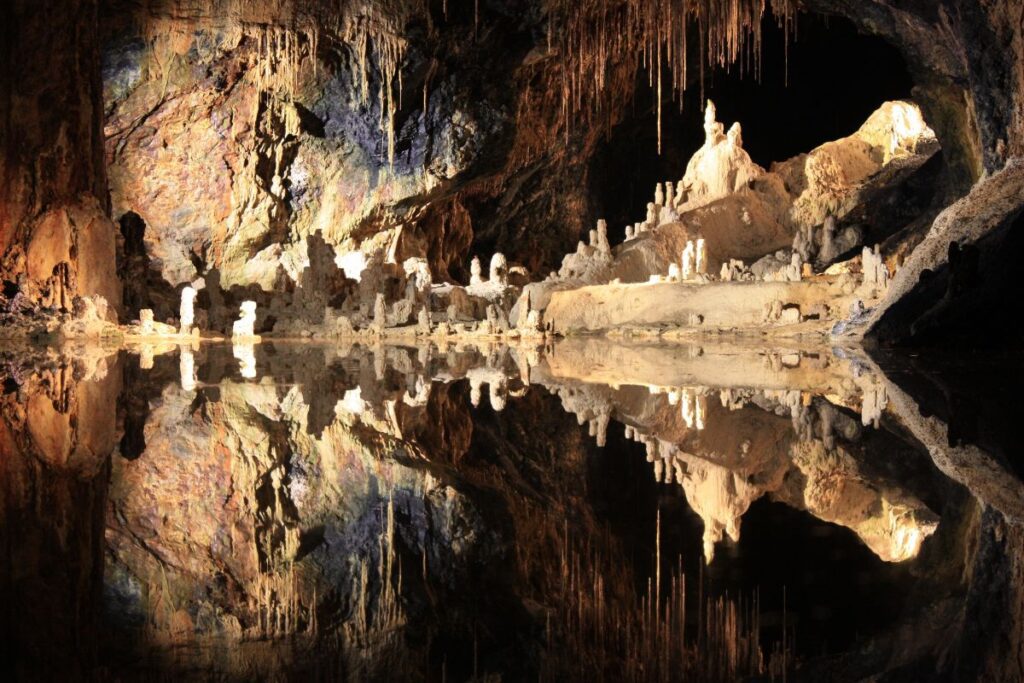
Saalfeld Fairy Grottoes: Explore the hidden world inside Saalfelds mysterious caves and passageways, filled with unique and fascinating rock formations.
Saalfeld Fairy Grottoes Read More »
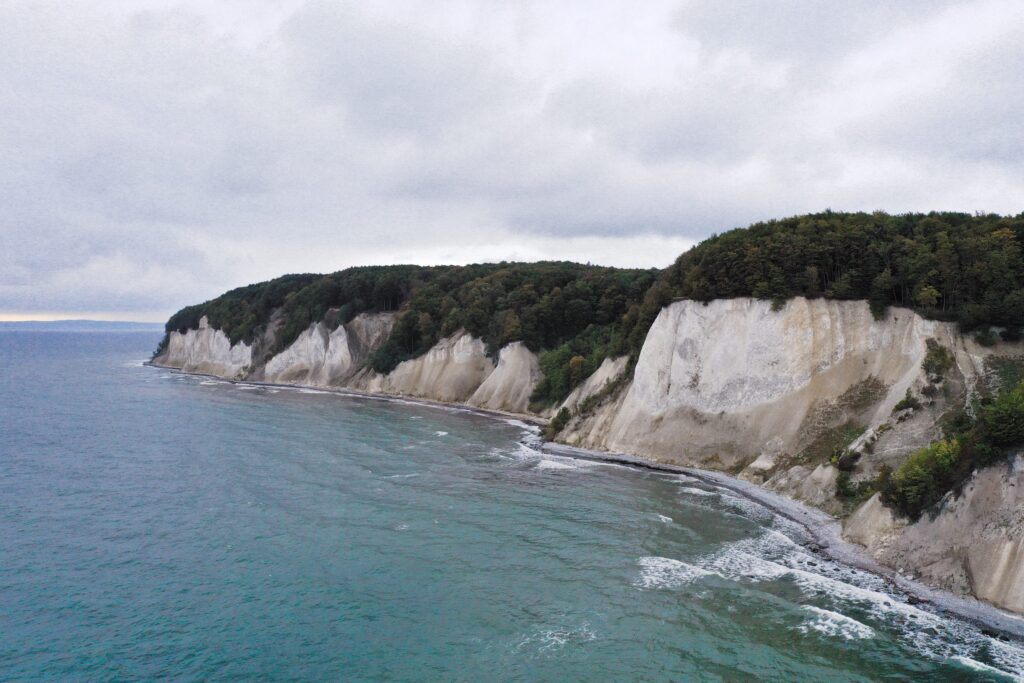
Rügen Cliffs: Admire the magnificent beauty of the Rügen Cliffs, a stunning coastal formation along the Baltic Sea coastline in Germany.
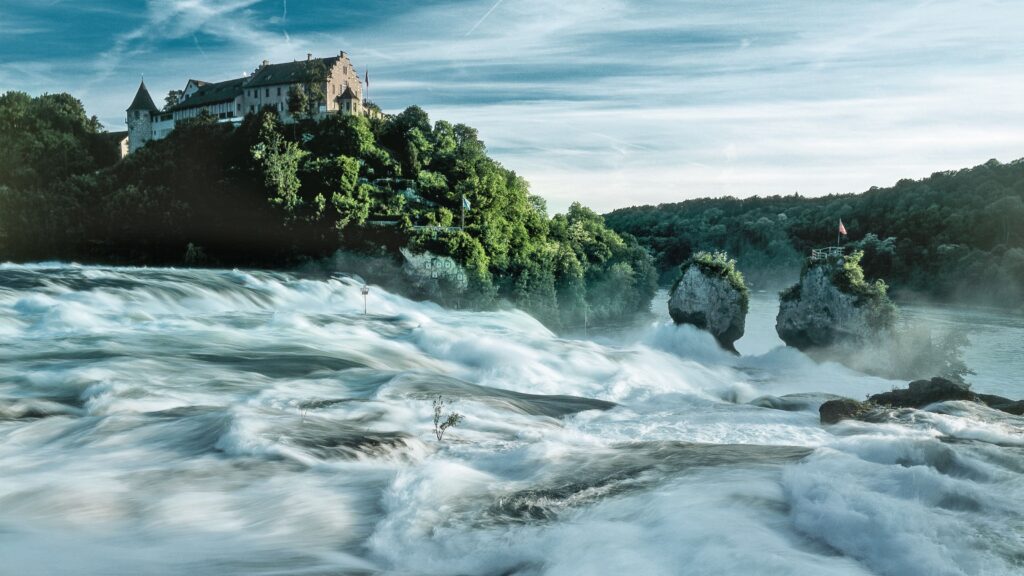
Rheinfall: Explore world-famous waterfalls at Rheinfall, one of Europes most awe-inspiring natural wonders.