
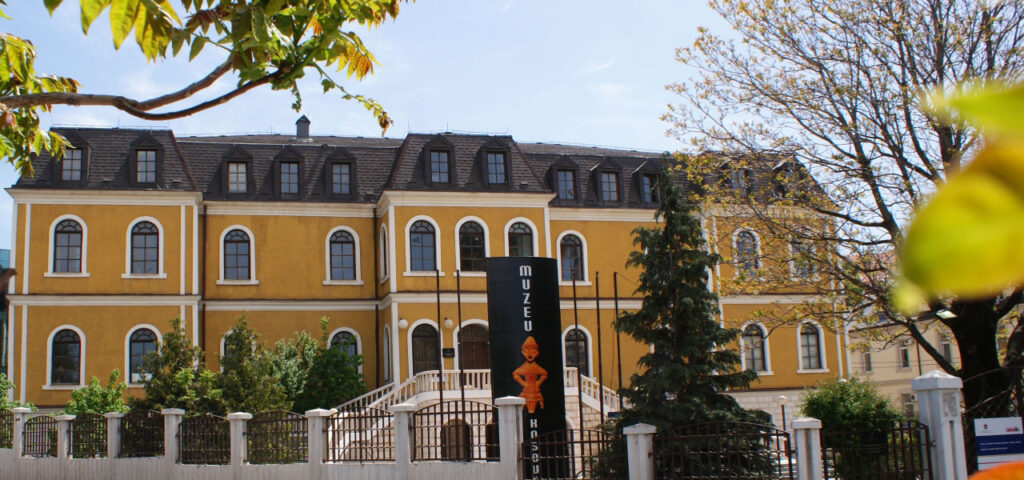
Museum Of Kosovo
Museum Of Kosovo – Uncover a unique cultural heritage that combines elements of the Albanian and Ottoman Empires at this museum.
Kosovo, officially known as the Republic of Kosovo, is a partially recognized country in Southeast Europe. It declared independence from Serbia in 2008, but its sovereignty is still disputed, with Serbia and several other countries not recognizing it as an independent state. It is bordered by Serbia to the north and east, Montenegro to the west, Albania to the southwest, and North Macedonia to the south. The capital and largest city is Pristina.
Kosovo has a complex and turbulent history. The region has been inhabited since the Neolithic era and has seen various cultures and civilizations, including the Illyrians, Romans, Byzantines, and Ottomans. During the Middle Ages, it was an important cultural and political center for the Serbian kingdom, with significant religious and cultural heritage, including monasteries like the Visoki Dečani and Gračanica Monastery, both UNESCO World Heritage sites.
In the late 20th century, Kosovo was part of Yugoslavia and later the Federal Republic of Yugoslavia (Serbia and Montenegro). The late 1990s saw a brutal conflict between the ethnic Albanian majority in Kosovo, who sought independence, and Serbian forces. This culminated in NATO intervention in 1999, leading to a United Nations administration and the eventual declaration of independence in 2008.
Kosovo is characterized by its diverse geography, including mountains, valleys, and rivers. The Shar Mountains in the south and the Kopaonik range in the north are notable features, offering opportunities for outdoor activities like hiking and skiing. The country also has rich agricultural land, particularly in the central plains.
The population of Kosovo is predominantly ethnic Albanian, with significant Serbian, Bosniak, Gorani, Turkish, and Romani communities. This ethnic diversity is reflected in Kosovo’s cultural traditions, cuisine, and languages. Albanian and Serbian are the official languages, and both are used in government and education.
Kosovo’s culture is a blend of various influences, reflecting its historical connections with the Balkans, Ottoman Empire, and more recently, Western Europe. Traditional music, dance, and folklore play an important role in cultural life, with festivals and events celebrating these traditions. Kosovar cuisine features a mix of Albanian, Serbian, Turkish, and Mediterranean flavors, with dishes like flija (layered pastry), burek (filled pastry), and various grilled meats being popular.
Economically, Kosovo is developing, with challenges including high unemployment and limited infrastructure. Key sectors include agriculture, mining, energy, and increasingly, services and information technology. Remittances from the Kosovar diaspora also play a significant role in the economy. The country is working towards greater integration with European and global markets, and it aspires to join the European Union and other international organizations.
Pristina, the capital, is the cultural and economic hub of Kosovo, known for its vibrant street life, cafes, and historical sites such as the National Library, the Ethnographic Museum, and the Newborn Monument, symbolizing the country’s declaration of independence.
Despite political and economic challenges, Kosovo is striving to build a stable and prosperous future. Its youthful population, rich cultural heritage, and natural beauty offer significant potential for development and tourism.
Overall, Kosovo is a country marked by its complex history, diverse culture, and ongoing journey towards full international recognition and development. Its blend of traditional and modern influences makes it a unique and dynamic part of the Balkan region.
Museum Of Kosovo – Uncover a unique cultural heritage that combines elements of the Albanian and Ottoman Empires at this museum.

Vushtrri Castle: Get an insight into medieval life at the Vushtrri Castle in Kosovo, with its ancient architecture and history.
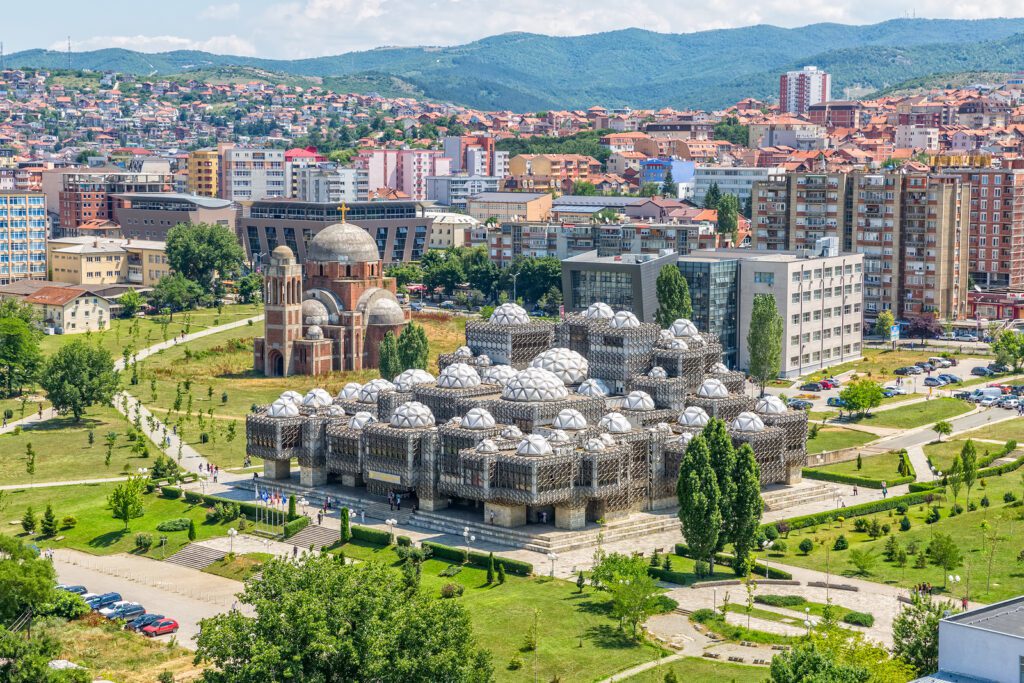
Vushtrri Old Town: Uncover the hidden gems of the quaint and picturesque Vushtrri Old Town in Kosovo, a must-see for history lovers.
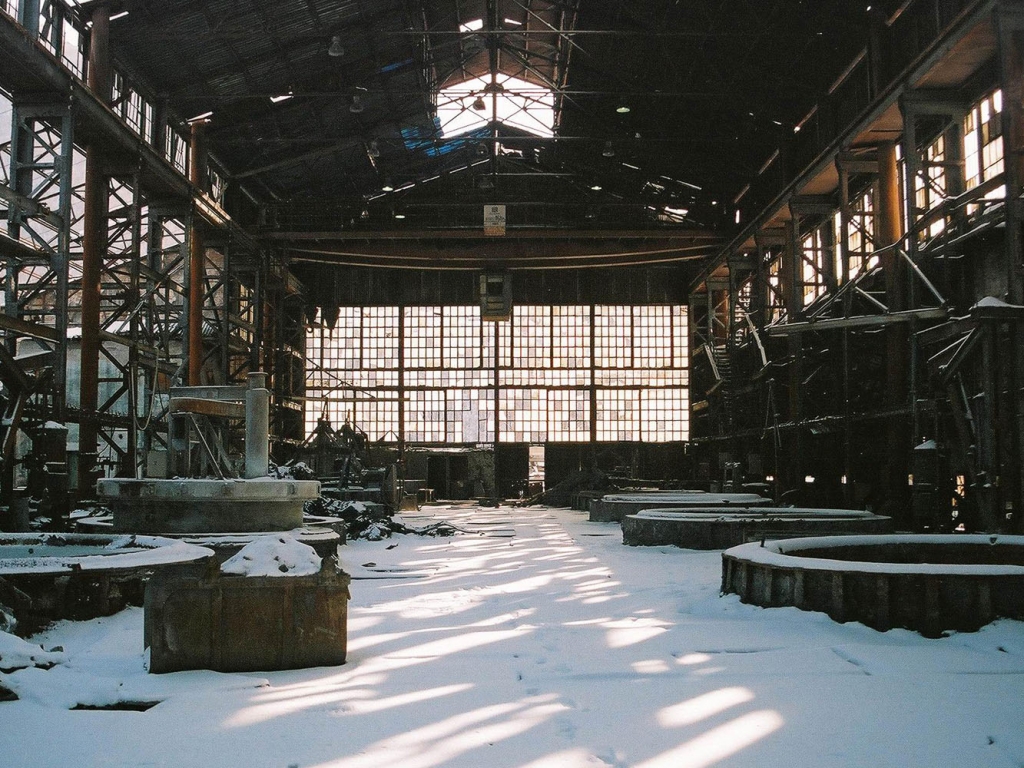
Trepča Mines: Learn about the importance of this immense mining complex in Kosovo, the largest industrial complex of its kind in the Balkans.
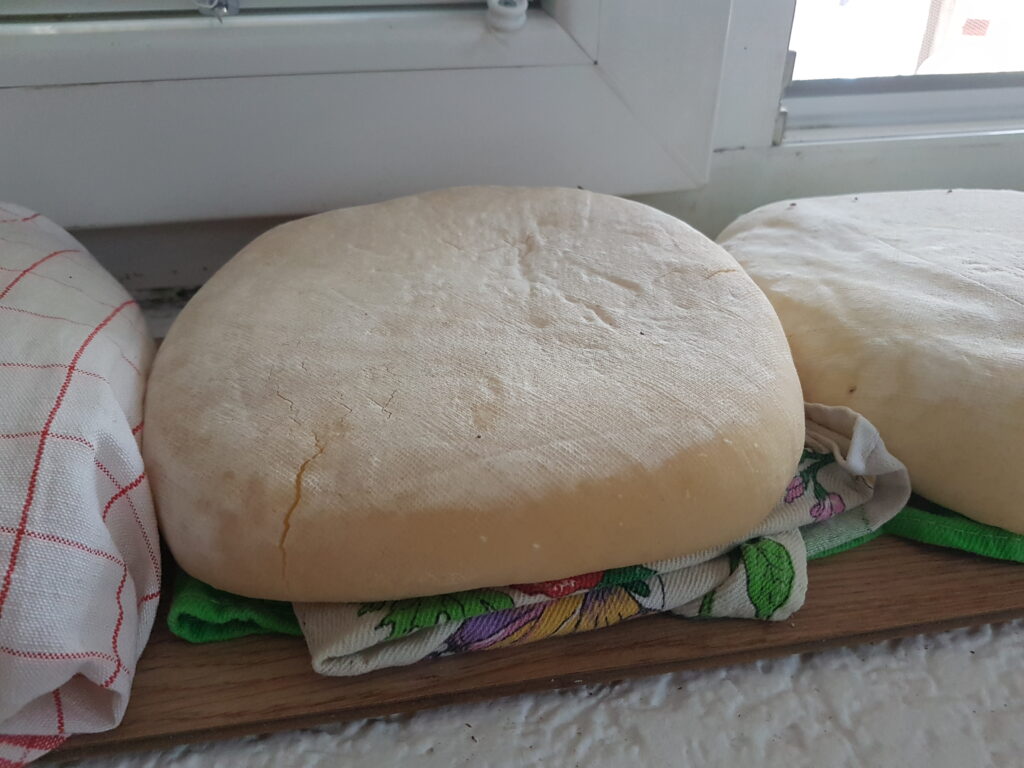
Sharr Cheese Tasting: Visit Sharr Cheese Tasting, a unique cultural experience in Kosovo, and sample some of the country’s tastiest cheeses.
Sharr Cheese Tasting Read More »
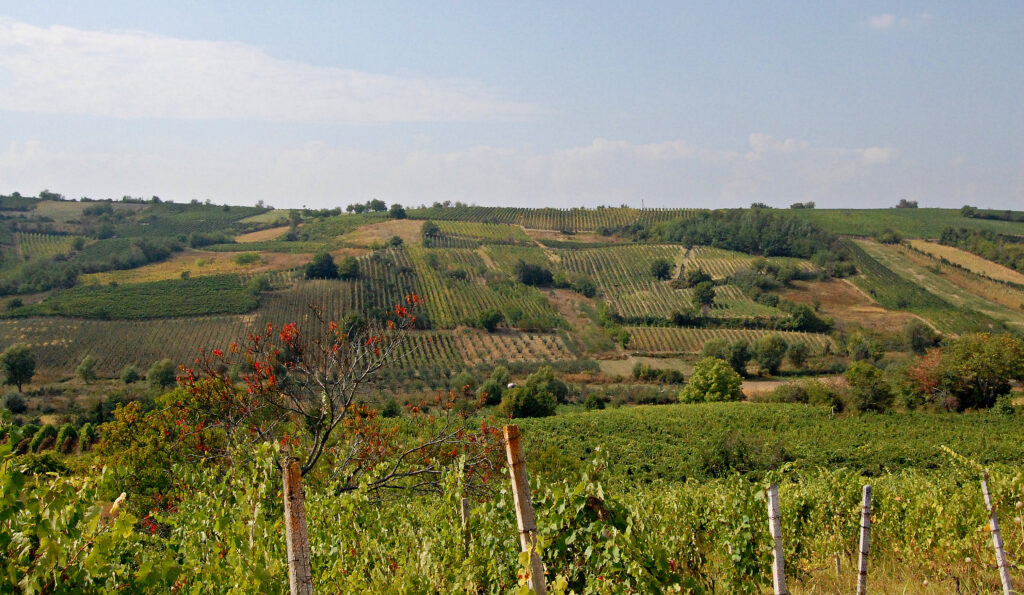
Rahovec Vineyards: Discover the exquisite wines from Rahovec Vineyards in an unforgettable experience.
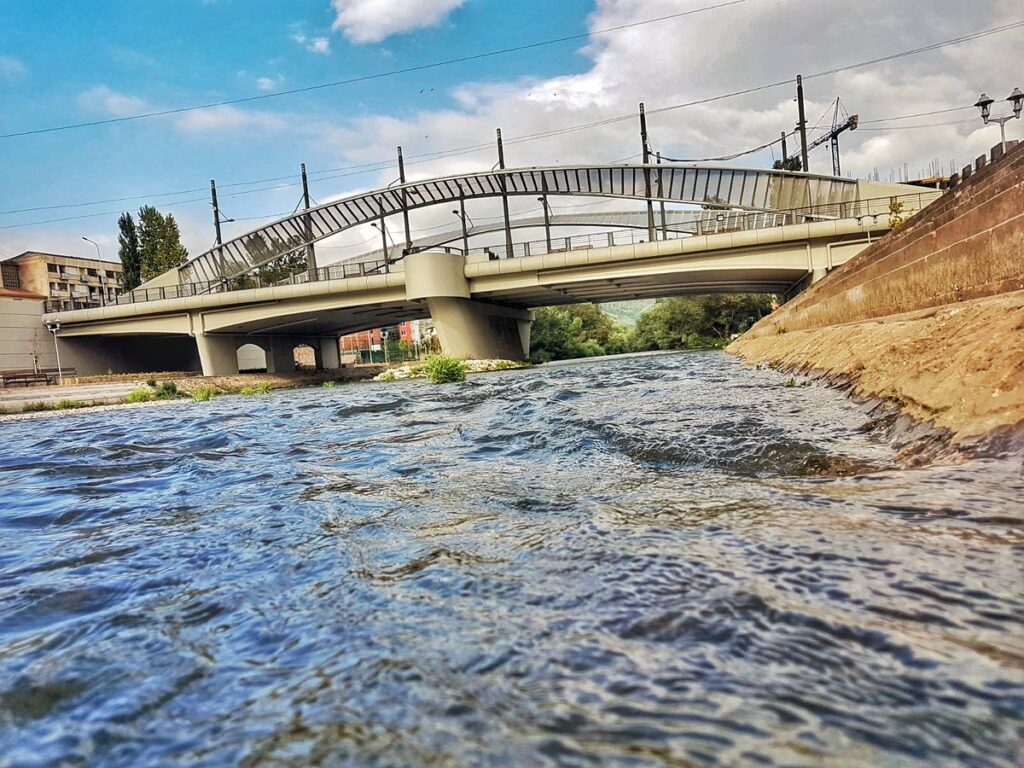
Mitrovica Bridge: Learn more about this iconic symbol of the region – the Mitrovica Bridge that connects north and south Kosova.
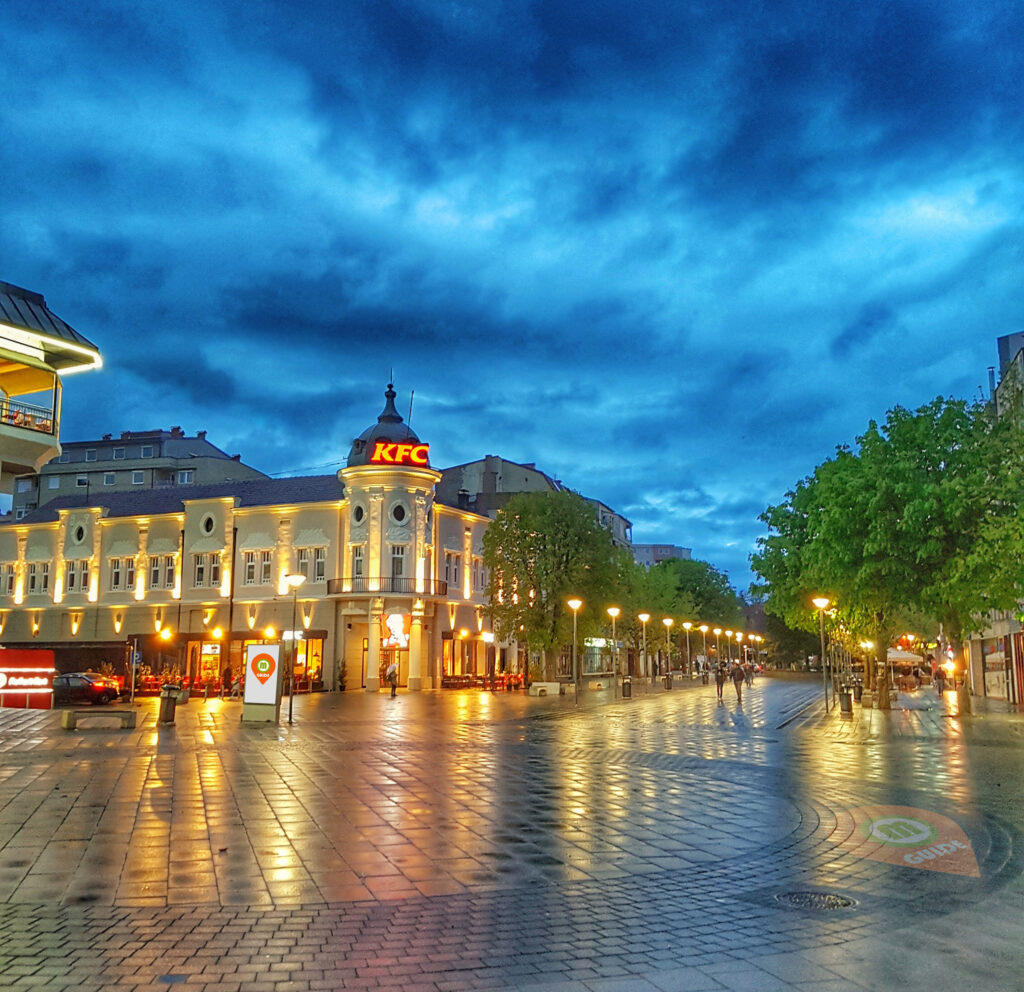
Mitrovica City Tour: Take a guided tour through Mitrovica and uncover the secrets of the oldest city in Kosovo.
Mitrovica City Tour Read More »
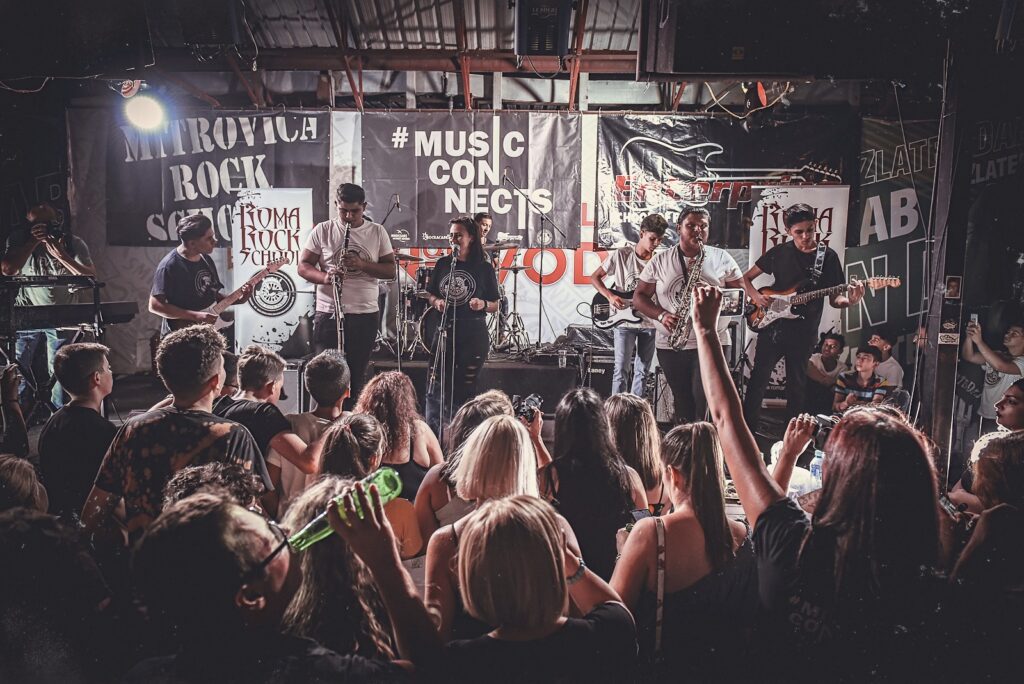
Mitrovica Rock School: Discover a unique way to develop your musical talents and learn more about innovative sound techniques at the Mitrovica Rock School.
Mitrovica Rock School Read More »
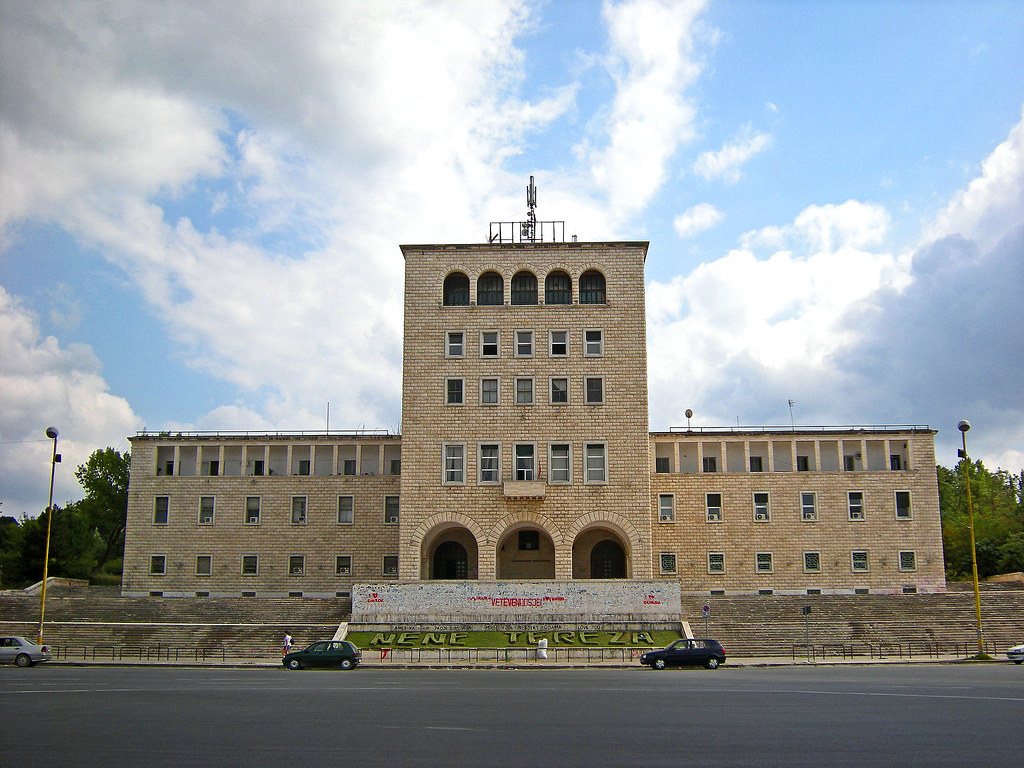
Mother Teresa Square: Learn about the public square in Skopje, Macedonia, named after the saint and Nobel Peace Prize winner, Mother Teresa.
Mother Teresa Square Read More »