
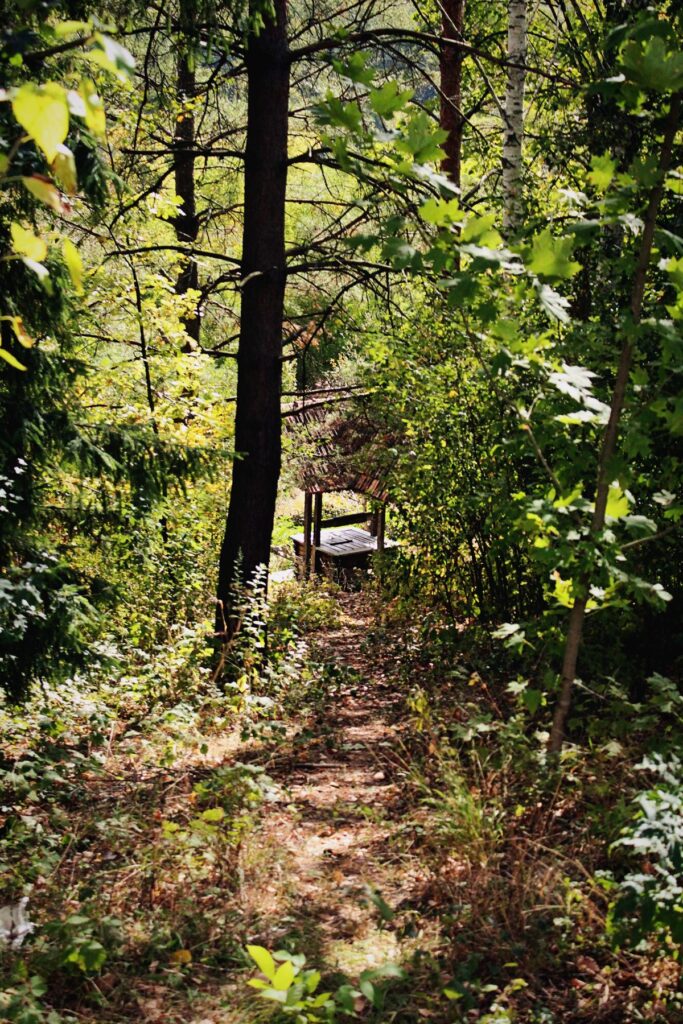
Codru Reserve
Codru Reserve: Visit Codru Reserve in Moldova and explore the wealth of native flora and fauna in this protected area.
Moldova, officially known as the Republic of Moldova, is a landlocked country in Eastern Europe. It is bordered by Romania to the west and Ukraine to the north, east, and south. The capital and largest city is Chișinău.
Moldova has a rich history that dates back to ancient times. The region was inhabited by various cultures, including the Dacians, and later became part of the Roman Empire. During the Middle Ages, the Principality of Moldavia was established, which included territories of present-day Moldova and parts of Romania and Ukraine. In the 19th century, the territory was annexed by the Russian Empire and later became part of Greater Romania after World War I. After World War II, it was incorporated into the Soviet Union as the Moldavian Soviet Socialist Republic. Moldova declared its independence from the Soviet Union in 1991.
Moldova’s geography features rolling hills, plains, and fertile farmland, making it an agricultural hub. The country is known for its vineyards and wine production, which is a significant part of its economy and cultural heritage. The Dniester River is a major geographical feature, flowing through the eastern part of the country.
Chișinău, the capital, is the cultural and economic center of Moldova. The city is known for its green spaces, including numerous parks and gardens, and Soviet-era architecture. Notable landmarks include the Nativity Cathedral, Stephen the Great Monument, and the National Museum of History of Moldova.
Moldovan culture is a blend of Romanian, Russian, and Turkish influences, reflecting its complex history. The official language is Romanian, also referred to as Moldovan in some contexts. Russian is also widely spoken, especially among ethnic minorities.
Traditional Moldovan music and dance are integral to the country’s cultural identity. Folk music, with its lively rhythms and traditional instruments, plays a key role in national celebrations and festivals. Moldova also has a rich tradition of craftsmanship, including pottery, embroidery, and wood carving.
Moldovan cuisine is characterized by its use of fresh, locally sourced ingredients, with an emphasis on vegetables, meats, and dairy products. Traditional dishes include mămăligă (cornmeal porridge), plăcintă (savory or sweet pastry), sarmale (stuffed cabbage rolls), and a variety of soups and stews. Wine is an essential part of the dining experience, with Moldova being one of the oldest wine-producing regions in the world.
Economically, Moldova is one of the poorest countries in Europe, facing challenges such as political instability, corruption, and economic dependency on agriculture and remittances from Moldovans working abroad. Efforts are being made to diversify the economy and attract foreign investment, particularly in sectors like information technology and manufacturing.
Moldova has a complex political landscape, with ongoing tensions related to the breakaway region of Transnistria, which declared independence in 1990 but is not recognized by the international community. The country seeks closer integration with the European Union while maintaining ties with Russia.
Despite its challenges, Moldova is a country with a rich cultural heritage, scenic landscapes, and a strong sense of national identity. Its traditions, cuisine, and wine production make it a unique destination in Eastern Europe, offering a glimpse into a blend of historical influences and contemporary aspirations.
Codru Reserve: Visit Codru Reserve in Moldova and explore the wealth of native flora and fauna in this protected area.
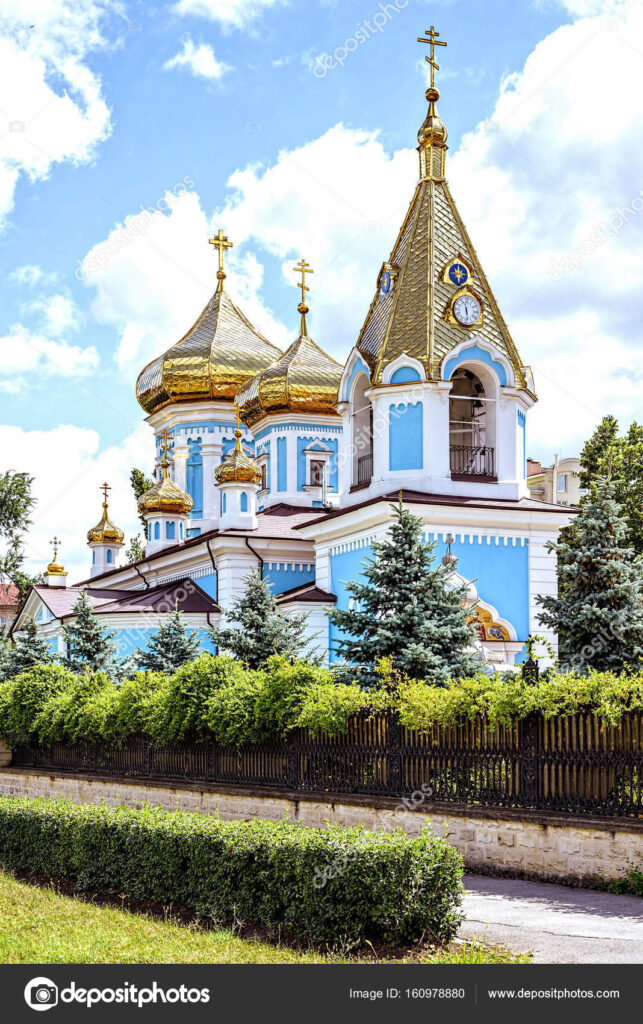
Ciuflea Monastery: Explore the awe-inspiring history and architecture of Ciuflea Monastery, a prominent landmark of Romania.
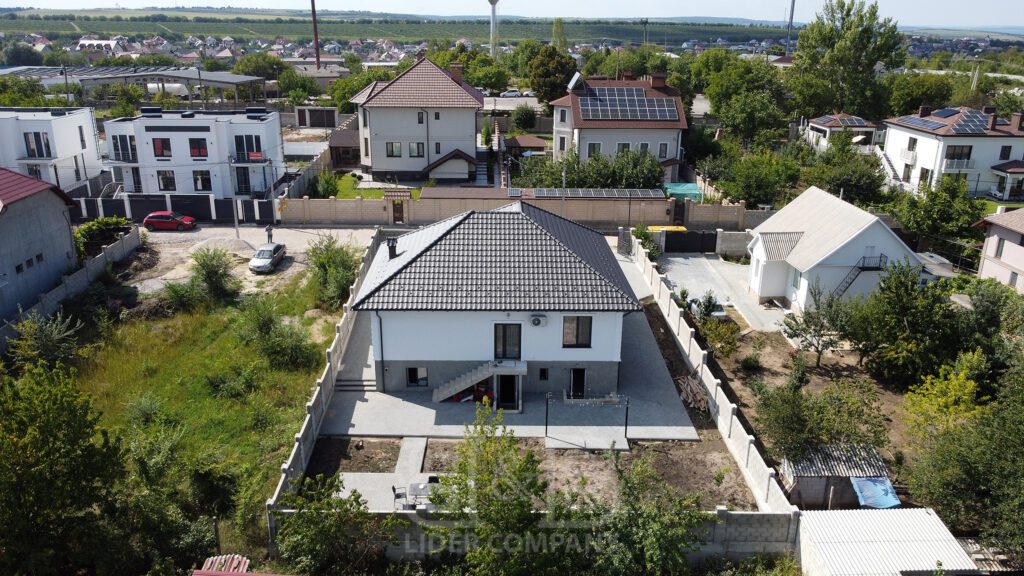
Ciorescu: Discover the picturesque traditional village of Ciorescu in Moldova, known for its cobbled streets and peaceful atmosphere.

Ciocana District: Explore the vibrant city of Chişinău’s Ciocana district, from its rich cultural and architectural heritage to the modern amenities and attractions.
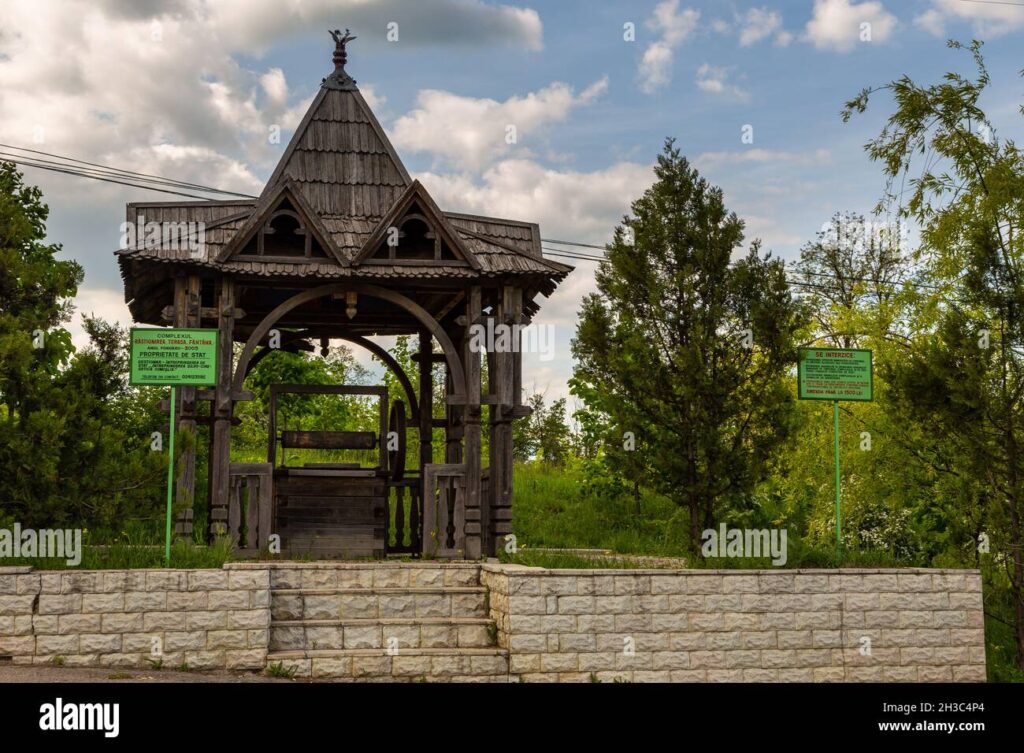
Cimislia: Get to know this Moldovan town, and the unique cultural heritage found within it.
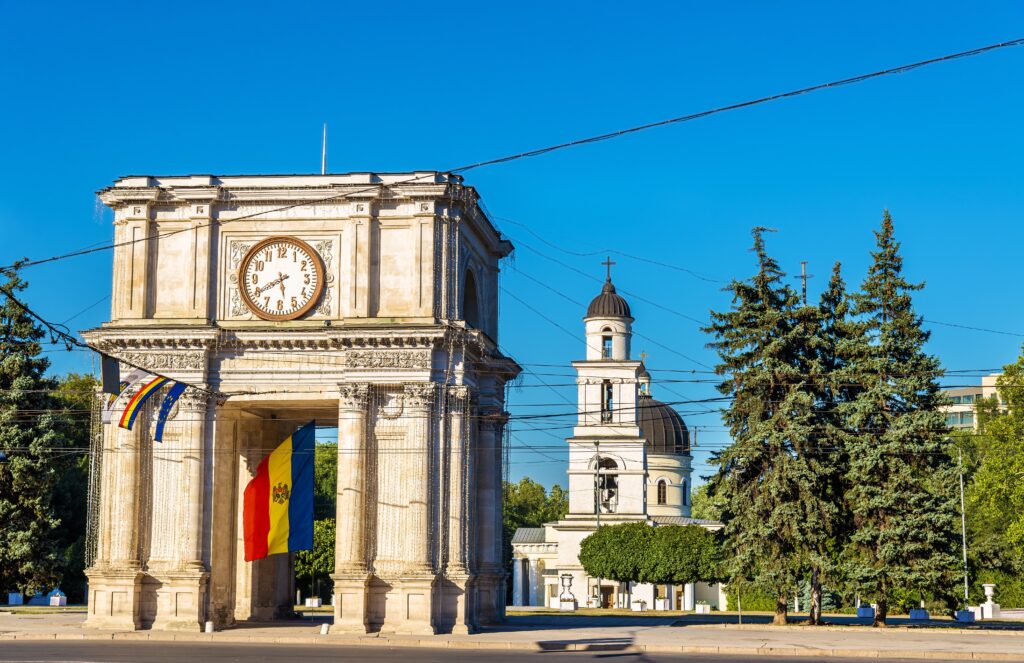
Chisinau Triumphal Arch: Explore the Triumphal Arch, a monument of Chisinau in Moldova renowned as the symbol of the countrys independence.
Chisinau Triumphal Arch Read More »
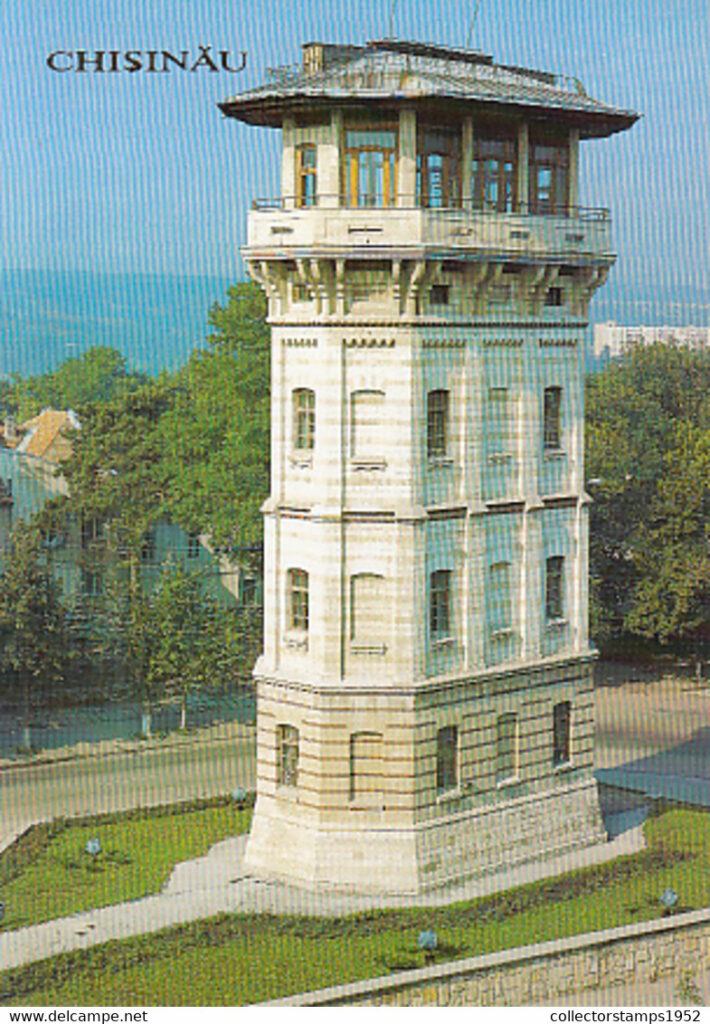
Chisinau Water Tower: Learn about Chisinau Water Tower, an iconic monument in the city offering magnificent views of the city and surrounding scenery.
Chisinau Water Tower Read More »
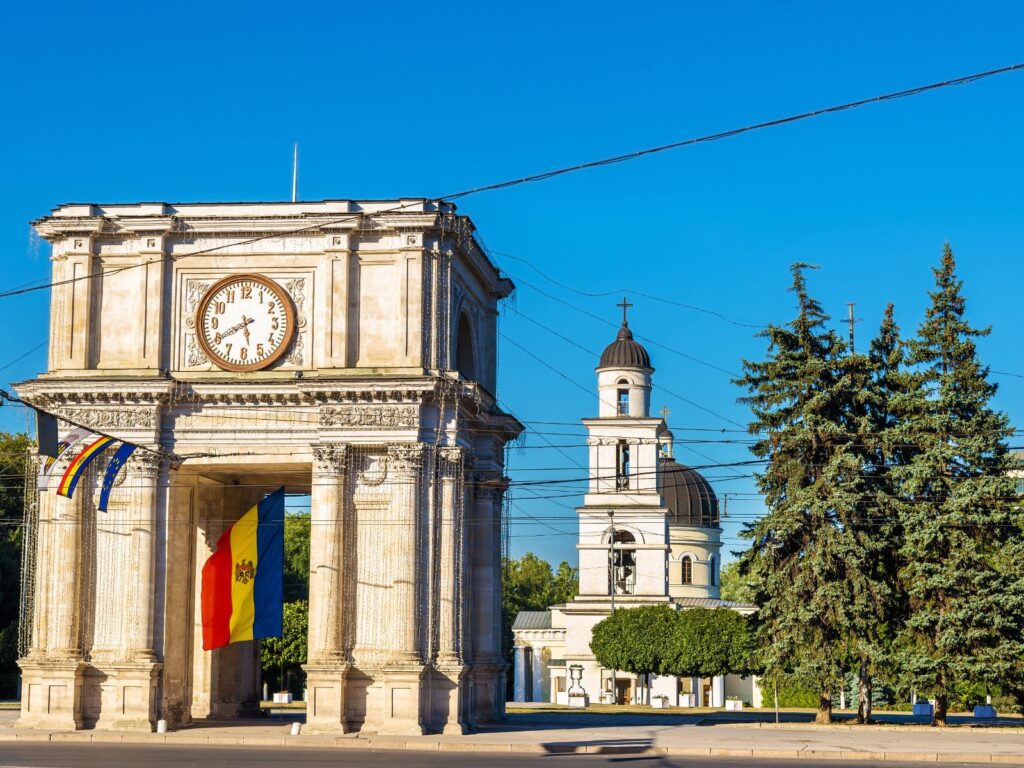
Chisinau: Learn about the capital city of Moldova, Chisinau, and its wonderful sights and attractions.
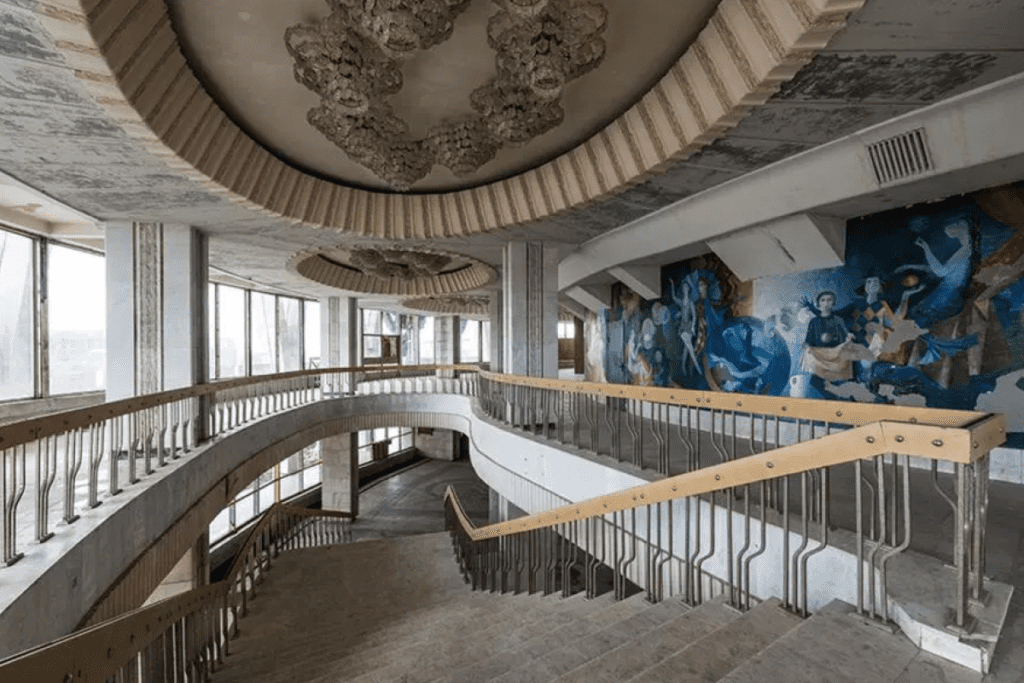
Chisinau Circus: Experience a unique blend of circus art and culture at one of the oldest circuses in the world, the Chisinau Circus.
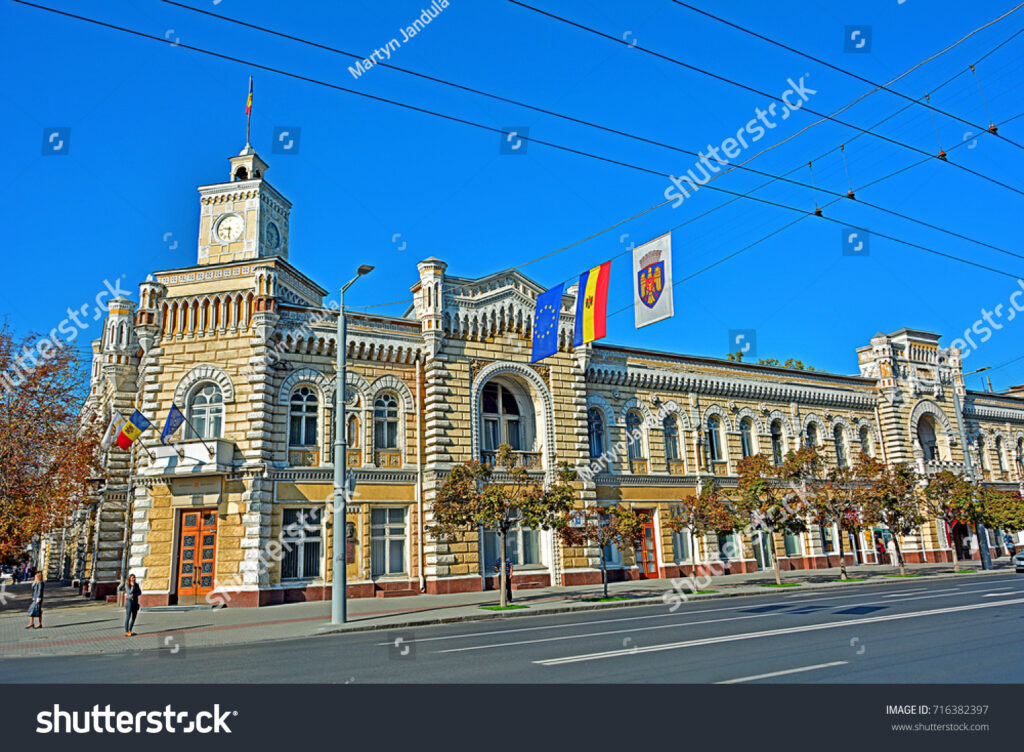
Chisinau City Hall: Explore the historic city hall of Chisinau, the capital of Moldova.
Chisinau City Hall Read More »