
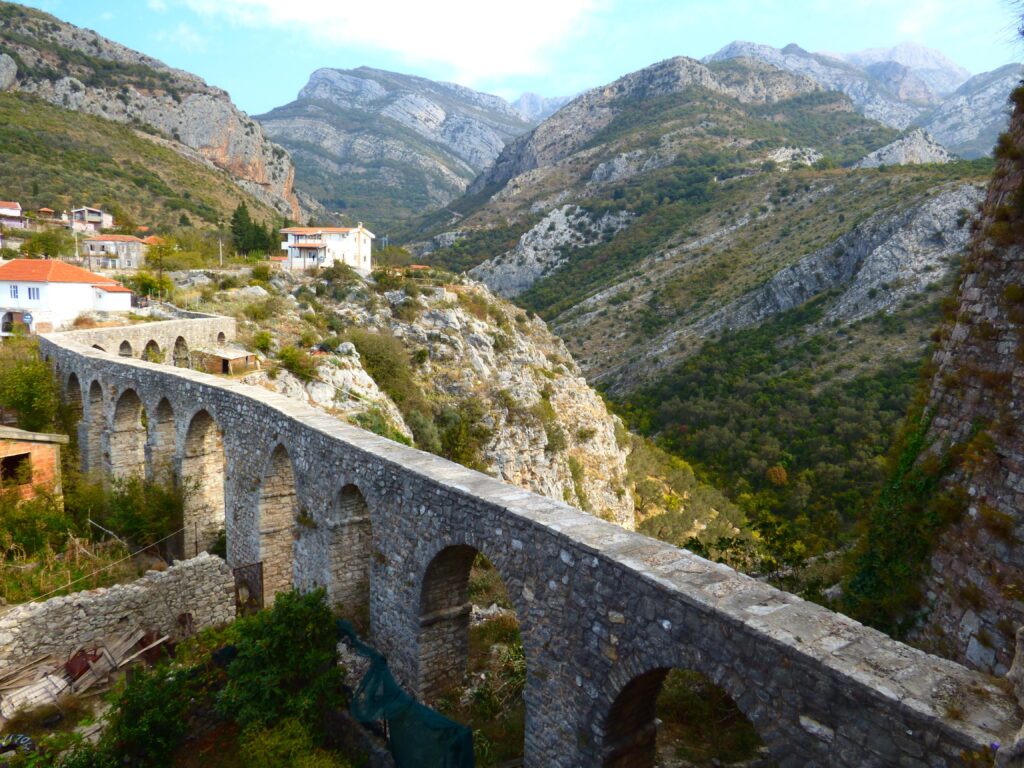
Stari Bar
Stari Bar: Uncover the secrets of Montenegro’s oldest city and explore its ancient fortifications and ruins.
Montenegro, officially known as the Republic of Montenegro, is a small country located in Southeastern Europe on the Balkan Peninsula. It is bordered by Croatia to the west, Bosnia and Herzegovina to the northwest, Serbia to the northeast, Kosovo to the east, and Albania to the southeast. It also has a coastline along the Adriatic Sea to the southwest. The capital and largest city is Podgorica, while the historical capital is Cetinje.
Montenegro has a rich and complex history that dates back to ancient times. The region was inhabited by Illyrian tribes before becoming part of the Roman Empire. During the Middle Ages, it was known as the Principality of Zeta and later became the Kingdom of Montenegro. The country maintained its independence during the Ottoman period, gaining recognition as an independent state at the Congress of Berlin in 1878. After World War I, Montenegro became part of the Kingdom of Serbs, Croats, and Slovenes, which later became Yugoslavia. Following the dissolution of Yugoslavia, Montenegro was part of a federation with Serbia until it declared its independence in 2006.
Montenegro is known for its stunning natural landscapes, which include rugged mountains, deep canyons, and a beautiful Adriatic coastline. The country’s diverse geography offers a wide range of outdoor activities, such as hiking, skiing, and water sports. Notable natural attractions include the Bay of Kotor, a UNESCO World Heritage site known for its fjord-like appearance and charming medieval towns; Durmitor National Park, famous for its glacial lakes and the Tara River Canyon, the second deepest canyon in the world; and the pristine beaches of the Budva Riviera.
Podgorica, the capital, is the administrative and economic center of Montenegro. It features a mix of modern architecture and historical sites, including the Ottoman-era Clock Tower and the Ribnica Bridge. Cetinje, the old royal capital, is known for its well-preserved architecture and cultural institutions, such as the National Museum of Montenegro.
Montenegro’s culture is a blend of Eastern and Western influences, reflecting its diverse history and geographic location. The country has a rich tradition of music, dance, and folklore. Traditional Montenegrin music often features instruments like the gusle, a single-stringed instrument, and is characterized by its epic poetry and heroic themes. Montenegrin cuisine is hearty and diverse, with Mediterranean, Eastern European, and Turkish influences. Popular dishes include ćevapi (grilled meat sausages), burek (savory pastry), and seafood specialties along the coast.
Economically, Montenegro is a developing country with a mixed economy. Key sectors include tourism, agriculture, and manufacturing. The tourism industry is particularly important, attracting visitors with its natural beauty, historic towns, and cultural heritage. The country is also known for its wine production, particularly the Vranac grape variety, and its olive oil.
Montenegro is a parliamentary republic, with a president serving as the head of state and a prime minister as the head of government. The country is a member of various international organizations, including the United Nations, NATO, and the World Trade Organization. It is also a candidate for membership in the European Union.
Overall, Montenegro is a country of striking natural beauty, rich cultural heritage, and a dynamic history. Its combination of scenic landscapes, historic towns, and vibrant traditions make it a unique and attractive destination in the Balkans.
Stari Bar: Uncover the secrets of Montenegro’s oldest city and explore its ancient fortifications and ruins.

Stari Grad (Old Town) Ulcinj: Explore the charming streets and attractions of this Montenegrin coastal town.
Stari Grad (Old Town) Ulcinj Read More »
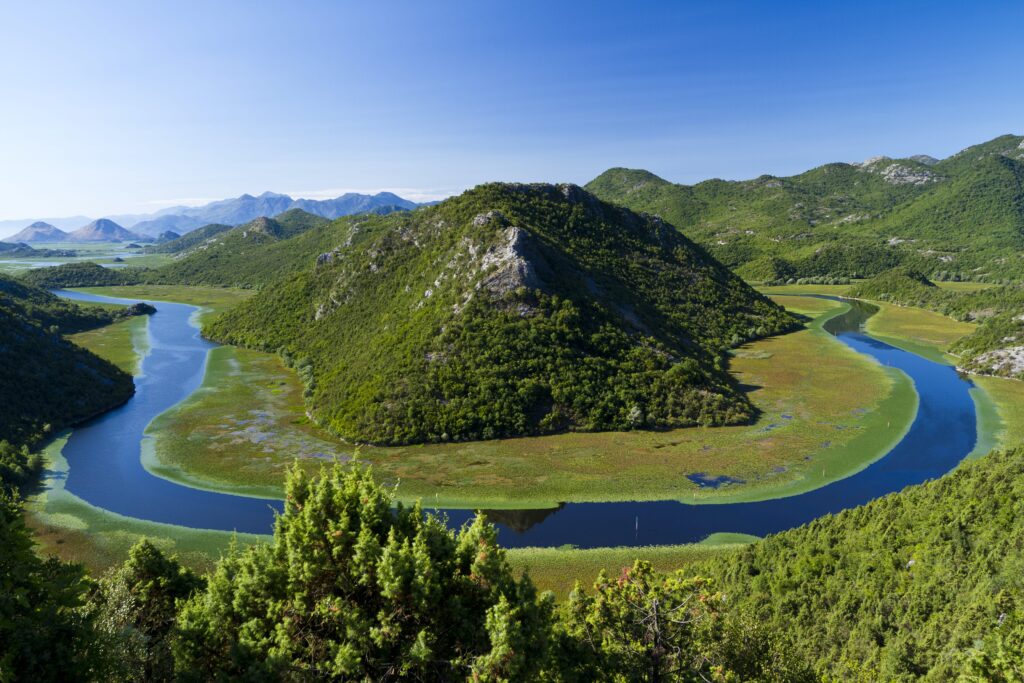
Skadar Lake: Discover the breathtaking beauty of Skadar Lake, a protected area featuring stunning landscapes and an array of unique wildlife.
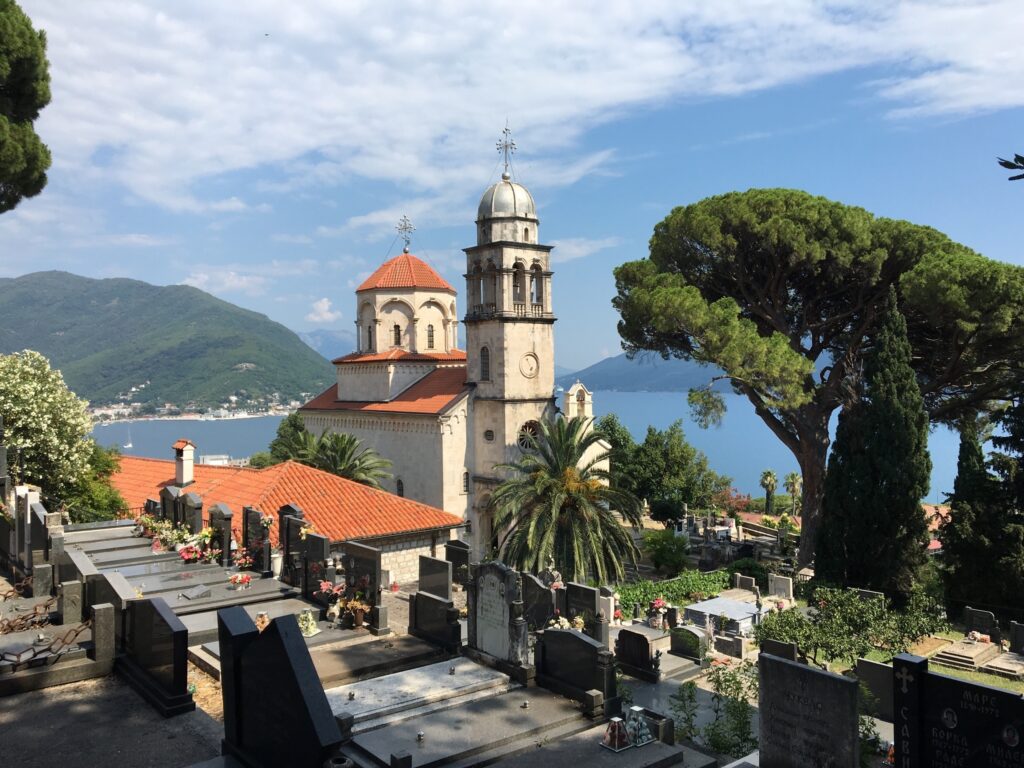
Savina Monastery: Visit this beautiful Orthodox monastery on the Montenegrin coast, steeped in history and culture.

Risan: Learn more about the Montenegrin town of Risan located in the Boka Kotorska bay of the Adriatic Sea.
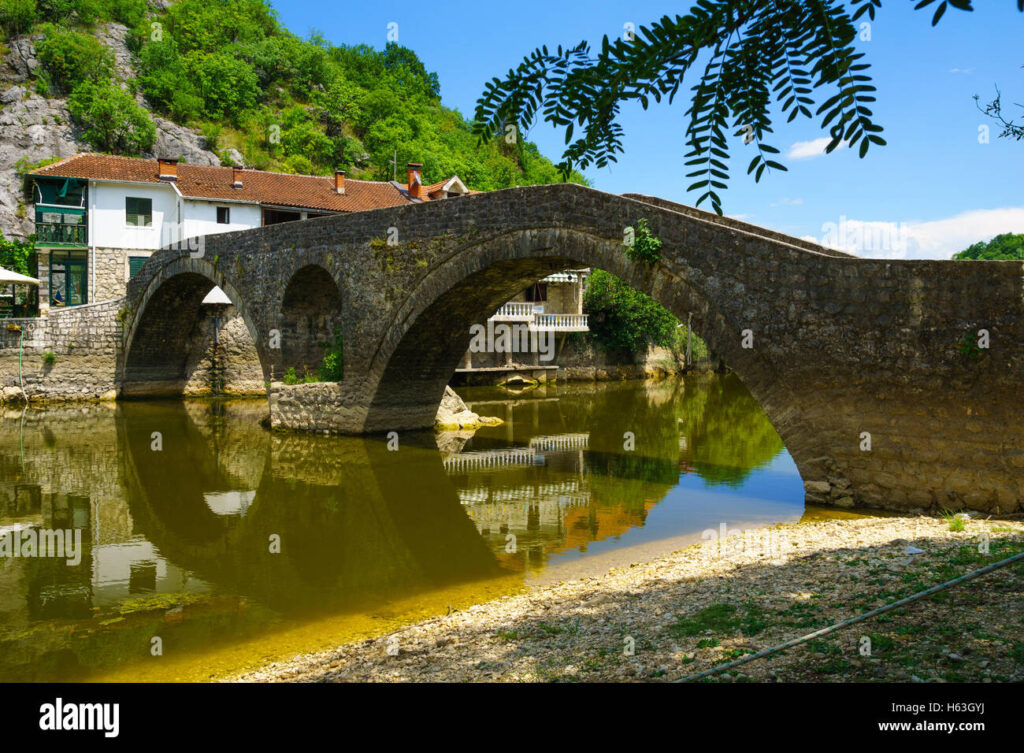
Rijeka Crnojevica Bridge: Admire the surreal beauty of the Rijeka Crnojevica Bridge, the longest bridge in the western Balkans.
Rijeka Crnojevica Bridge Read More »
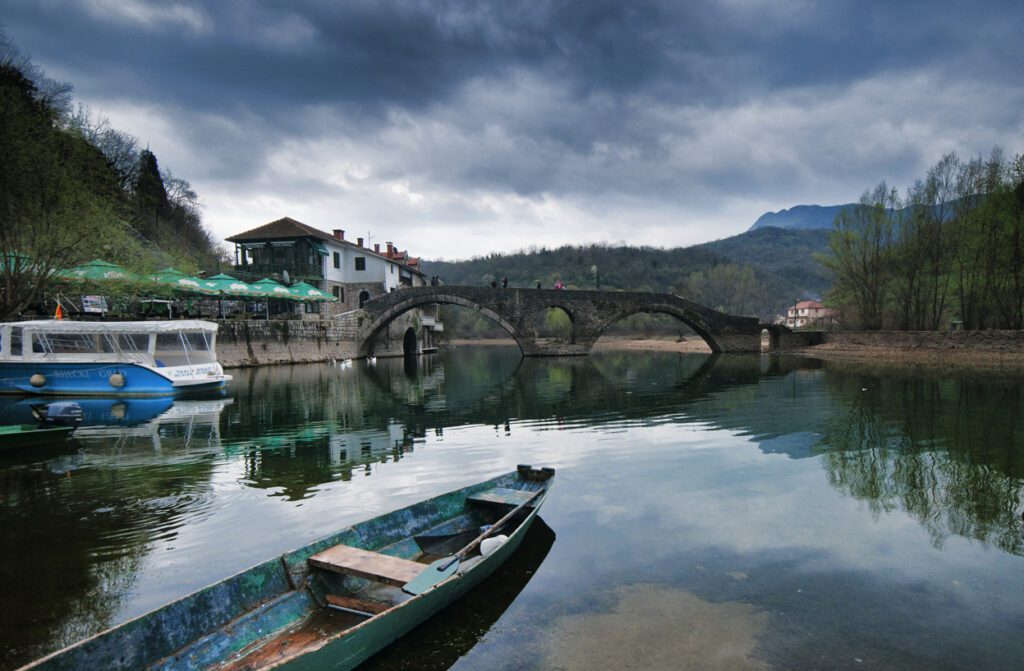
Rijeka Crnojevića: Explore the unique town of Rijeka Crnojevića, located in Montenegro’s stunningly scenic Tara National Park.

Mount Lovćen: Visit the historical and sacred mountain of Montenegro, rising nearly 5,700 feet above sea level.
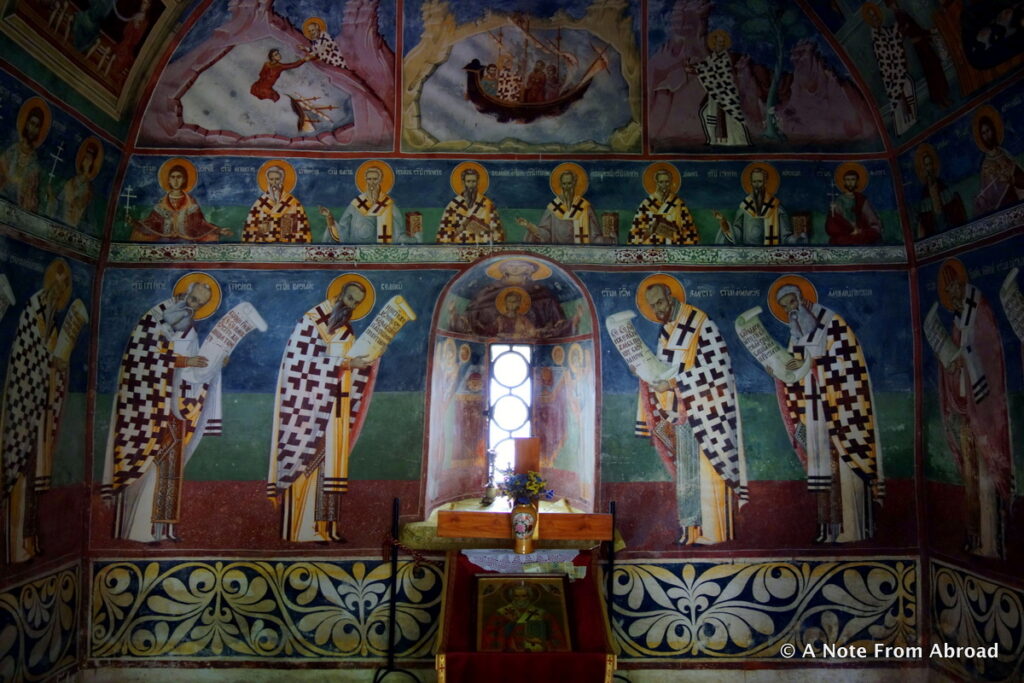
Moraca Monastery: Learn about Montenegro’s Moraca Monastery, renowned for its impressive religious architecture and tranquil atmosphere.
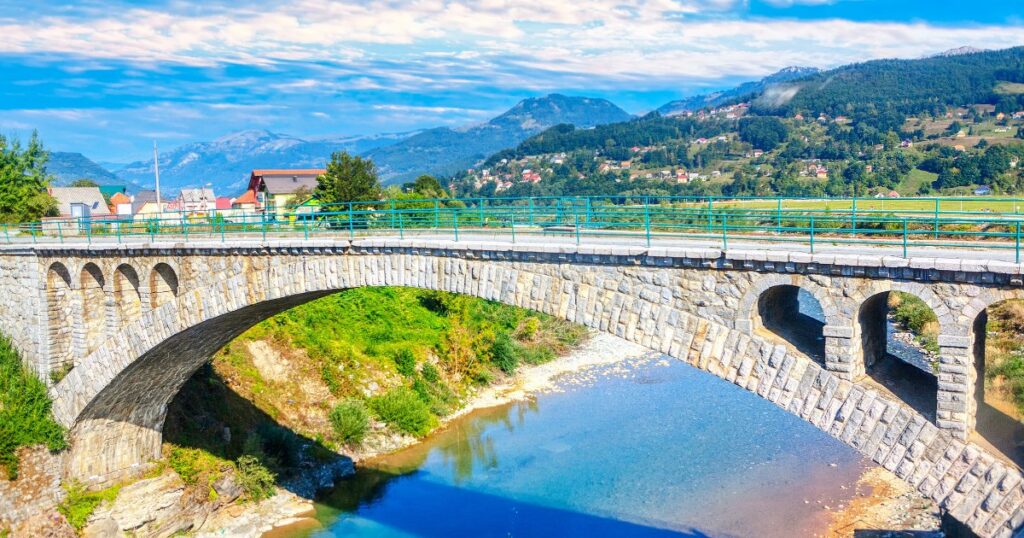
Mojkovac: Explore the breathtaking scenery and stunning landscape of Mojkovac in Montenegro, a perfect place to escape from it all.