
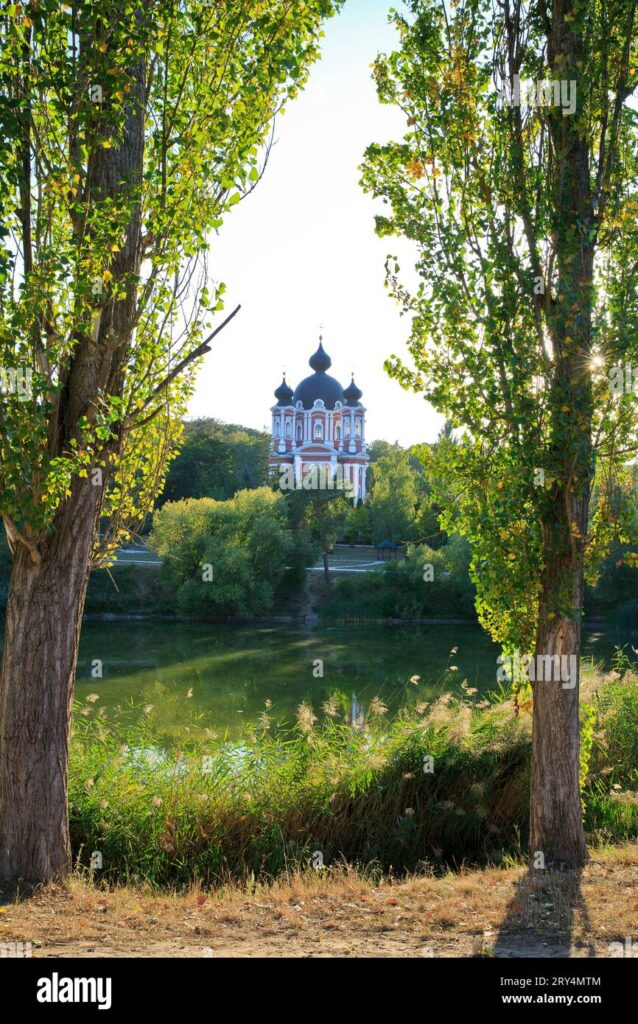
Vatici Monastery
Vatici Monastery: Step back in time at the Vatici Monastery, a breathtakingly beautiful medieval complex located in Romania.
Romania, officially known as the Republic of Romania, is a country located in Southeastern Europe. It is bordered by Ukraine to the north, Bulgaria to the south, Serbia to the southwest, Hungary to the west, and Moldova to the east. The Black Sea lies to the southeast. The capital and largest city is Bucharest.
Romania has a rich and diverse history that dates back to ancient times. The region was inhabited by the Dacians before becoming a province of the Roman Empire in 106 AD. The influence of Roman culture is still evident today, particularly in the Romanian language, which is a Romance language. During the Middle Ages, Romania was divided into several principalities, including Wallachia, Moldavia, and Transylvania, which later unified in 1859 to form modern Romania. Romania achieved full independence from the Ottoman Empire in 1877 and became a kingdom in 1881. The country was a battlefield during both World Wars and underwent significant political changes during the 20th century, including a period of communist rule from 1947 until the Romanian Revolution in 1989. Romania transitioned to a democratic government and market economy in the early 1990s.
Geographically, Romania is known for its scenic landscapes, which include the Carpathian Mountains, the Transylvanian Plateau, and the Danube River, which forms the southern border with Bulgaria and flows into the Black Sea through the Danube Delta, one of Europe’s most biodiverse areas. The country also boasts beautiful medieval towns, castles, and fortresses, such as Bran Castle, often associated with the Dracula legend, and Peleș Castle in Sinaia.
Bucharest, the capital, is a vibrant city known for its wide boulevards, neoclassical buildings, and the colossal Palace of the Parliament, one of the largest administrative buildings in the world. Other major cities include Cluj-Napoca, known for its universities and cultural life; Timișoara, noted for its historical architecture and as the starting point of the 1989 revolution; and Iași, a cultural and academic hub in the northeastern part of the country.
Romanian culture is a blend of Eastern and Western influences, shaped by its history and geographic location. The country has a rich tradition in music, dance, and folklore, with lively folk dances like the hora and intricate traditional costumes. Romanian cuisine features hearty and flavorful dishes, often incorporating meats, vegetables, and dairy products. Popular dishes include sarmale (cabbage rolls stuffed with meat), mămăligă (cornmeal porridge), and mici (grilled minced meat rolls).
Economically, Romania has a diverse economy with significant sectors in industry, agriculture, services, and technology. It is one of the largest wine producers in Europe and has a growing tech industry, particularly in cities like Bucharest and Cluj-Napoca. Romania is a member of the European Union, NATO, and various other international organizations, playing an active role in regional and global affairs.
Romania has a well-developed education system, with numerous universities and research institutions contributing to its knowledge economy. The country is also known for its contributions to science, literature, and the arts. Notable figures include the playwright Eugène Ionesco, the sculptor Constantin Brâncuși, and the Nobel Prize-winning biologist George Emil Palade.
Romania’s natural beauty, rich cultural heritage, and dynamic cities make it a unique and fascinating destination in Southeastern Europe. Its blend of historical significance, cultural richness, and modern development offers a diverse experience for visitors and residents alike.
Vatici Monastery: Step back in time at the Vatici Monastery, a breathtakingly beautiful medieval complex located in Romania.
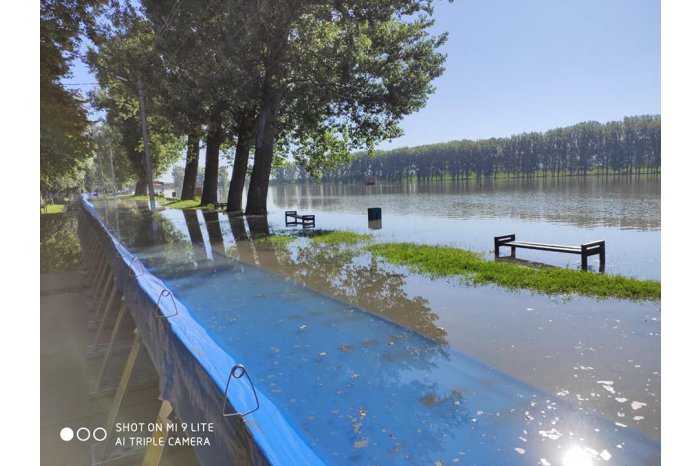
Vadul Lui Voda: Explore the picturesque attractions and captivating landmarks of Vadul Lui Voda in Moldova.
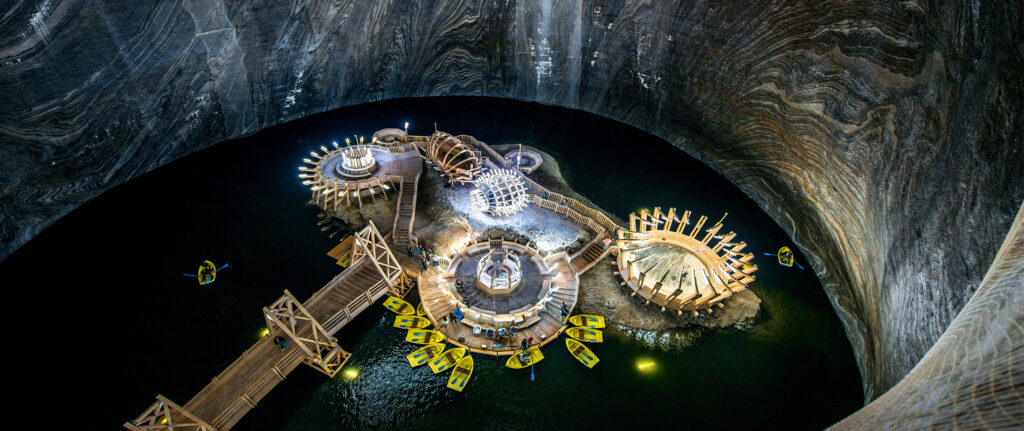
Turda Salt Mine: Discover the subterranean history, and modern-day activities, of Turda Salt Mine in Romania.
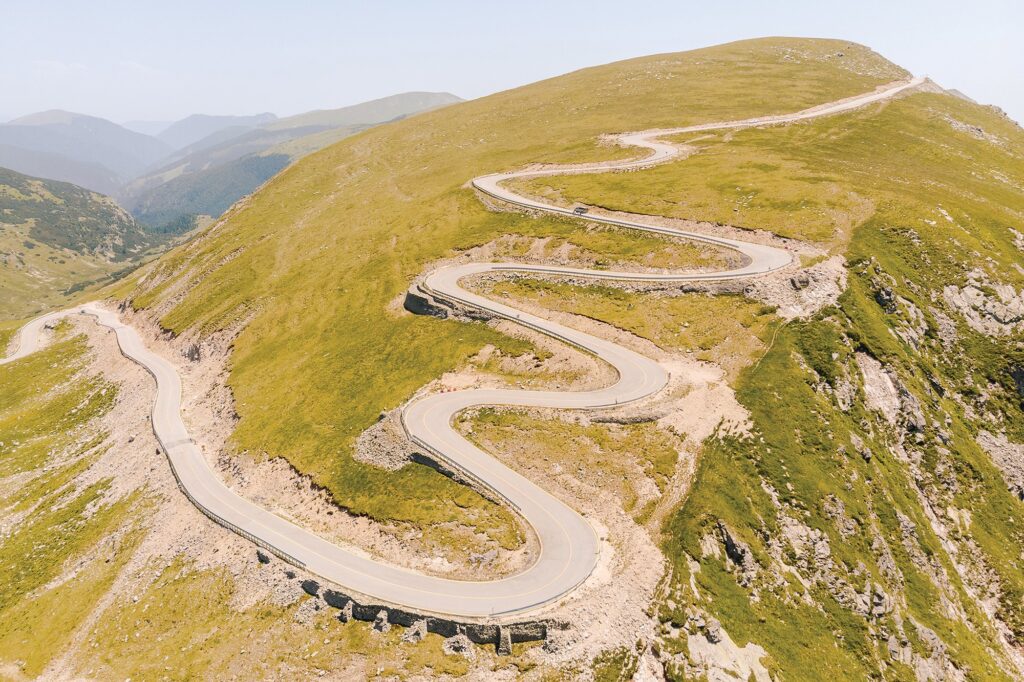
Transalpina Road: Take a drive through the Italian Alps on the Transalpina Road, a stunningly scenic route full of unforgettable views.
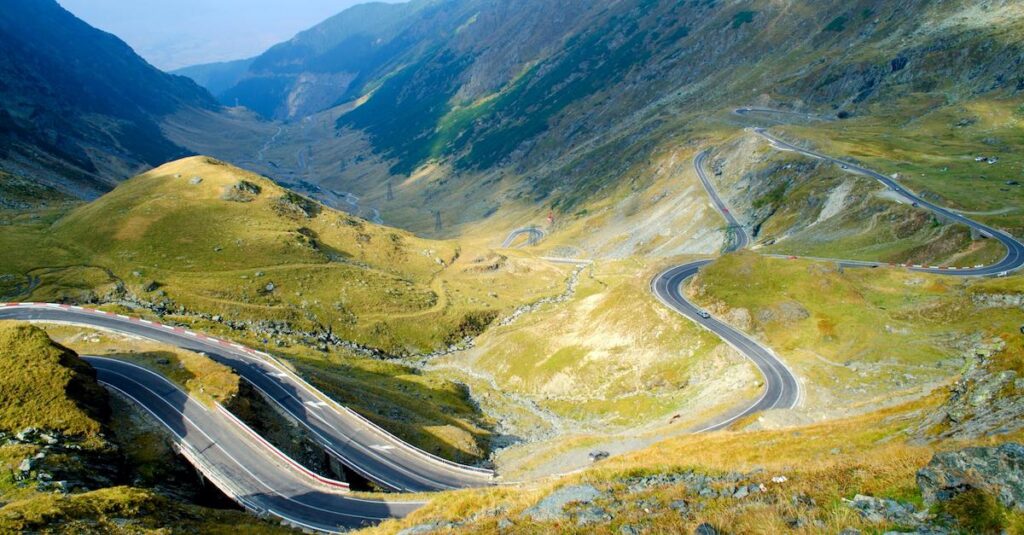
Transfagarasan Highway: Admire the stunning beauty of Romanias Carpathian Mountains as you drive along the Transfagarasan Highway.
Transfagarasan Highway Read More »

The Ceahlau National Park: Explore the breathtaking natural beauty of The Ceahlau National Park, located in the Northern Carpathians in Romania.
The Ceahlau National Park Read More »
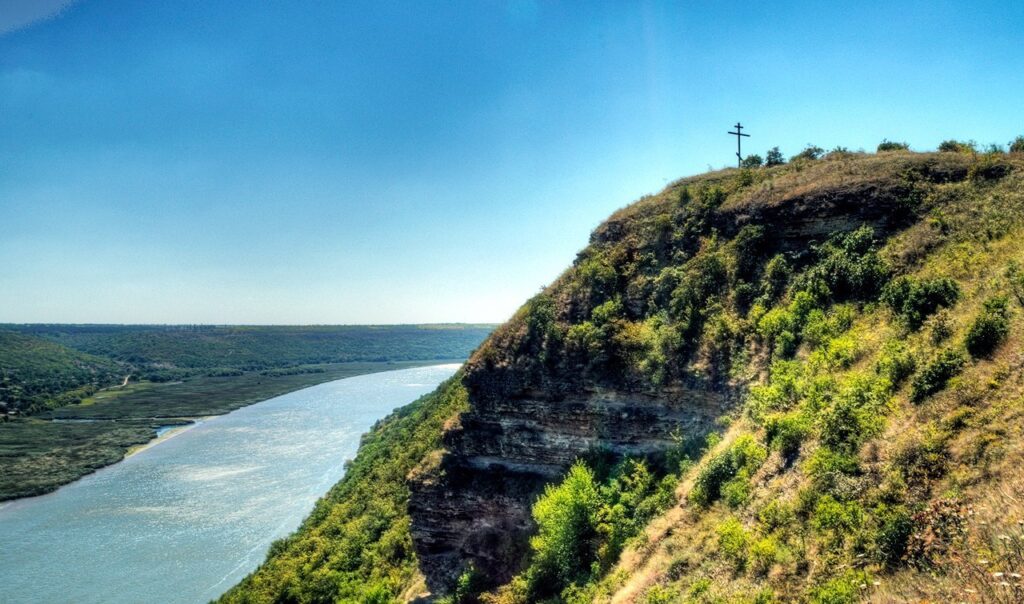
Tipova Monastery: Visit the breathtakingly beautiful monastery at the foothills of the Dniester Valley, located in Moldova.
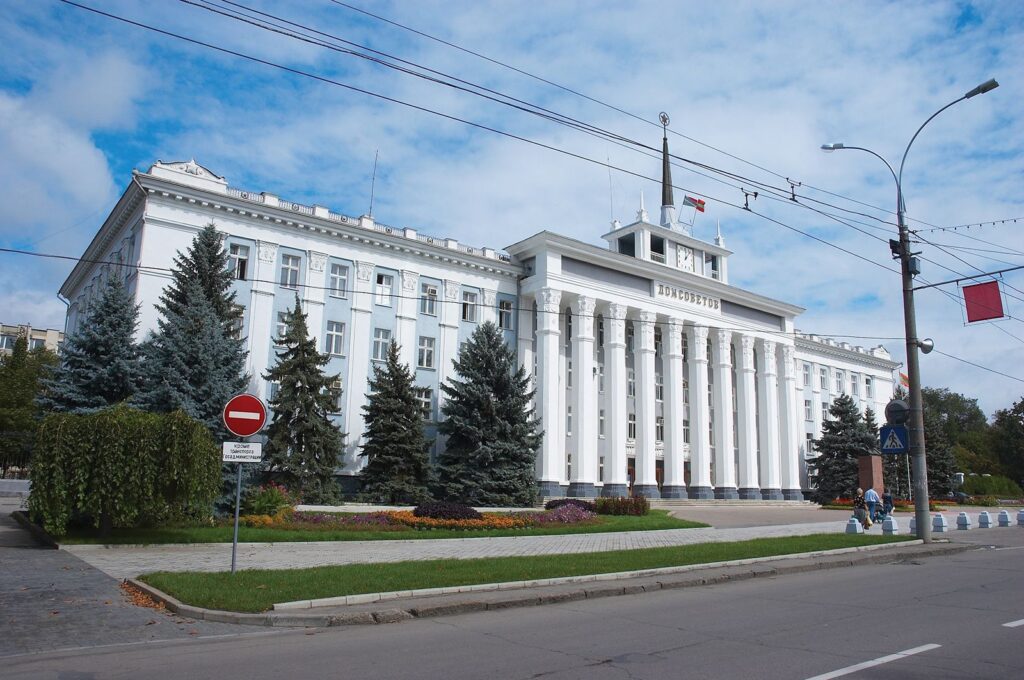
Tiraspol: Learn about the capital and largest city of the breakaway republic of Transnistria and its diversity of cultures.
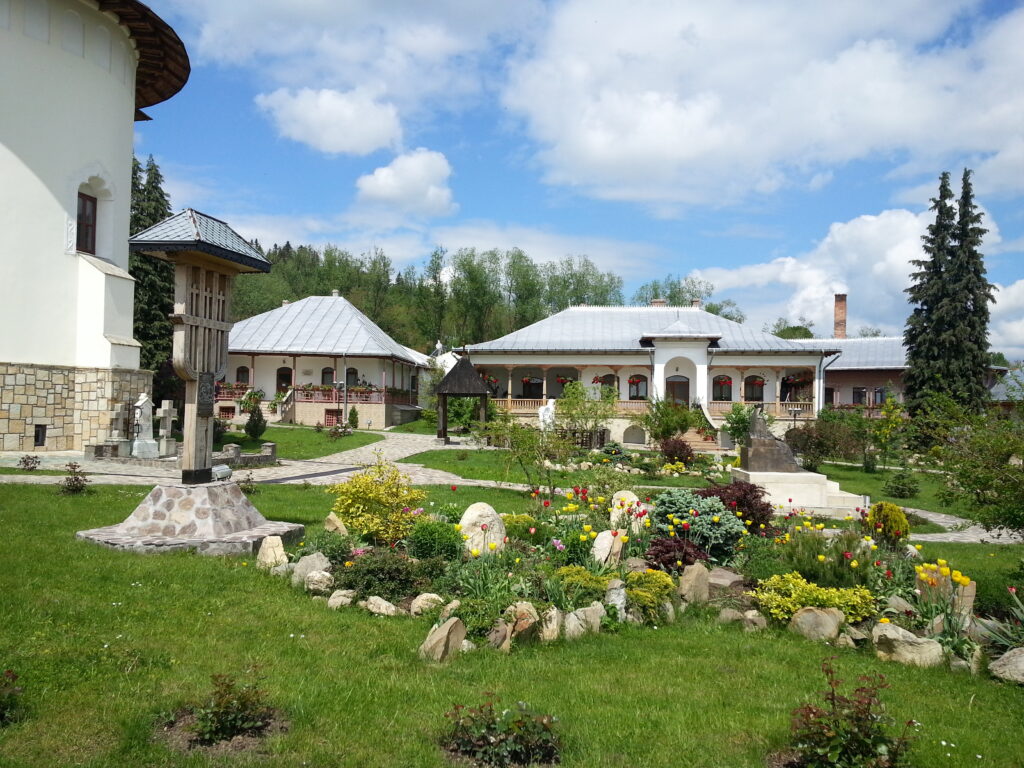
The Varatec Monastery: Step inside the majestic walls of the awe-inspiring Varatec Monastery in Romania and discover its fascinating heritage and traditions.
The Varatec Monastery Read More »
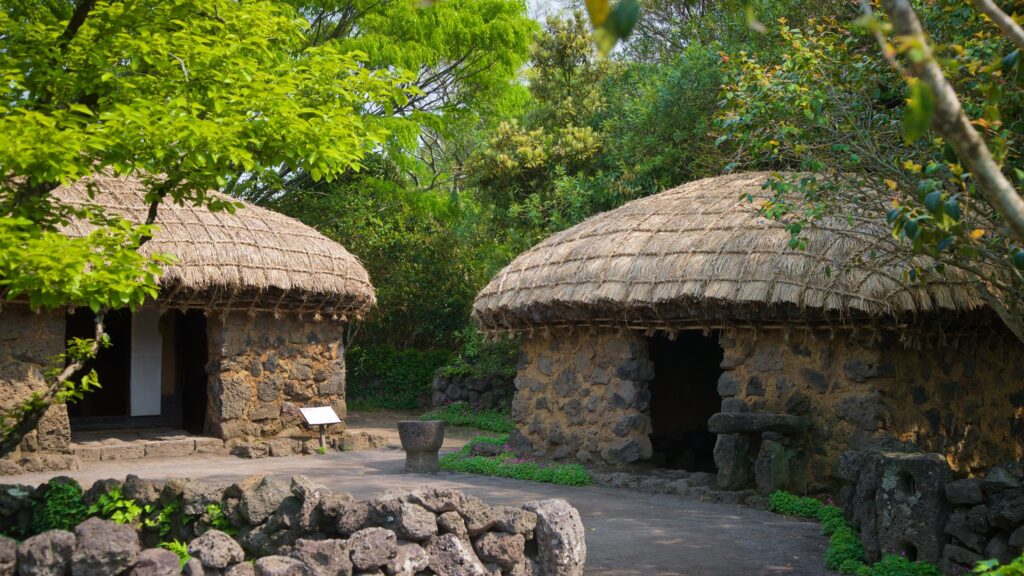
Village Museum: Take a journey through time at this interactive village museum with artifacts and exhibits that tell the story of the local area.