
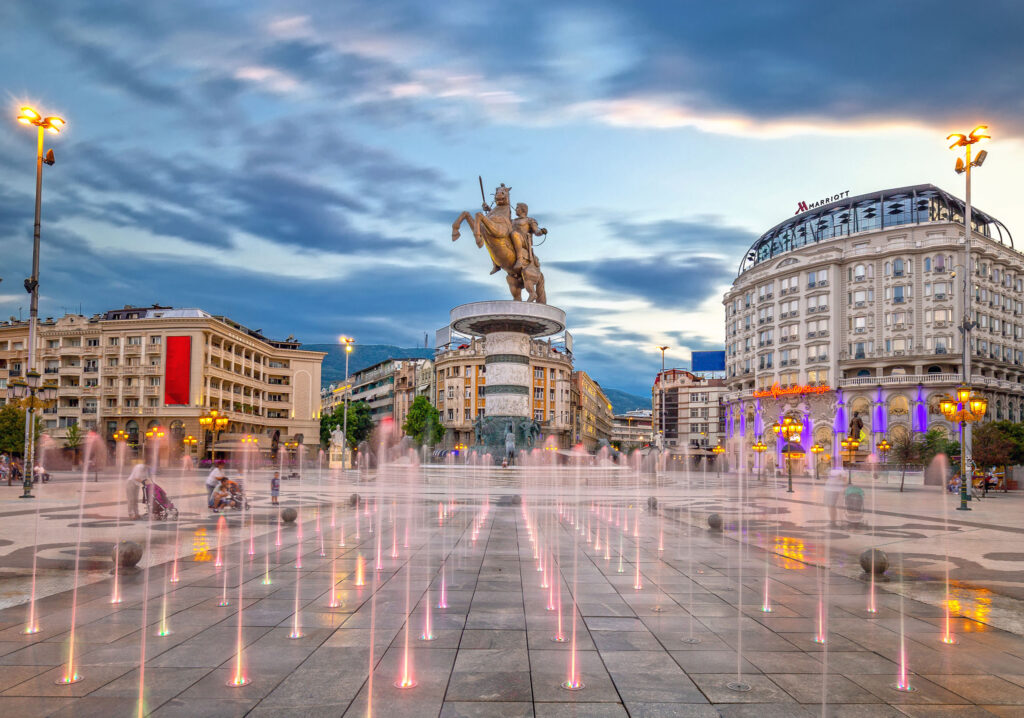
Macedonia
Macedonia: Explore the rich history and culture of Macedonia, a small Balkan country with a vibrant culture.
Serbia, officially known as the Republic of Serbia, is a landlocked country situated in Southeast Europe, in the central and western part of the Balkan Peninsula. It is bordered by Hungary to the north, Romania to the northeast, Bulgaria to the southeast, North Macedonia to the south, Croatia and Bosnia and Herzegovina to the west, and Montenegro to the southwest. Serbia also claims a border with Albania through the disputed territory of Kosovo. The capital and largest city is Belgrade.
Serbia has a rich and diverse history that dates back to ancient times. The region was inhabited by various tribes and civilizations, including the Thracians, Illyrians, and Celts, before becoming part of the Roman Empire. In the early Middle Ages, the Serbs established several powerful kingdoms and principalities. The Serbian Empire, under the rule of Emperor Stefan Dušan in the 14th century, was one of the most powerful states in Europe at the time. However, Serbia fell under Ottoman rule in the late 14th century and remained under Ottoman control for several centuries.
Serbia regained its independence in the 19th century and played a significant role in the Balkan Wars and World War I. After World War I, Serbia became part of the Kingdom of Serbs, Croats, and Slovenes, which later became the Kingdom of Yugoslavia. Following World War II, Serbia was one of the six republics of the Socialist Federal Republic of Yugoslavia. The breakup of Yugoslavia in the 1990s led to a series of conflicts, and Serbia eventually became an independent country in 2006 after the dissolution of the State Union of Serbia and Montenegro.
Geographically, Serbia is characterized by its diverse landscapes, including fertile plains, rolling hills, and mountainous regions. The northern part of the country, known as Vojvodina, is part of the Pannonian Plain and is known for its agricultural productivity. The central and southern regions are more mountainous, with notable ranges including the Dinaric Alps, the Carpathians, and the Balkan Mountains. The Danube River, one of Europe’s major rivers, flows through Serbia, providing important economic and transportation links.
Belgrade, the capital, is a vibrant city with a rich cultural and historical heritage. It is known for its lively nightlife, historic architecture, and numerous cultural institutions. Key landmarks include the Belgrade Fortress, Knez Mihailova Street, the Temple of Saint Sava, and the National Museum. Other major cities include Novi Sad, known for its Petrovaradin Fortress and the EXIT music festival, and Niš, one of the oldest cities in Europe with a rich Roman history.
Serbian culture is a blend of Eastern and Western influences, reflecting its complex history and geographic location. The country has a strong tradition of music, dance, and folklore. Serbian music includes traditional folk music, as well as modern genres like pop and rock. The country is also known for its rich literary tradition, with notable writers such as Ivo Andrić, who won the Nobel Prize in Literature.
Serbian cuisine is hearty and diverse, with influences from Mediterranean, Hungarian, Turkish, and Austrian cuisines. Popular dishes include ćevapi (grilled minced meat), sarma (cabbage rolls), gibanica (cheese pie), and various meat and vegetable stews. Rakija, a fruit brandy, is a popular traditional drink.
Economically, Serbia is a developing country with a mixed economy. Key sectors include agriculture, manufacturing, services, and information technology. The country has made significant progress in economic reforms and infrastructure development in recent years. Serbia is a candidate for membership in the European Union and has strong economic and political ties with both Western and Eastern countries.
Serbia’s education system is well-developed, with a high literacy rate and numerous universities and research institutions. The country is known for its contributions to science, sports, and the arts.
In summary, Serbia is a country with a rich historical legacy, diverse landscapes, and a vibrant cultural scene. Its blend of tradition and modernity, along with its significant contributions to European history and culture, makes it a unique and fascinating destination in Southeast Europe.
Macedonia: Explore the rich history and culture of Macedonia, a small Balkan country with a vibrant culture.
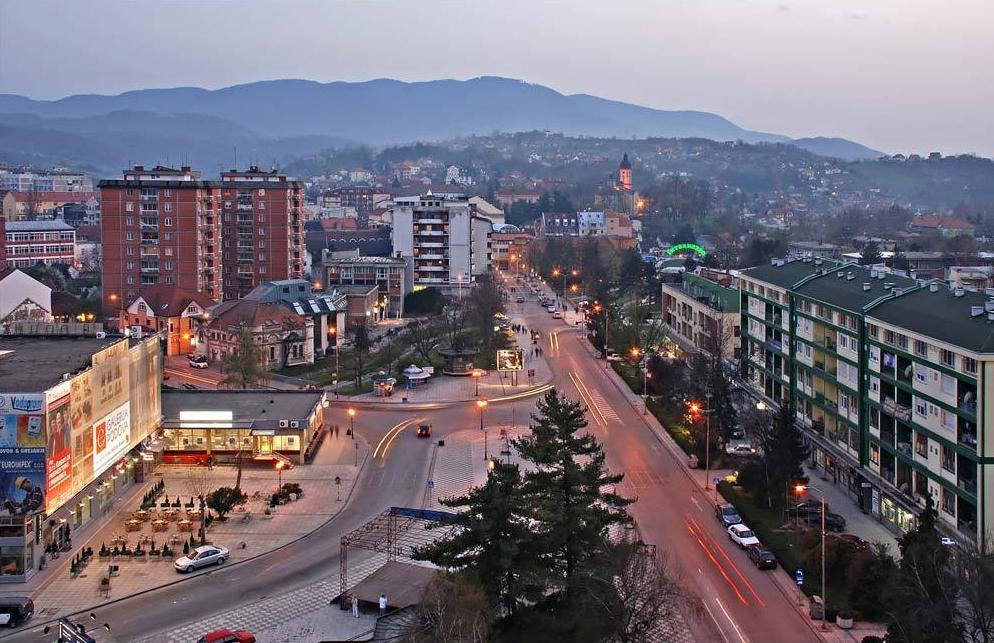
Loznica: Discover the small town of Loznica in western Serbia and explore its myriad attractions, history, and vibrant culture.
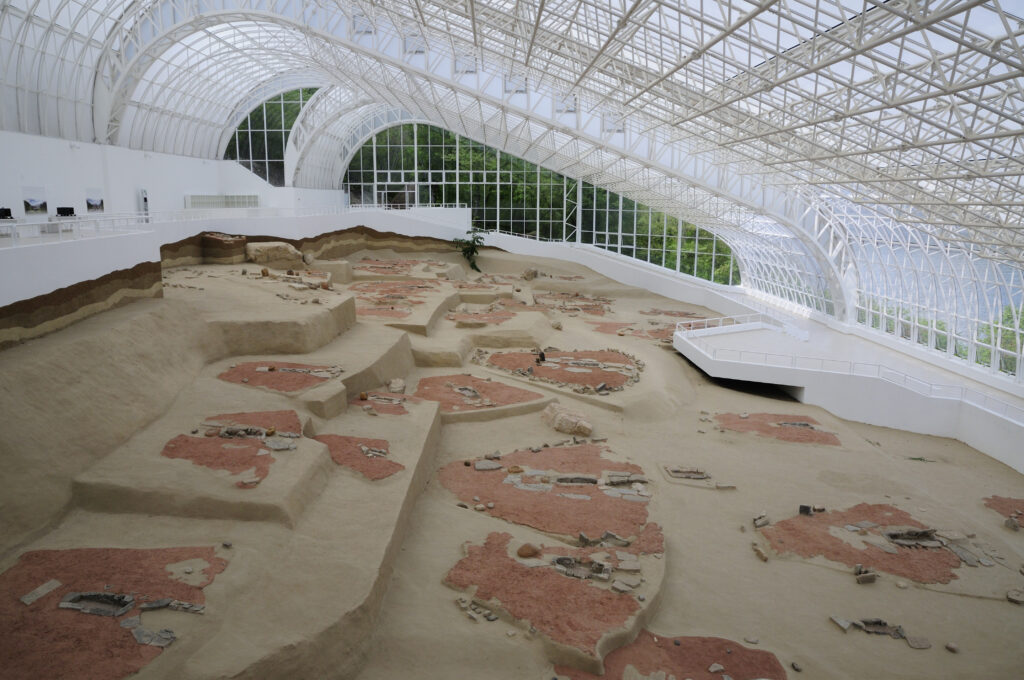
Lepenski Vir: A look into an ancient archaeological site in Serbia-one of the world’s oldest settlements.
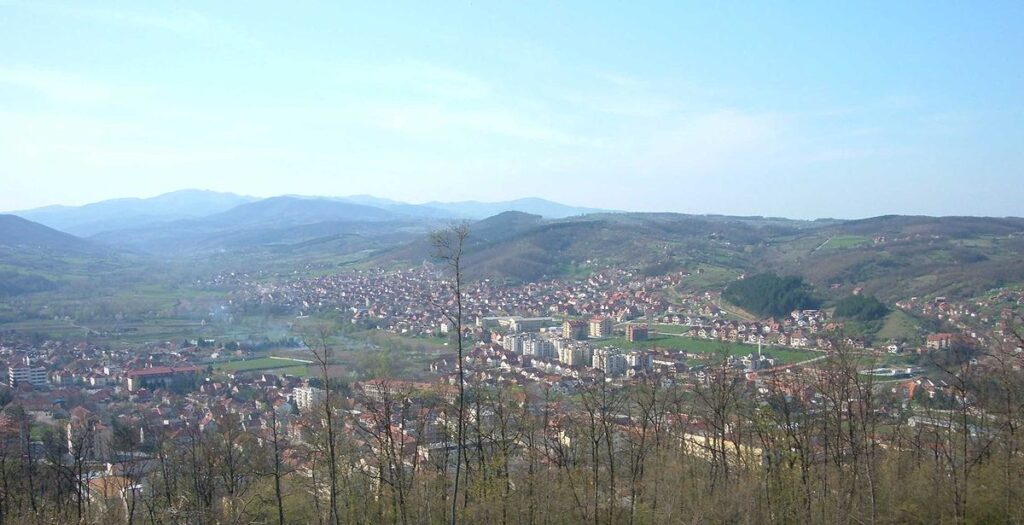
Kuršumlija: Explore the rich culture and history of the ancient city of Kuršumlija and its breathtaking scenery.

Krušedol Monastery – Learn about the history of the Krušedol Monastery, a 16th century Serb-Orthodox monastery in Serbia.
Krušedol Monastery Read More »
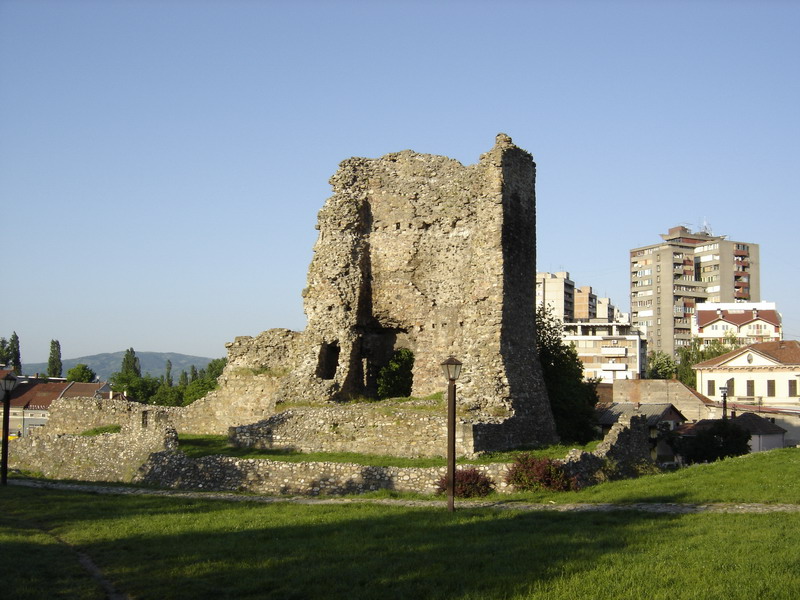
Kruševac Fortress – Explore the stunning Kruševac Fortress, a 14th century citadel surrounded by medieval walls in Serbia.
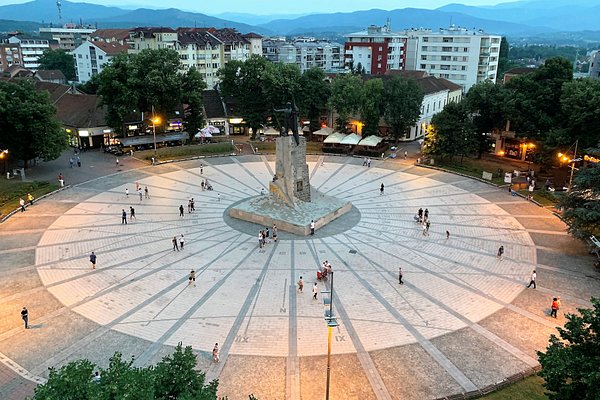
Kraljevo: Immerse yourself in the vibrant city of Kraljevo, Serbia; a gateway for outdoor adventures in the surrounding mountains and national parks.
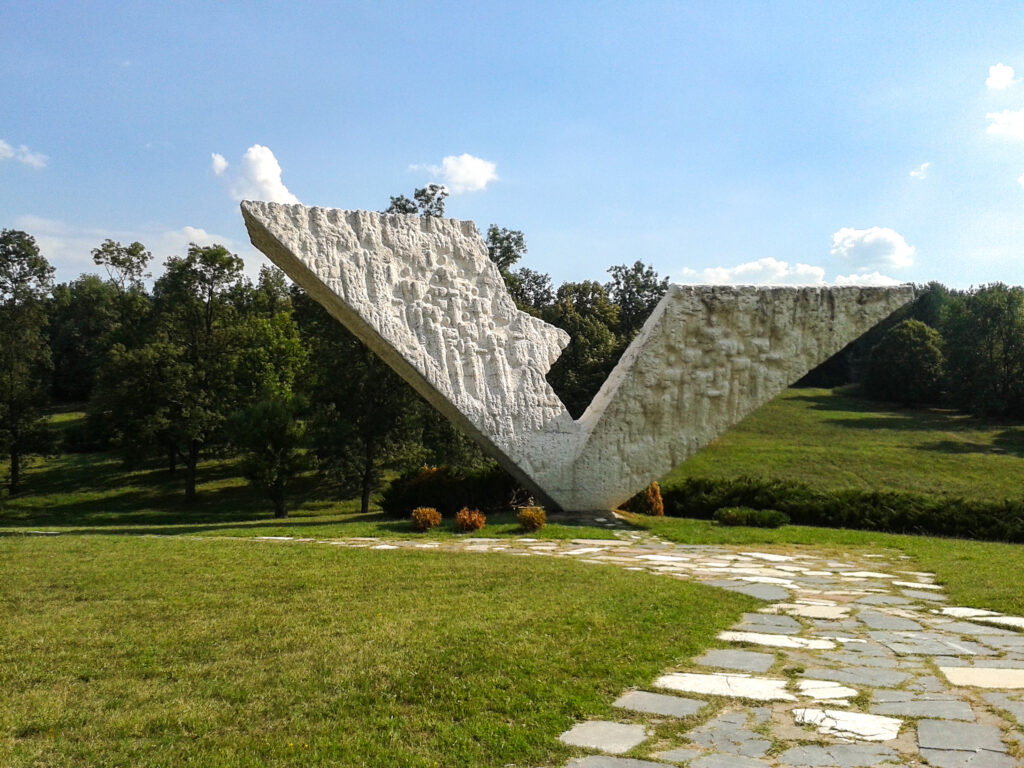
Kragujevac Memorial Park: Learn more about the WWII memorial park in Kragujevac honoring those killed in World War II in Serbia.
Kragujevac Memorial Park Read More »
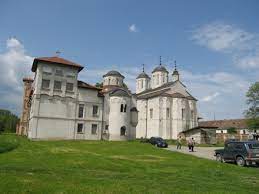
Kovilj Monastery: Discover the history and beauty of this Serbian Orthodox monastery built in 1720.
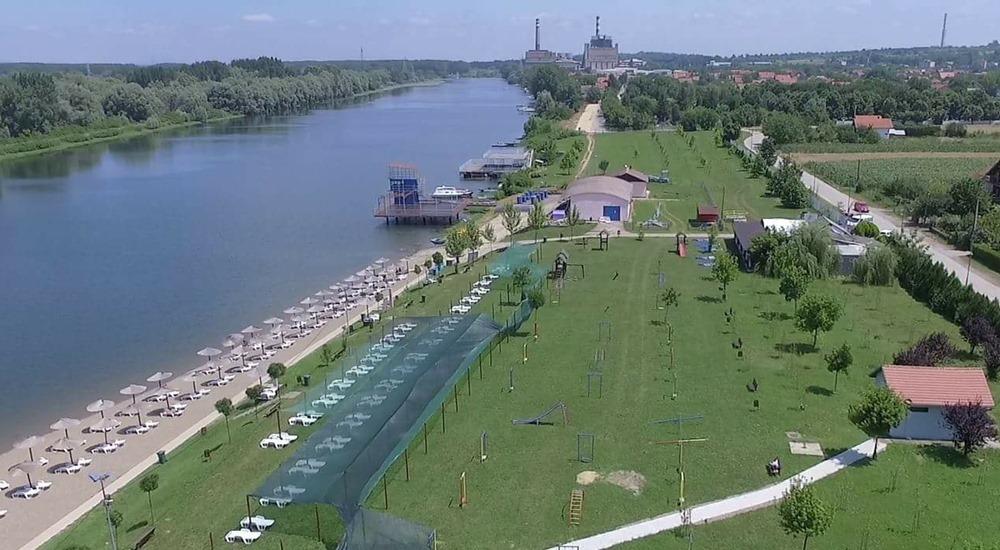
Kostolac: Learn more about Kostolac in Serbia, including its cultural heritage and nearby attractions.