
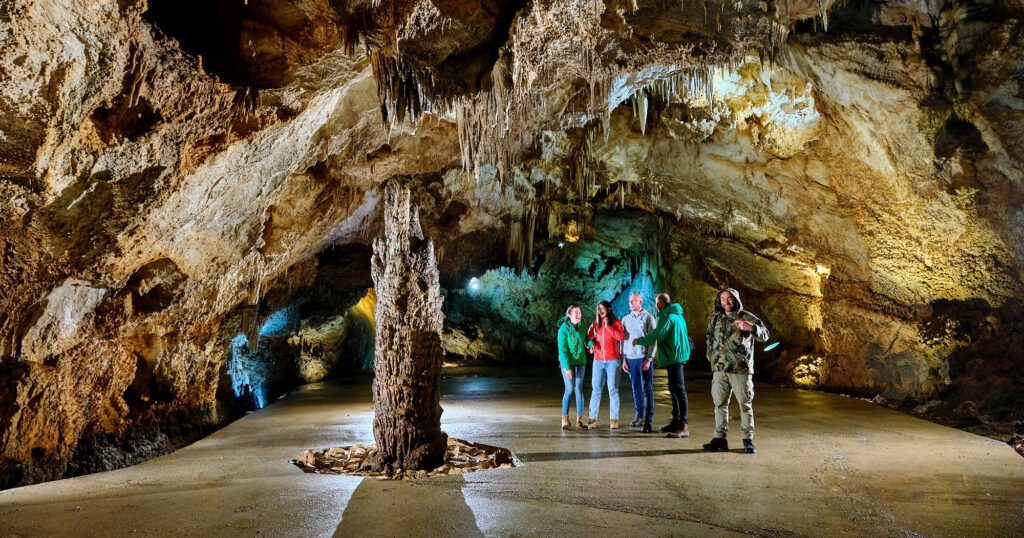
Lipa Cave
Lipa Cave: Explore stunning geological formations at Lipa Cave in Slovakia.
Slovakia, officially known as the Slovak Republic, is a landlocked country located in Central Europe. It is bordered by Poland to the north, Ukraine to the east, Hungary to the south, Austria to the southwest, and the Czech Republic to the northwest. The capital and largest city is Bratislava.
Slovakia has a rich and varied history that dates back to ancient times. The region was inhabited by Celtic tribes before becoming part of the Roman Empire and later the Great Moravian Empire in the 9th century. After the fall of Great Moravia, Slovakia became part of the Kingdom of Hungary for several centuries. Following World War I and the dissolution of the Austro-Hungarian Empire, Slovakia joined with the Czech lands to form Czechoslovakia. The country experienced a brief period of independence during World War II as a fascist puppet state. After the war, Czechoslovakia was reestablished as a socialist republic under Soviet influence. The peaceful Velvet Revolution in 1989 led to the end of communist rule, and in 1993, Slovakia peacefully separated from the Czech Republic in what is known as the Velvet Divorce, becoming an independent nation.
Geographically, Slovakia is known for its diverse landscapes, which include the towering peaks of the Carpathian Mountains, the fertile lowlands of the Danube River Basin, and numerous rivers, lakes, and forests. The Tatra Mountains, part of the Carpathians, are particularly famous for their stunning natural beauty and offer excellent opportunities for hiking, skiing, and mountaineering. The Slovak Paradise National Park and the Low Tatras National Park are also popular destinations for outdoor enthusiasts.
Bratislava, the capital, is a vibrant city with a rich cultural heritage and a mix of modern and historical architecture. Key landmarks include Bratislava Castle, St. Martin’s Cathedral, and the Old Town with its charming streets and squares. The city is also a political, economic, and cultural hub, hosting various events and festivals throughout the year. Other significant cities include Košice, known for its Gothic St. Elisabeth Cathedral and historical center, and Banská Bystrica, which played a crucial role in the Slovak National Uprising during World War II.
Slovak culture is deeply rooted in its history and traditions, with influences from various neighboring cultures. The country has a rich tradition of folk music, dance, and crafts, which are celebrated in numerous festivals and cultural events. Slovak cuisine is hearty and flavorful, featuring dishes such as bryndzové halušky (potato dumplings with sheep cheese), kapustnica (sauerkraut soup), and various meat and pastry dishes. Slovak wines and beers are also popular and enjoyed throughout the country.
Economically, Slovakia has experienced significant growth and development since gaining independence. The country has a mixed economy with key sectors including automotive manufacturing, electronics, machinery, and information technology. Slovakia is one of the world’s leading car producers per capita, with major automotive plants operated by companies like Volkswagen, PSA Peugeot Citroën, and Kia Motors. The country is a member of the European Union, the Eurozone, NATO, and the Schengen Agreement, playing an active role in regional and international affairs.
Slovakia has a well-developed education system and a high literacy rate. The country is known for its contributions to science, technology, and the arts, with a number of notable Slovak inventors, artists, and writers. The education system includes several universities and research institutions, contributing to the country’s knowledge economy.
In summary, Slovakia is a country with a rich cultural heritage, diverse landscapes, and a dynamic economy. Its blend of historical significance, natural beauty, and modern development makes it a unique and attractive destination in Central Europe.
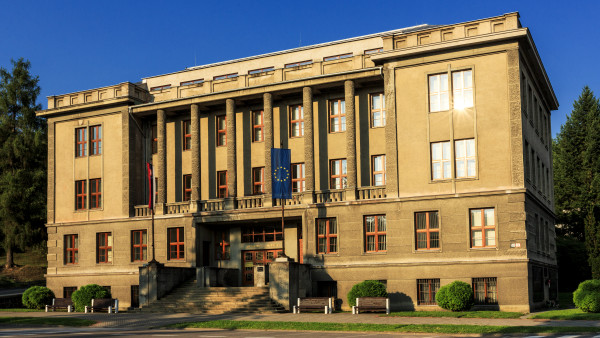
Liptov Museum In Ružomberok: Experience the rich cultural history of the Liptov region at the Liptov Museum in Ružomberok.
Liptov Museum In Ružomberok Read More »

Liptov Village Museum In Pribylina: Learn about ancient traditions and stories of Liptov Village at the Liptov Village Museum in Pribylina.
Liptov Village Museum In Pribylina Read More »
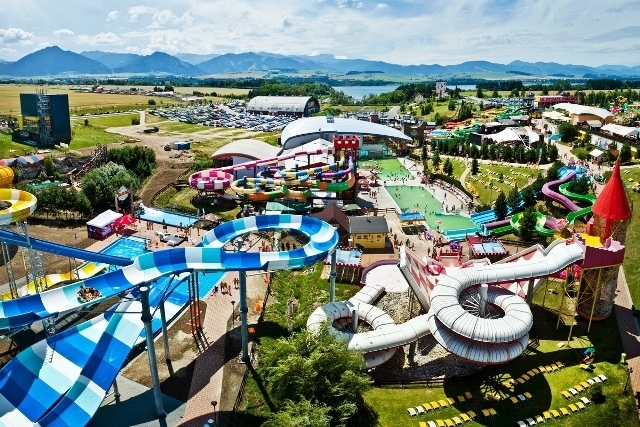
Liptovsky Mikulas Aquapark: Enjoy a day of fun at Liptovský Mikuláš Aquapark with its aquatic attractions.
Liptovsky Mikulas Aquapark Read More »
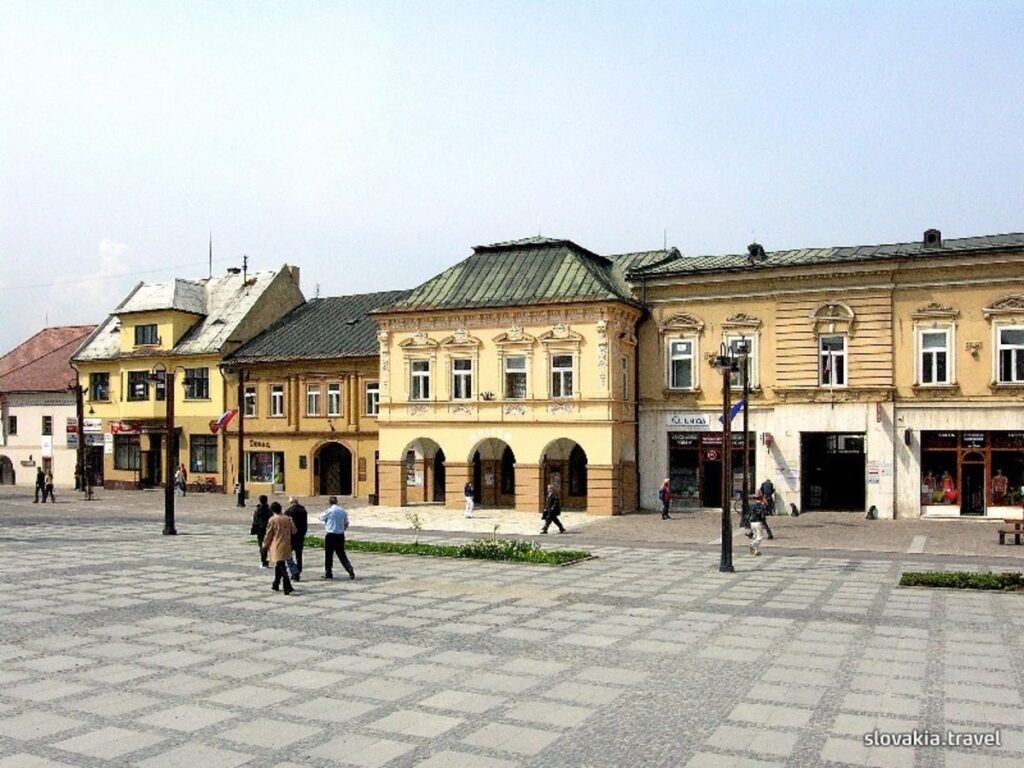
Liptovsky Mikulas Museum Of Janko Kral: Tour the historic sights of Liptovský Mikuláš and visit the Museum of Janko Kral.
Liptovsky Mikulas Museum Of Janko Kral Read More »
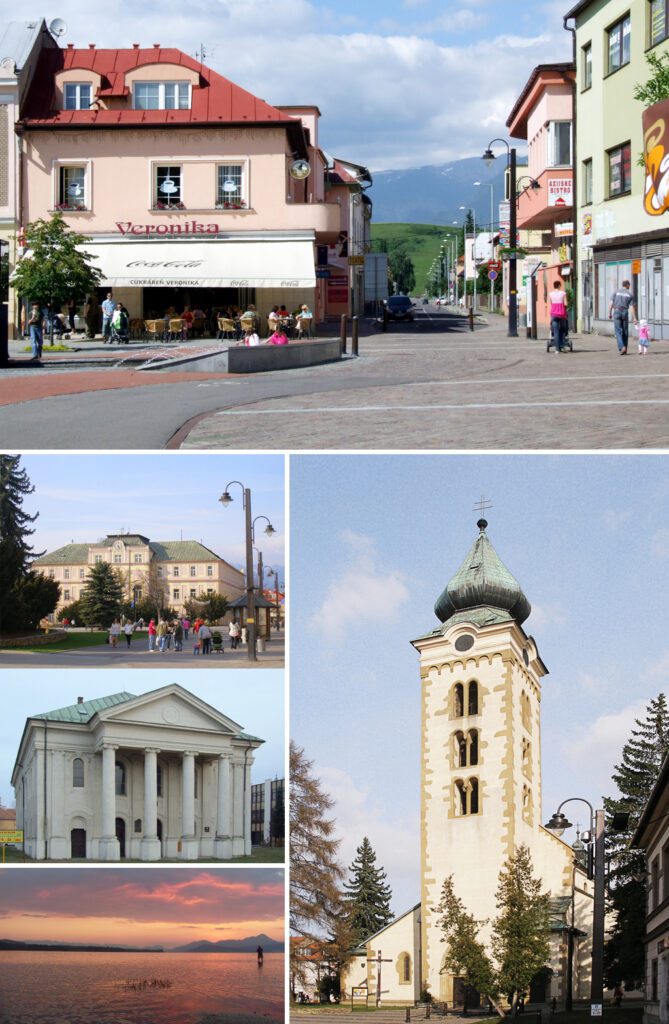
Liptovský Mikuláš: Experience the natural beauty of Liptovský Mikuláš and the surrounding area.
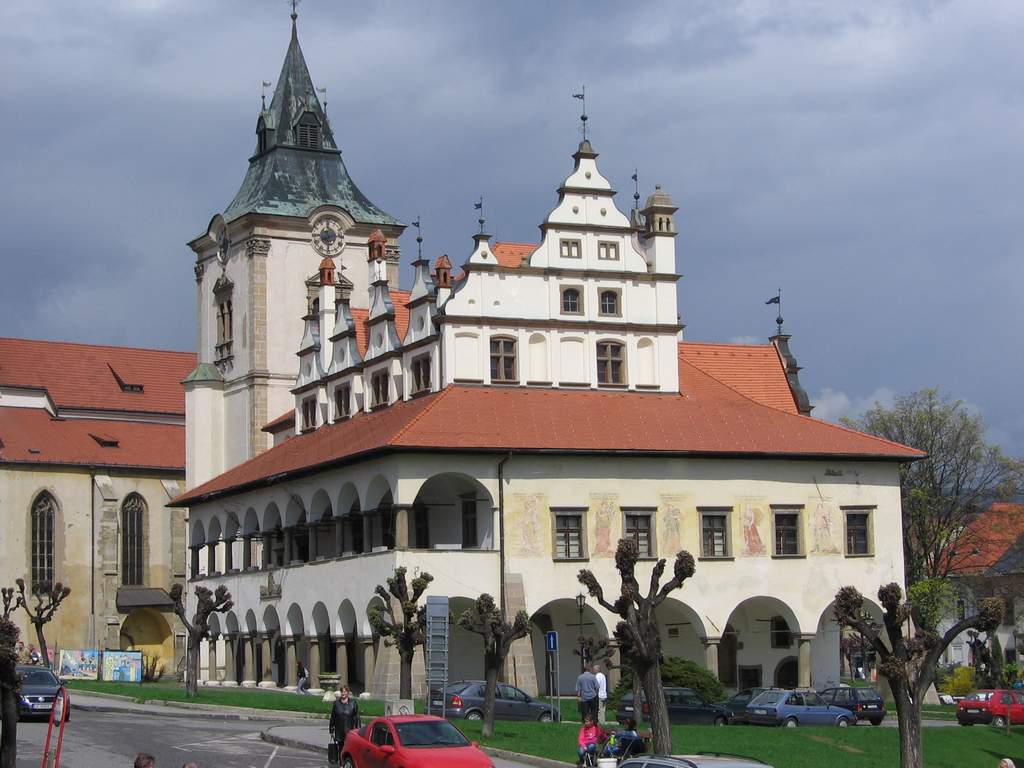
Levoca Old Town: Explore the stunning architecture, culture, and history of Levoca Old Town, an idyllic small town in Slovakia.

Levoča: Take a trip to the stunning mountain town of Levoča in Slovakia and explore its historical buildings, vibrant culture, and breathtaking landscapes.

Kremnica Mint: Discover the centuries-old tradition of coinage and explore all the wonders of this national treasure of Slovakia.
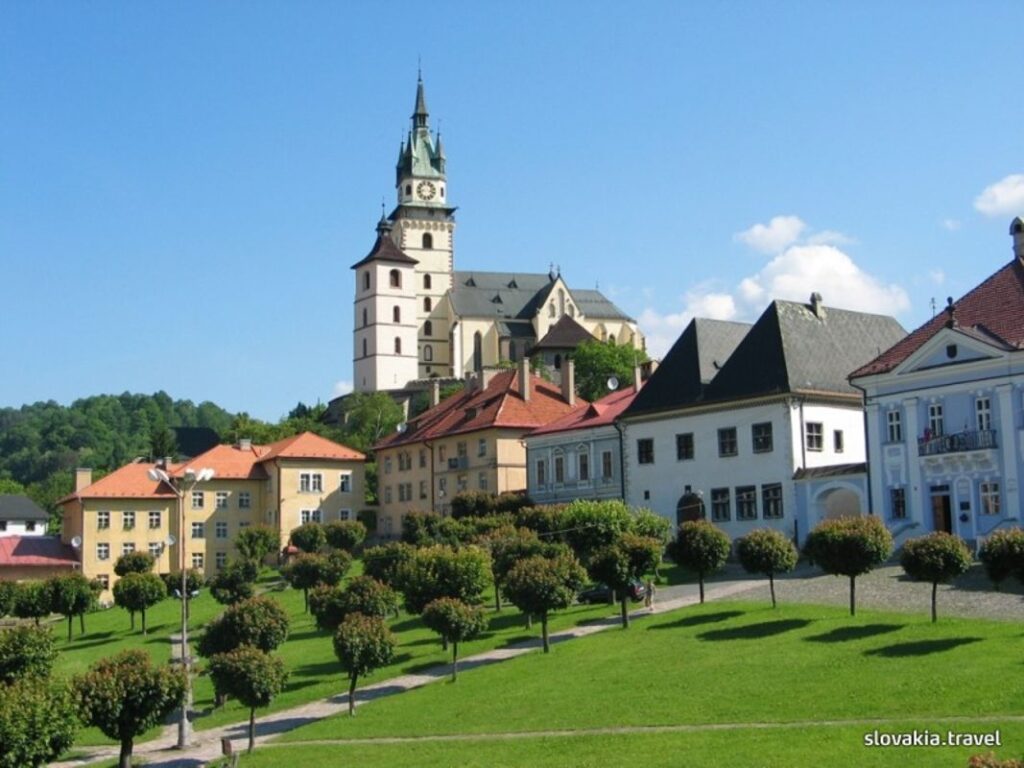
Kremnica Town Castle and Museum: Discover the unique history, culture, and artifacts of this integral part of Slovakia’s past at the fascinating Museum.
Kremnica Town Castle And Museum Read More »