
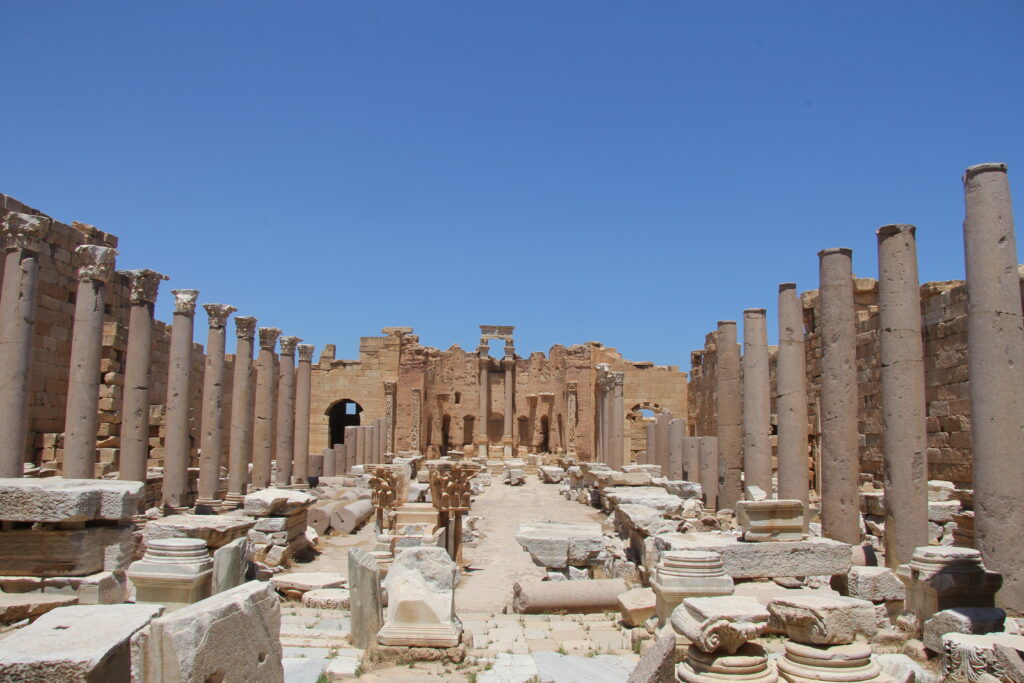
Leptis Magna: Exploring the Ancient Ruins of Libya
Leptis Magna, an ancient port city in Libya, is an archaeological site of immense importance. Located on the Mediterranean coast near the modern city of Tripoli, the ruins of Leptis Magna offer a fascinating insight into the rich and varied history of the region. From ancient Greek and Roman empires to the rise of the Islamic dynasties, Leptis Magna is an incredibly well-preserved window into the past.
A Brief History of Leptis Magna
Leptis Magna was founded in the first century BC by the Punic people of North Africa, who named it Lepcis Magna. It is believed to have been an important trading port, giving it a prominent role in the Mediterranean trade network. In the third century BC, the city was conquered by the Romans and became an important base for their forces. During the reign of the Roman Emperor Septimius Severus, the city was greatly expanded and decorated, and became an important cultural center.
In the seventh century AD, Leptis Magna was conquered by the Islamic forces, and the city began to decline. By the 12th century, the city was in ruins and was largely abandoned. It wasn’t until the early 20th century that archaeological work began, revealing the city’s incredible historical significance.
What to See at Leptis Magna
The ruins of Leptis Magna are an incredible sight to behold. The city is particularly well-known for its grand public buildings, which provide a fascinating glimpse into the splendor of the city in its heyday. Here are some of the most impressive sights to explore:
- The Arch of Septimius Severus: This grand arch was built to commemorate the visit of the Roman Emperor Septimius Severus to the city. It is an impressive example of Roman architecture, and is decorated with sculptures of the emperor and his family.
- The Forum: This large public square was the center of civic life in ancient Leptis Magna. It is surrounded by grand colonnades and is home to several important monuments, including the Temple of Liber Pater and the Temple of Fortuna.
- The Amphitheatre: The amphitheatre of Leptis Magna is an impressive example of Roman engineering. It is still largely intact, and is a popular spot for visitors to explore. It is also home to some spectacular mosaics, which are well worth a visit.
- The Baths: The baths of Leptis Magna were a major part of Roman life. They are still in remarkably good condition, and it is easy to imagine the citizens of the city enjoying their leisure time here.
Visiting Leptis Magna
Leptis Magna is a popular destination for tourists visiting Libya. The ruins are open to the public, and the city is easily accessible from the nearby city of Tripoli. There is a small museum onsite, which provides an excellent introduction to the history of the city.
The ruins of Leptis Magna are an incredible sight to behold, and they offer an insight into the rich and varied history of the region. From the grand public buildings to the impressive amphitheatre, it is easy to see why Leptis Magna is such an important archaeological site. Whether you’re a history buff or simply looking for a unique experience, Leptis Magna is well worth a visit.