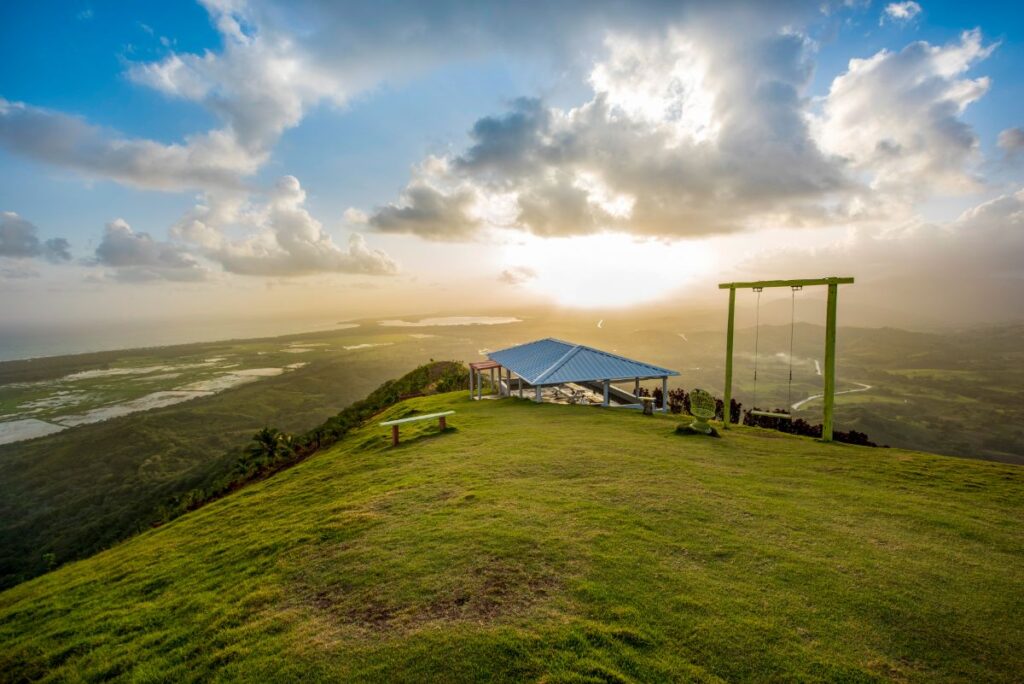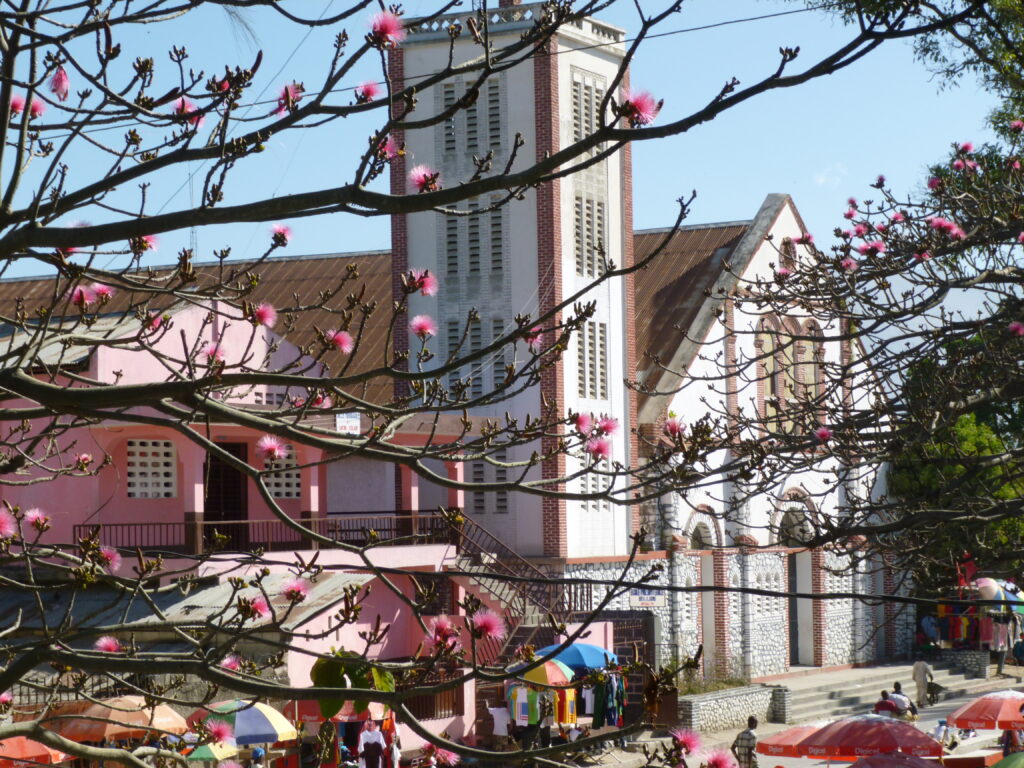
Mirebalais
Mirebalais: Take a journey into the heart of Mirebalais and uncover its charming mix of traditional culture, historical sites, and wonderful scenery.
Haiti is a Caribbean country located on the western part of the island of Hispaniola, which it shares with the Dominican Republic to the east. Covering an area of approximately 27,750 square kilometers (10,714 square miles), Haiti has a population of about 11 million people. The capital and largest city is Port-au-Prince.
Haiti is known for its rich cultural heritage, vibrant history, and significant contributions to the African diaspora. It was the site of the first successful slave revolt in the world, which led to its independence from France on January 1, 1804. This historic event made Haiti the first independent black republic and the second oldest independent nation in the Western Hemisphere, after the United States.
Despite its historical significance and cultural richness, Haiti has faced considerable challenges. The country has struggled with political instability, economic difficulties, and natural disasters. The devastating earthquake in 2010 caused widespread destruction and loss of life, further compounding the country’s problems. However, the resilience and spirit of the Haitian people have remained strong, and efforts to rebuild and develop the nation continue.
Haiti’s culture is a vibrant blend of African, French, Spanish, and indigenous Taíno influences. This cultural fusion is evident in the country’s music, art, and religious practices. Haitian Vodou, a syncretic religion combining African spiritual traditions and elements of Catholicism, plays a significant role in the cultural life of the country. Music genres such as compas (kompa), rara, and mizik rasin are popular and reflect the dynamic cultural landscape.
Haitian cuisine is flavorful and diverse, featuring dishes such as griot (fried pork), tasso (fried beef), and diri ak djon djon (rice with black mushrooms). The use of fresh ingredients, herbs, and spices is central to Haitian cooking, which often includes rice, beans, plantains, and various meats.
Haiti’s natural beauty is characterized by its mountainous terrain, lush forests, and stunning coastline. The Citadelle Laferrière, a massive fortress built after independence, is a UNESCO World Heritage site and a symbol of Haitian resilience and ingenuity.
Overall, Haiti is a country of profound historical importance, rich cultural traditions, and natural beauty. Despite the challenges it faces, the spirit and creativity of its people continue to shine, making Haiti a unique and compelling nation in the Caribbean.
Mirebalais: Take a journey into the heart of Mirebalais and uncover its charming mix of traditional culture, historical sites, and wonderful scenery.
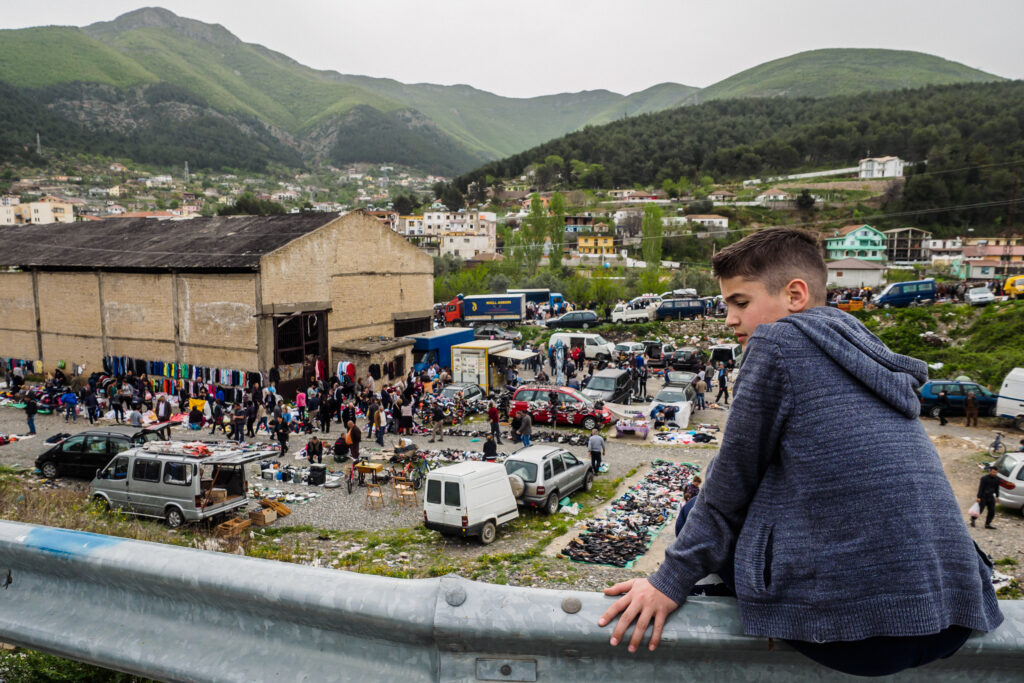
Milot: Visit the quaint town of Milot in Haiti, home to the Citadelle Laferriere fortress and an array of 18th century architecture.
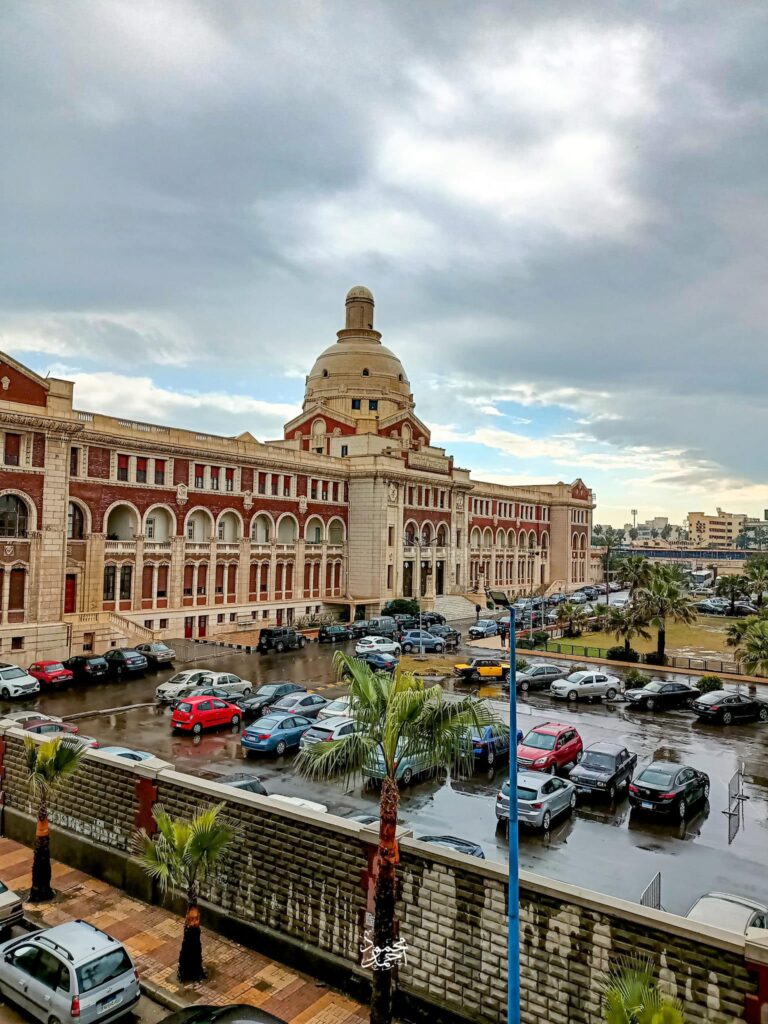
Saint-Marc: Explore the authentically Haitian city of Saint-Marc, with its vibrant culture, colonial architecture and beautiful beaches.
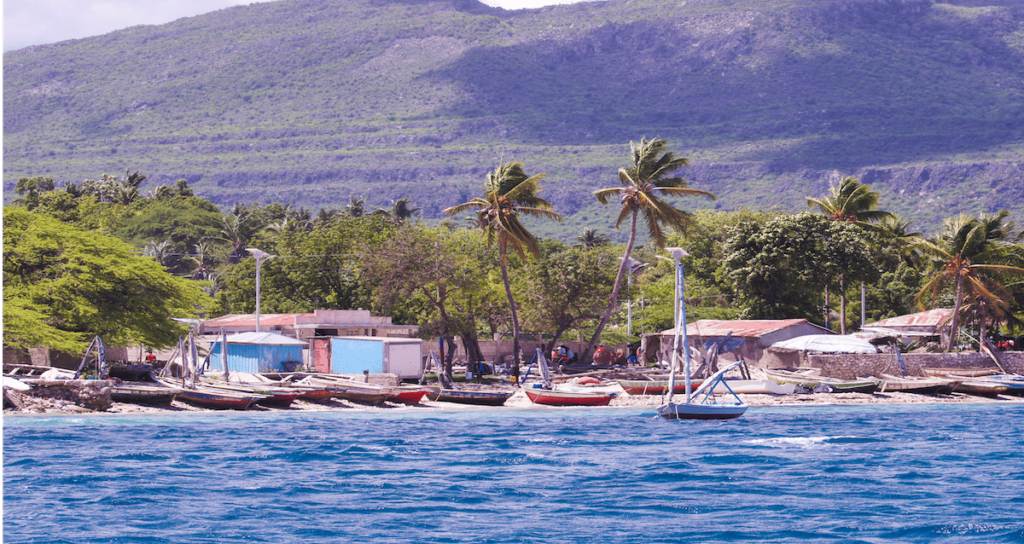
Môle Saint-Nicolas: Discover the port town of Môle Saint-Nicolas, Haiti’s gateway to the Caribbean Sea.
Môle Saint-Nicolas Read More »
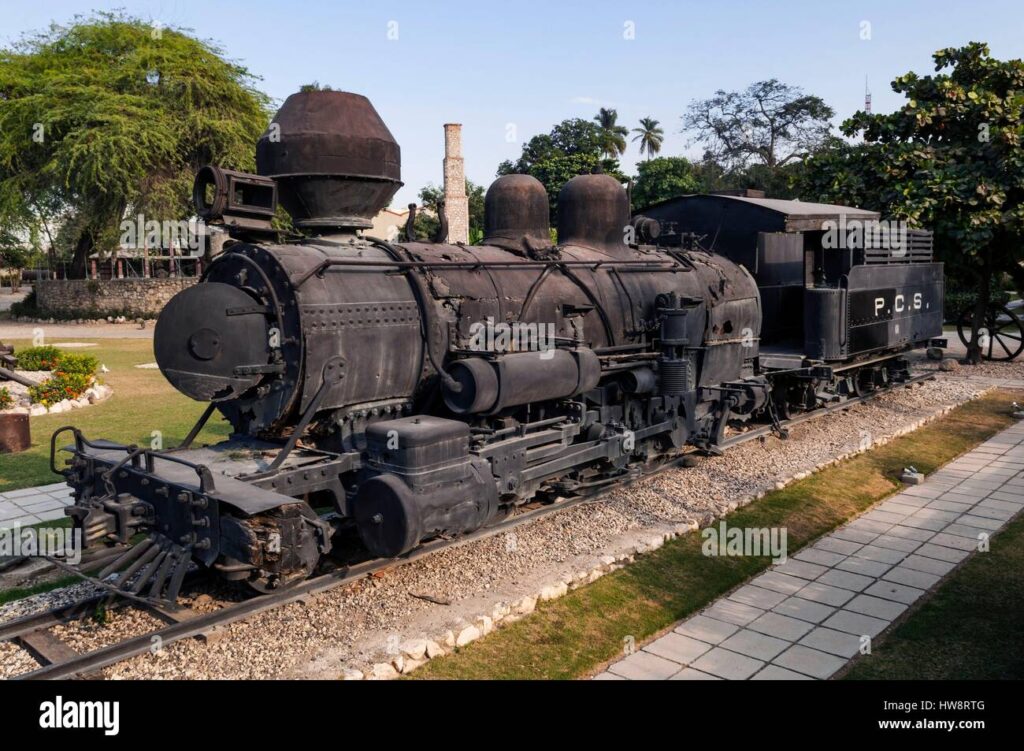
Tabarre: Explore Tabarre, a vibrant neighborhood in Port-au-Prince, Haiti with a history that dates back to 1786.
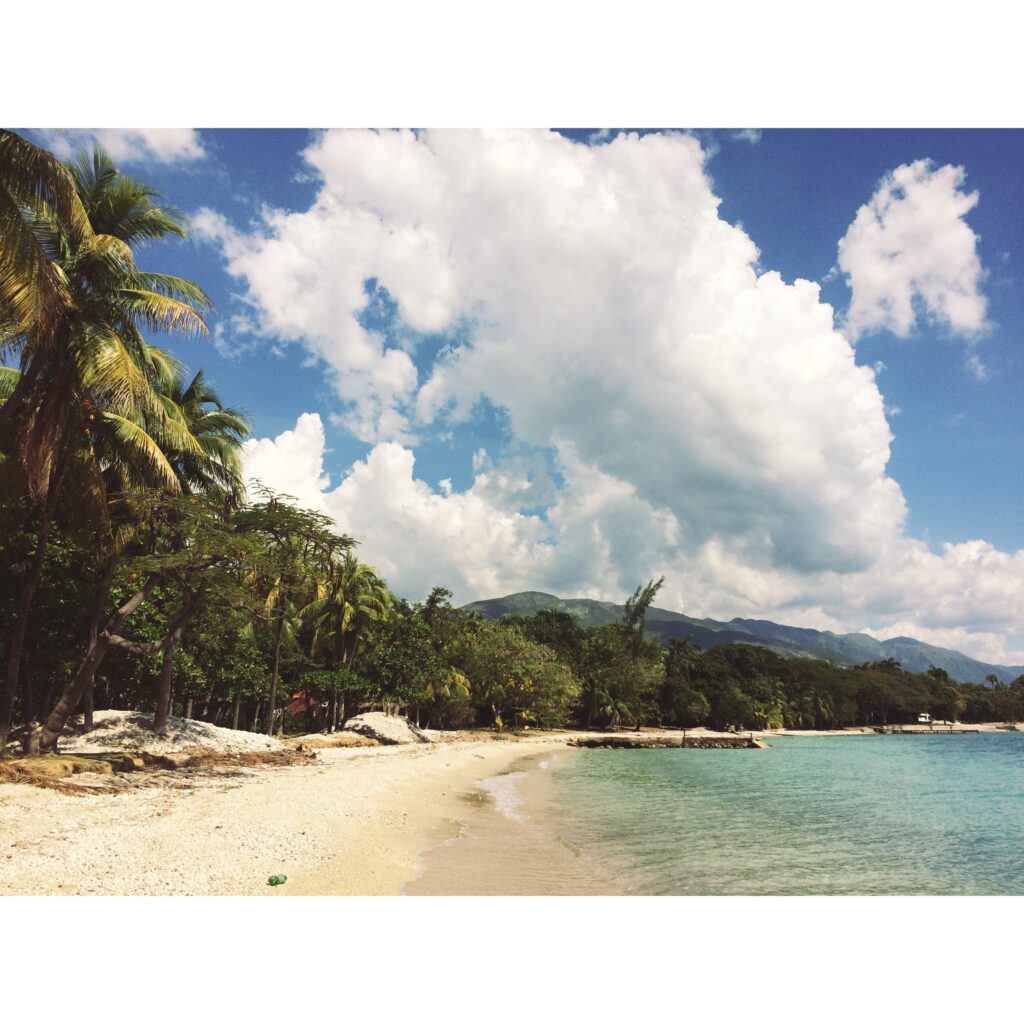
Montrouis: Discover the hidden gems of the colorful Montrouis district, a cultural and historic oasis in Haiti.
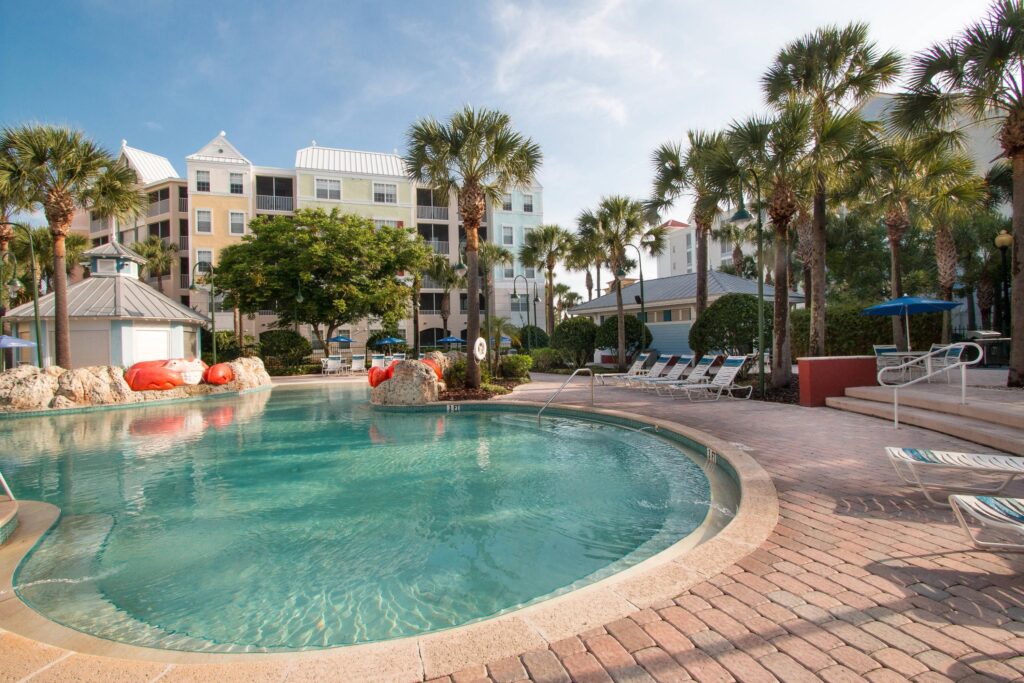
Buena Vista Cay: Discover the tropical paradise of Buena Vista Cay, located in the Caribbean.
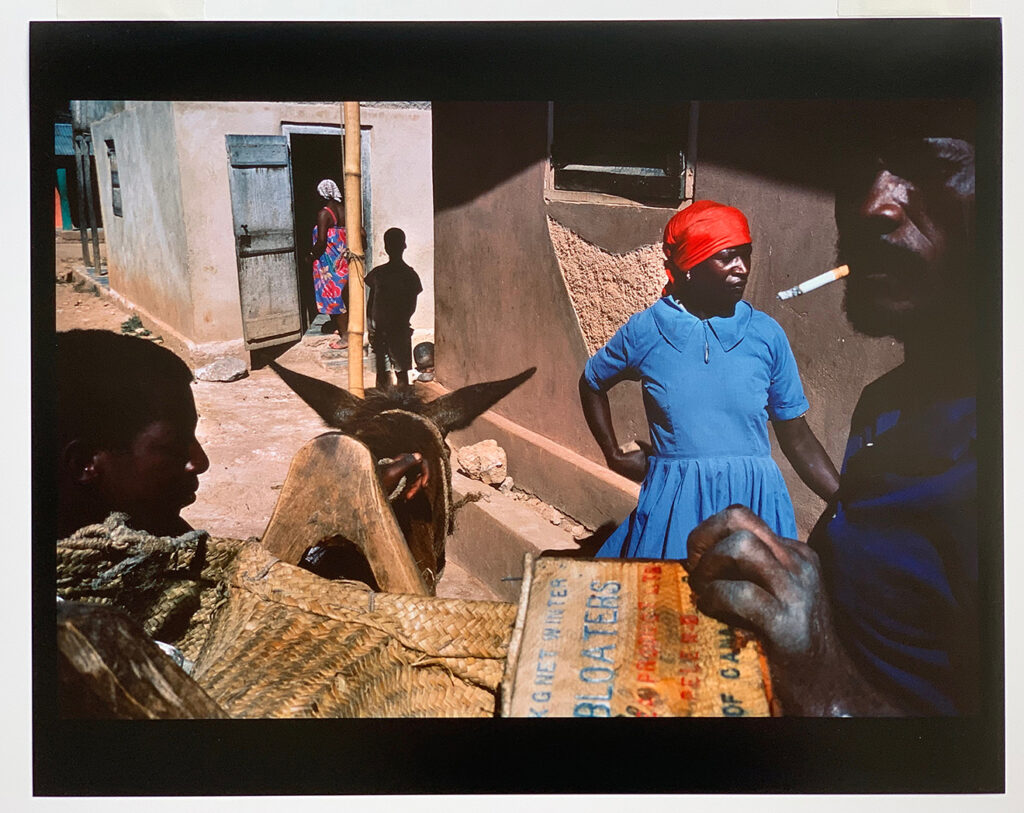
Bombardopolis: Take a journey of discovery to the vibrant city of Bombardopolis, where you’ll find unique architecture and fascinating cultures.
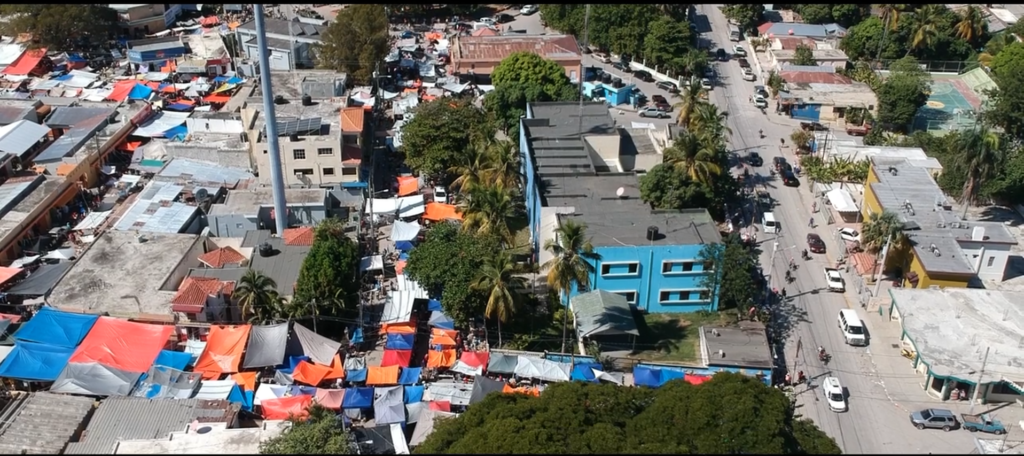
Belladère: Discover Belladère’s colonial charm and natural beauty in a unique mountain paradise.