
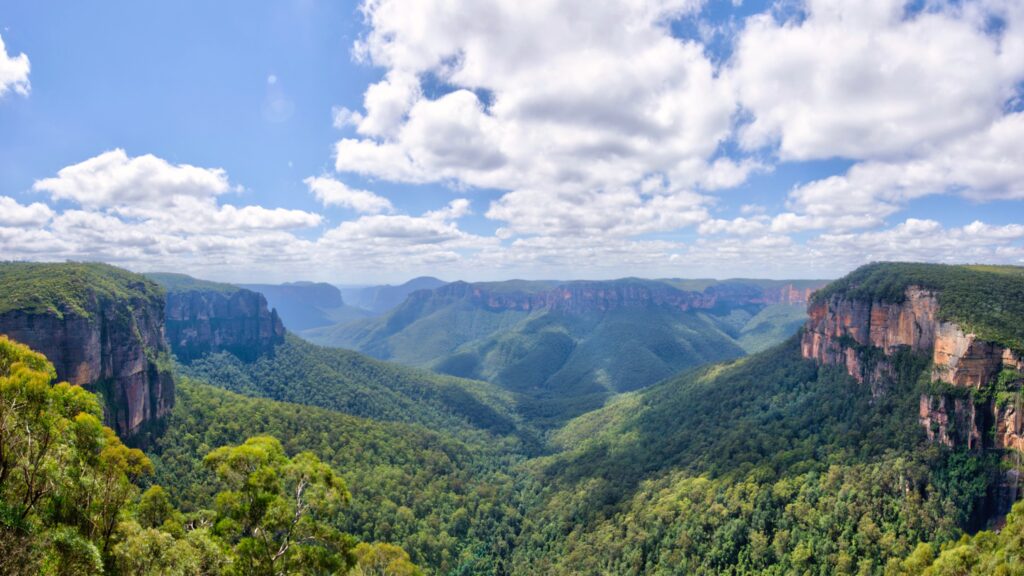
Blue Mountains National Park
Blue Mountains National Park: Uncover the natural wonders of the Blue Mountains National Park, located in New South Wales, Australia.
Blue Mountains National Park Read More »
Oceania is a vast geographic region comprising numerous islands and countries in the Pacific Ocean. It includes Australia, New Zealand, Papua New Guinea, and the island nations of Melanesia, Micronesia, and Polynesia. Oceania is characterized by its diverse cultures, languages, and ecosystems.
Australia, the largest country in Oceania, is known for its unique wildlife, including kangaroos and koalas, and iconic landmarks like the Sydney Opera House and the Great Barrier Reef. New Zealand, famous for its stunning landscapes and Maori culture, consists of two main islands, the North Island and the South Island.
Melanesia includes countries such as Papua New Guinea, Fiji, and the Solomon Islands, where traditional customs and rich biodiversity are prevalent. Micronesia, with its many small islands and atolls, includes countries like Palau and the Federated States of Micronesia. Polynesia spans a vast area, including Hawaii, Samoa, Tonga, and French Polynesia, known for their vibrant cultures, languages, and traditions.
Oceania’s history is marked by ancient seafaring peoples who navigated vast distances using sophisticated techniques. European colonization significantly impacted the region, bringing about profound cultural and political changes. Today, Oceania’s nations are known for their efforts to preserve indigenous cultures while participating in the global community. The region faces contemporary challenges such as climate change, which threatens many low-lying islands, and efforts to maintain biodiversity and sustainable development.
Blue Mountains National Park: Uncover the natural wonders of the Blue Mountains National Park, located in New South Wales, Australia.
Blue Mountains National Park Read More »
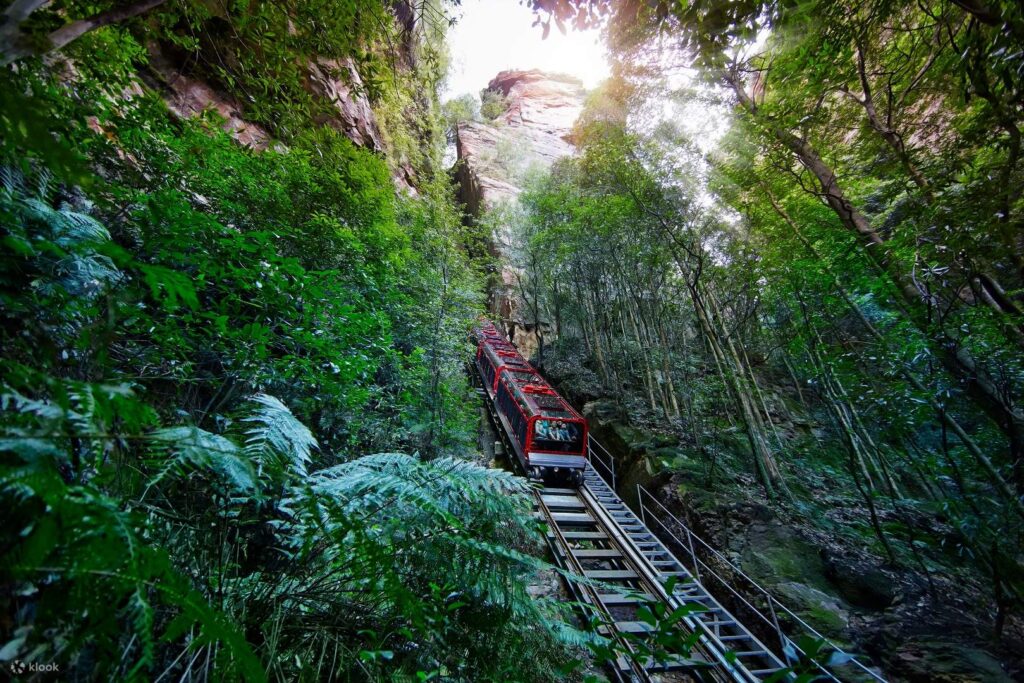
Blue Mountains: Explore one of the world’s most beautiful mountain ranges and discover its cultural and historical charm.
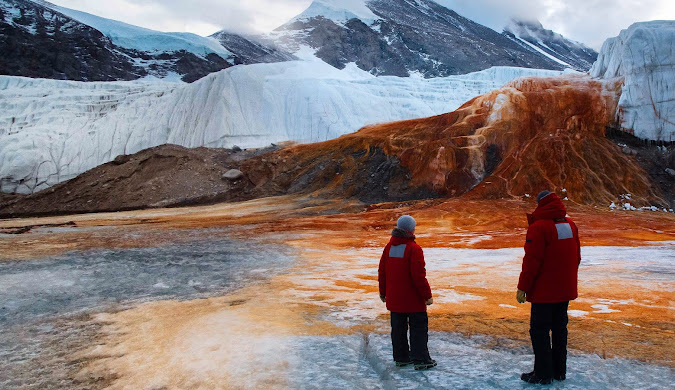
Blood Falls: Antarctica’s Mysterious Crimson Cascade In the remote, icy expanse of Antarctica, a peculiar and chilling spectacle defies the continent’s monochrome landscape: Blood Falls. Located at the edge of the Taylor Glacier, this eerie natural wonder exudes a striking red flow, resembling a gush of blood amidst the pristine white and blue of the
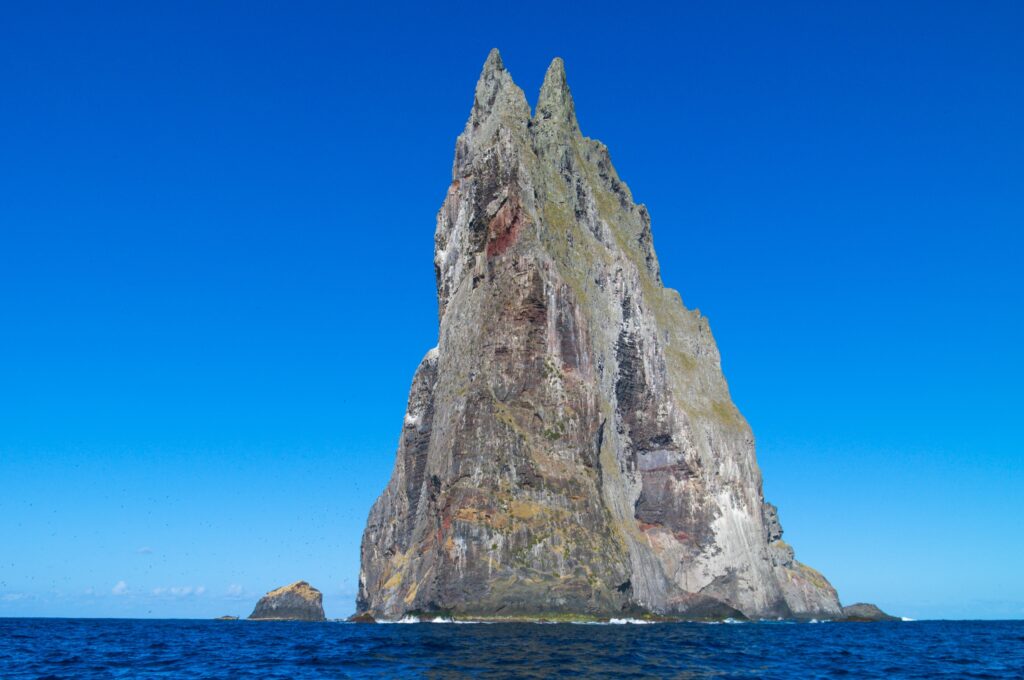
Ball’S Pyramid: Get up close to an impressive sea stack located off the coast of Australia.
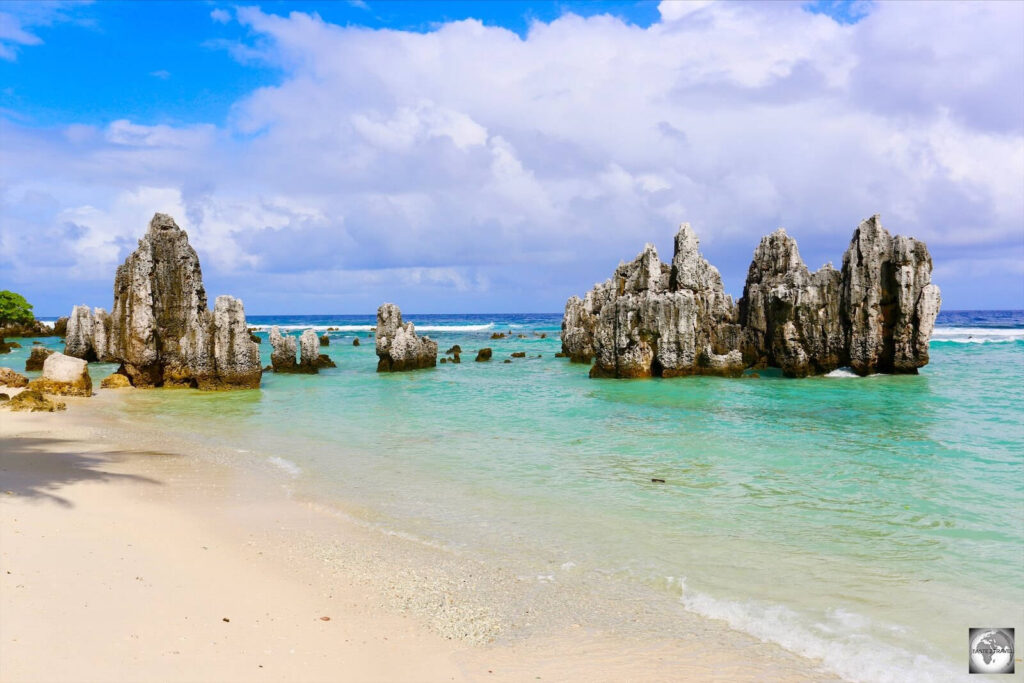
Anibare Bay: Discover the wonders of the Marshall Islands’ natural beauty by exploring Anibare Bay.
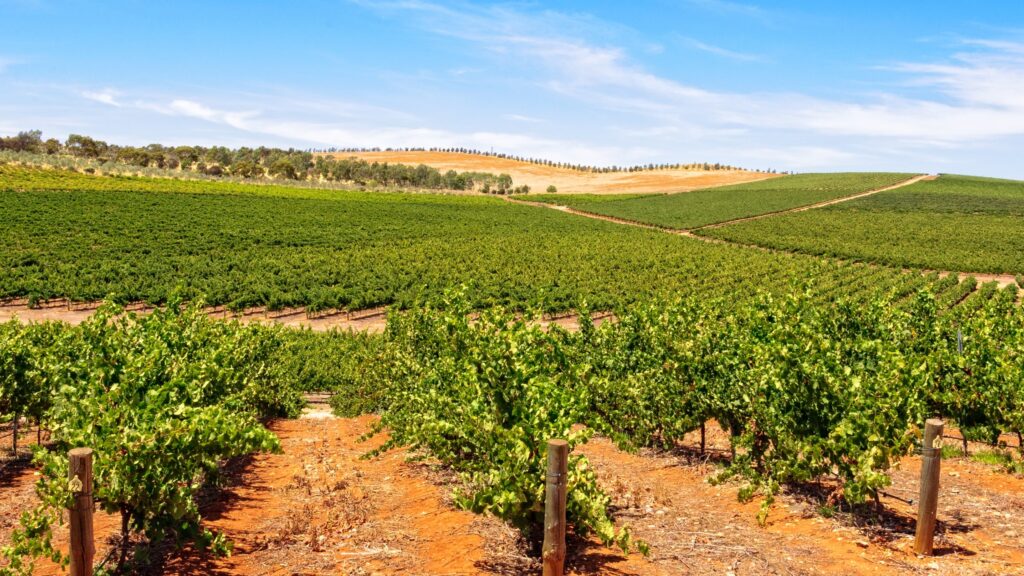
The Clare Valley: Explore the picturesque vineyards, rolling hills, and vibrant towns of this Australian wine region.
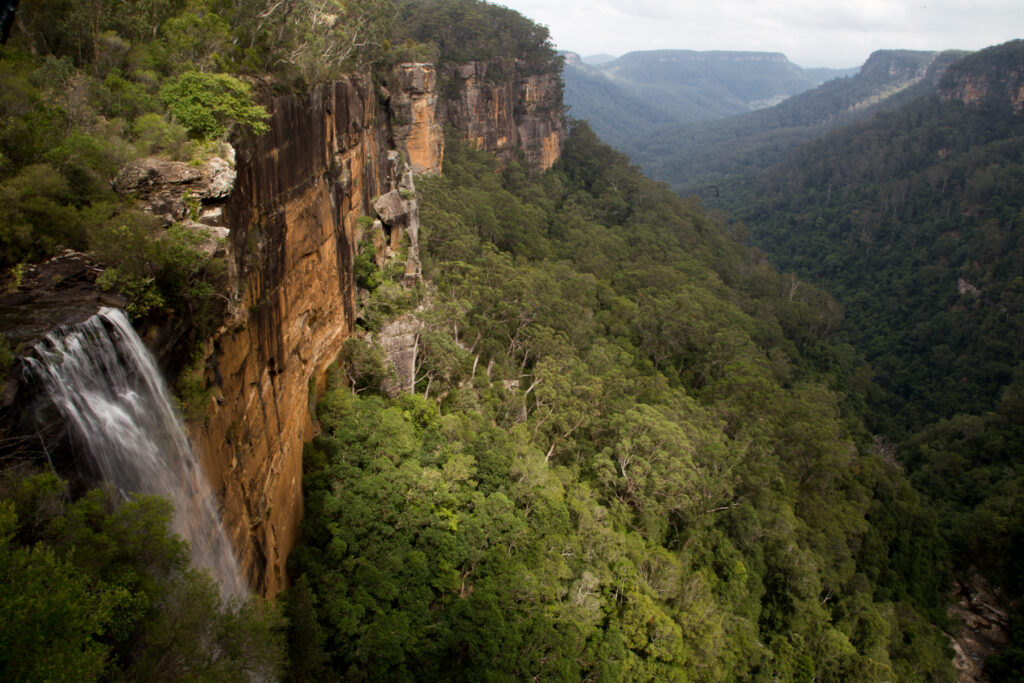
The Fitzroy Falls: Immerse yourself in the natural beauty of this spectacular waterfall located in Australia’s southeastern New South Wales.
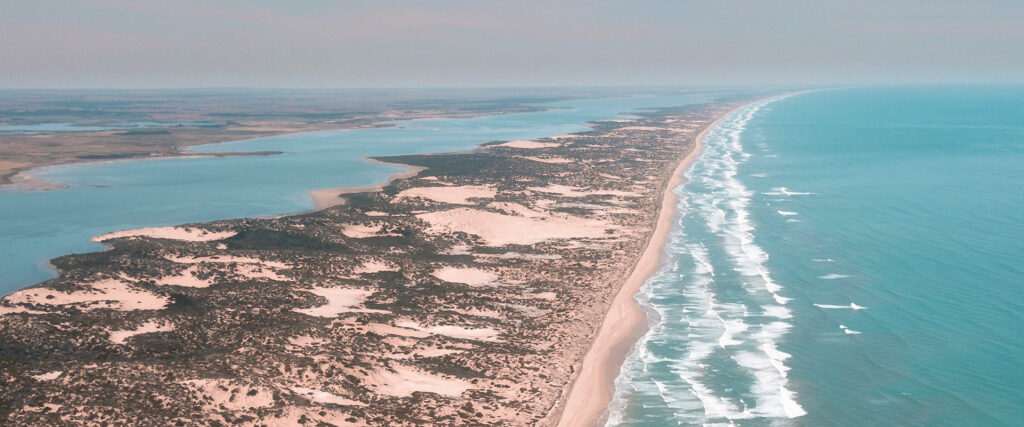
The Coorong: Explore the unique landscapes of The Coorong and its rich biodiversity with a trip to this iconic destination.
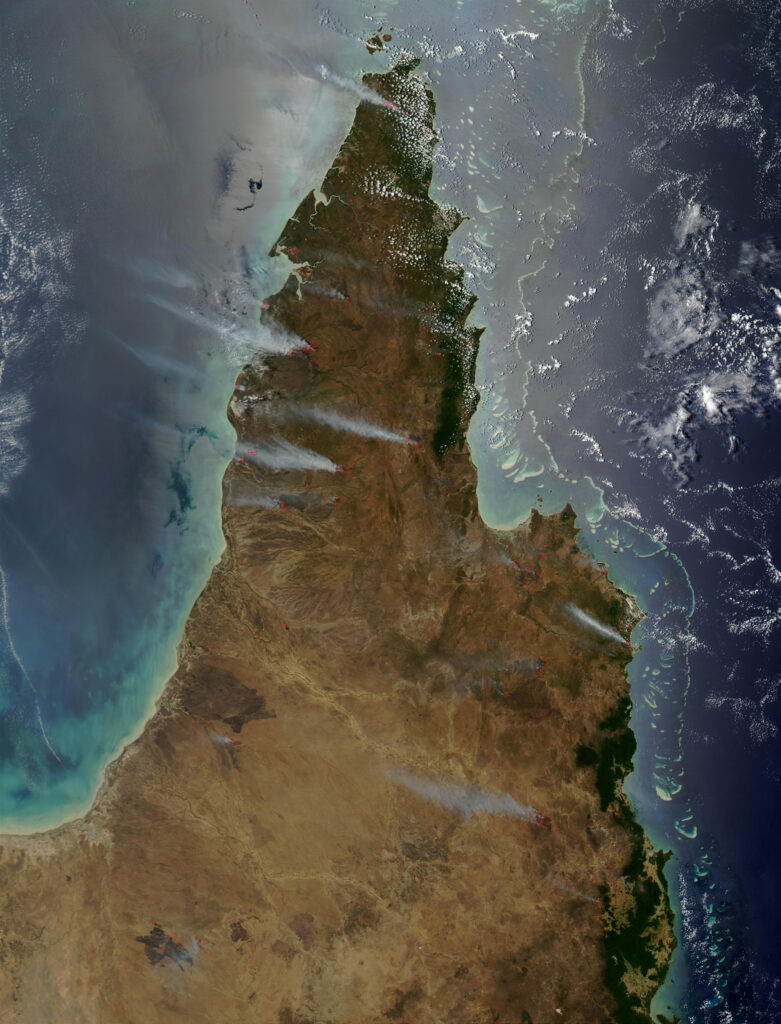
The Cape York Peninsula: Journey to the northernmost tip of Australia for an unforgettable adventure.
The Cape York Peninsula Read More »

The Limestone Coast: Take a trip to Australias Limestone Coast and witness the wonders of nature and culture.
The Limestone Coast Read More »