
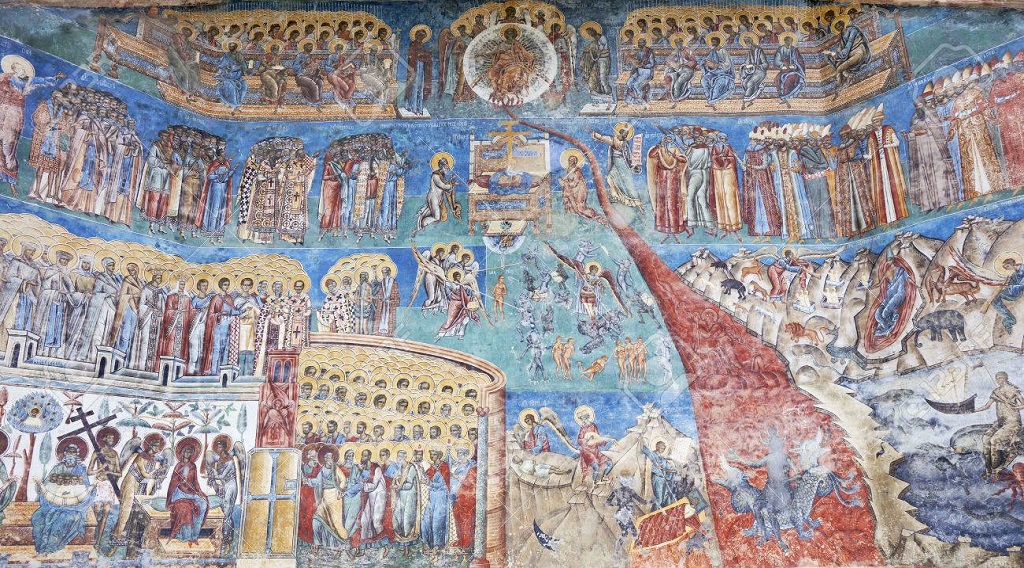
The Voronet Monastery: A Historical Treasure and Unique Landmark in Romania
The Voronet Monastery is a unique and awe-inspiring historical landmark located in the Romanian region of Bucovina, a region that has been called the “Sistine Chapel of the East.” The Voronet Monastery was built in 1488 by Stephen the Great, the Prince of Moldavia, to commemorate his victory in the Battle of Vaslui. It is one of the most impressive of the many churches and monasteries that were built by Stephen the Great in his effort to promote Christianity in the region.
Today, the Voronet Monastery is a popular tourist destination and a beloved symbol of Romania’s history and culture. It is renowned for its unique frescoes, which are considered among the most beautiful examples of Byzantine art in the world. The monastery has been designated a UNESCO World Heritage Site and is one of the most visited religious sites in Romania.
History of The Voronet Monastery
The Voronet Monastery was built in 1488 by Stephen the Great, the Prince of Moldavia, to commemorate his victory in the Battle of Vaslui. The monastery was built in a traditional Byzantine style and was named after the nearby Voronet village. The church was dedicated to the Archangel Michael and was painted with frescoes depicting religious scenes from the Old and New Testaments.
The monastery was a center of religious and cultural activity for centuries. Various rulers and rulers of Moldavia made significant donations to the monastery and it became a powerful religious and political center in the region. The monastery was damaged and rebuilt several times over the centuries, until it was eventually abandoned in the 19th century. In the 20th century, the monastery was restored and has become a popular tourist destination.
The Frescoes of The Voronet Monastery
The Voronet Monastery is renowned for its unique frescoes, which are considered among the most beautiful examples of Byzantine art in the world. The frescoes were painted in the late 15th and early 16th centuries by a team of local and Italian painters. The frescoes depict scenes from the Old and New Testaments, as well as various religious and cultural symbols. The most famous of these frescoes is the “Last Judgment” painting, which depicts a scene of the afterlife.
The frescoes of the Voronet Monastery have been praised for their vibrant colors and intricate details. The frescoes were painted using a technique known as “buon fresco,” which uses pigments mixed with a lime-based mortar. This technique results in bright and vivid colors that are still clearly visible today, despite the passage of time.
Visiting The Voronet Monastery
The Voronet Monastery is a popular tourist destination and a beloved symbol of Romania’s history and culture. The monastery is open to visitors year-round and attracts thousands of visitors each year. Visitors can explore the monastery’s grounds and admire the frescoes, which are still in excellent condition.
The monastery is located in the town of Gura Humorului, which is about 40 kilometers from the city of Suceava. The nearest airport is located in Suceava, and there are regular bus and train services to the town. Visitors can also rent a car and drive to the monastery.
Conclusion
The Voronet Monastery is an awe-inspiring historical landmark located in the Romanian region of Bucovina. The monastery was built in 1488 by Stephen the Great, the Prince of Moldavia, to commemorate his victory in the Battle of Vaslui. It is renowned for its unique frescoes, considered among the most beautiful examples of Byzantine art globally. The frescoes, depicting scenes from the Old and New Testaments, showcase vibrant colors and intricate details, crafted using the “buon fresco” technique.