
Introduction
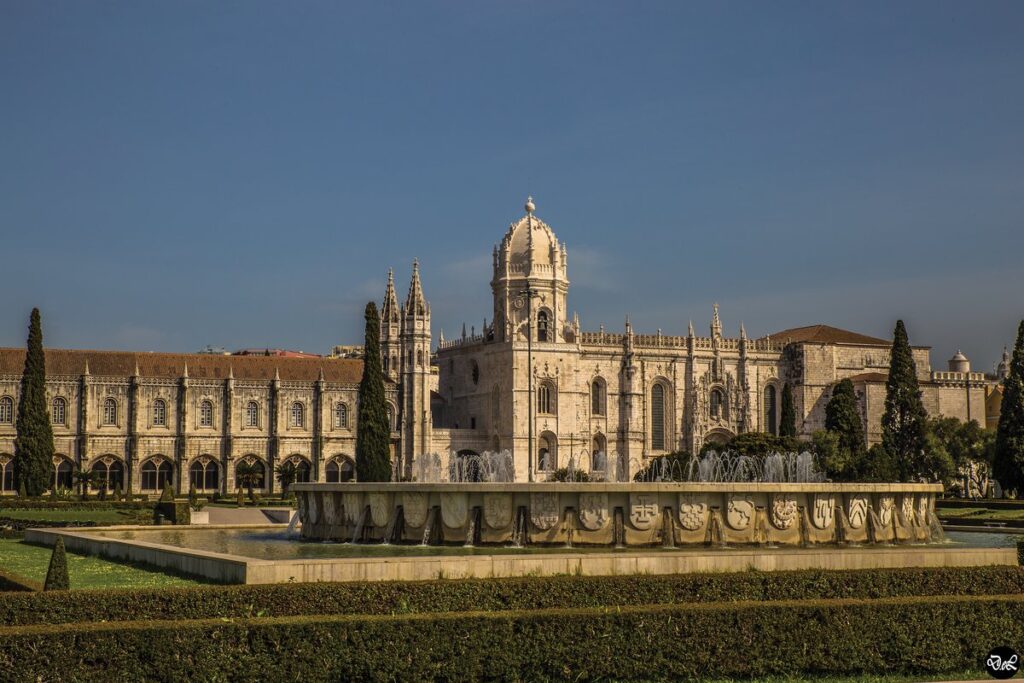
The Jerónimos Monastery, or Hieronymites Monastery, is a major tourist attraction in Portugal and is a stunning example of Manueline architecture. Located in the beautiful city of Lisbon, this 16th-century monastery is listed as a UNESCO World Heritage Site and is considered to be one of the most important examples of Portuguese religious architecture. In this article, we’ll explore the history, architecture, and significance of the Jerónimos Monastery.
History of Jerónimos Monastery
The Jerónimos Monastery was founded in 1502 by King Manuel I of Portugal as a sign of gratitude after the successful return of Vasco da Gama’s expedition from India. The monastery was built in the Manueline style, a Portuguese architectural style that was heavily influenced by the Late Gothic and Renaissance styles. It was constructed on the site of a former hermitage dedicated to Santa Maria de Belém, which is why it is sometimes referred to as the Monastery of Santa Maria de Belém.
The monastery was built to commemorate the Age of Discovery and to honor the explorers who helped spread Christianity and Portuguese influence around the world. It was also intended to serve as a burial place for the Portuguese royal family. The Jerónimos Monastery was consecrated in 1517 and remained a religious building until 1833, when it was secularized and turned into a museum.
Architecture of Jerónimos Monastery
The monastery is considered to be one of the finest examples of Manueline architecture in the world. The main facade is decorated with intricate carvings and sculptures, including a statue of Vasco da Gama, and the interior is equally impressive. The cloister is lined with 16th-century azulejos (decorative tiles) and the church is adorned with intricate stonework and carved wooden ceilings.
The most iconic feature of the monastery is the grand entrance arch, known as the Porta da Fundação (Foundation Door). This grand archway is decorated with elaborate carvings of the armillary sphere, a symbol of King Manuel I’s reign.
Significance of Jerónimos Monastery
The Jerónimos Monastery is an important symbol of Portugal’s Age of Discovery and its golden era of exploration. It also serves as a reminder of the country’s religious heritage and its connection to the Catholic Church. The monastery was declared a UNESCO World Heritage Site in 1983 and is one of the most visited sites in Portugal.
The monastery is also home to the important Museum of Archaeology, which displays archaeological artifacts from Portugal’s past, including ceramics, sculptures, and coins. There is also a small chapel dedicated to Saint Jerome, the patron saint of the monastery.
Conclusion
The Jerónimos Monastery is an impressive example of Manueline architecture that stands as a symbol of Portugal’s Age of Discovery. This stunning 16th-century monument is an important part of Lisbon’s history and culture, and its UNESCO World Heritage status ensures that it will be preserved for future generations. With its impressive facade, intricate carvings, and important artifacts, the Jerónimos Monastery is a must-see for any visitor to Lisbon.