Ntahangwa Market
Ntahangwa Market: Get an insight into the bustling Ntahangwa Market, renowned for its renowned local goods and crafts.
Burundi, officially the Republic of Burundi, is a small, landlocked country in East Africa, bordered by Rwanda to the north, Tanzania to the east and south, and the Democratic Republic of the Congo to the west. The southwestern border is marked by Lake Tanganyika, one of the world’s deepest and oldest lakes. The capital city is Gitega, while Bujumbura is the largest city and economic center.
Burundi has a rich history that includes ancient kingdoms, colonization, and post-independence challenges. The Kingdom of Burundi was a prominent regional power before European colonization. In the late 19th century, Germany and later Belgium colonized the area, incorporating it into German East Africa and then Belgian-administered Ruanda-Urundi. Burundi gained independence from Belgium in 1962.
Burundi’s post-independence history has been marked by ethnic tension and conflict between the Hutu and Tutsi ethnic groups. This tension led to several periods of violence, including civil wars and genocides, most notably in the 1990s. Efforts to achieve peace and reconciliation have been ongoing, with some progress made through various peace agreements and international support.
The economy of Burundi is predominantly agrarian, with over 90% of the population engaged in subsistence farming. Major crops include coffee, tea, maize, beans, and bananas. Coffee and tea are the main export commodities, but economic development is hampered by political instability, limited infrastructure, and poverty. Burundi is one of the world’s poorest countries, with a significant portion of its population living below the poverty line.
Culturally, Burundi is rich in traditions and practices. The country is known for its drumming, particularly the Royal Drummers of Burundi, which are internationally acclaimed. Traditional dances, music, and crafts are integral parts of Burundian culture. The official languages are Kirundi, French, and English, reflecting its ethnic heritage and colonial history.
Despite facing numerous challenges, including economic hardship and political instability, Burundi’s people are known for their resilience and strong sense of community. Efforts to promote peace, development, and national unity continue, with the hope of building a more stable and prosperous future for the country.
Ntahangwa Market: Get an insight into the bustling Ntahangwa Market, renowned for its renowned local goods and crafts.
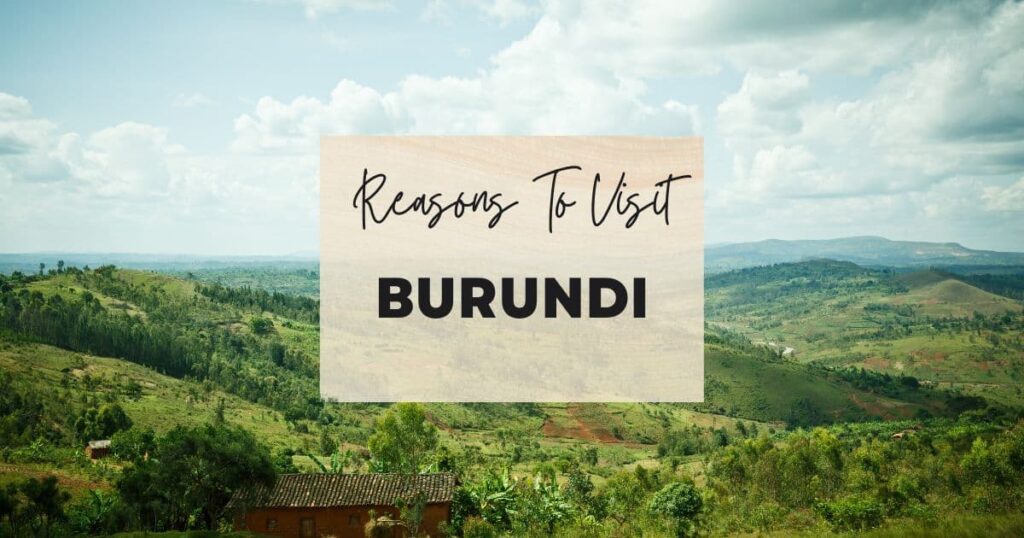
Burundi Geological Museum: Discover the wonders of Burundi’s geological history at the Burundi Geological Museum.
Burundi Geological Museum Read More »

Bujumbura Artisanal Market: Explore the unique artisanal market in Bujumbura, home to vibrant colors, local crafts, and unique items.
Bujumbura Artisanal Market Read More »
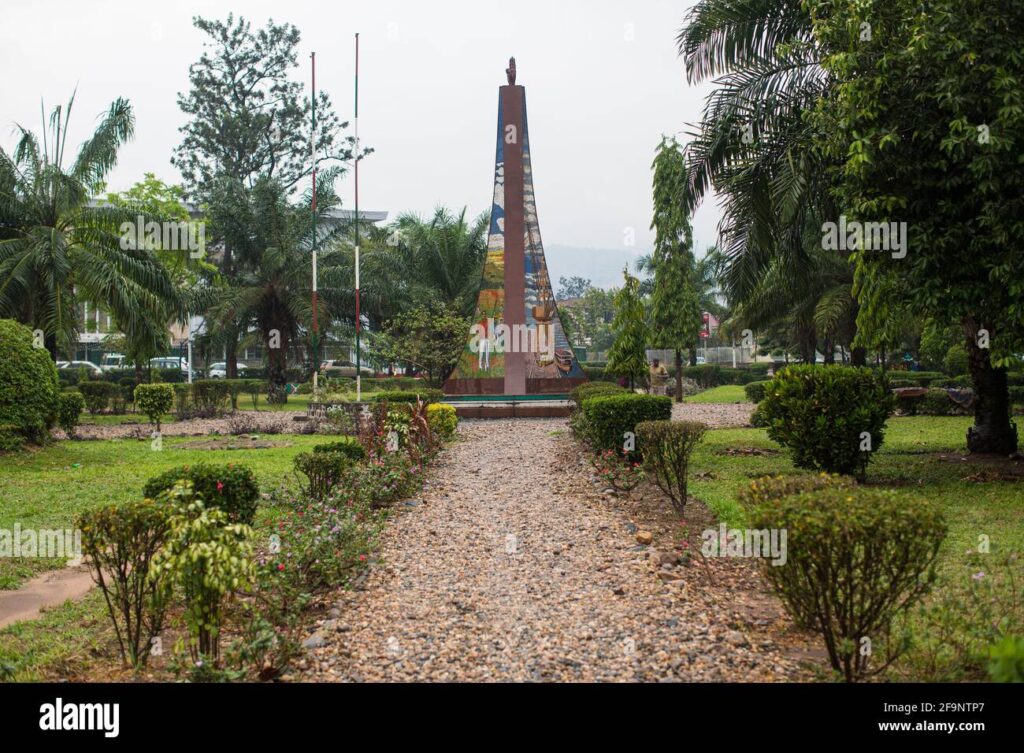
Bujumbura Botanical Gardens: Discover a traditional oasis in the heart of Bujumbura, home to vibrant flora, a peaceful ambiance, and unique sights.
Bujumbura Botanical Gardens Read More »
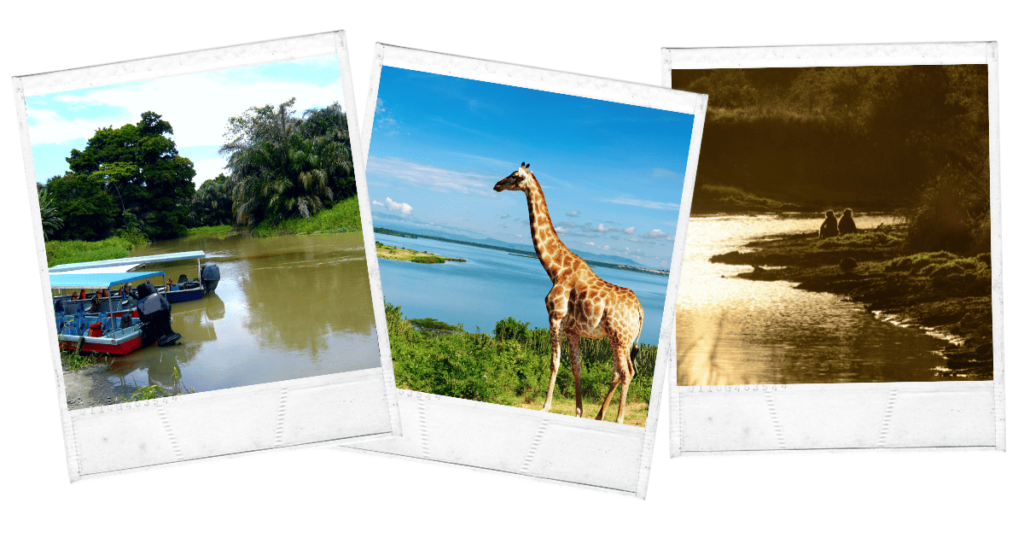
Reptile Park Of Bujumbura: Discover Africas Reptile Park of Bujumbura, home to a variety of reptiles and amphibians.
Reptile Park Of Bujumbura Read More »

Buterere Province: Learn about the geographical and historical highlights of the Buterere Province in Central Africa.
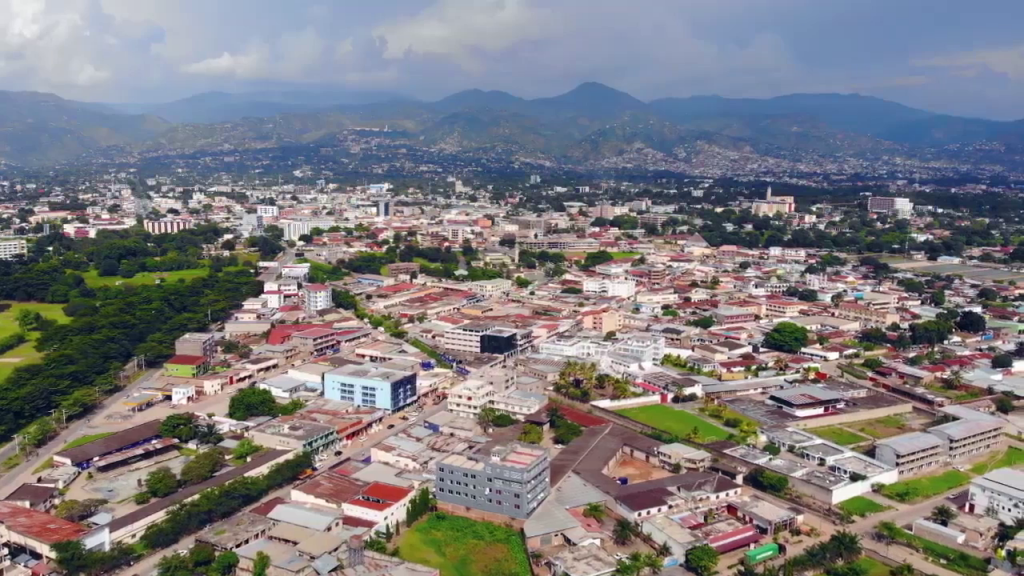
Bujumbura City Center: Discover the vibrant life of the city center of Bujumbura, Burundi, offering a variety of unique shops and restaurants.
Bujumbura City Center Read More »

Bujumbura Peace Park: Relax and take in the beauty of the Bujumbura Peace Park, a family-friendly destination in Burundi with plenty of activities to enjoy.
Bujumbura Peace Park Read More »
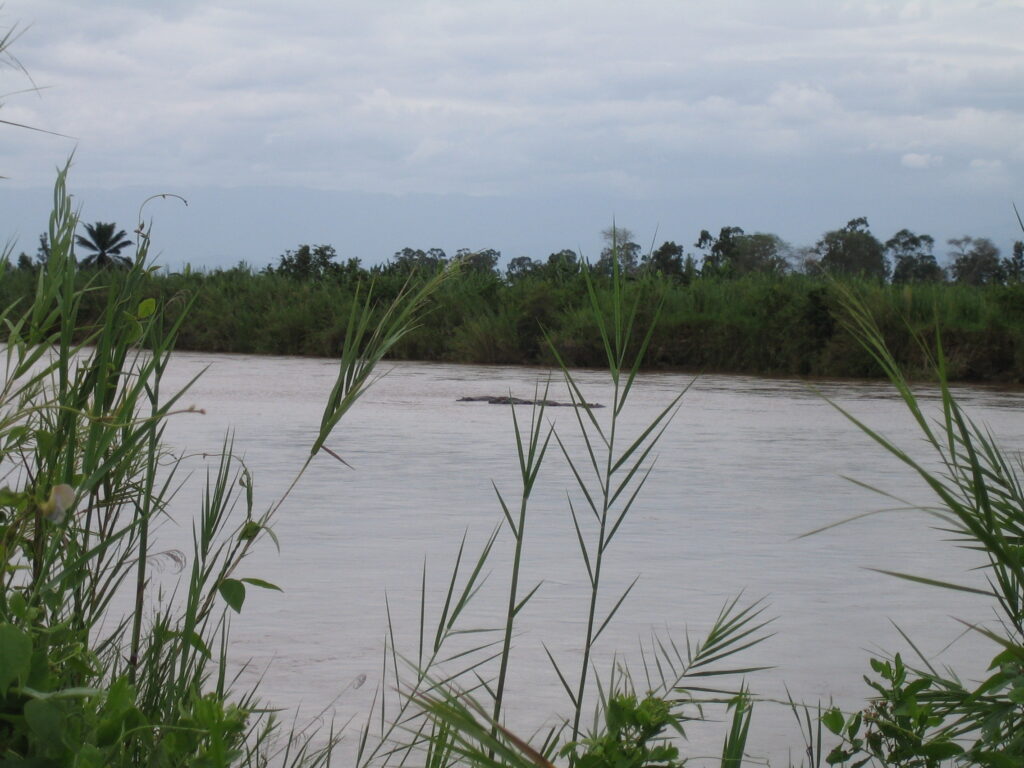
Rusizi Delta: Explore the biodiversity of the Rusizi Delta wetlands, located in Burundi; a Ramsar-protected site that is home to diverse plants and animals.