
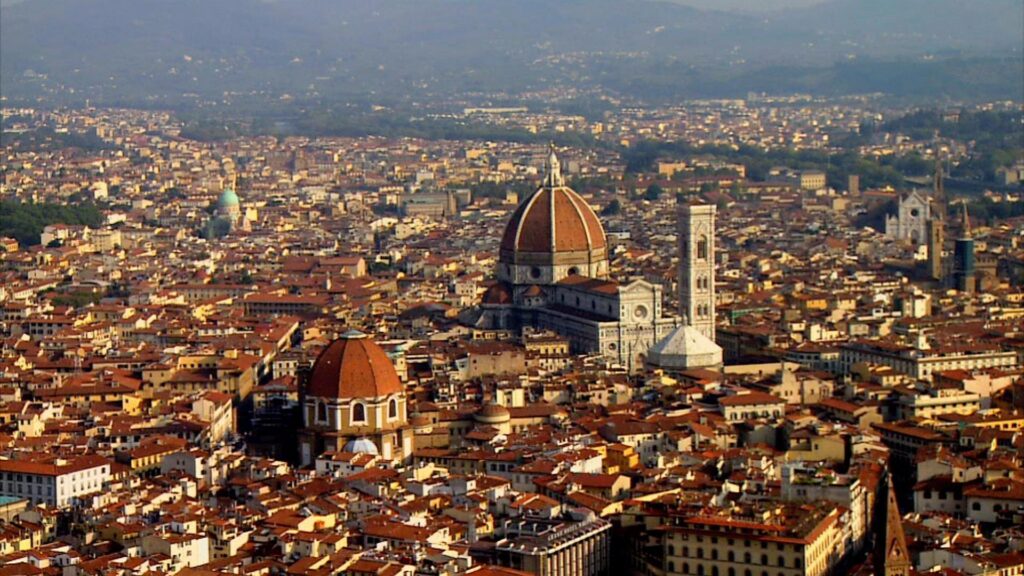
M’Banza Congo
M’Banza Congo: Learn about the history and culture of M’Banza Congo, one of Angola’s longest standing settlements.
The Republic of the Congo, often referred to as Congo-Brazzaville to distinguish it from the neighboring Democratic Republic of the Congo (Congo-Kinshasa), is a country located in Central Africa. It is bordered by Gabon to the west, Cameroon and the Central African Republic to the north, the Democratic Republic of the Congo to the east and south, and the Atlantic Ocean to the southwest. The capital and largest city is Brazzaville, situated on the Congo River directly across from Kinshasa, the capital of the Democratic Republic of the Congo.
Historically, the area now known as the Republic of the Congo was inhabited by Bantu-speaking peoples and later became part of the Kingdom of Kongo and other smaller kingdoms. European exploration began in the 15th century, and the region eventually became a French colony in the late 19th century. The Republic of the Congo gained independence from France on August 15, 1960.
The economy of the Republic of the Congo is primarily based on oil, which accounts for the majority of the country’s GDP, export earnings, and government revenue. Other economic activities include agriculture, forestry, and mining. Despite its natural wealth, the country faces economic challenges, including high unemployment, poverty, and the need to diversify its economy.
Culturally, the Republic of the Congo is diverse, with numerous ethnic groups including the Kongo, Sangha, Teke, and M’Bochi. French is the official language, while Lingala and Kituba (a Kikongo-based creole) are widely spoken. The country’s cultural heritage is reflected in its music, dance, and traditional festivals. Congolese music, particularly genres such as Soukous and Rumba, has gained international recognition and influence.
The country’s geography includes a range of landscapes from coastal plains and river basins to mountainous regions. The Congo River, one of the longest and deepest rivers in the world, is a vital waterway for transport and trade. The Republic of the Congo is also known for its rich biodiversity, with national parks like Odzala-Kokoua offering habitats for gorillas, elephants, and other wildlife.
The Republic of the Congo has experienced periods of political instability and conflict, particularly in the 1990s and early 2000s. Efforts have been made to stabilize the political situation and promote economic development, though challenges remain.
Despite these challenges, the Republic of the Congo holds potential for growth through sustainable management of its natural resources, improvements in governance, and investment in human capital. The country’s rich cultural and natural heritage also offers opportunities for tourism and cultural exchange.
M’Banza Congo: Learn about the history and culture of M’Banza Congo, one of Angola’s longest standing settlements.
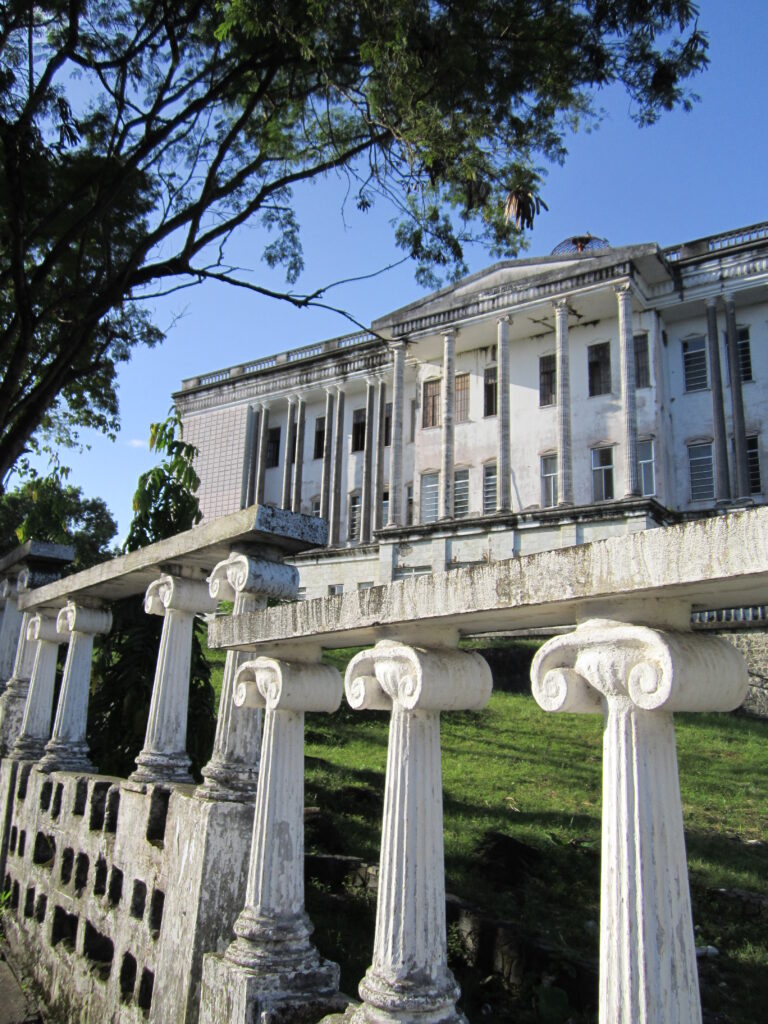
Masonic Temple In Monrovia: Learn about the history and traditions of the Masonic Order with a visit to Masonic Temple In Monrovia, Liberia.
Masonic Temple In Monrovia Read More »
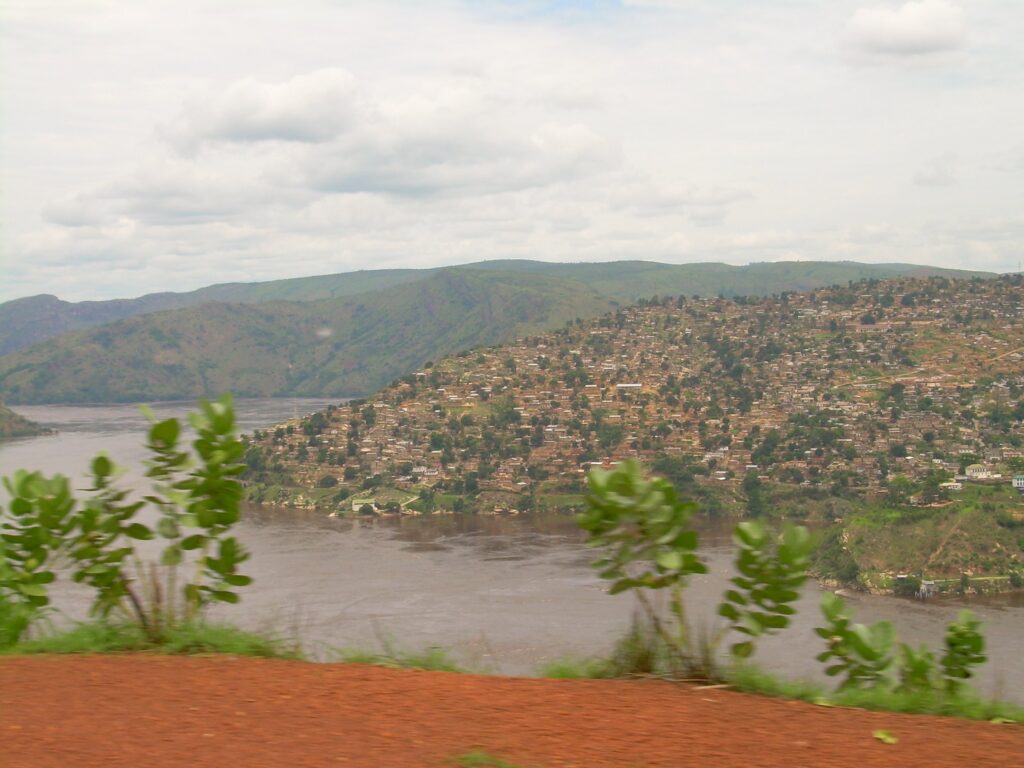
Matadi: Visit the city of Matadi, the river port of the Congo, and explore its sizeable French and colonial architecture.
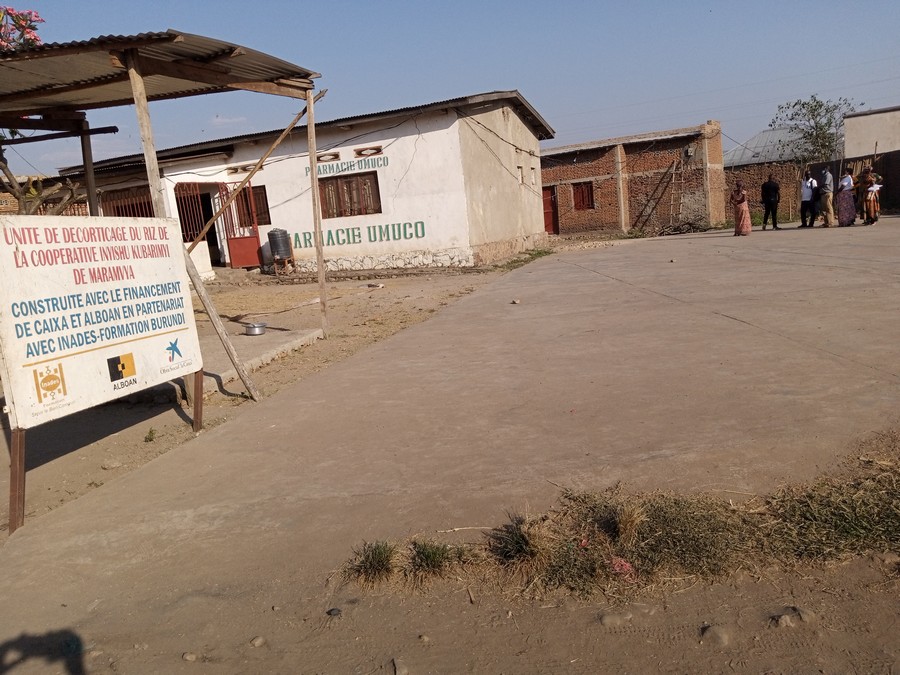
Maramvya Province: Explore the stunning landscapes and cultural heritage of Maramvya Province, a region of Rwanda steeped in history and tradition.
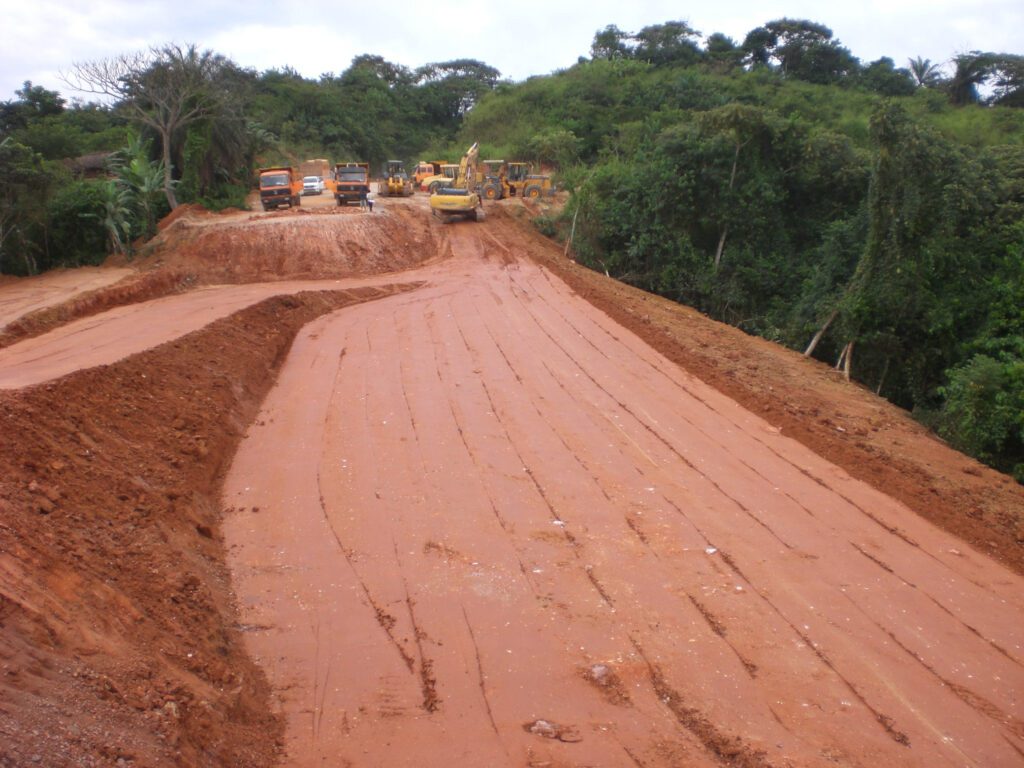
Maquela Do Zombo: Discover the unique natural environment and cultural heritage of Maquela Do Zombo in Angola.

Boali Waterfalls: Stand in awe of the remarkable Boali Waterfalls, a spectacular cascade in the Congo.
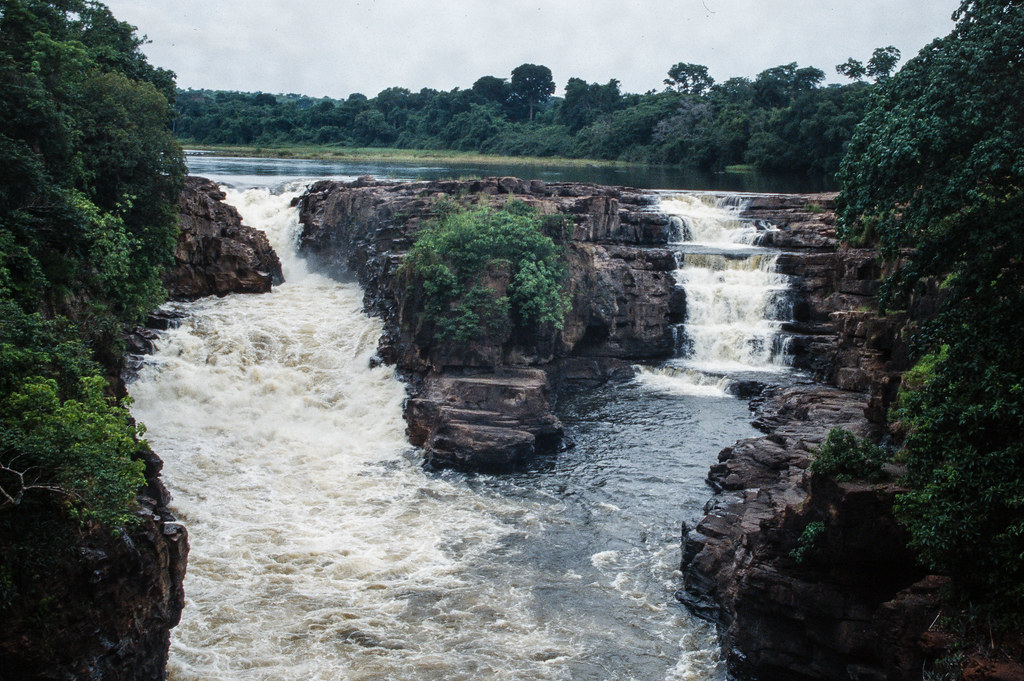
Basse-Kotto River: Discover the diverse wildlife and stunning landscapes of this major Central African river.

Bangweulu Wetlands: Journey to the Bangweulu Wetlands and witness the breathtaking beauty of the wetland’s diverse ecosystem.
Bangweulu Wetlands Read More »

Lofanga Village: Explore the fascinating culture and unique scenery of Lofanga Village, located in the Democratic Republic of the Congo.
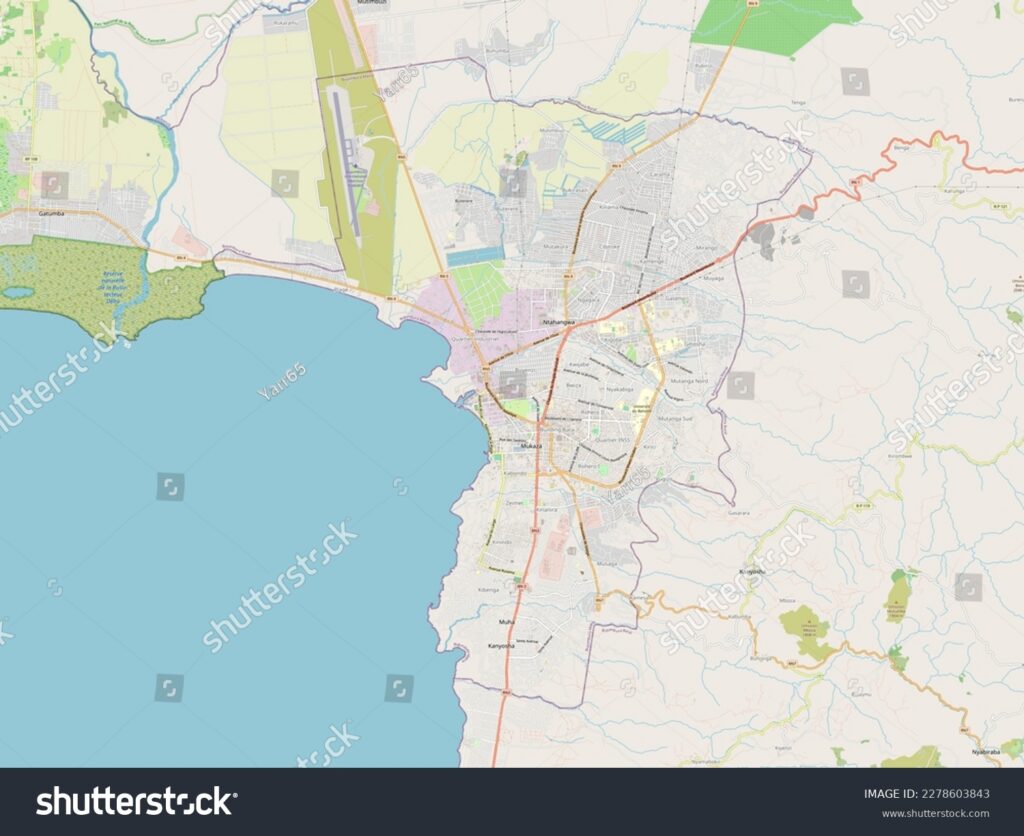
Kibenga Province: Explore the history and culture of Kibenga Province, home to numerous sites of archaeological, spiritual, and historical interest.