
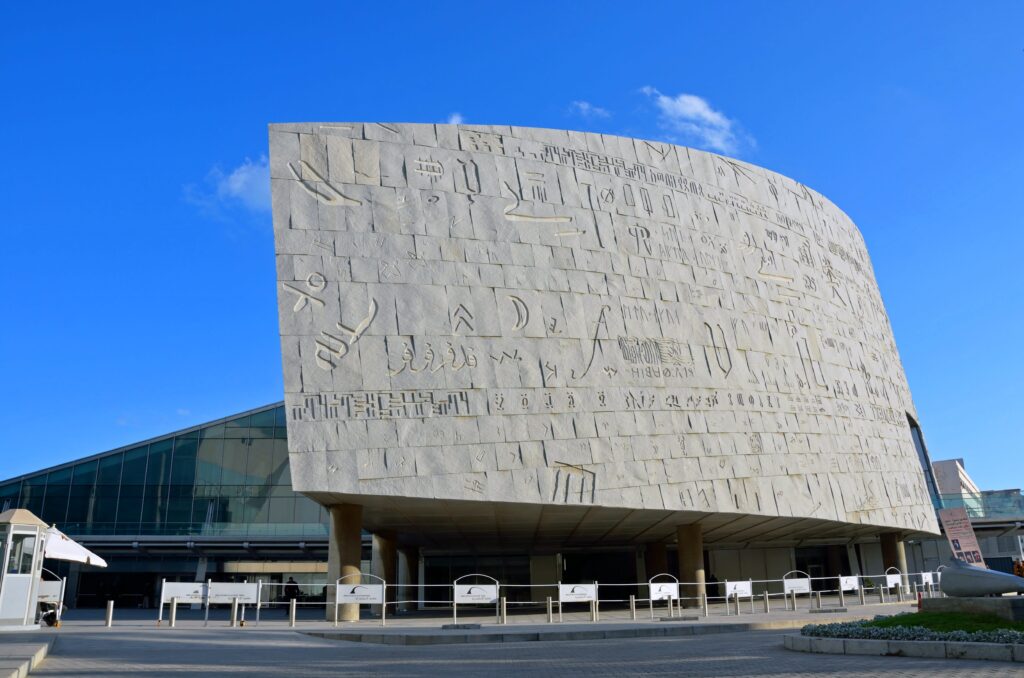
Bibliotheca Alexandrina
Bibliotheca Alexandrina: Step inside the modern marvel that is the Bibliotheca Alexandrina, the 21st century reincarnation of ancient Alexandria’s legendary Library of Alexandria.
Bibliotheca Alexandrina Read More »
Egypt, officially the Arab Republic of Egypt, is a transcontinental country spanning the northeast corner of Africa and southwest corner of Asia via the Sinai Peninsula. It is bordered by the Mediterranean Sea to the north, Gaza Strip and Israel to the northeast, the Red Sea to the east, Sudan to the south, and Libya to the west. The capital and largest city is Cairo, which is also one of the largest cities in Africa and the Middle East.
Egypt is famous for its ancient civilization and some of the world’s most iconic monuments, including the Pyramids of Giza, the Great Sphinx, the temples of Luxor and Karnak, and the Valley of the Kings. The Nile River, the longest river in the world, flows through Egypt and has been the lifeline of its civilization for millennia, providing fertile land that supported agriculture and settlement.
Historically, ancient Egypt was one of the earliest and most influential civilizations, dating back to around 3100 BCE. It contributed significantly to human knowledge in areas such as writing, architecture, mathematics, medicine, and astronomy. The period of pharaonic rule is marked by the construction of monumental structures and the development of a complex society governed by powerful dynasties.
In the modern era, Egypt was part of the Ottoman Empire and later came under British colonial control in the 19th and early 20th centuries. It gained independence in 1922, becoming a republic in 1953 after a revolution led by Gamal Abdel Nasser, who became a prominent figure in Arab nationalism.
Economically, Egypt has a diverse economy that includes agriculture, industry, and services. The Nile Delta and Valley are the main agricultural regions, producing crops such as cotton, rice, and wheat. The Suez Canal, a critical waterway connecting the Mediterranean Sea to the Red Sea, is a significant source of revenue through transit fees. Tourism is also a vital sector, attracting millions of visitors each year to its historical and cultural sites.
Culturally, Egypt has been a major center of Arab and Islamic culture. Arabic is the official language, and Islam is the predominant religion. Egyptian literature, music, cinema, and art have had a profound influence on the Arab world. The country celebrates various festivals and events, both religious and cultural, reflecting its rich heritage.
Modern Egypt faces several challenges, including political instability, economic reforms, and social issues. The Arab Spring in 2011 led to significant political upheaval, resulting in changes in leadership and ongoing efforts to stabilize and reform the country.
Despite these challenges, Egypt remains a key player in the Middle East and North Africa, with its strategic location, cultural influence, and historical legacy. Efforts continue to address economic development, political stability, and social progress to improve the quality of life for its citizens and ensure a stable future.
Bibliotheca Alexandrina: Step inside the modern marvel that is the Bibliotheca Alexandrina, the 21st century reincarnation of ancient Alexandria’s legendary Library of Alexandria.
Bibliotheca Alexandrina Read More »
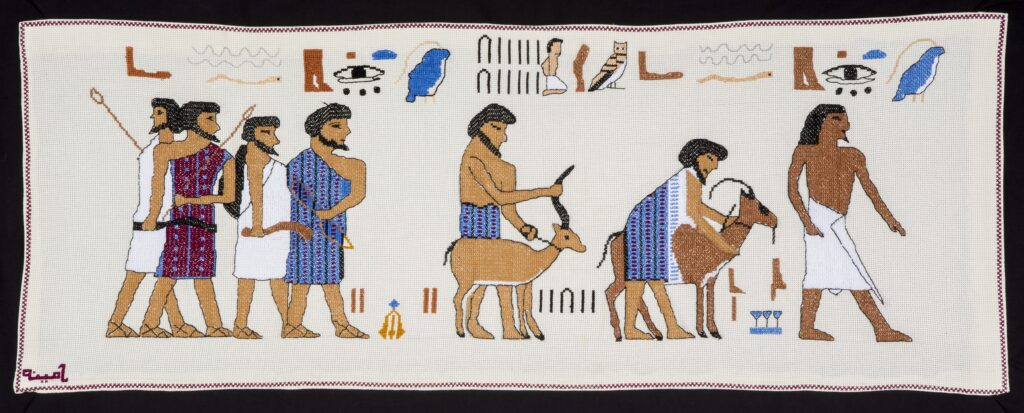
Beni Hasan: Discover the ancient 5,000-year-old Beni Hasan Desert, home to Quinoa farming and rich mineral deposits.
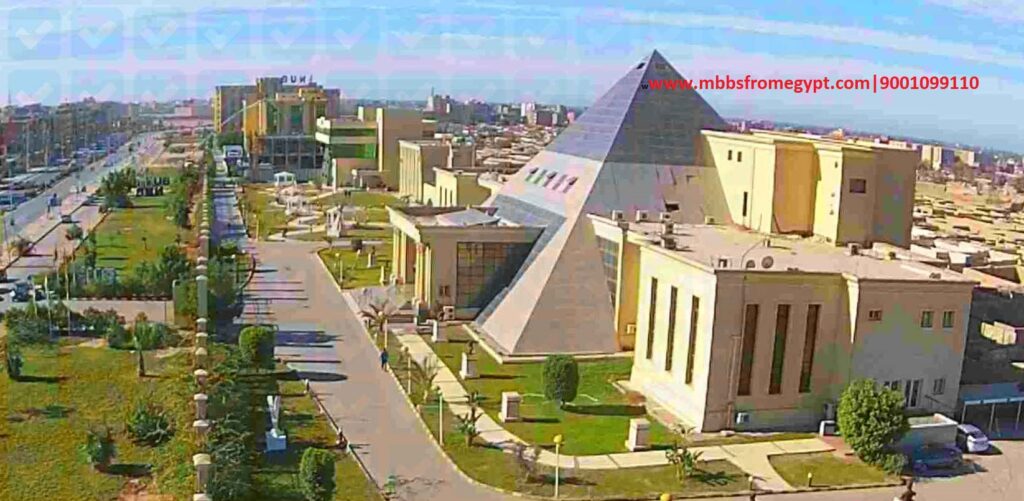
Beni Suef: Explore the activities and attractions of this vibrant city, located in the middle of Egypt.
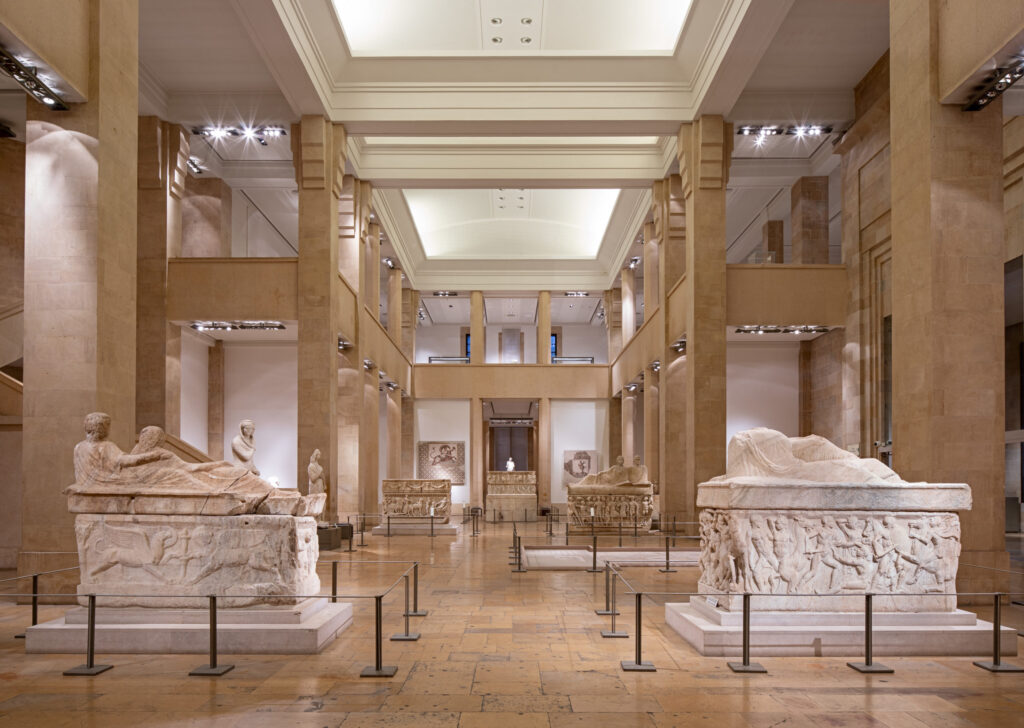
Beirut National Museum: Experience the rich cultural heritage of Lebanon at the Beirut National Museum.
Beirut National Museum Read More »
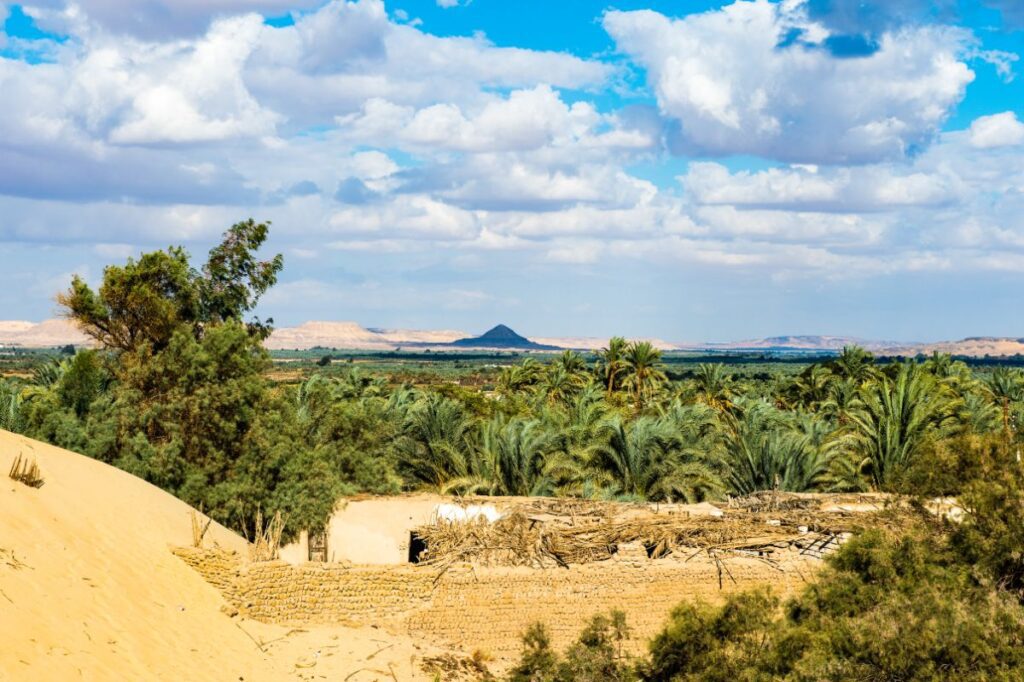
Bahariya Oasis: Discover the unique desert oasis of Bahariya in Egypt and learn about its history and culture.
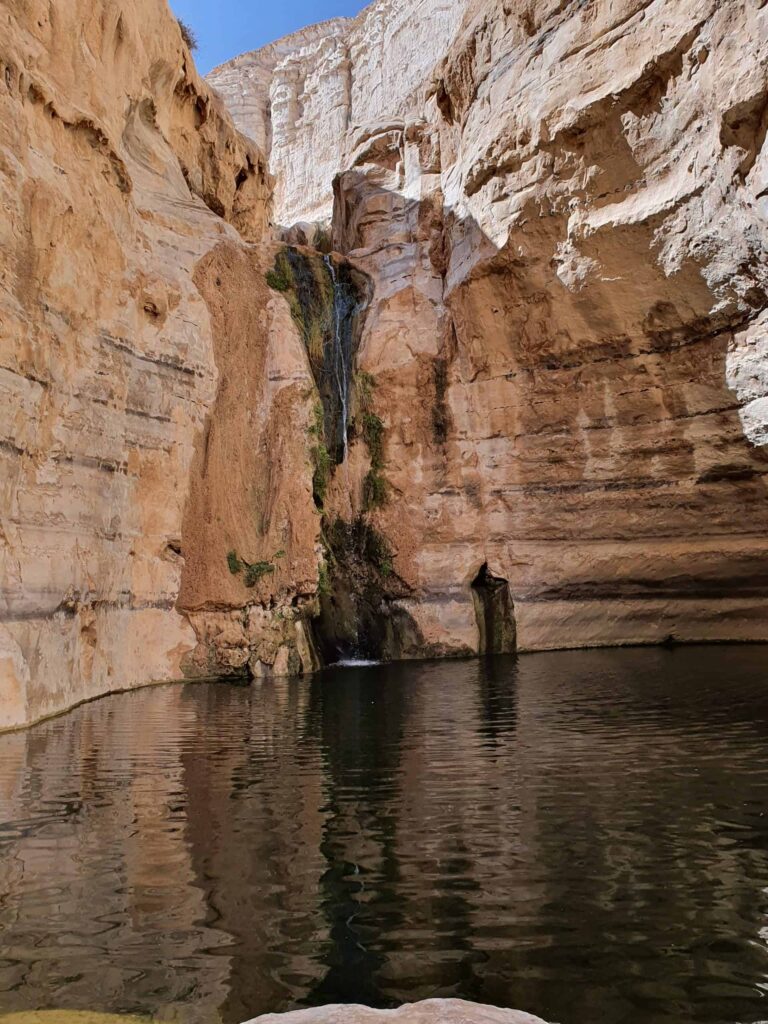
Avdat National Park: Experience the majestic landscapes of Avdat National Park, a UNESCO World Heritage Site located in Israel’s Negev desert.
Avdat National Park Read More »
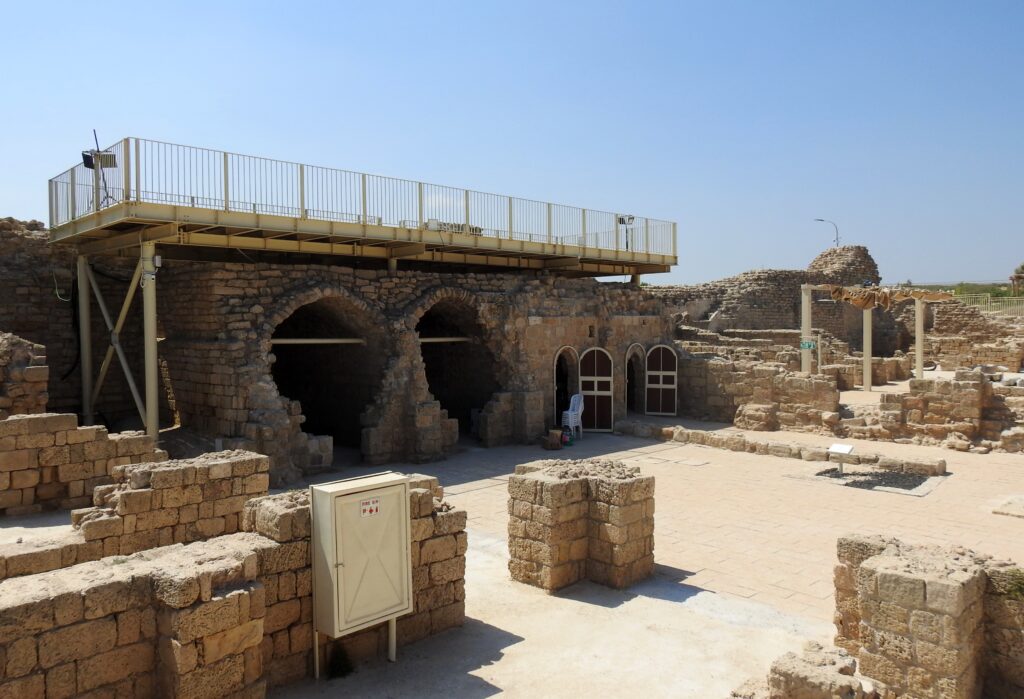
Ashdod-Yam Fortress: Discover the historical fortress of Ashdod-Yam and its picturesque views of the Mediterranean Sea.
Ashdod-Yam Fortress Read More »
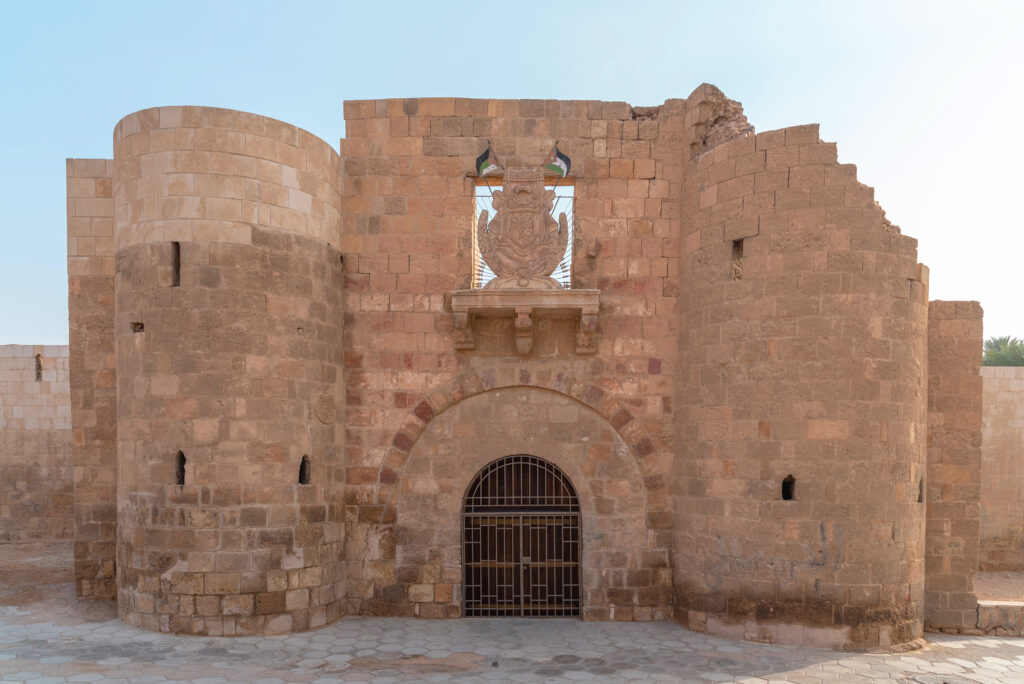
Aqaba Fort: Learn about the ancient Aqaba Fort, a defensive structure built to protect the city’s harbor.
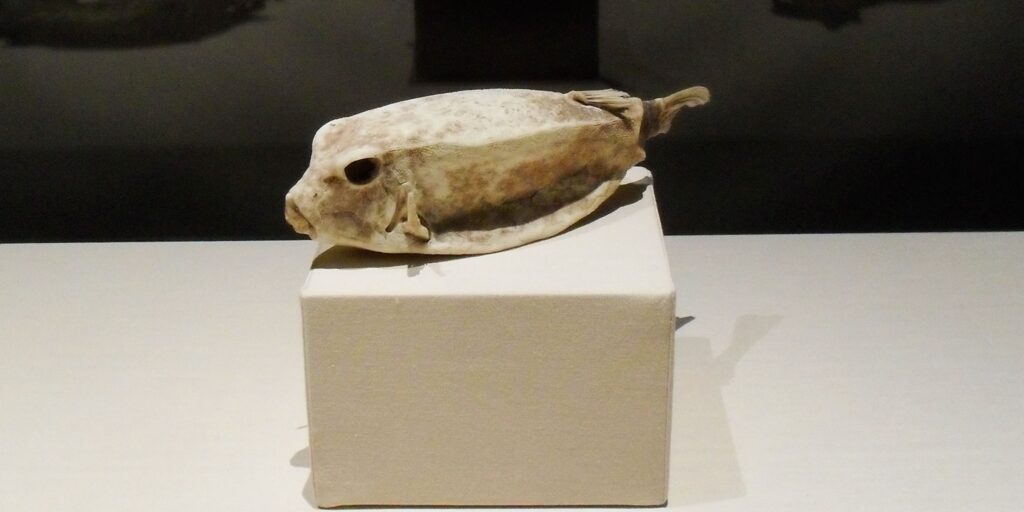
Animal Mummies Room: Take a journey to the past and learn about the ancient practice of animal mummy preserving.
Animal Mummies Room Read More »
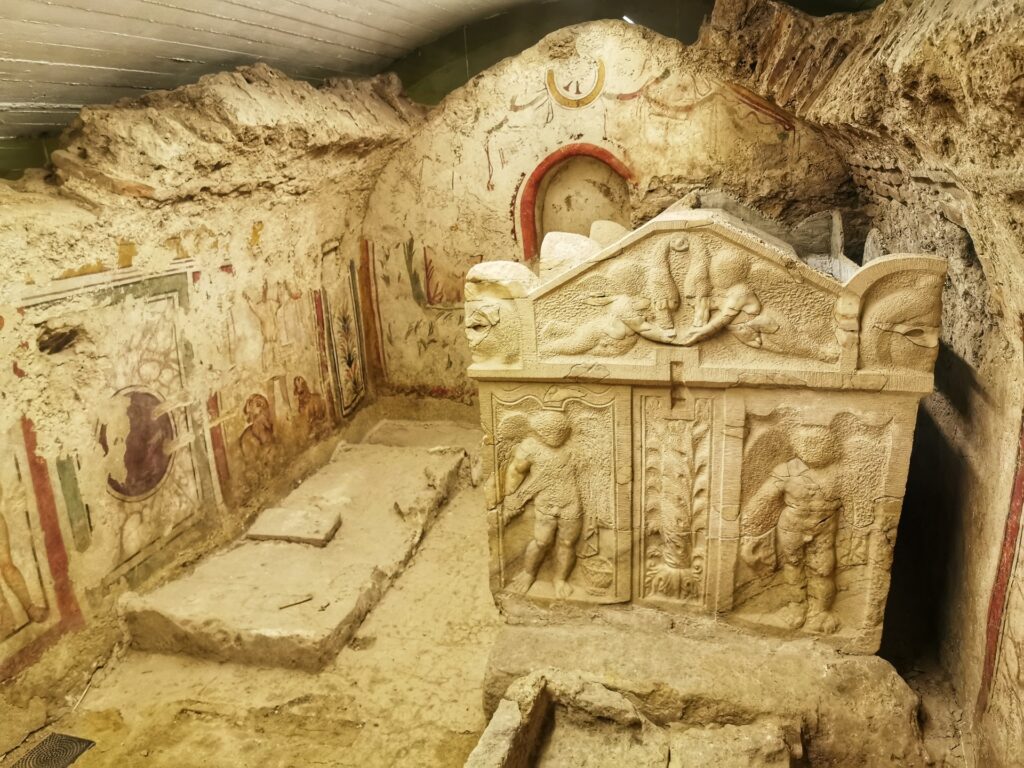
Ancient Burial Grounds: Discover centuries-old burial traditions and explore the mysteries from the past.
Ancient Burial Grounds Read More »