
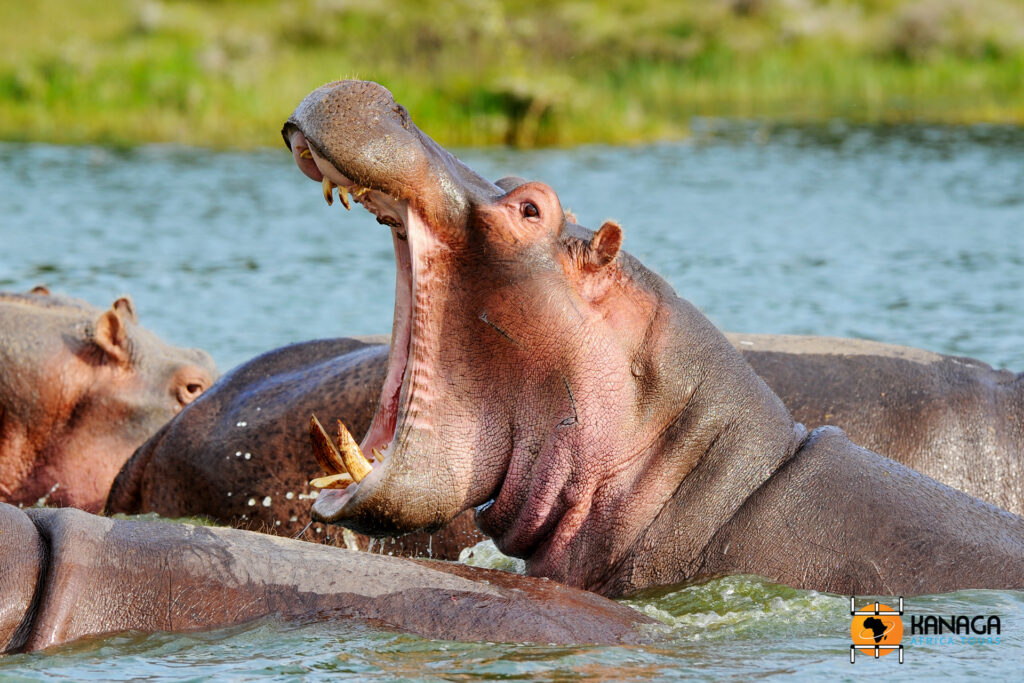
Rusizi National Park
Rusizi National Park: Visit Rusizi National Park, located in the Western Province of Rwanda; a protected area filled with montane forests and unique wildlife.
Rusizi National Park Read More »
Rwanda, officially known as the Republic of Rwanda, is a small, landlocked country located in East-Central Africa. It is bordered by Uganda to the north, Tanzania to the east, Burundi to the south, and the Democratic Republic of the Congo to the west. The capital and largest city is Kigali, which serves as the political, economic, and cultural hub of the country.
Geographically, Rwanda is known as the “Land of a Thousand Hills” due to its mountainous terrain. The country is characterized by its stunning landscapes, including lush hills, volcanic mountains, and numerous lakes. The Virunga Mountains, home to endangered mountain gorillas, are located in the northwest, while Lake Kivu, one of Africa’s Great Lakes, lies along the western border.
Historically, Rwanda has a rich cultural heritage and a complex history. The area was initially inhabited by the Twa, Hutu, and Tutsi ethnic groups. The Kingdom of Rwanda emerged in the 15th century and became a centralized state under the rule of the Tutsi monarchy. In the late 19th century, Rwanda became part of German East Africa and later a Belgian mandate after World War I. Rwanda gained independence from Belgium on July 1, 1962.
Rwanda’s post-independence history is marked by ethnic tensions and conflict, culminating in the 1994 genocide, during which an estimated 800,000 Tutsi and moderate Hutu were killed in a span of 100 days. The genocide left a profound impact on the country and its people, leading to significant political and social upheaval.
Economically, Rwanda has made remarkable progress since the genocide, achieving significant growth and development. The country has implemented various economic reforms, focusing on sectors such as agriculture, tourism, and services. Key agricultural products include coffee, tea, pyrethrum, and horticultural products. Tourism, particularly eco-tourism and gorilla trekking, is a major contributor to the economy. The government has also promoted information and communication technology (ICT) as part of its vision to transform Rwanda into a knowledge-based economy.
Culturally, Rwanda is diverse, with a rich tradition of music, dance, and art. The country’s culture reflects its pre-colonial history and post-genocide efforts at unity and reconciliation. Kinyarwanda is the national language, spoken by the majority of the population, while French, English, and Swahili are also official languages. Traditional Rwandan music, often featuring drums and dance, plays a significant role in cultural celebrations and ceremonies.
Politically, Rwanda is a presidential republic with a multi-party system. The current president, Paul Kagame, has been in power since 2000 and is credited with leading the country’s recovery and development efforts. However, his government has faced criticism for its approach to political opposition and human rights issues. Rwanda’s political landscape is characterized by efforts to promote national unity and reconciliation, with significant progress in governance and stability.
Socially, Rwanda has made strides in improving healthcare, education, and gender equality. The country has one of the highest rates of female representation in parliament in the world. Despite these achievements, challenges such as poverty, unemployment, and limited natural resources remain. The government and international partners continue to work on addressing these issues through various development programs and initiatives.
Rwanda’s commitment to environmental conservation is notable, with efforts to protect its biodiversity and promote sustainable practices. The country’s national parks, such as Volcanoes National Park, Nyungwe Forest National Park, and Akagera National Park, are important for conservation and tourism.
The future of Rwanda looks promising, with continued efforts to sustain economic growth, improve social services, and maintain political stability. The international community remains engaged in supporting Rwanda’s development goals and addressing its challenges. The country’s resilience, cultural heritage, and strategic vision offer significant potential for a prosperous and stable future.
Rusizi National Park: Visit Rusizi National Park, located in the Western Province of Rwanda; a protected area filled with montane forests and unique wildlife.
Rusizi National Park Read More »
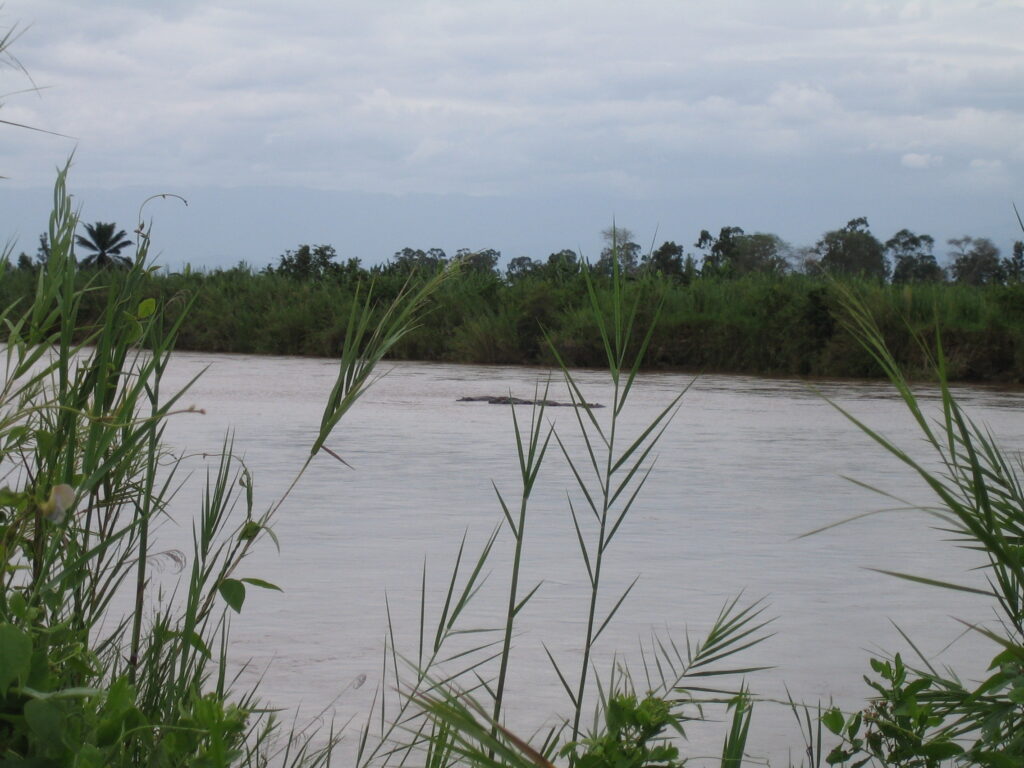
Rusizi Delta: Explore the biodiversity of the Rusizi Delta wetlands, located in Burundi; a Ramsar-protected site that is home to diverse plants and animals.

Musaga Market: Discover the bustling, vibrant atmosphere of Musaga Market in Rwanda, a popular trading hub.
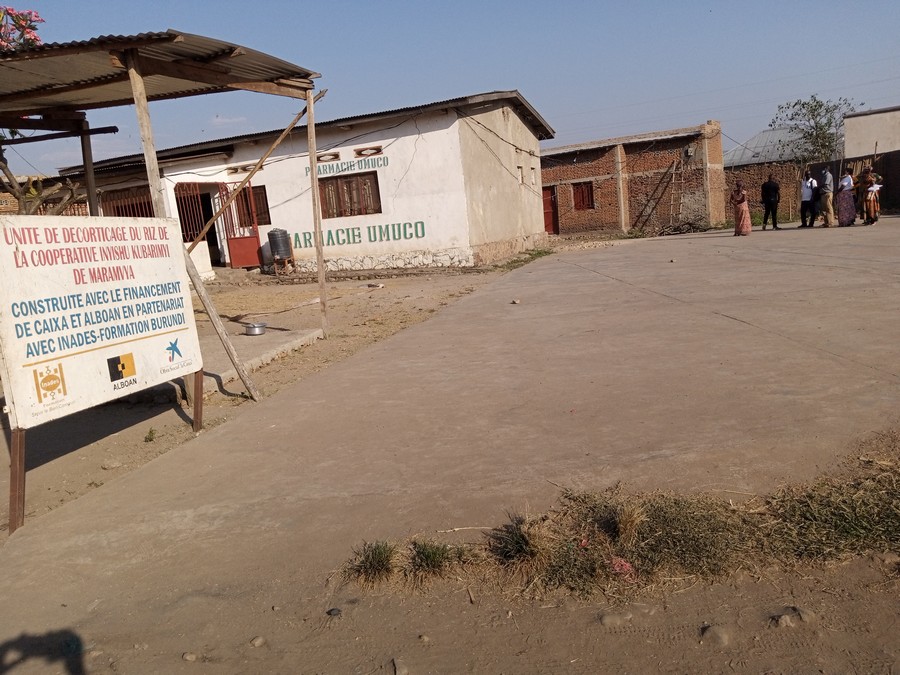
Maramvya Province: Explore the stunning landscapes and cultural heritage of Maramvya Province, a region of Rwanda steeped in history and tradition.
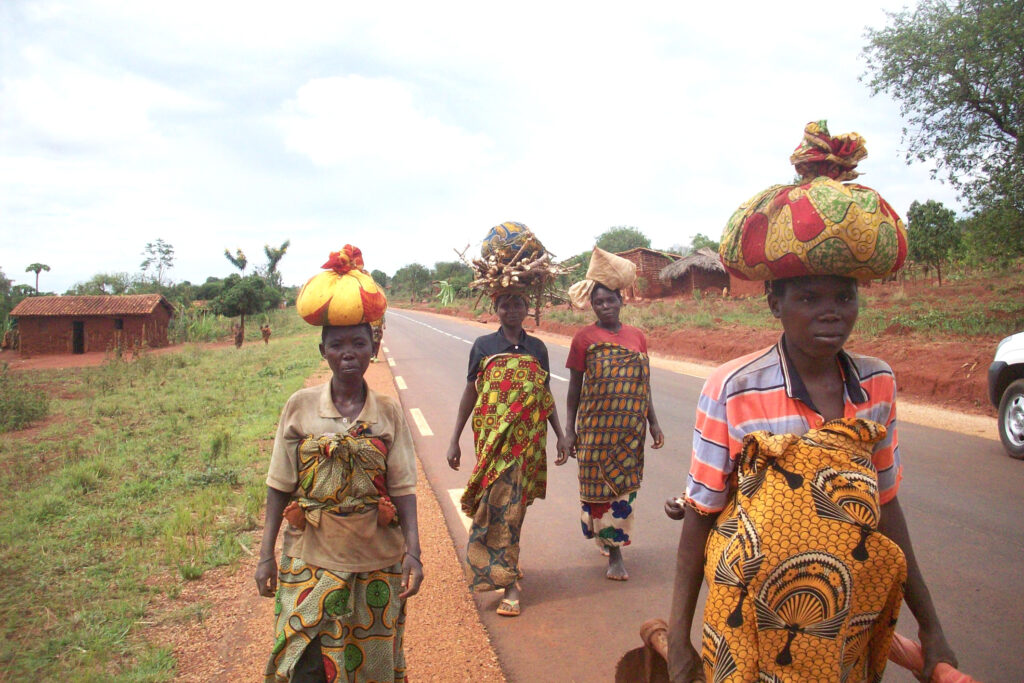
Kirundo Province: Explore the historical province of Kirundo in Rwanda. Experience the local culture, nature and attractions that make this region unique.
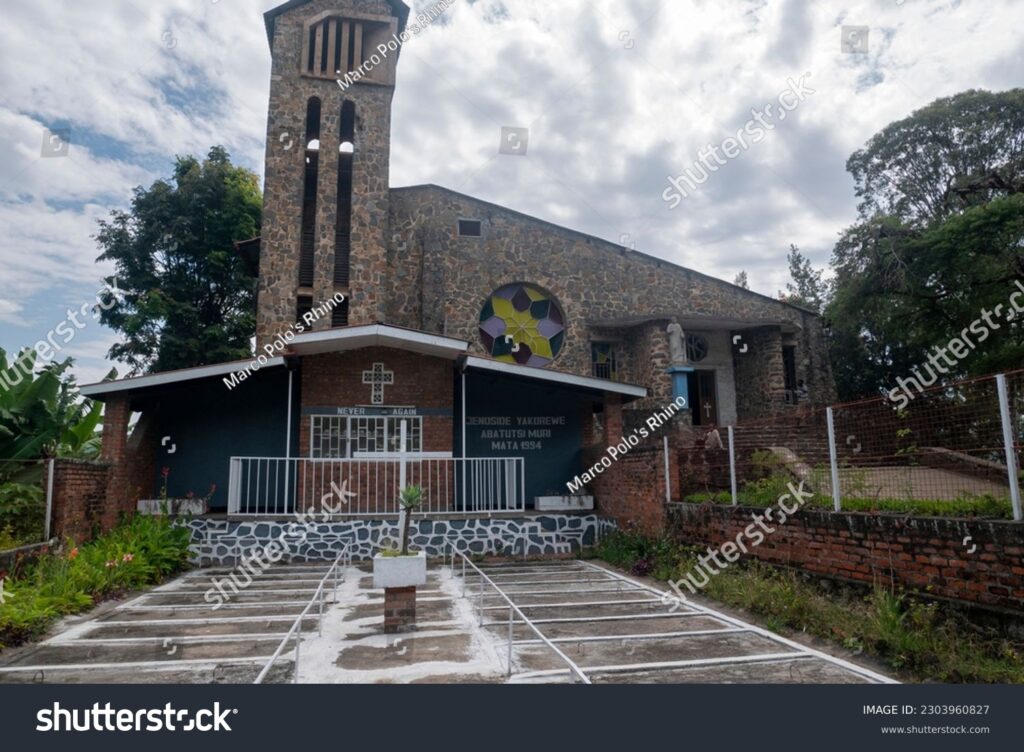
Kibuye Church: Immerse yourself in the beauty of Kibuye Church, located on the slopes of the Virunga Mountains and visited by pilgrims from around the world.
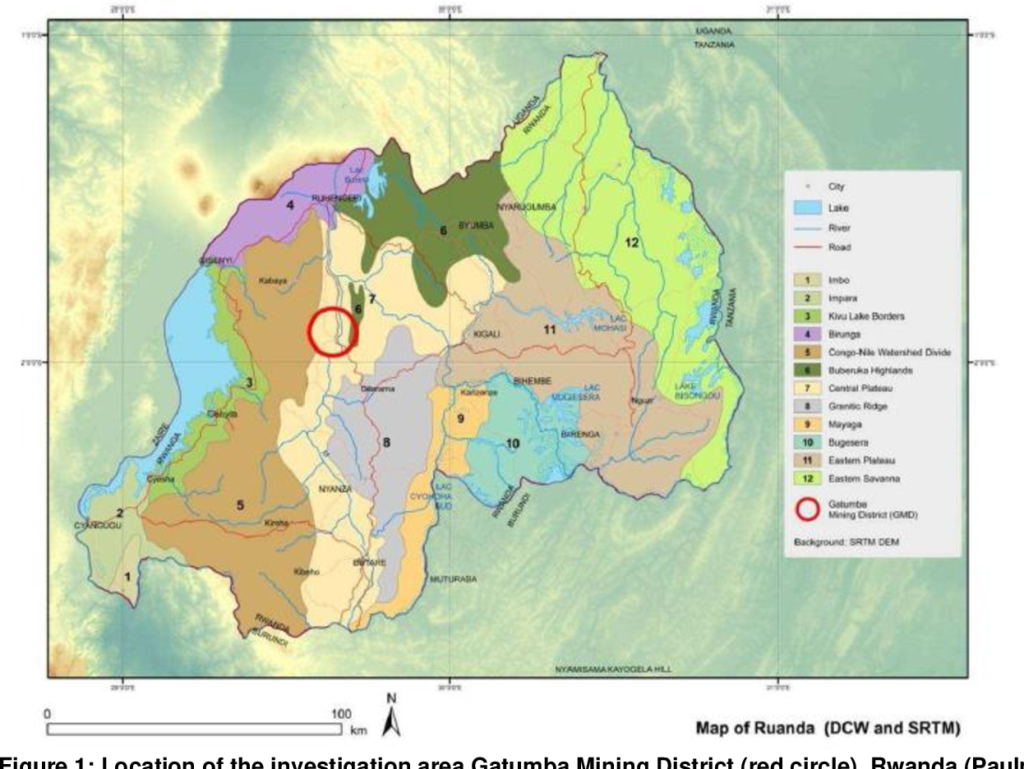
Gatumba Mining District: Get to know the Gatumba Mining District with this comprehensive overview of this important economic region.
Gatumba Mining District Read More »
Lake Rweru: Explore the little-known ecosystem of Lake Rweru, a shallow lake situated on the border between Rwanda and the Democratic Republic of the Congo.
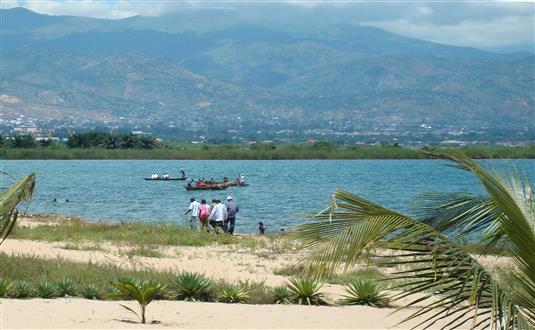
Lake Rwihinda Natural Reserve: Visit Rwanda’s largest natural lake, Lake Rwihinda Natural Reserve, and its surrounding protected wetlands and unique wildlife.
Lake Rwihinda Natural Reserve Read More »
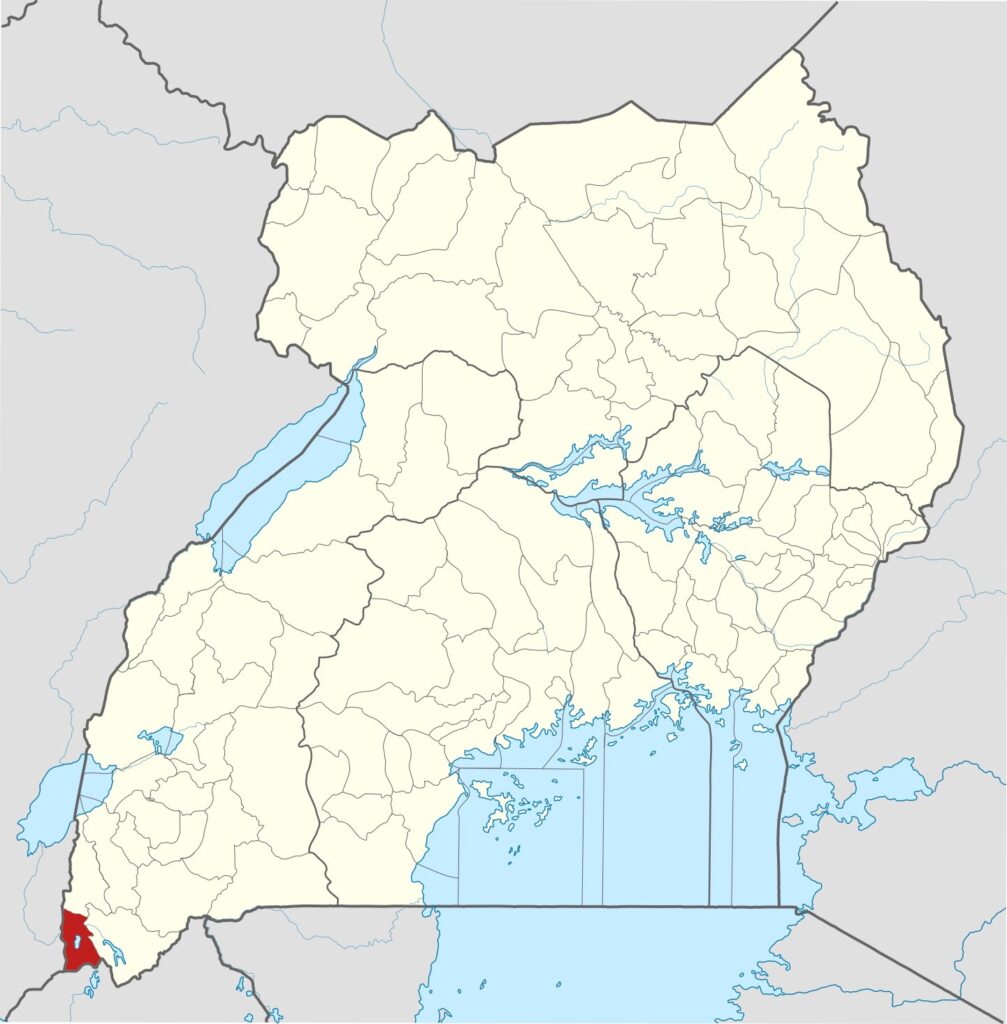
Kisoro District: Explore the exciting Kisoro District and discover its unique landscapes and vibrant cultures.