Lower Zambezi National Park
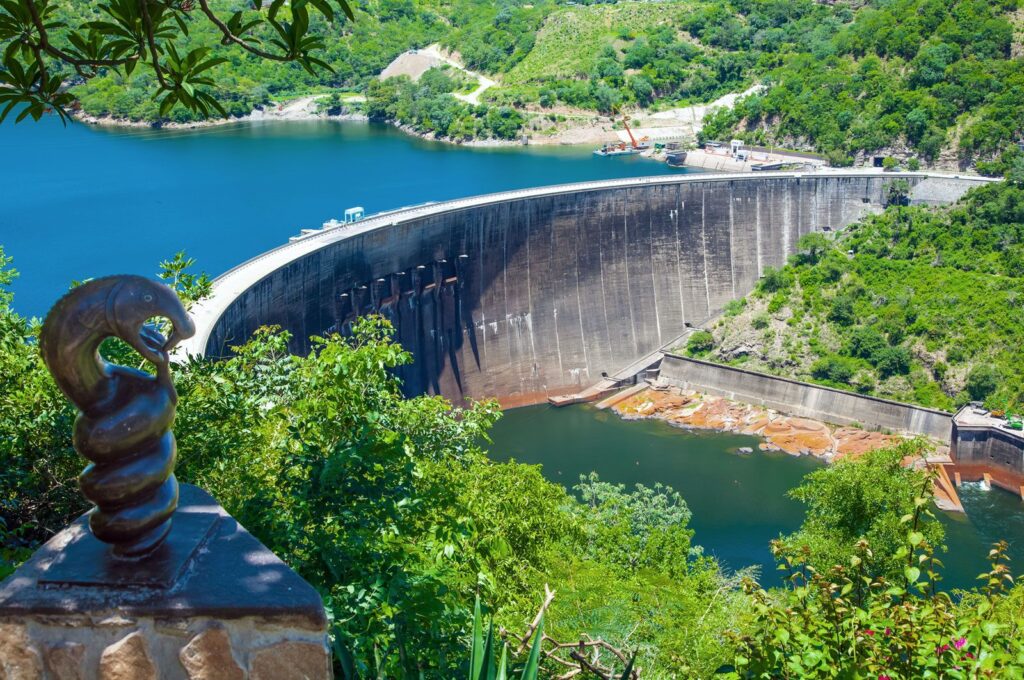
Lower Zambezi National Park: Discover the unique ecosystems of Lower Zambezi National Park – located between Zambia and Zimbabwe in Africa.
Lower Zambezi National Park Read More »
Zambia, officially known as the Republic of Zambia, is a landlocked country located in Southern Africa. It is bordered by eight countries: Tanzania to the northeast, Malawi to the east, Mozambique to the southeast, Zimbabwe to the south, Botswana and Namibia to the southwest, Angola to the west, and the Democratic Republic of the Congo to the north. The capital and largest city is Lusaka, situated in the southern part of the central plateau.
Geographically, Zambia is characterized by its diverse and stunning landscapes, including vast savannas, fertile valleys, and majestic rivers. The country is home to several major rivers, including the Zambezi, Kafue, and Luangwa. The Zambezi River forms the southern boundary with Zimbabwe and is renowned for the spectacular Victoria Falls, one of the largest and most famous waterfalls in the world. Known locally as Mosi-oa-Tunya, or “The Smoke That Thunders,” Victoria Falls is a UNESCO World Heritage site and a major attraction for visitors from around the globe.
Historically, Zambia has a rich cultural heritage with roots in various indigenous tribes and kingdoms. The region was explored by European missionaries and traders in the 19th century, and it became a British protectorate under the name of Northern Rhodesia in the early 20th century. Zambia gained independence from British colonial rule on October 24, 1964, under the leadership of Kenneth Kaunda, who became the country’s first president.
Economically, Zambia is known for its abundant natural resources, particularly copper, which is the country’s main export and a significant contributor to the economy. The mining sector also includes other minerals such as cobalt and gemstones. Agriculture is another important sector, with major crops including maize, tobacco, cotton, and sugarcane. In recent years, Zambia has also been developing its tourism industry, capitalizing on its natural beauty, wildlife, and cultural heritage.
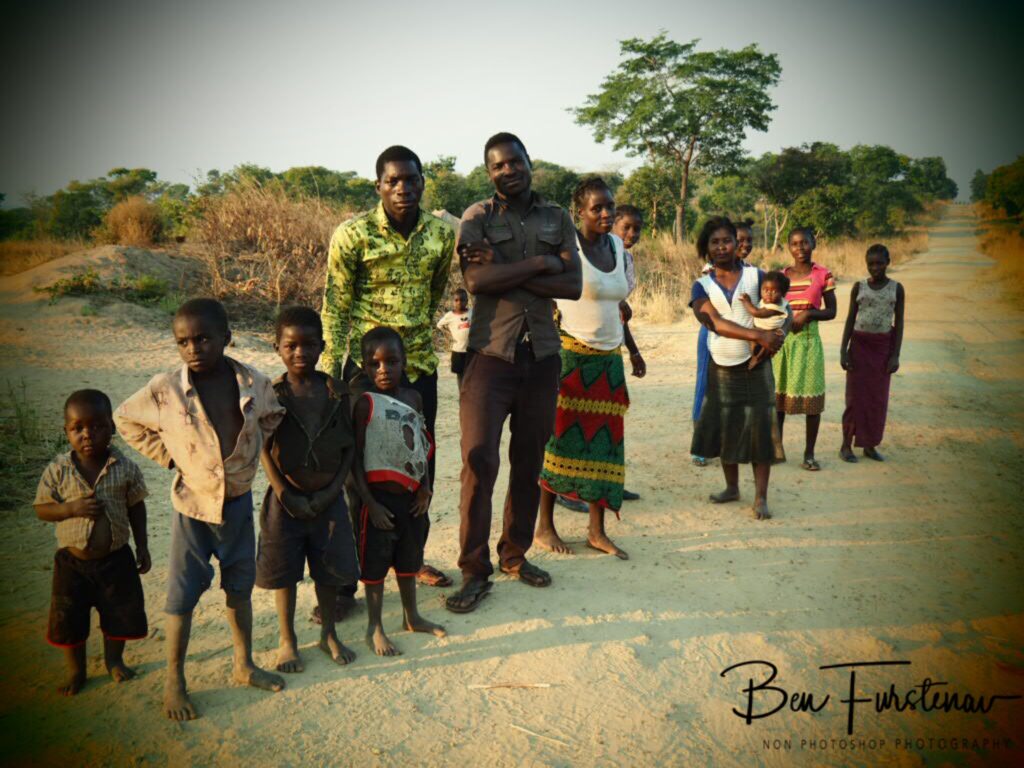
Culturally, Zambia is a diverse nation with over 70 ethnic groups, each with its own languages, traditions, and customs. The official language is English, but many indigenous languages, such as Bemba, Nyanja, Tonga, and Lozi, are widely spoken. Traditional music, dance, and crafts play a central role in Zambian culture. Festivals such as the Kuomboka of the Lozi people, the Nc’wala of the Ngoni, and the Lwiindi Gonde of the Tonga are vibrant celebrations that showcase the country’s rich cultural heritage.
For nature and wildlife enthusiasts, Zambia offers some of the best safari experiences in Africa. The country is home to numerous national parks and game reserves, including South Luangwa National Park, Kafue National Park, and Lower Zambezi National Park. These parks are known for their incredible biodiversity and opportunities to see a wide range of wildlife, including elephants, lions, leopards, buffaloes, and various species of antelope and birds. Walking safaris, pioneered in Zambia, provide a unique and immersive way to experience the African wilderness.
The Zambezi River, with its powerful currents and scenic beauty, offers thrilling adventures such as white-water rafting, canoeing, and fishing. The river’s islands and channels create picturesque settings for boat cruises and wildlife viewing. The Victoria Falls area also offers activities like bungee jumping, helicopter flights, and guided tours that provide breathtaking views of this natural wonder.
Culinary experiences in Zambia reflect the country’s agricultural abundance and cultural diversity. Traditional dishes such as nshima (a staple made from maize flour), ifisashi (vegetables cooked in groundnut sauce), and chambo (a type of fish) are commonly enjoyed. Markets and street food stalls offer a variety of local snacks and delicacies that provide a taste of Zambian cuisine.
Zambia’s warm hospitality, stunning natural landscapes, and rich cultural heritage make it a remarkable travel destination. Whether you’re exploring the grandeur of Victoria Falls, embarking on a safari adventure, or immersing yourself in local traditions, Zambia promises unforgettable experiences and lasting memories.
Discover the magic of Zambia and explore its diverse landscapes, cultural treasures, and adventurous spirit. From the thundering waters of Victoria Falls to the serene plains of its national parks, Zambia offers a journey filled with adventure, beauty, and the charm of Southern Africa.
Lower Zambezi National Park: Discover the unique ecosystems of Lower Zambezi National Park – located between Zambia and Zimbabwe in Africa.
Lower Zambezi National Park Read More »
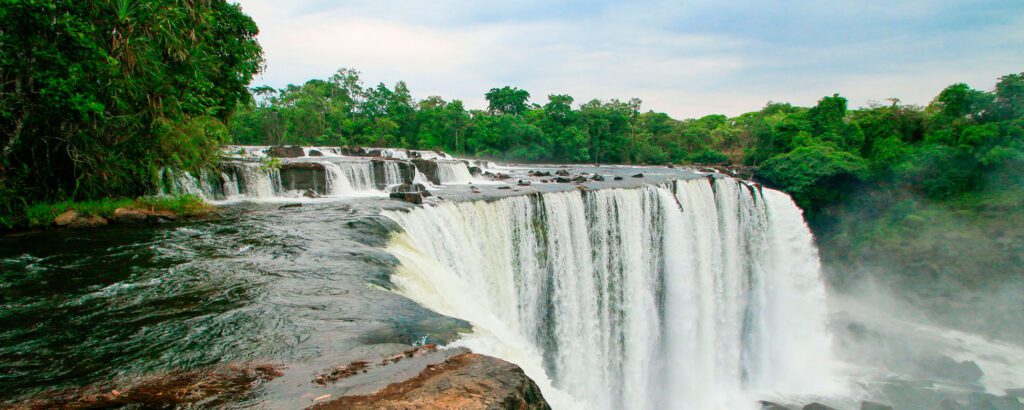
Lumangwe Falls: Take a plunge in the refreshing Lumangwe Falls and experience the unique beauty of its calming waters.

Lake Kazuni: Explore the stunning beauty of Ethiopias largest lake, the picturesque Lake Kazuni.
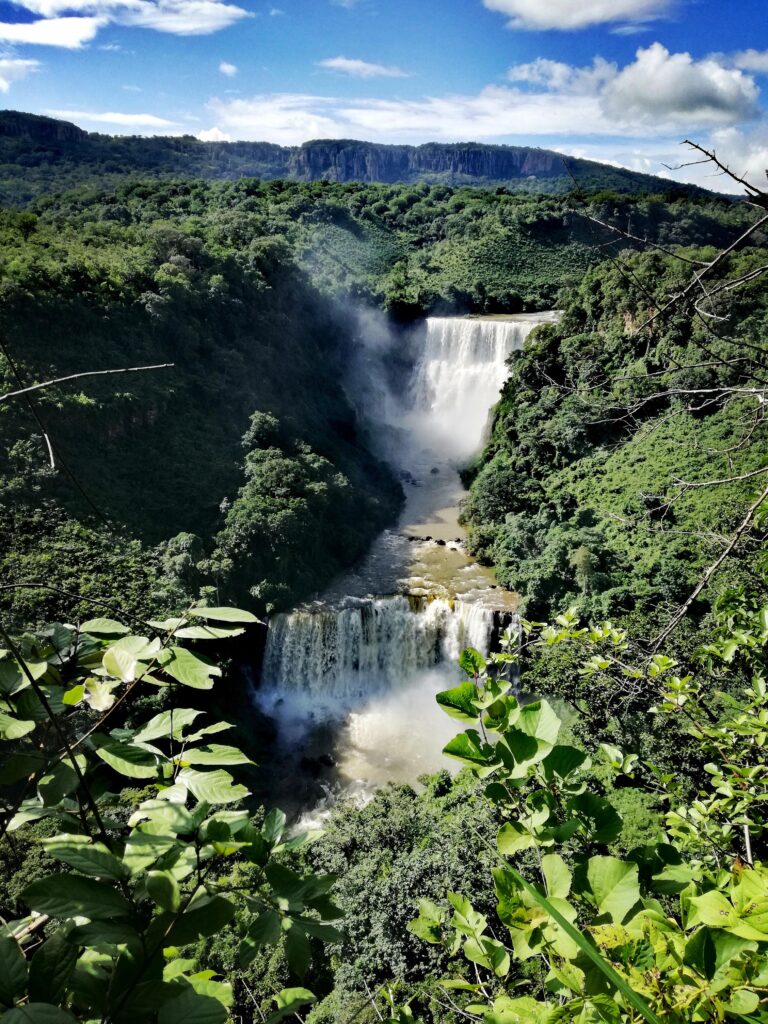
Kambadaga Falls: A stunning waterfall located in Zambia, providing a magnificent view of the nearby cascades and natural attractions.

Kamwala: Discover the beautiful and vibrant city of Kamwala with its diverse culture, vibrant markets, and amazing attractions.
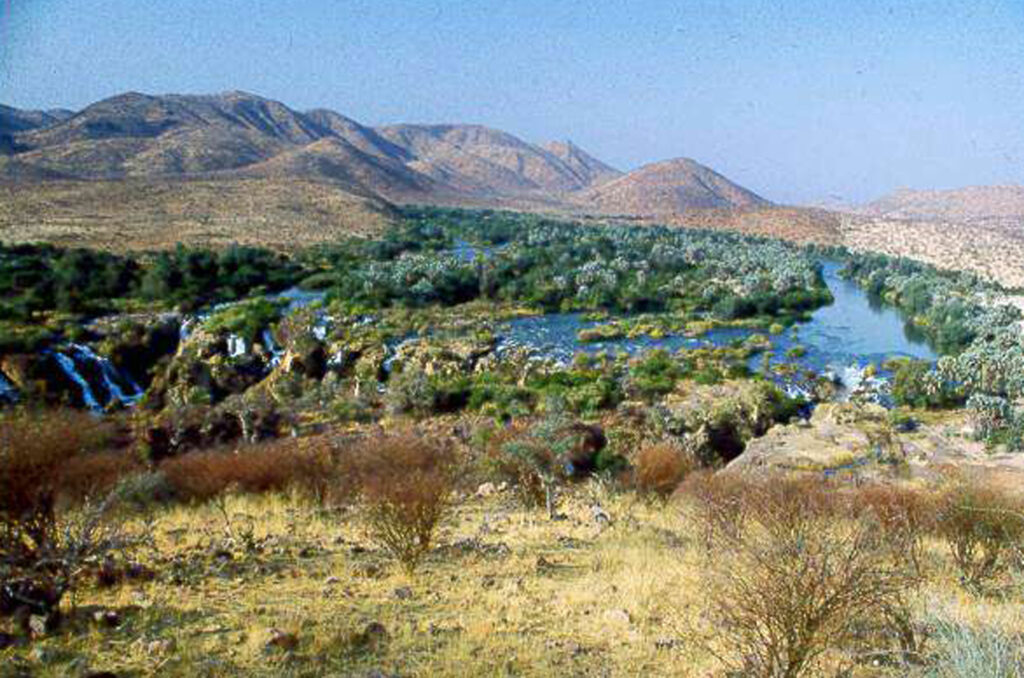
Cunene River: Visit the Cunene River and experience its breathtaking beauty and unique wildlife.
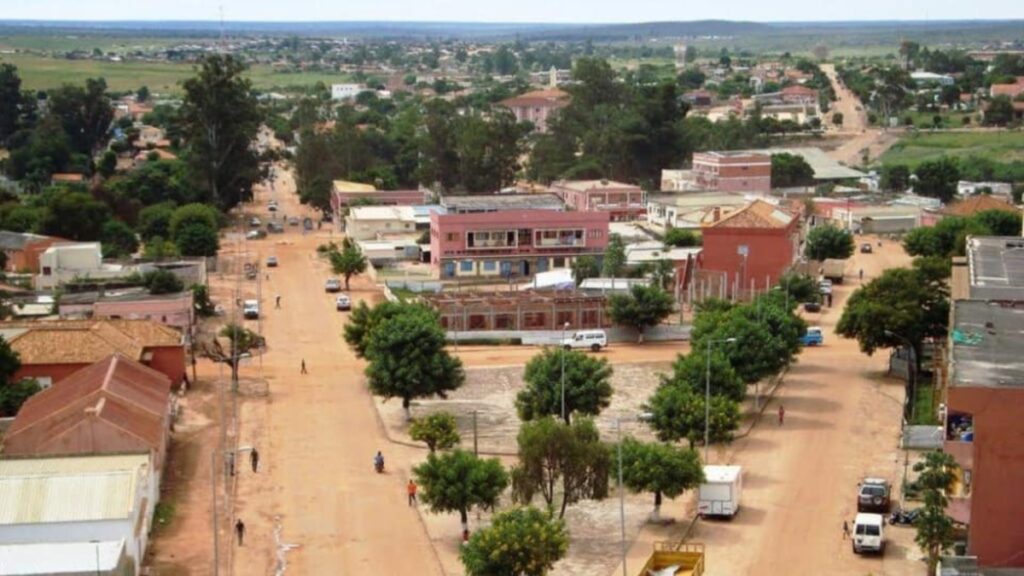
Cuando Cubango: Experience the mixture of natural and cultural beauty in Angolas Cuando Cubango province.

Copperbelt Museum: Explore the ecological and cultural history of Zambias Copperbelt region at the Copperbelt Museum.