
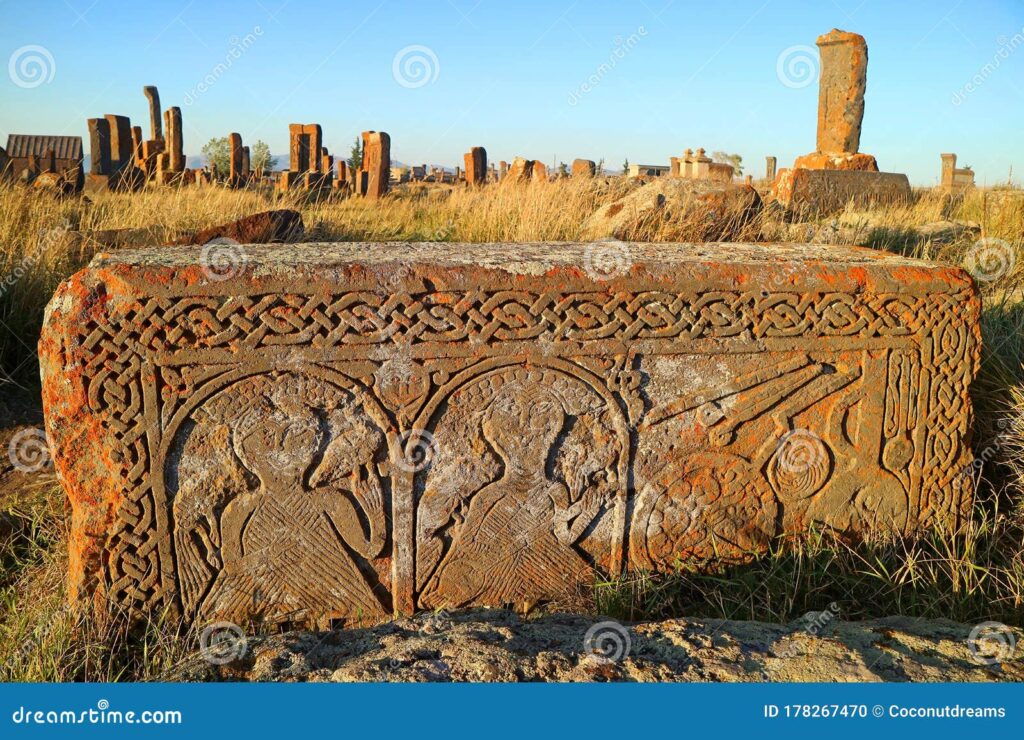
Noratus Cemetery
Noratus Cemetery: Visit the spectacular Noratus Cemetery in the village of Noratus, Armenia.
Armenia, officially known as the Republic of Armenia, is a landlocked country located in the South Caucasus region of Eurasia. It is bordered by Turkey to the west, Georgia to the north, Azerbaijan to the east, and Iran and the Azerbaijani exclave of Nakhchivan to the south. The capital city is Yerevan, one of the world’s oldest continuously inhabited cities.
Geographically, Armenia is characterized by its mountainous terrain, including the Armenian Highlands. The country is known for its scenic landscapes, which include rugged mountains, lush forests, and fast-flowing rivers. Mount Ararat, although now within the borders of Turkey, holds significant cultural and symbolic importance for Armenians.
Armenia has a rich history dating back to ancient times. It is one of the earliest Christian civilizations, having adopted Christianity as the state religion in 301 AD. The Armenian Apostolic Church remains a central aspect of Armenian identity. Throughout its history, Armenia has been influenced by various empires and cultures, including the Persian, Roman, Byzantine, and Ottoman empires.
Armenia’s modern history is marked by the tragic events of the Armenian Genocide during World War I, when an estimated 1.5 million Armenians were killed by the Ottoman Empire. This event has had a lasting impact on the Armenian diaspora and continues to shape the nation’s collective memory.
Economically, Armenia has transitioned from a centrally planned economy to a market economy since gaining independence from the Soviet Union in 1991. Key sectors include agriculture, mining, IT, and tourism. The country is known for its production of high-quality brandy, wine, and agricultural products like fruits and vegetables.
Culturally, Armenia has a rich heritage of art, music, literature, and dance. Armenian architecture, particularly its medieval churches and monasteries, is renowned for its distinctive style. The country is also known for its vibrant folk traditions and crafts. The Armenian alphabet, created in 405 AD by Saint Mesrop Mashtots, is a source of national pride.
Despite its many achievements, Armenia faces challenges such as economic development, regional conflicts, and political reforms. The Nagorno-Karabakh conflict with Azerbaijan has been a significant and ongoing issue, affecting regional stability and relations with neighboring countries.
Armenia continues to build its future while preserving its unique cultural and historical heritage. The resilience and creativity of the Armenian people are key assets as the country navigates the complexities of the modern world.
Noratus Cemetery: Visit the spectacular Noratus Cemetery in the village of Noratus, Armenia.
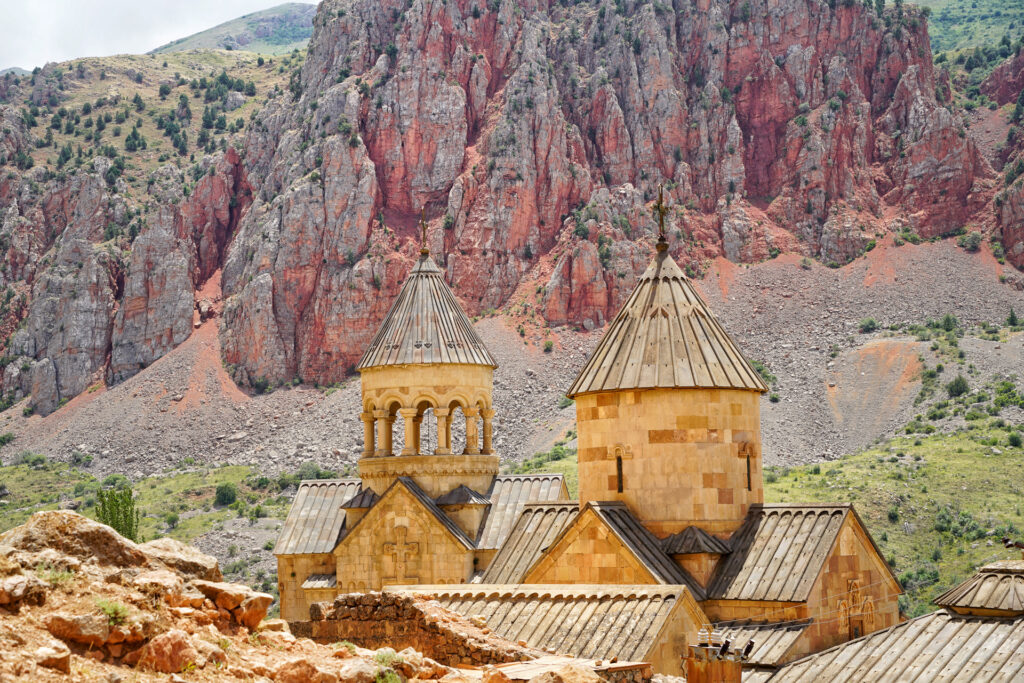
Noravank Monastery: Take a walk through the iconic 13th century Noravank Monastery in Armenia.
Noravank Monastery Read More »
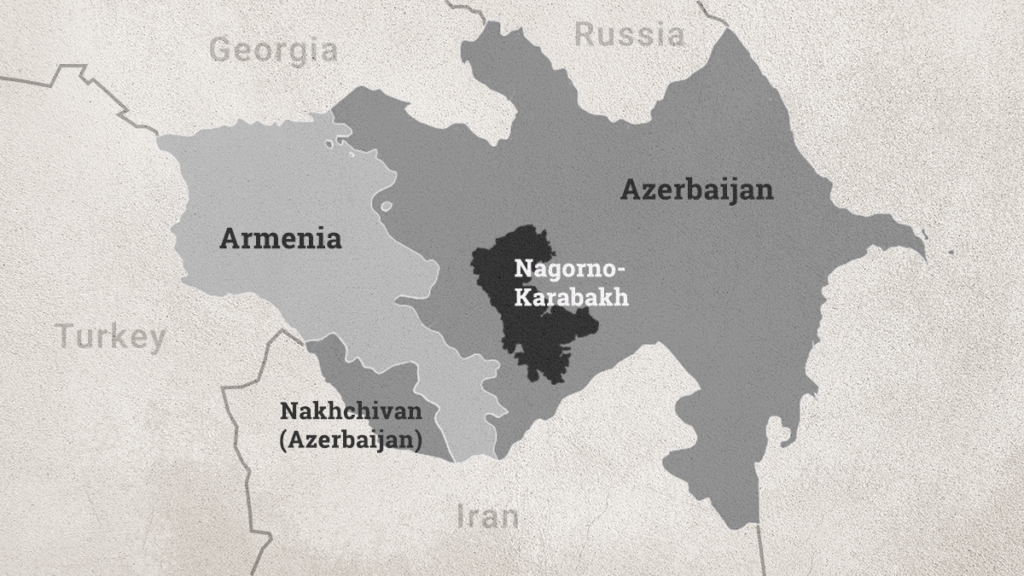
Nakhchivan: Explore the amazing attractions and culture of Azerbaijans exclave of Nakhchivan.
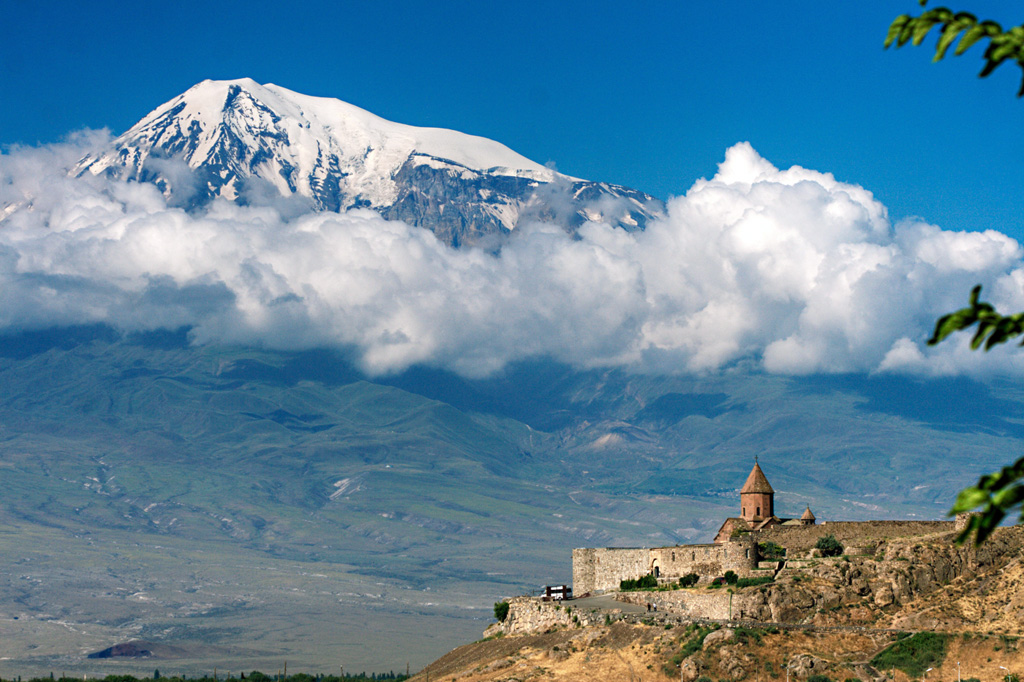
Mount Ararat: Uncover the secrets of Mount Ararat, the biblically famous peak that stands in Turkey with an elevation of over 5,000 meters above sea level.
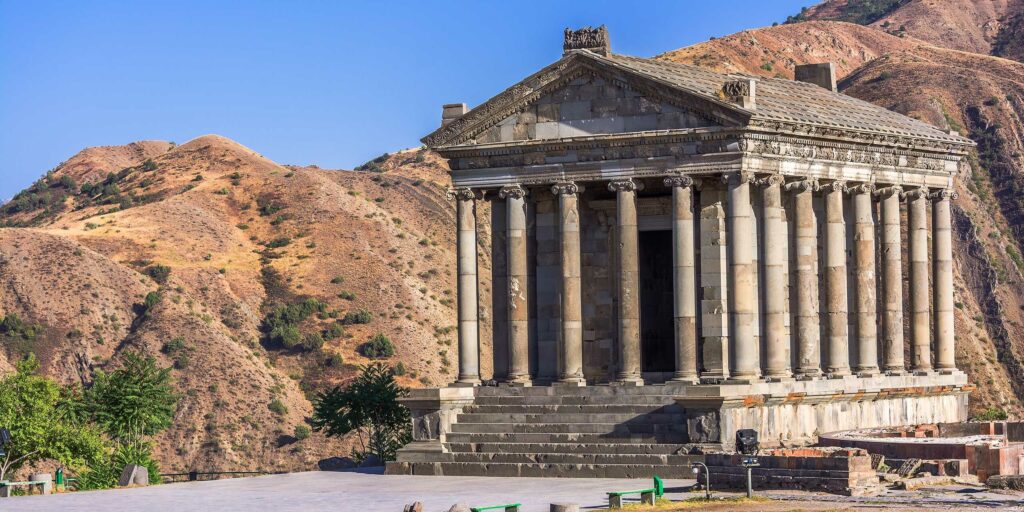
Garni: Journey to Garni, a small village in Armenia, and experience its iconic landscapes, impressive views and archaeological sites.
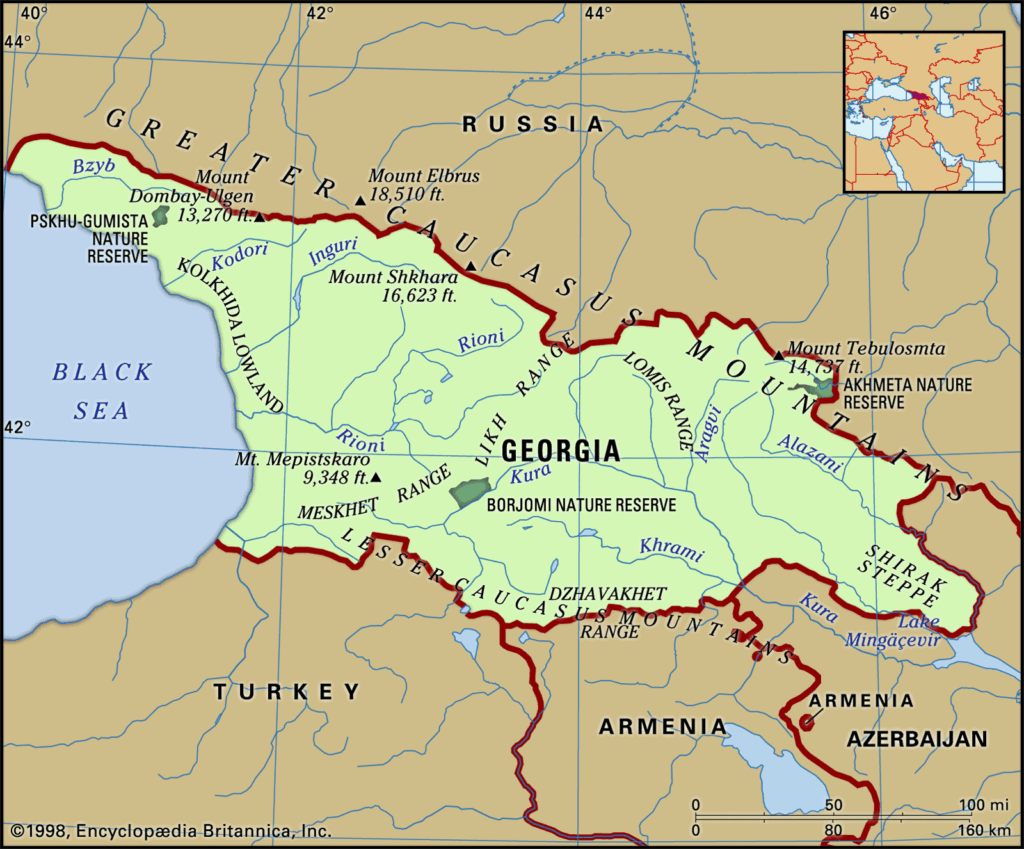
Georgia: Explore the rich history and culture of the state of Georgia, with its spectacular landscapes, vibrant cities and diverse communities.
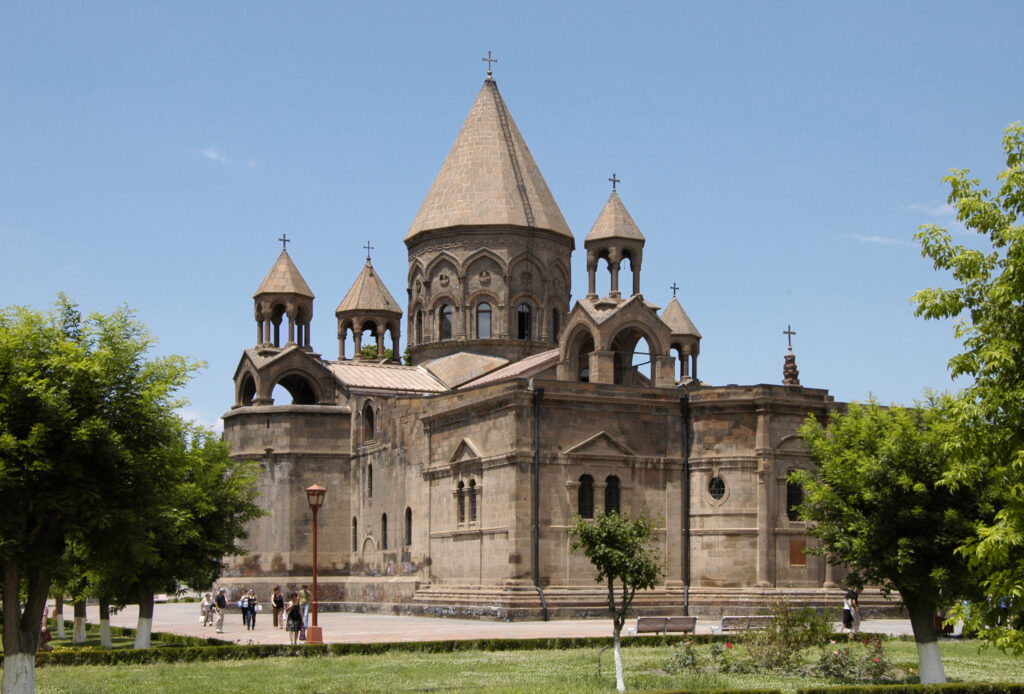
Etchmiadzin Historical Museum:step back in time and explore Etchmiadzin Historical Museum, home to a wealth of Armenian culture and history.
Etchmiadzin Historical Museum Read More »
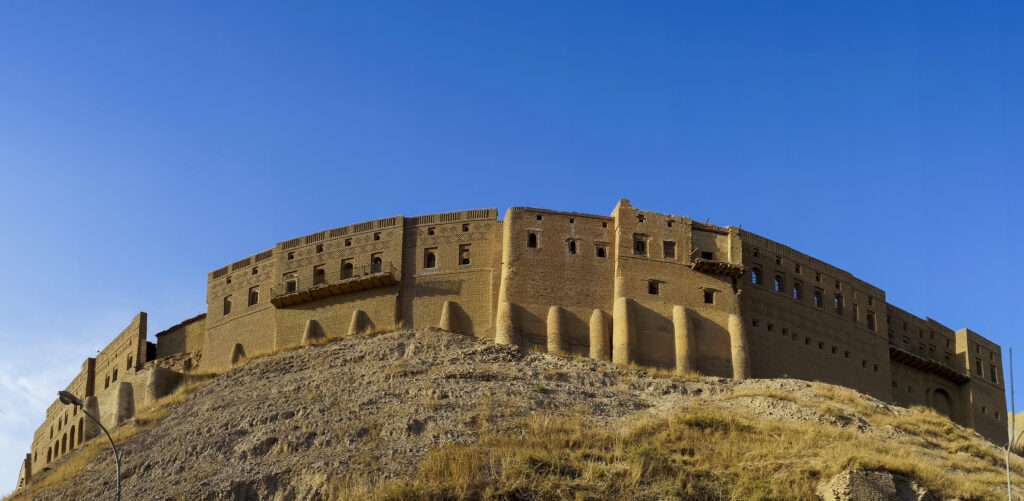
Erbil: Explore the ancient city of Erbil in northern Iraq, known for its rich history and cultural heritage.
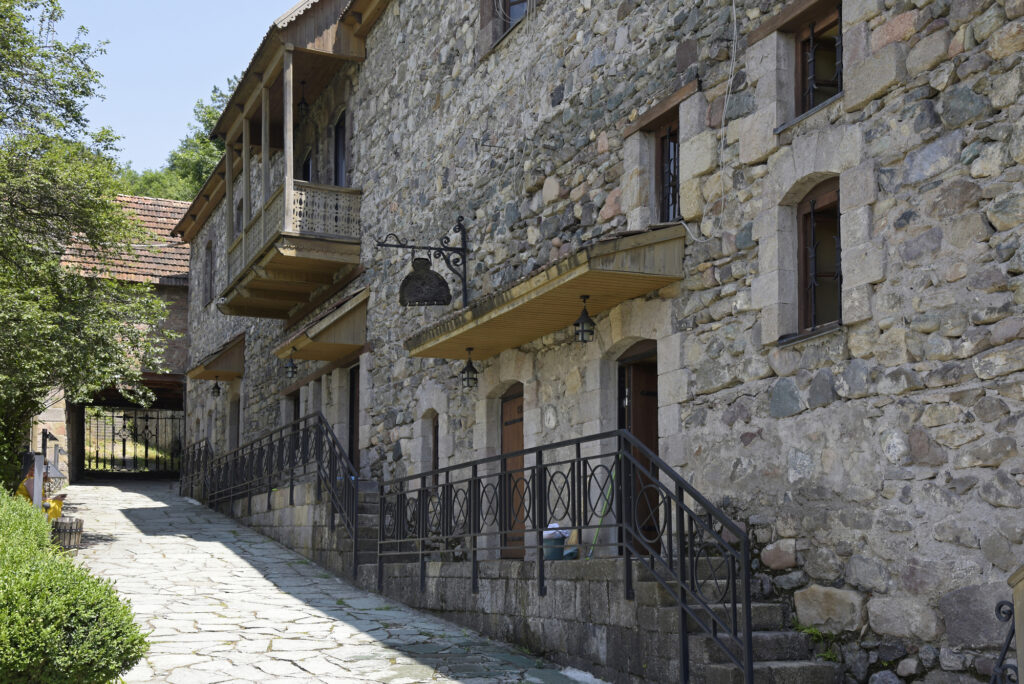
Dilijan Old Town: Explore the charming cobbled streets of Dilijan Old Town, filled with historic and cultural sites.
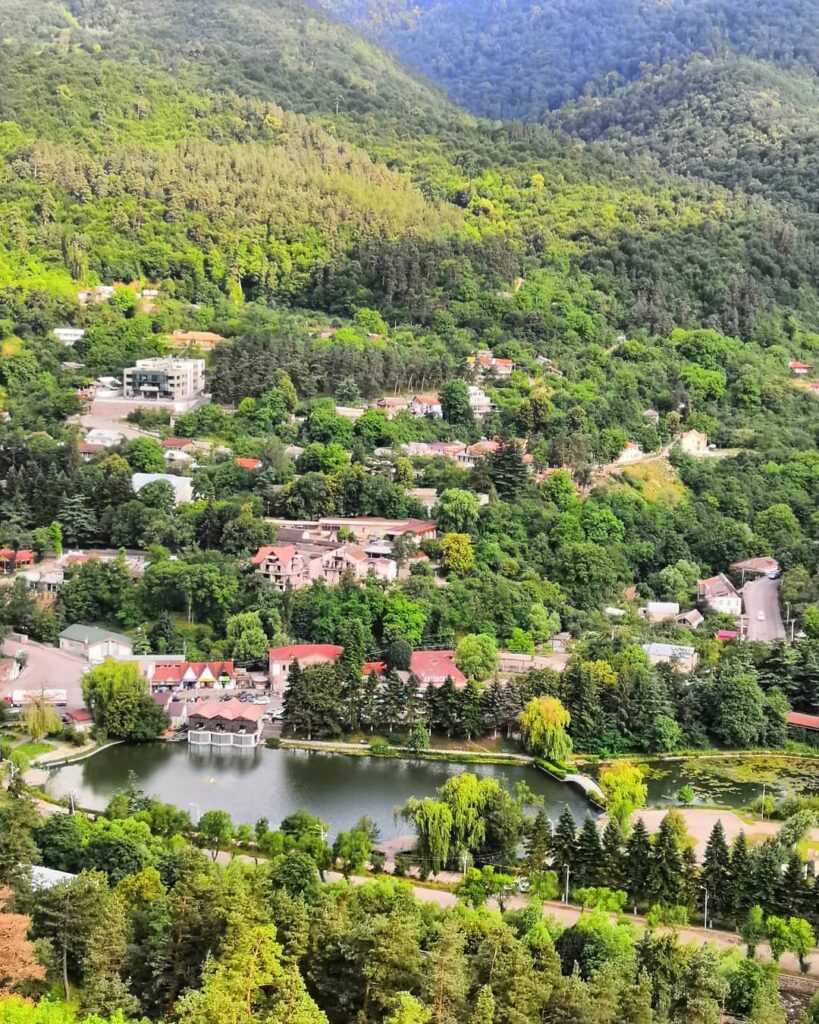
Dilijan: Discover the picturesque Armenian highland town of Dilijan and explore its unique cultural heritage.