
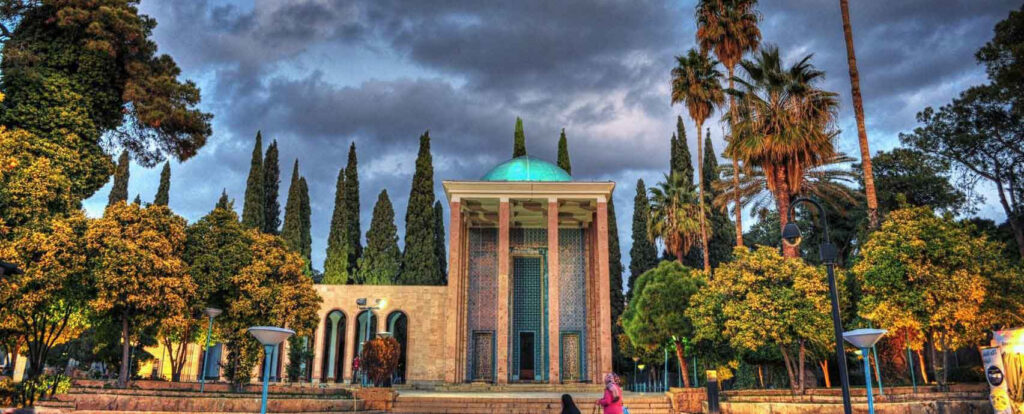
Tomb of Saadi
Tomb of Saadi: Explore the final resting place of Saadi, one of Persia’s most renowned poets located in Shiraz, Iran.
Iran, officially known as the Islamic Republic of Iran, is a country located in Western Asia, bordered by Iraq to the west, Turkey to the northwest, Armenia, Azerbaijan, and the Caspian Sea to the north, Turkmenistan to the northeast, Afghanistan and Pakistan to the east, and the Persian Gulf and the Gulf of Oman to the south. The capital city is Tehran, which is also the largest city and the political, cultural, and economic center of the country.
Iran’s geography is diverse, featuring rugged mountain ranges such as the Zagros and Alborz, vast deserts like the Dasht-e Kavir and Dasht-e Lut, and fertile coastal plains along the Caspian Sea and the Persian Gulf. The country’s climate varies from arid and semi-arid to subtropical along the Caspian coast.
Historically, Iran is home to one of the world’s oldest continuous major civilizations, dating back to the Elamite kingdoms of the fourth millennium BCE. The Achaemenid Empire, founded by Cyrus the Great in the 6th century BCE, was the first Persian Empire and one of the largest empires in history. Iran has a rich cultural heritage that includes significant contributions to art, science, literature, and philosophy.
Iran’s modern history was significantly shaped by the 1979 Islamic Revolution, which led to the establishment of the current theocratic republic. The country’s political system combines elements of an Islamic theocracy with republican principles, where the Supreme Leader holds significant authority.
Economically, Iran has the world’s fourth-largest proven reserves of petroleum and the second-largest reserves of natural gas, making it a major player in the global energy market. Other important industries include agriculture, manufacturing, and services. Despite its rich natural resources, Iran’s economy faces challenges such as international sanctions, economic mismanagement, and political instability.
Culturally, Iran is known for its Persian heritage, which includes a rich tradition in poetry, music, art, and architecture. Persian poets like Rumi, Hafez, and Ferdowsi are celebrated worldwide. Iranian cuisine is renowned for its use of fresh herbs, rice dishes, kebabs, and stews.
Iran’s geopolitical significance, cultural richness, and historical depth make it a key player in the Middle East. However, it continues to navigate complex challenges, including economic sanctions, regional tensions, and internal political dynamics. Despite these issues, Iran remains a country with a profound impact on regional and global affairs.
Tomb of Saadi: Explore the final resting place of Saadi, one of Persia’s most renowned poets located in Shiraz, Iran.

The Tomb of Cyrus: Explore one of the most famous tombs in history, located in Pasargadae, Iran.
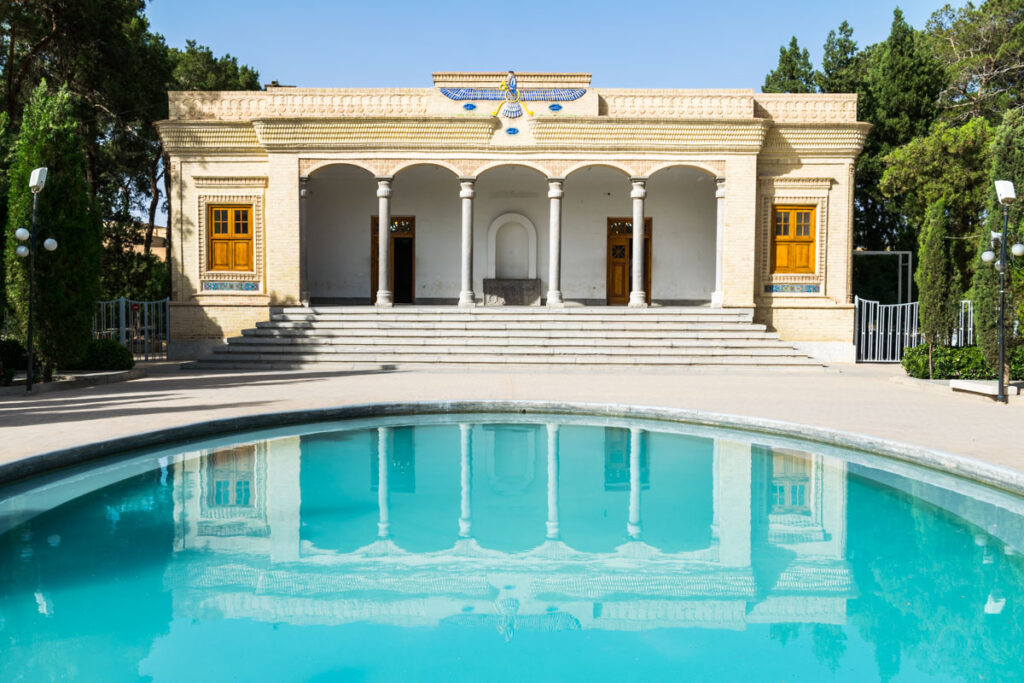
Zoroastrian Fire Temple: Visit the Zoroastrian Fire Temple in Yazd, Iran, and explore the sacred sanctuary and its temple ruins.
Zoroastrian Fire Temple Read More »
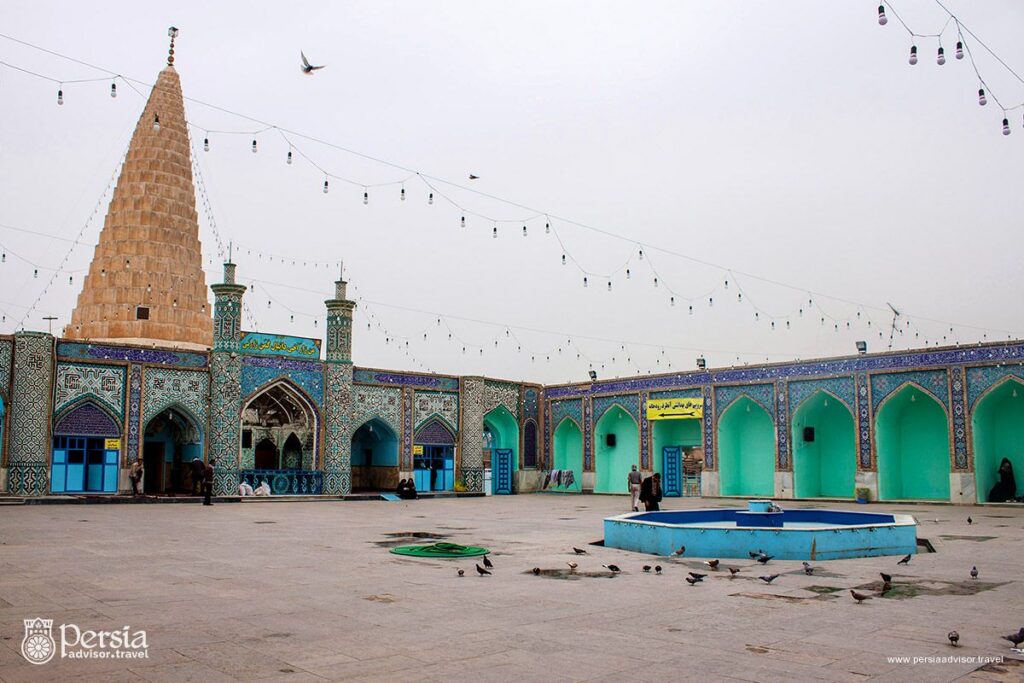
Tomb Of Daniel: Explore the final resting place of the biblical prophet Daniel, and understanding its importance.

Tomb Of Hafez: Explore the hallowed grounds of the renowned Persian poets grave in Shiraz, Iran.

Jameh Mosque of Yazd: Take a historical journey to the magnificent Jameh Mosque of Yazd in Iran. Marvel at the stunning architecture and learn about the city’s rich culture and history.
Jameh Mosque of Yazd Read More »

Arg-e Bam: Learn about the UNESCO world heritage-listed Arg-e Bam – an impressive citadel in Iran.
Arequipa’s Historic Center Read More »
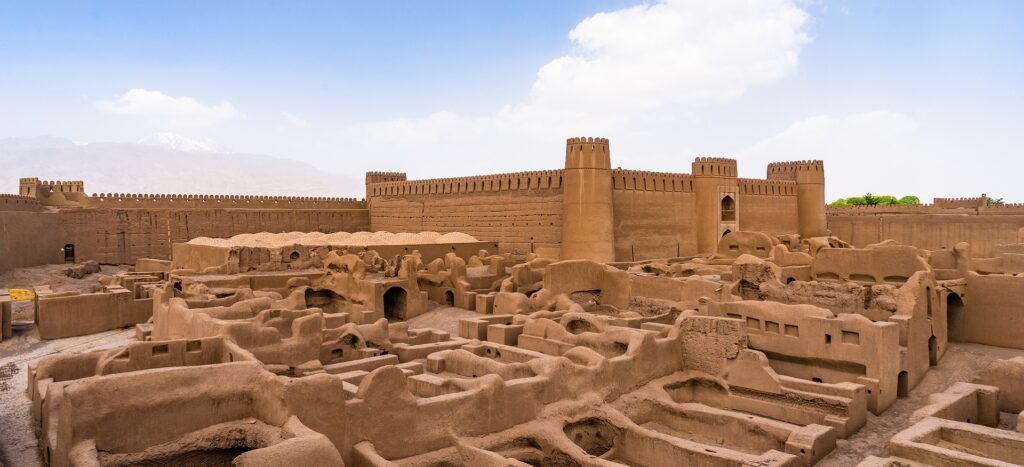
Arg-e Rayen: Explore the ruins of Arg-e Rayen, an ancient adobe citadel located in Kerman Province, Iran.
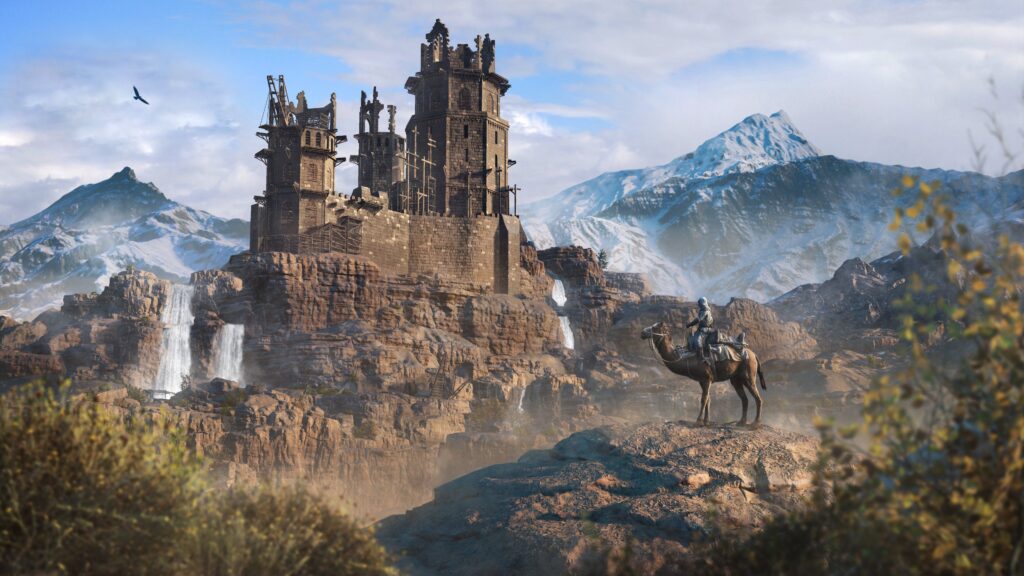
Alamut Castle: Explore the history and scenic beauty surrounding Alamut Castle, an ancient fortress located in the Alvand Mountains of Iran.
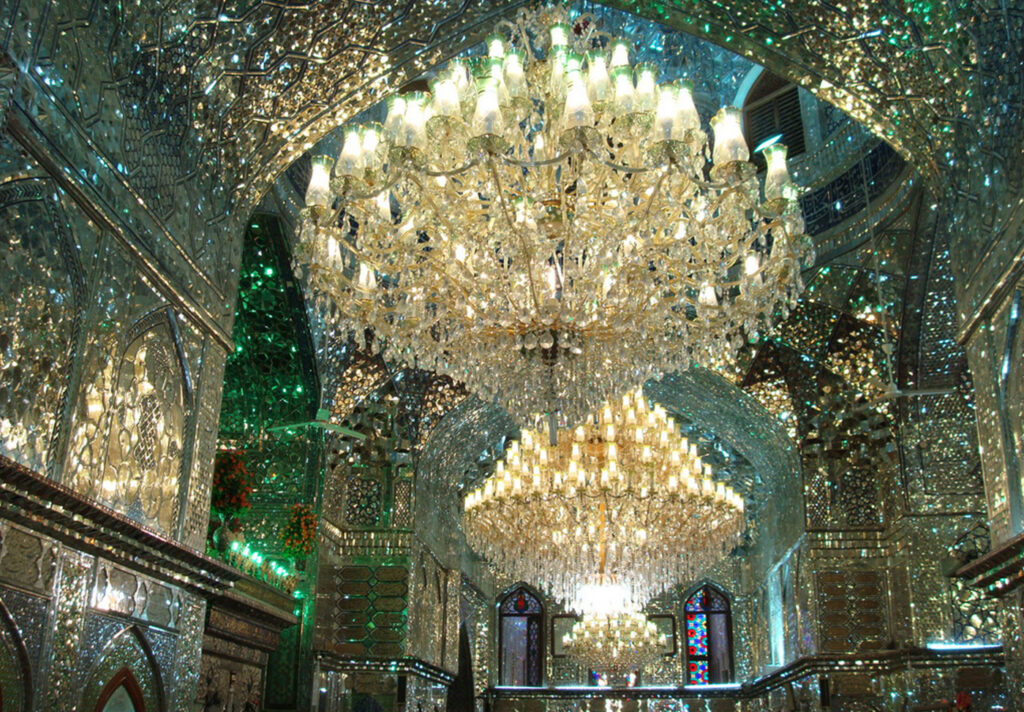
Shah Cheragh: Visit the magnificent Shah Cheragh shrine in Shiraz, Iran, that features beautiful mosaics and intricate architecture.