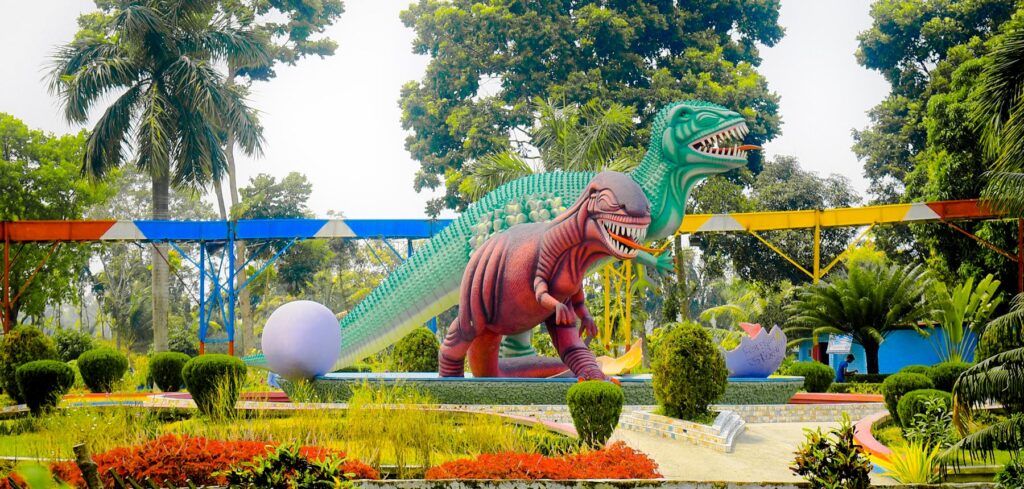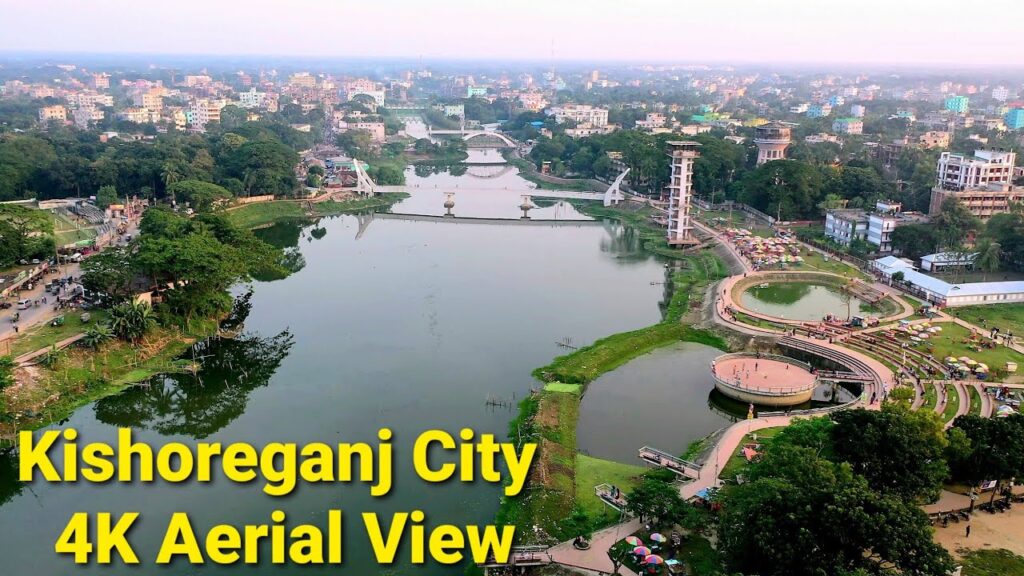
Kishoreganj
Kishoreganj: Discover the history and culture of Kishoreganj, a district in Bangladesh.
Bangladesh, officially the People’s Republic of Bangladesh, is a country located in South Asia, bordered by India to the west, north, and east, Myanmar (Burma) to the southeast, and the Bay of Bengal to the south. With a population exceeding 160 million, it is one of the most densely populated countries in the world. The capital and largest city is Dhaka, which is a major economic and cultural hub.
Geographically, Bangladesh is characterized by its low-lying terrain, with much of the country consisting of the fertile Ganges-Brahmaputra delta. This makes it highly susceptible to flooding, particularly during the monsoon season. The country’s rivers are crucial to its agriculture, which is a key part of the economy. Major crops include rice, jute, tea, and fish.
Historically, the region that is now Bangladesh has been part of various empires, including the Maurya, Gupta, and Mughal empires. It was also a significant center of trade and culture during the Bengal Sultanate period. In 1947, it became East Pakistan following the partition of British India. After a brutal war of independence in 1971, Bangladesh emerged as an independent nation.
The economy of Bangladesh has seen substantial growth in recent decades, driven by its textile and garment industry, which is one of the largest in the world. This sector plays a crucial role in the country’s exports and employment. Other important sectors include agriculture, pharmaceuticals, and shipbuilding.
Culturally, Bangladesh has a rich heritage in literature, music, and the arts. The Bengali language, shared with the Indian state of West Bengal, has a literary tradition that includes the works of Rabindranath Tagore and Kazi Nazrul Islam. The country also celebrates a variety of festivals, including Pohela Boishakh (Bengali New Year) and Durga Puja.
Despite its economic progress, Bangladesh faces significant challenges, such as political instability, environmental issues, and poverty. Efforts are ongoing to improve infrastructure, education, and healthcare to ensure sustainable development for its large and growing population.
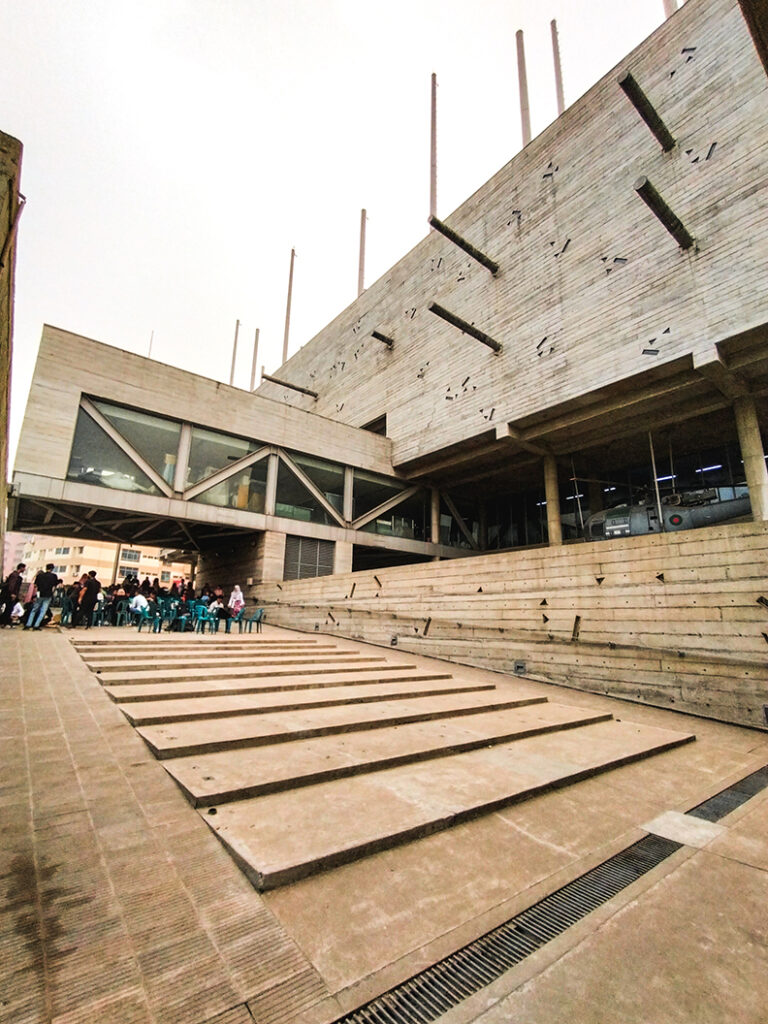
The Liberation War Museum: Explore the interactive exhibits of Bangladeshs Liberation War Museum and learn about the nations history and culture.
The Liberation War Museum Read More »

Cox’s Bazar Himchari: Uncover the natural beauty of Cox’s Bazar Himchari with its majestic waterfalls, hills and pristine beaches.
Cox’s Bazar Himchari Read More »

Chuknagar Massacre Memorial: Uncover the heartbreaking history behind the Chuknagar Massacre Memorial in Bangladesh. Honor the memory of the victims with a dignified and respectful visit.
Chuknagar Massacre Memorial Read More »
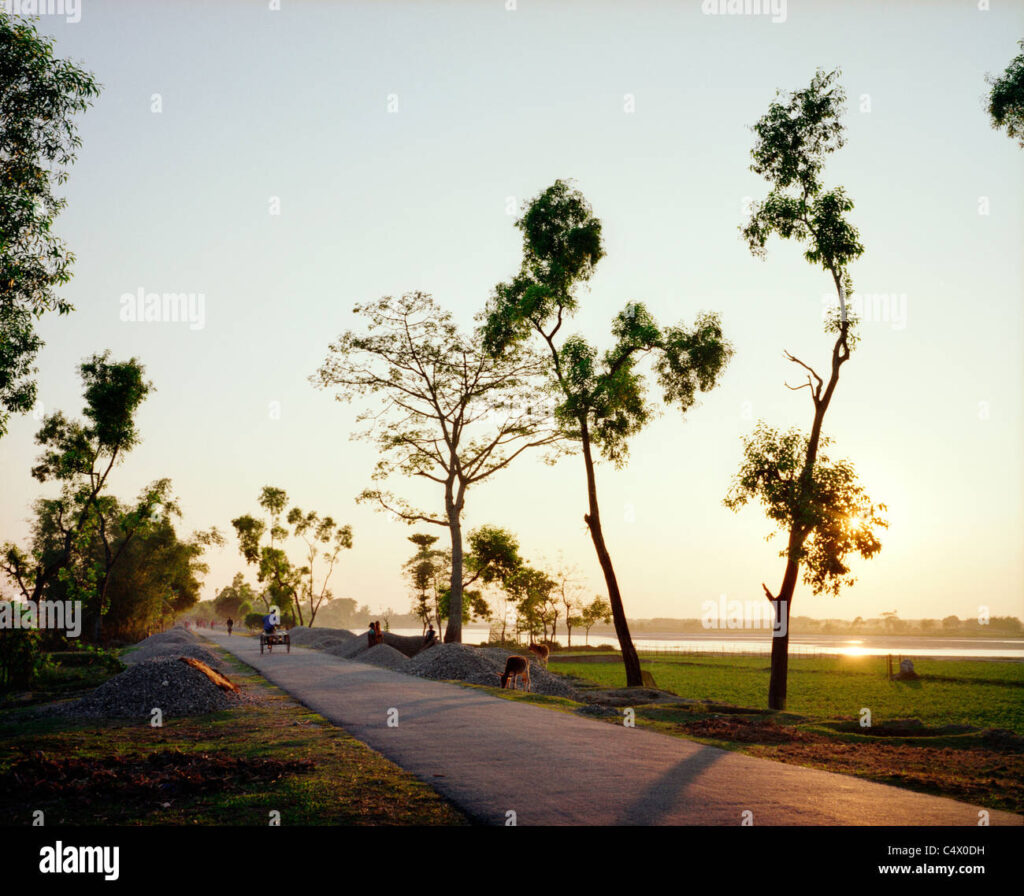
Tetulia: Visit the charming nature reserve of Tetulia, located on the western part of Bangladesh.
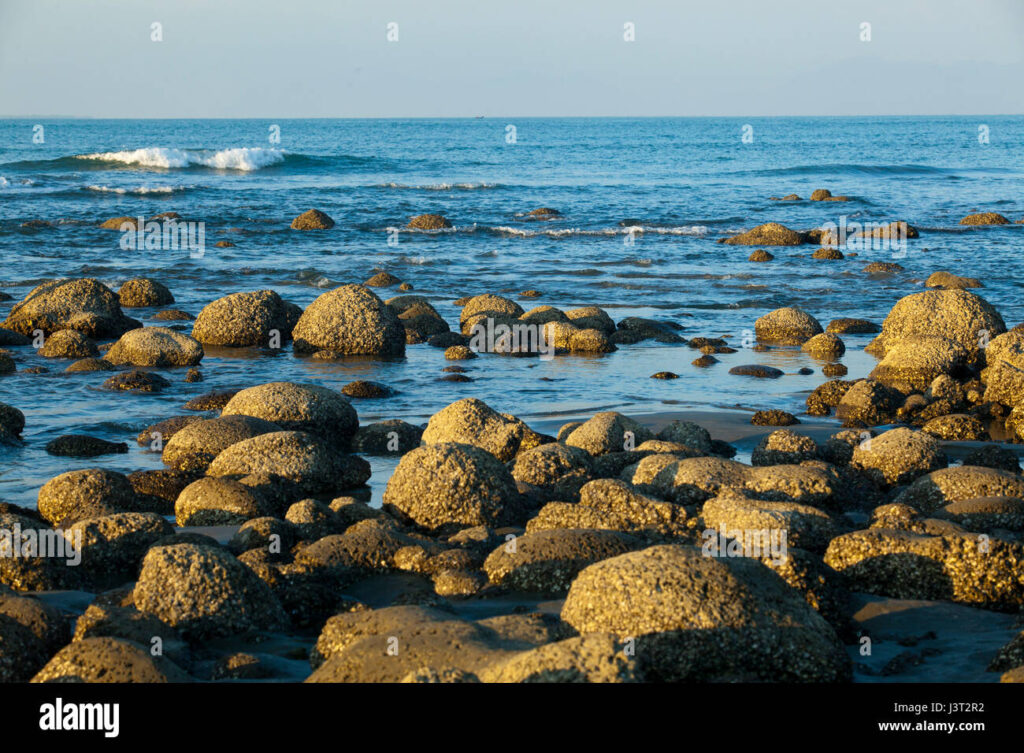
Teknaf: Discover the stunning wildlife of Bangladeshs borderland region, including the worlds longest beach.
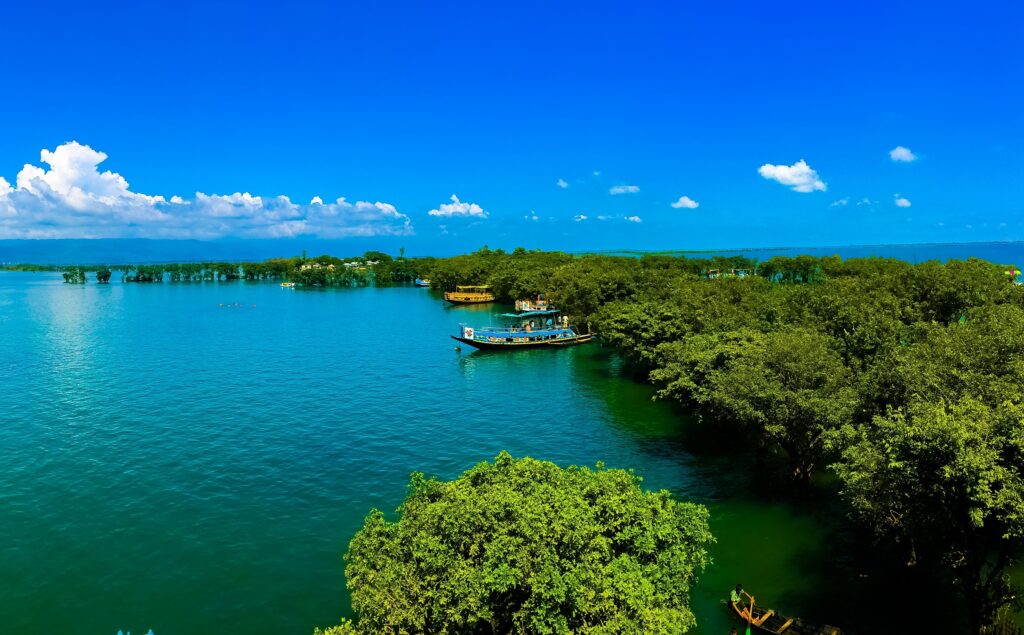
Tanguar Haor: Discover the stunning views, ancient archaeological sites, and unique ecology of Tanguar Haor in northeast Bangladesh.

Ratargul Swamp Forest: Learn more about Ratargul Swamp Forest, an evergreen freshwater swamp forest in Bangladesh.
Ratargul Swamp Forest Read More »
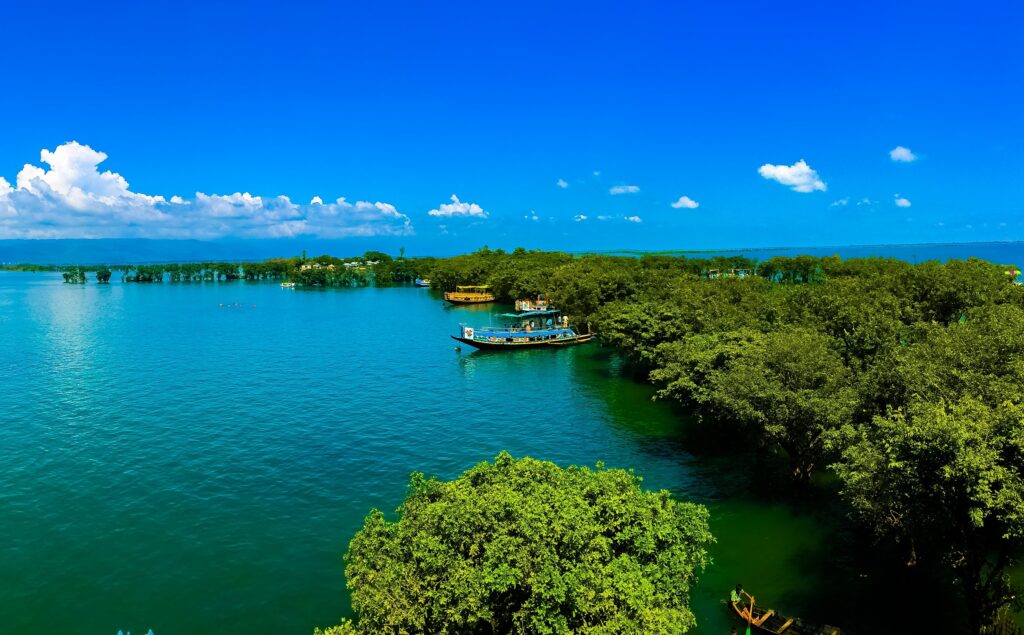
Tanguar Haor: Discover the stunning views, ancient archaeological sites, and unique ecology of Tanguar Haor in northeast Bangladesh.