
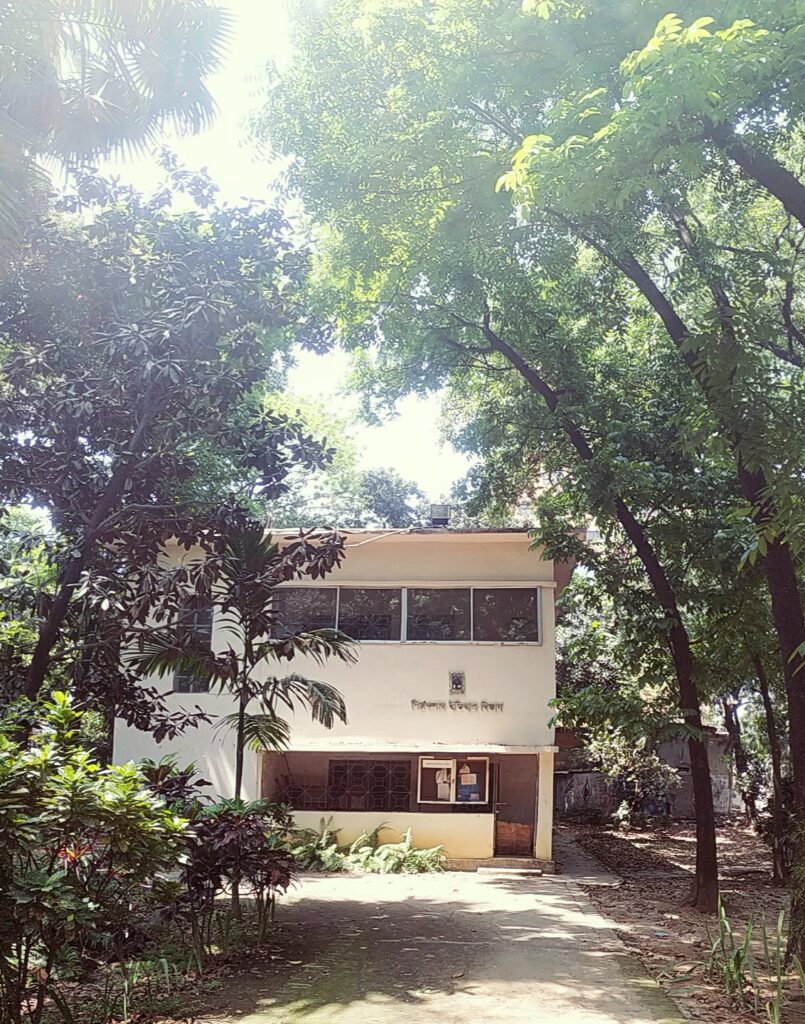
Charukola Institute
Charukola Institute: Get to know the impressive Charukola Institute and their innovative programs for those interested in development and sustainable growth.
Charukola Institute Read More »
Bangladesh, officially the People’s Republic of Bangladesh, is a country located in South Asia, bordered by India to the west, north, and east, Myanmar (Burma) to the southeast, and the Bay of Bengal to the south. With a population exceeding 160 million, it is one of the most densely populated countries in the world. The capital and largest city is Dhaka, which is a major economic and cultural hub.
Geographically, Bangladesh is characterized by its low-lying terrain, with much of the country consisting of the fertile Ganges-Brahmaputra delta. This makes it highly susceptible to flooding, particularly during the monsoon season. The country’s rivers are crucial to its agriculture, which is a key part of the economy. Major crops include rice, jute, tea, and fish.
Historically, the region that is now Bangladesh has been part of various empires, including the Maurya, Gupta, and Mughal empires. It was also a significant center of trade and culture during the Bengal Sultanate period. In 1947, it became East Pakistan following the partition of British India. After a brutal war of independence in 1971, Bangladesh emerged as an independent nation.
The economy of Bangladesh has seen substantial growth in recent decades, driven by its textile and garment industry, which is one of the largest in the world. This sector plays a crucial role in the country’s exports and employment. Other important sectors include agriculture, pharmaceuticals, and shipbuilding.
Culturally, Bangladesh has a rich heritage in literature, music, and the arts. The Bengali language, shared with the Indian state of West Bengal, has a literary tradition that includes the works of Rabindranath Tagore and Kazi Nazrul Islam. The country also celebrates a variety of festivals, including Pohela Boishakh (Bengali New Year) and Durga Puja.
Despite its economic progress, Bangladesh faces significant challenges, such as political instability, environmental issues, and poverty. Efforts are ongoing to improve infrastructure, education, and healthcare to ensure sustainable development for its large and growing population.
Charukola Institute: Get to know the impressive Charukola Institute and their innovative programs for those interested in development and sustainable growth.
Charukola Institute Read More »
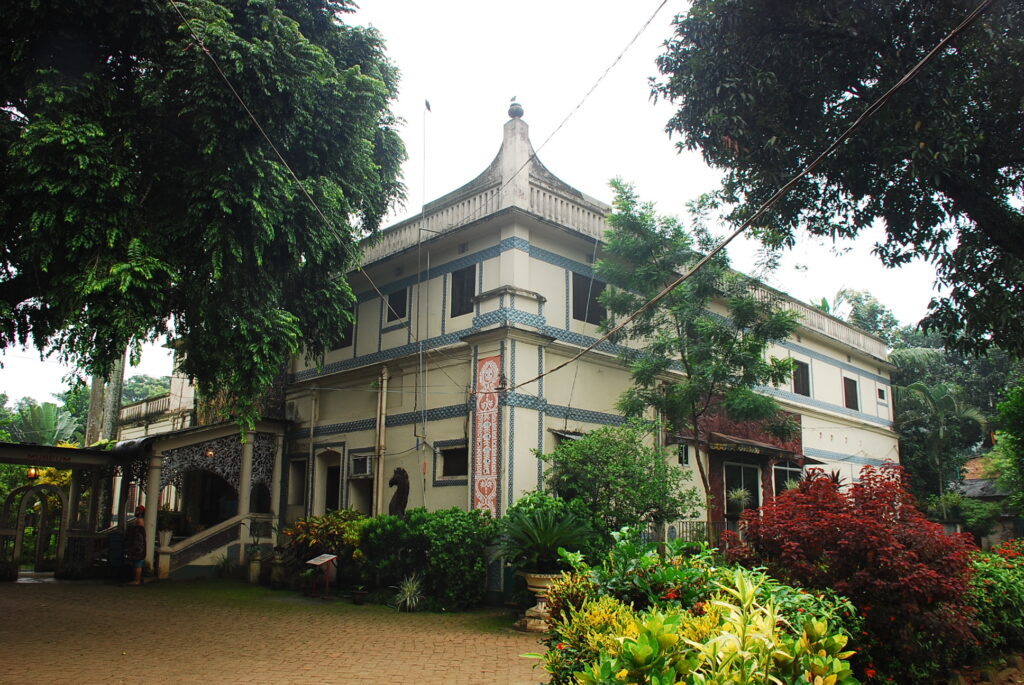
Bogra Nawab Palace: Delve into the heritage of the historic Bogra Nawab Palace.
Bogra Nawab Palace Read More »
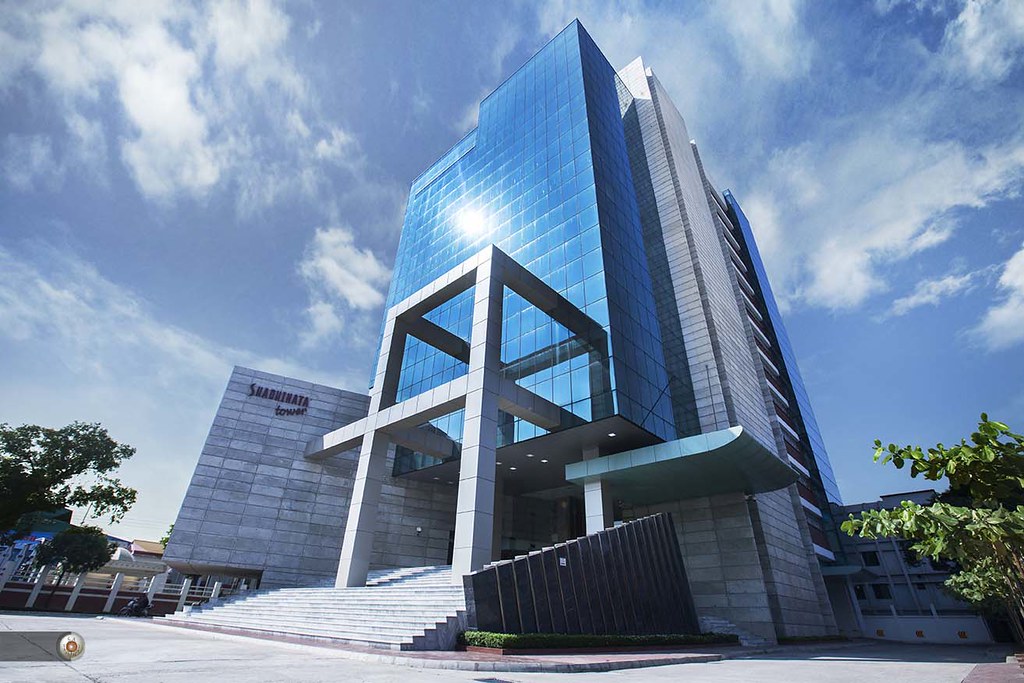
Bir Srestha Shaheed Jahangir Gate: Visit the iconic Bir Srestha Shaheed Jahangir Gate—an ancient Dhaka city gateway that serves as a reminder of the struggles of a nation.
Bir Srestha Shaheed Jahangir Gate Read More »

Bhawal National Park: Stems from the large Bhawal estate, the Bhawal National Park is home to many rare and endemic species of plants and animals.
Bhawal National Park Read More »
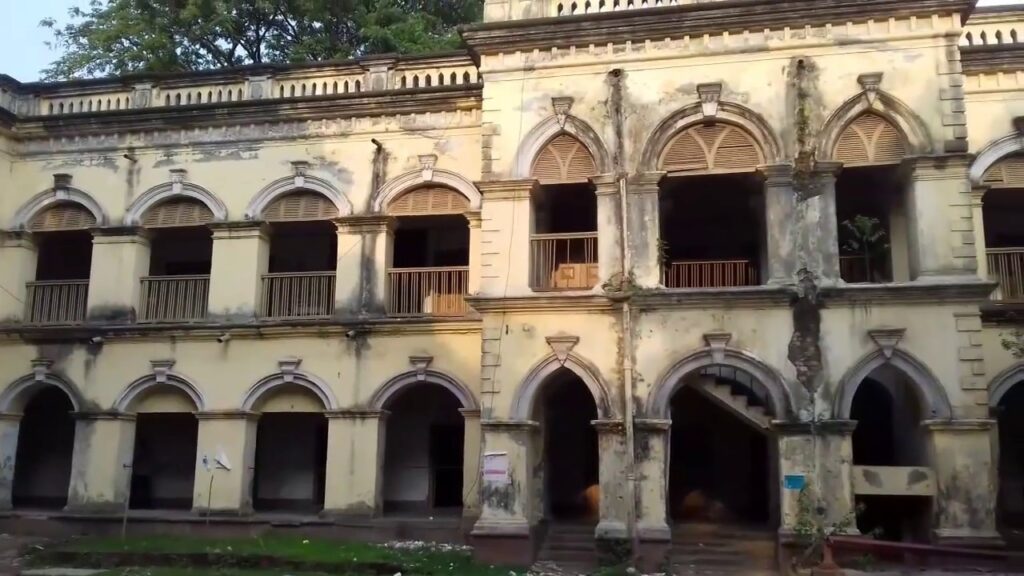
Bhawal Rajbari: Experience a mesmerizing combination of grandeur and history at the Bhawal Rajbari, an 18th century iconic palace in Bangladesh.
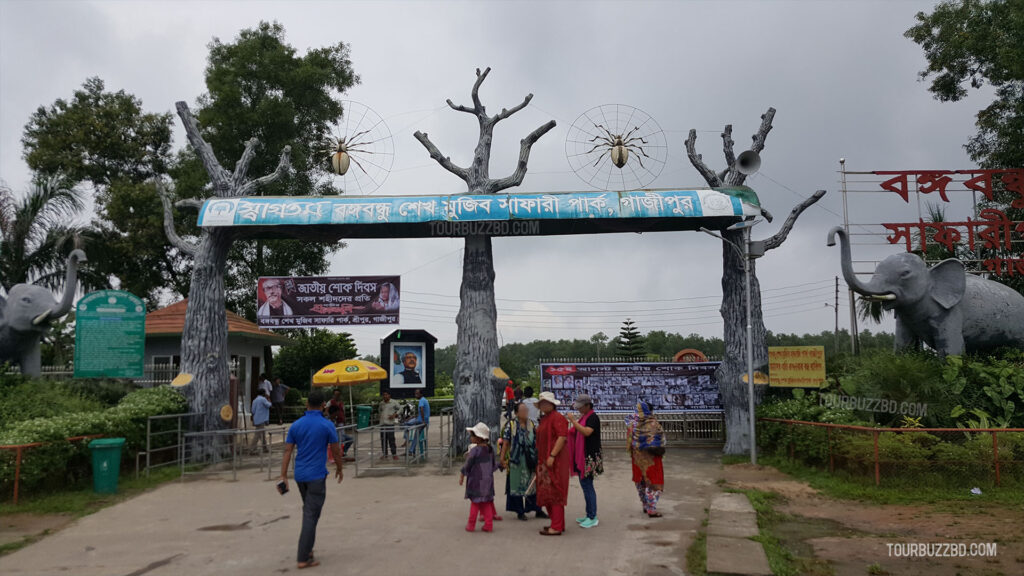
Bangabandhu Sheikh Mujib Safari Park: Spend the day observing numerous species of animals at this sprawling national park celebrating Bangladeshi heroes.
Bangabandhu Sheikh Mujib Safari Park Read More »

Bandarban: Explore the scenic beauty of Bandarban, a hill district of Bangladesh, and its top attractions.
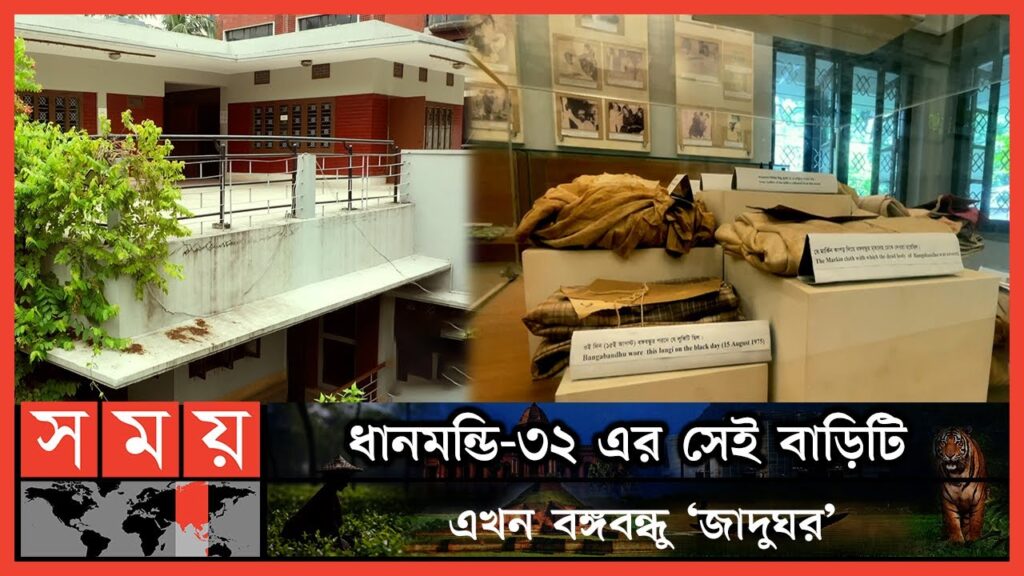
Bangabandhu Memorial Museum: Uncover Bangladeshs turbulent past and pay tribute to one of the nations most influential leaders at this memorial museum.
Bangabandhu Memorial Museum Read More »
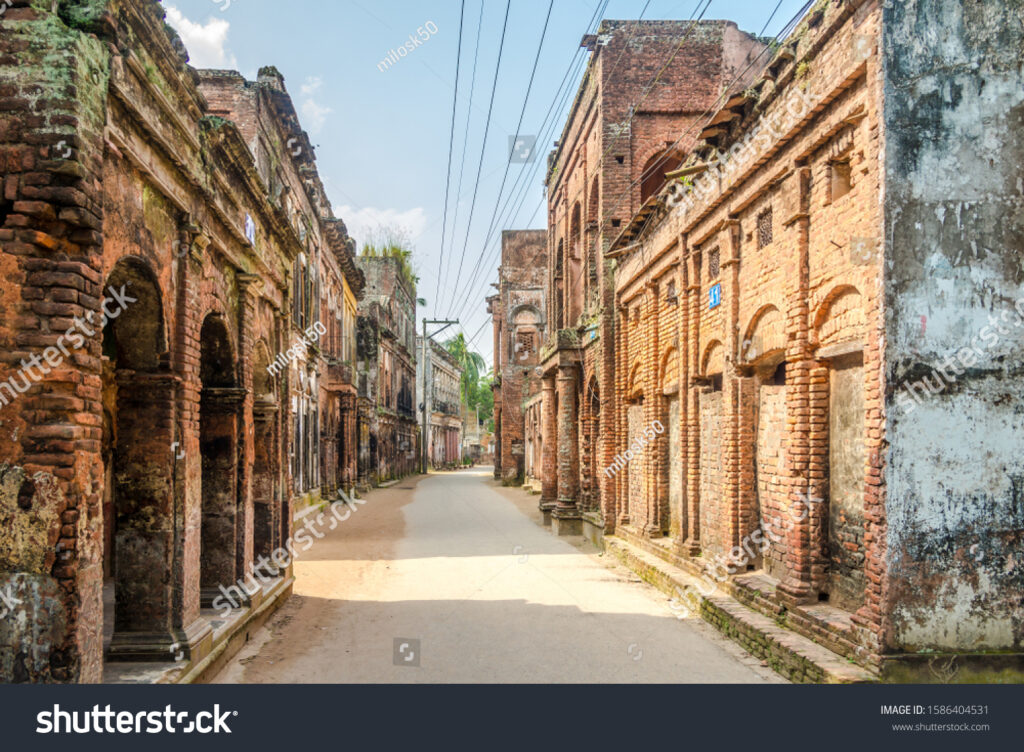
Panam Nagar: Explore the UNESCO Heritage Site of Panam Nagar, the preserved 18th-century village in Bangladesh.
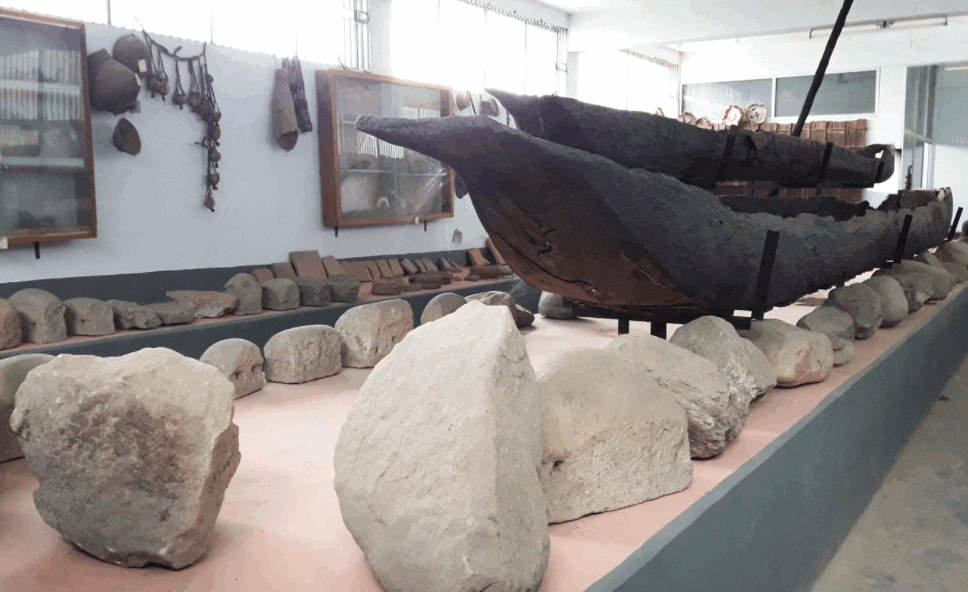
Panchagarh Rocks: Visit the Panchagarh Rocks in Bangladesh and marvel at their unique variety of minerals and fossils.