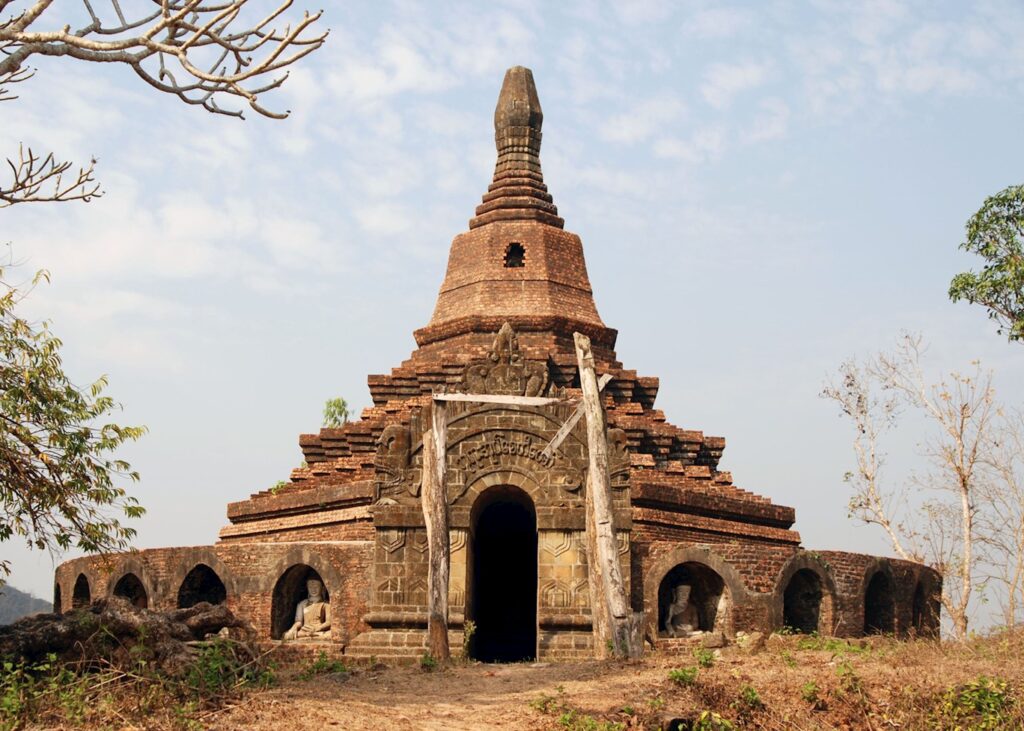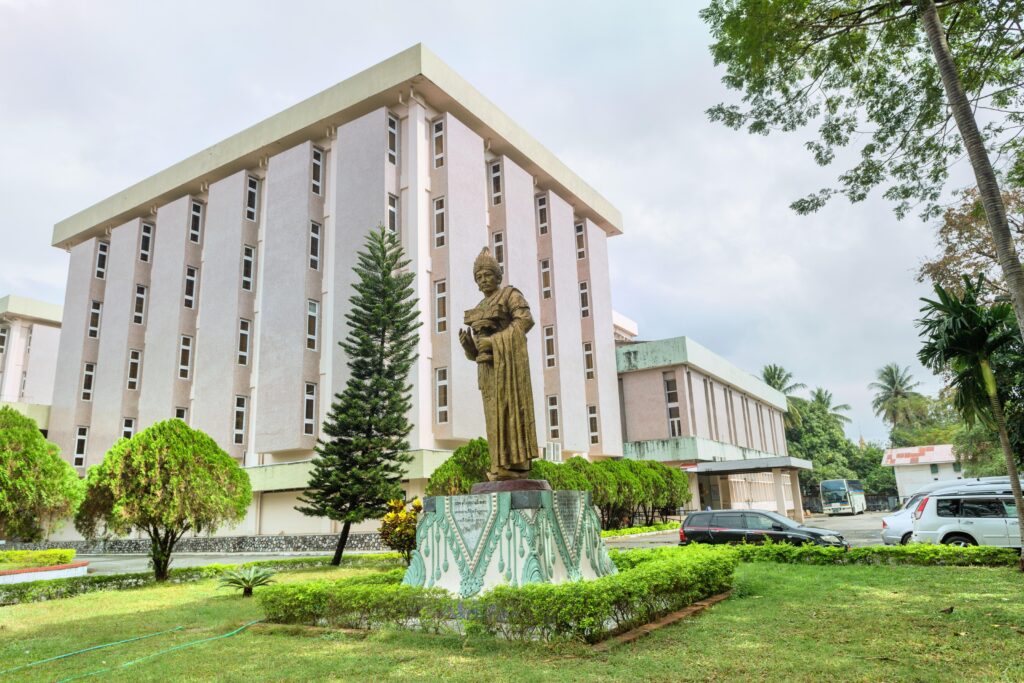
Myanmar National Museum
Myanmar National Museum: Explore the collections of the Myanmar National Museum and gain insight into Myanmar’s history and culture.
Myanmar National Museum Read More »
Myanmar, also known as Burma, is a country in Southeast Asia bordered by Bangladesh and India to the northwest, China to the northeast, Laos to the east, and Thailand to the southeast, with the Andaman Sea and the Bay of Bengal to the south and southwest. The capital city is Naypyidaw, while Yangon (formerly Rangoon) is the largest city and a major commercial center.
Myanmar’s geography is diverse, featuring the rugged Himalayan foothills in the north, the fertile Irrawaddy River delta in the center, and coastal regions in the south. The country’s landscape is dotted with significant natural resources, including precious stones, oil, natural gas, and minerals.
Historically, Myanmar has a rich cultural heritage with influences from various civilizations, including the Mon, Pyu, and Bamar (Burmans). The Pagan Empire, established in the 9th century, was the first kingdom to unify the regions that make up modern Myanmar. The country has a complex colonial history, having been colonized by the British in the 19th century and gaining independence in 1948.
Myanmar has experienced significant political turmoil, including military rule from 1962 to 2011, which led to international isolation and economic sanctions. In recent years, the country has seen attempts at political and economic reforms, but the military coup in February 2021 has led to widespread protests and international condemnation.
Economically, Myanmar is primarily agrarian, with agriculture accounting for a significant portion of the GDP and employing a large part of the population. Rice is the dominant crop. The country is also rich in natural resources, and the extraction of oil, gas, and minerals plays a crucial role in the economy. Tourism, although affected by political instability, showcases Myanmar’s cultural heritage and natural beauty, with notable sites like Bagan’s ancient temples and Inle Lake.
Culturally, Myanmar is predominantly Buddhist, with a rich tradition of pagodas, monasteries, and religious festivals. The Shwedagon Pagoda in Yangon is one of the most revered religious sites in the country. Myanmar’s cultural diversity is reflected in its numerous ethnic groups, each with its own customs, languages, and traditions.
Despite its potential, Myanmar faces numerous challenges, including ethnic conflicts, political instability, and economic underdevelopment. The ongoing political crisis has further complicated efforts to address these issues and achieve sustainable development. However, the resilience and cultural richness of its people remain defining characteristics of the nation.
Myanmar National Museum: Explore the collections of the Myanmar National Museum and gain insight into Myanmar’s history and culture.
Myanmar National Museum Read More »
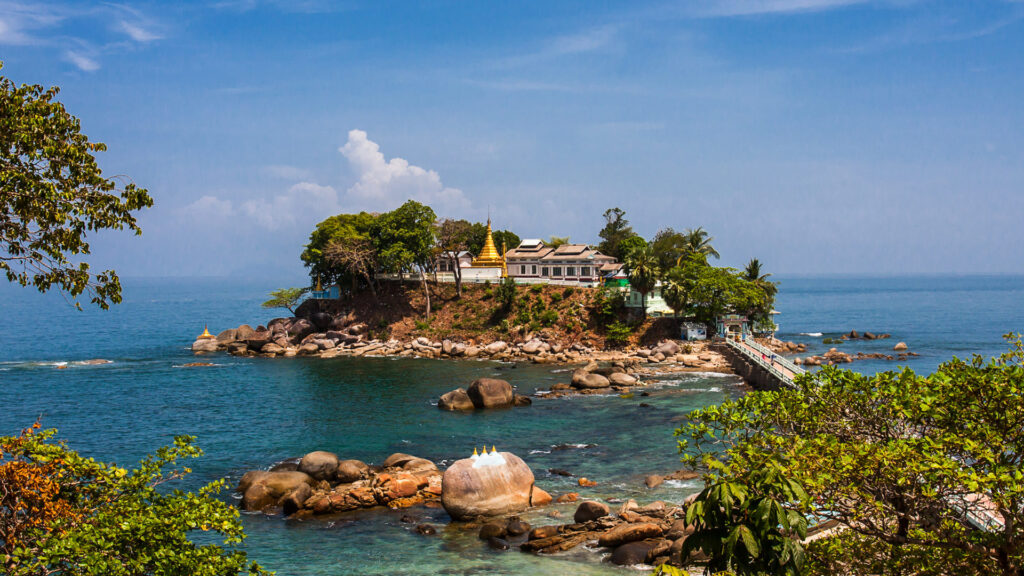
Dawei: Discover the natural beauty and vibrant urban culture of Dawei, Myanmars second-largest city.
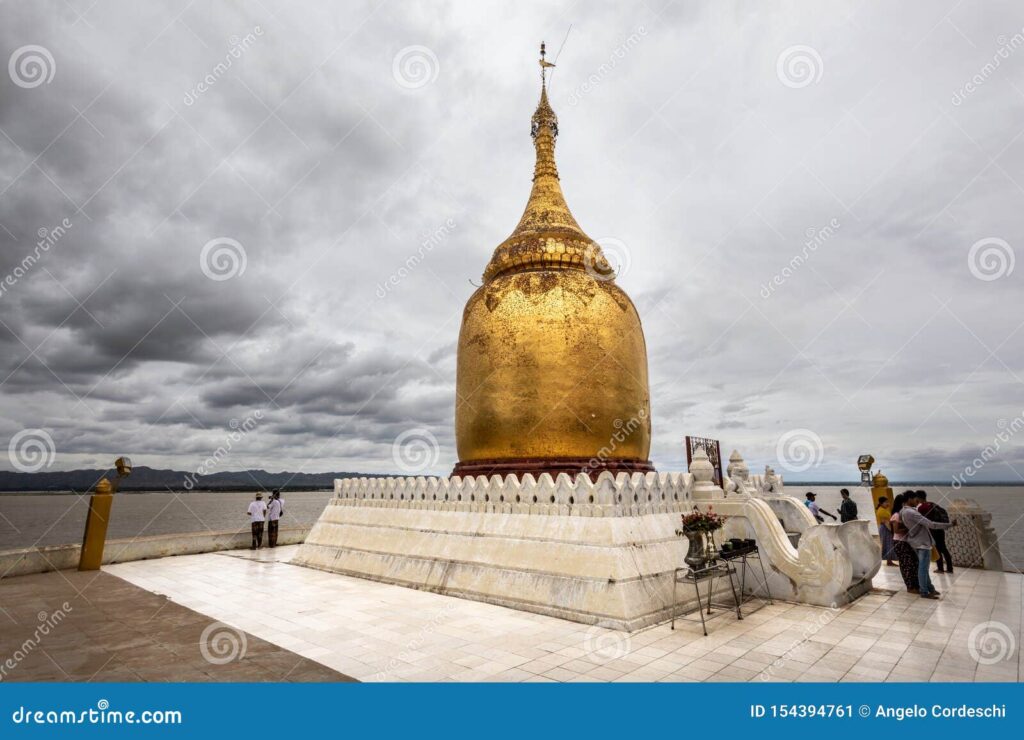
Bupaya Pagoda: Discover the unique architectural features and fascinating folklore associated with the Bupaya Pagoda in Bagan, Myanmar.
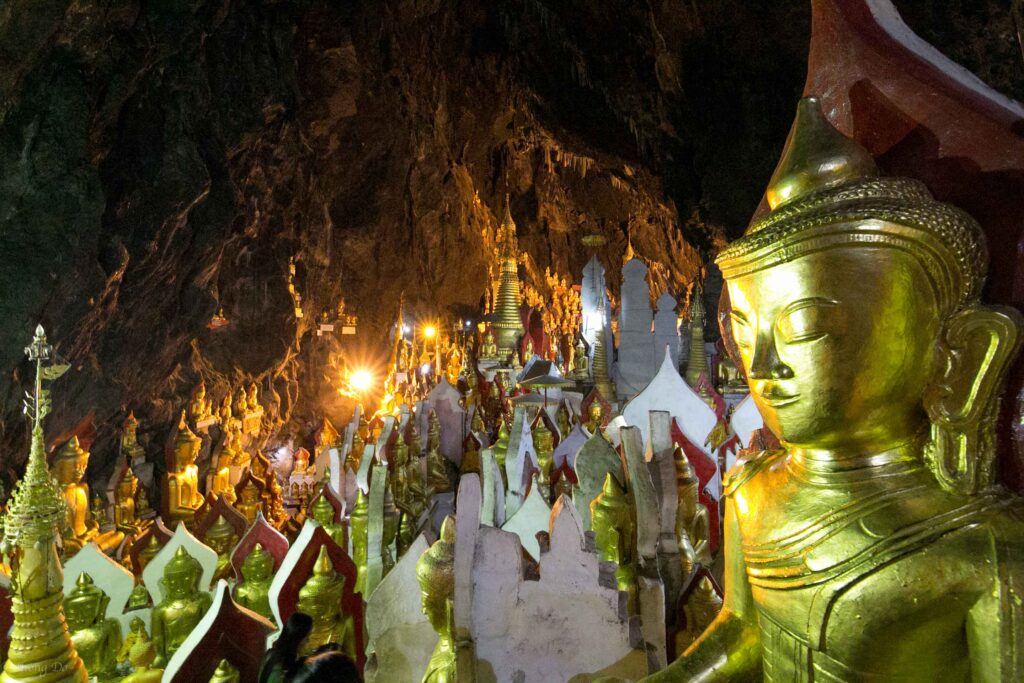
Pindaya Caves: Discover the unique Pindaya Caves located in Burma, with its thousands of ancient Buddha images.
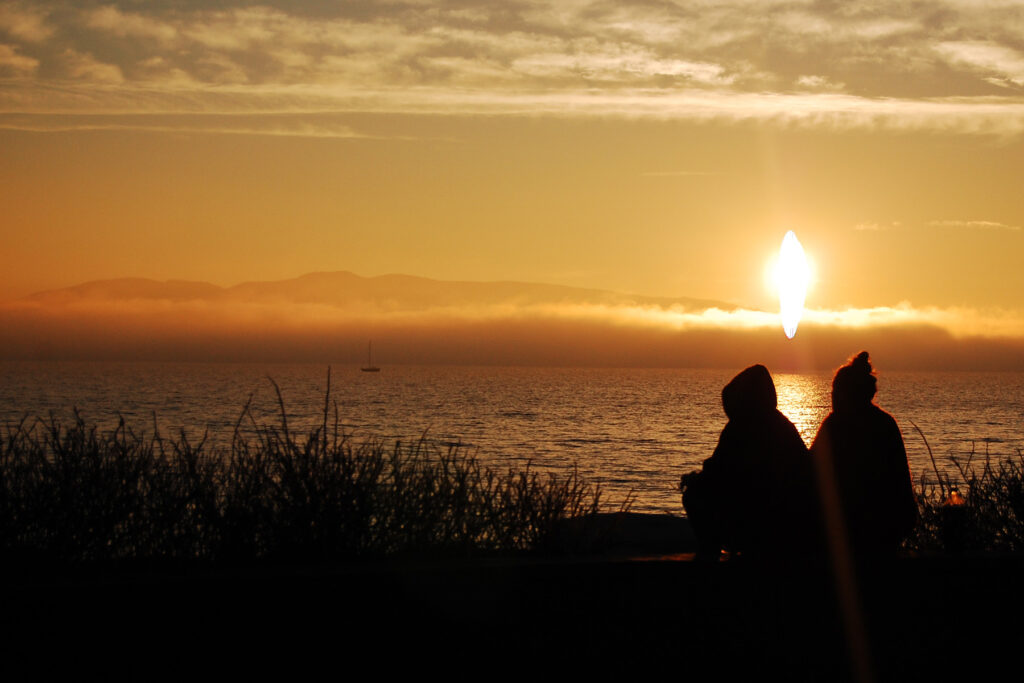
Sunset Watching: Join the millions of people around the world in witnessing the breathtaking sunsets from wherever you are.
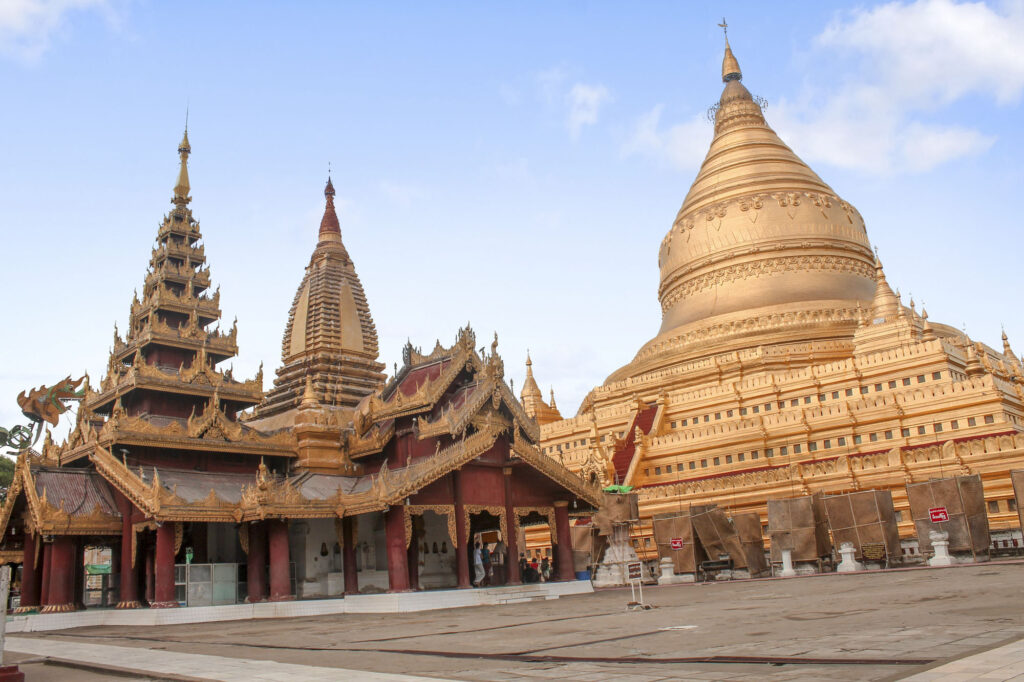
Shwezigon Pagoda: Visit the Shwezigon Pagoda, a revered Buddhist religious site in Mandalay, Myanmar, known for its impressive gold plated stupa.
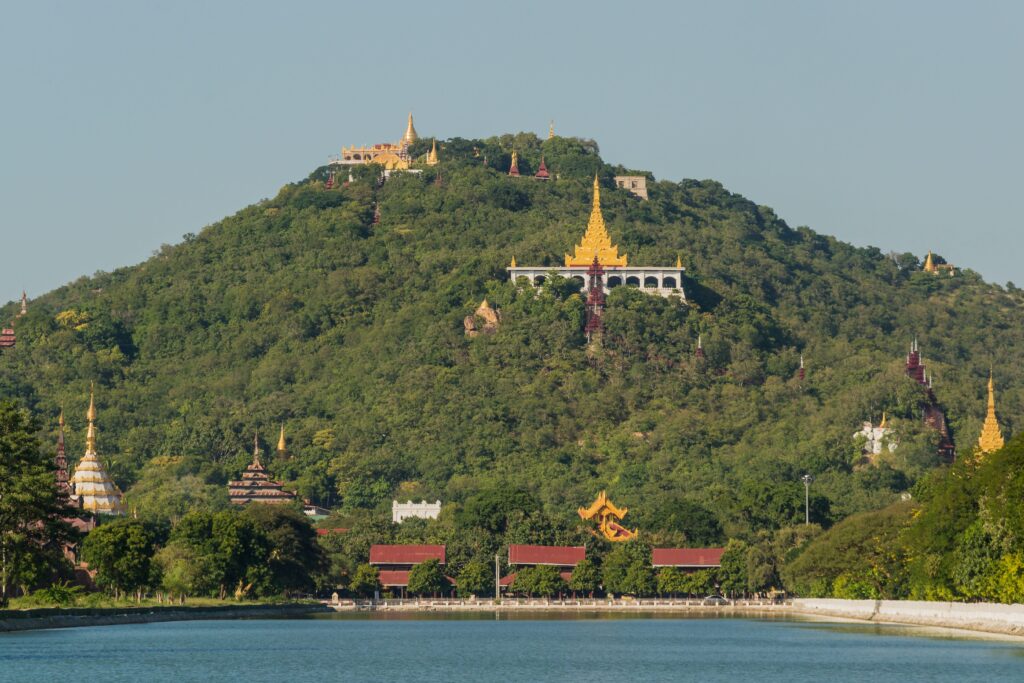
Mandalay Hill: Journey up Mandalay Hill and be rewarded with beautiful views of this iconic destination and its charming pagodas and temples.
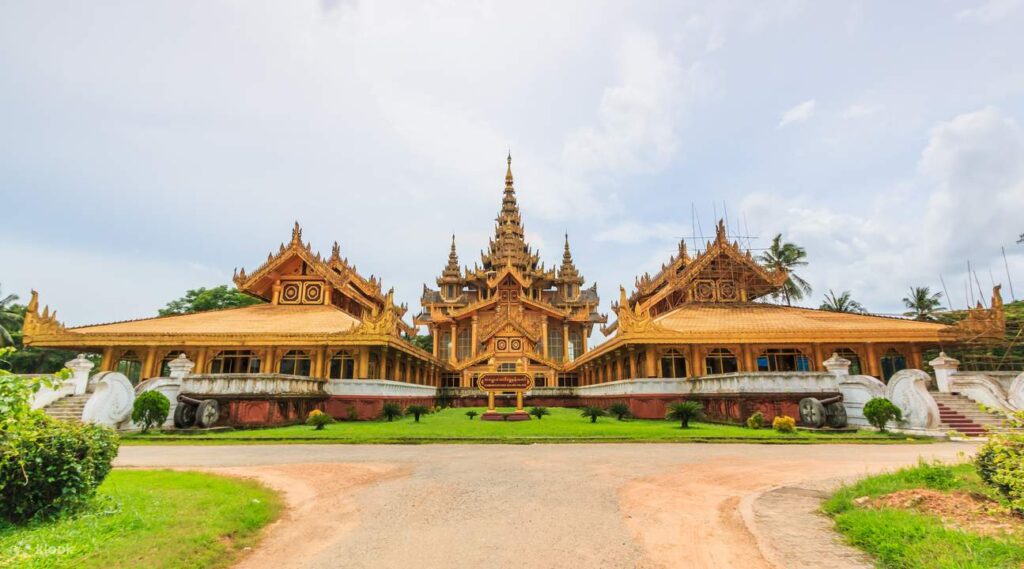
Bago – Discover the historic city of Bago, once known as Pegu, and its rich history and culture.