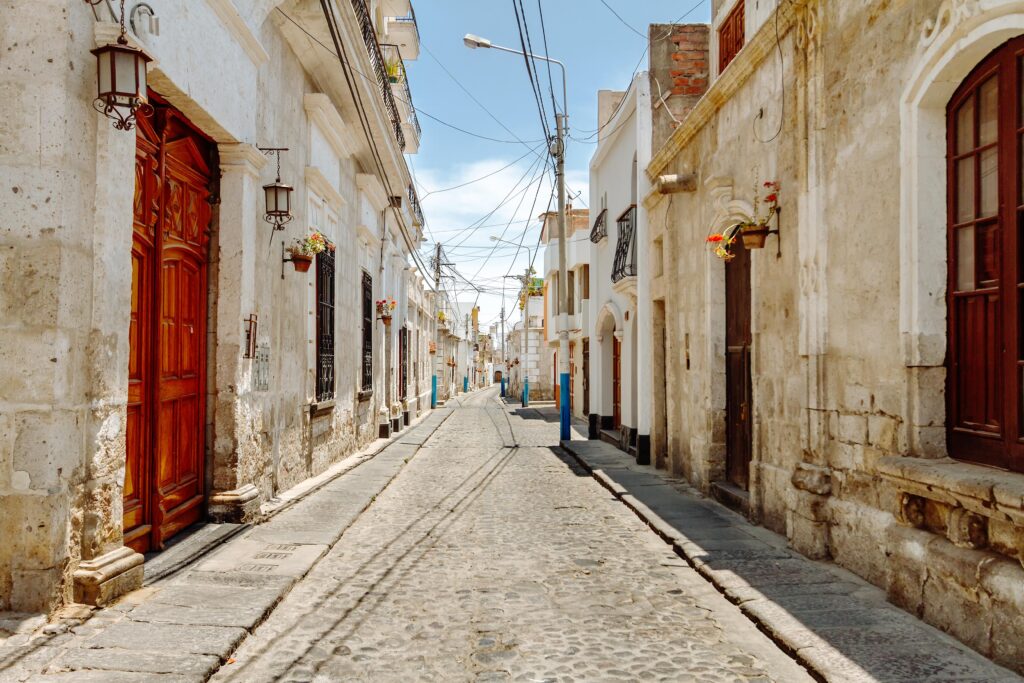
Nazca Lines
Nazca Lines: Explore the mysterious Nazca Lines in Peru, an ancient geoglyphs stretching across the desert.
Peru, officially known as the Republic of Peru, is a country in western South America. It is bordered by Ecuador and Colombia to the north, Brazil to the east, Bolivia to the southeast, Chile to the south, and the Pacific Ocean to the west. Peru is known for its rich cultural heritage, diverse landscapes, and significant contributions to world history and culture.
The capital city of Peru is Lima, which is also the largest city and a major economic and cultural center. Lima is known for its colonial architecture, vibrant food scene, and as a gateway to many of Peru’s historical sites.
Peru’s geography is remarkably diverse, featuring the arid plains of the Pacific coast, the peaks of the Andes mountains, and the tropical Amazon rainforest. This geographical variety contributes to Peru’s status as one of the most biodiverse countries in the world.
One of Peru’s most famous historical sites is Machu Picchu, an ancient Incan city set high in the Andes mountains, which is one of the New Seven Wonders of the World. The country’s history is deeply rooted in ancient civilizations, including the Inca Empire, which left a lasting legacy in terms of architecture, culture, and knowledge.
The official languages of Peru are Spanish, Quechua, and Aymara, reflecting its multicultural population. The Indigenous cultures of Peru, particularly the Quechua and Aymara, continue to play a significant role in the country’s cultural identity.
Economically, Peru has a mixed economy with key industries including mining (gold, copper, and silver), agriculture (coffee, cotton, and asparagus), fishing, and tourism. The country has experienced significant economic growth in recent years, although poverty and inequality remain challenges.
Peruvian cuisine is internationally renowned for its diversity and fusion of flavors, with dishes such as ceviche, lomo saltado, and causa being particularly famous. The country also celebrates a wide array of festivals and traditions, many of which are linked to its Indigenous and colonial heritage.
Culturally, Peru is rich in music, dance, and crafts, with traditional music styles like huayno and marinera, and vibrant textiles and pottery that reflect its diverse heritage. Festivals such as Inti Raymi, the Festival of the Sun, and the celebration of the Virgin of Candelaria are important cultural events that highlight the country’s rich traditions.
Overall, Peru is a country of extraordinary cultural richness, natural beauty, and historical significance, making it a fascinating destination and an important nation in South America.
Nazca Lines: Explore the mysterious Nazca Lines in Peru, an ancient geoglyphs stretching across the desert.
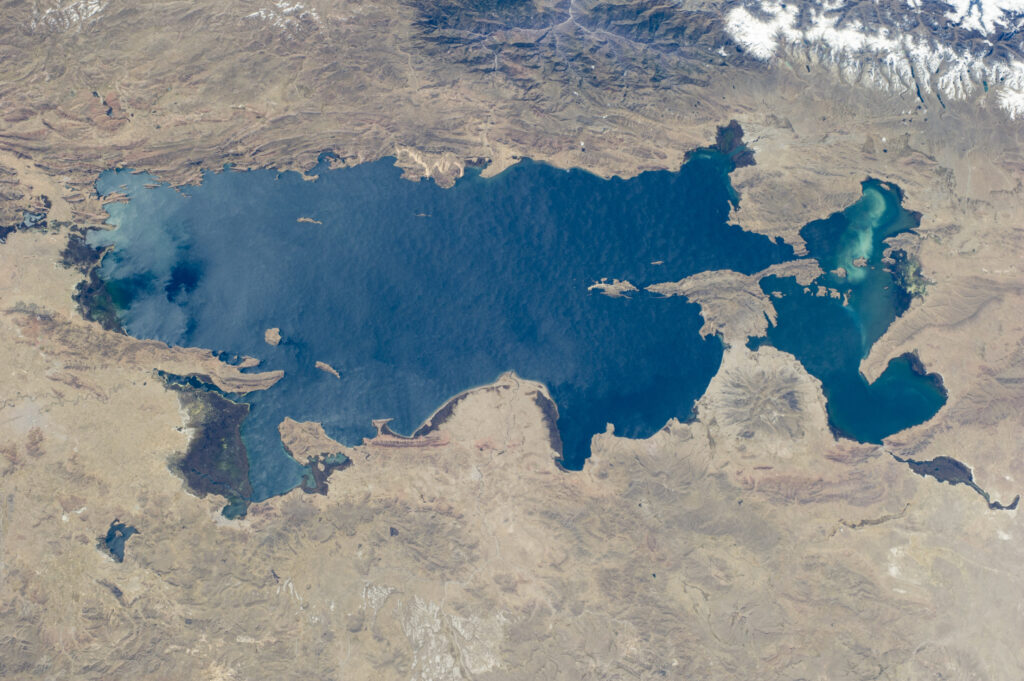
Lake Titicaca: Visit magnificent Lake Titicaca and its surroundings, rich in culture and breathtaking nature.
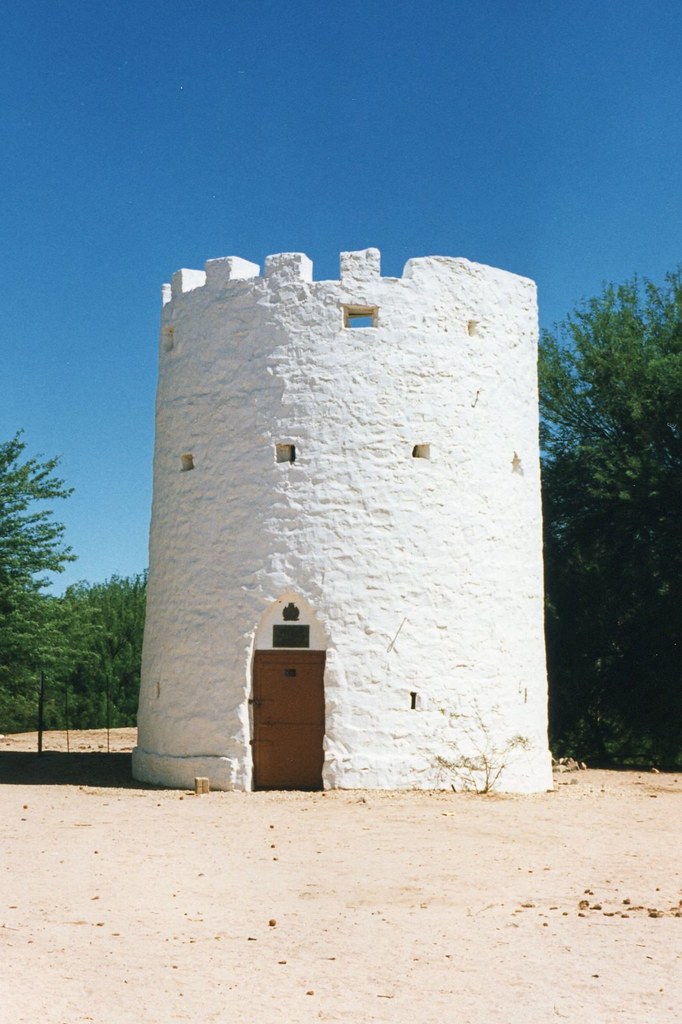
Otjimbingwe: Witness the traditional Himba people and rugged scenery of northern Namibia.
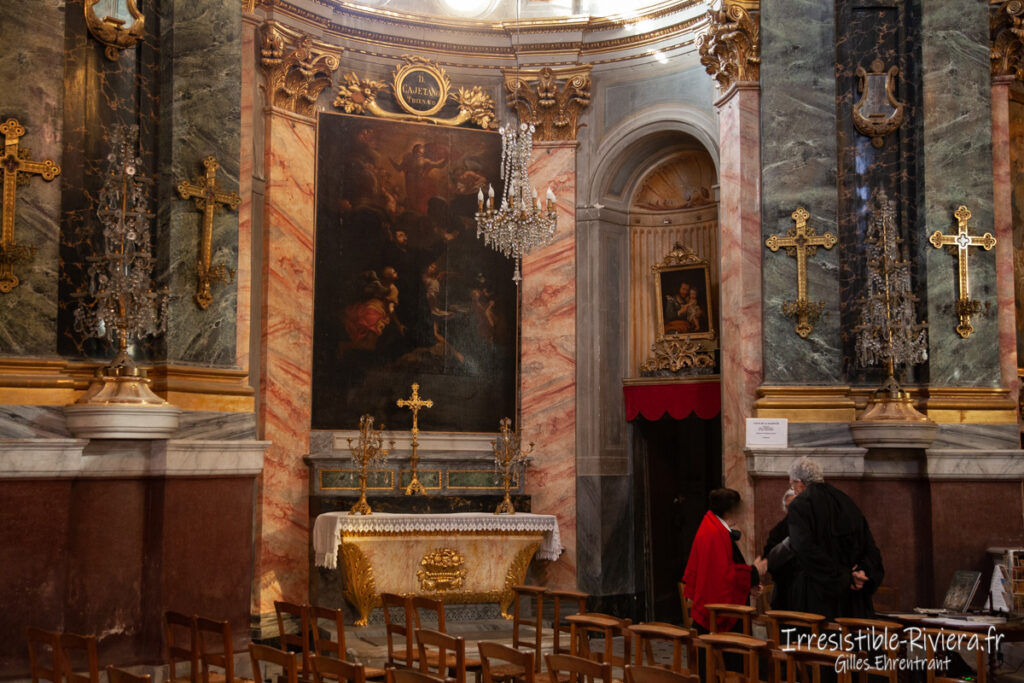
Uncover the history of this 16th-century chapel at the Chapel of Mercy in Granada, Spain.
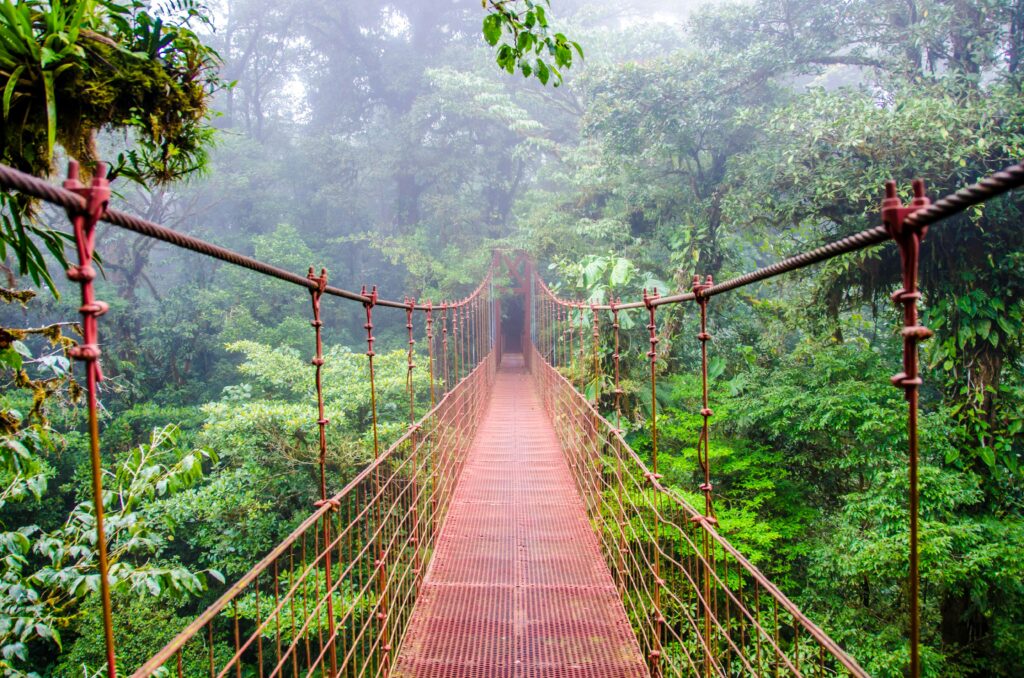
Canopy Walkway: Trek through the tropical rainforest of Khao Yai National Park and take the incredible Canopy Walkway, a suspended bridge in the treetops.
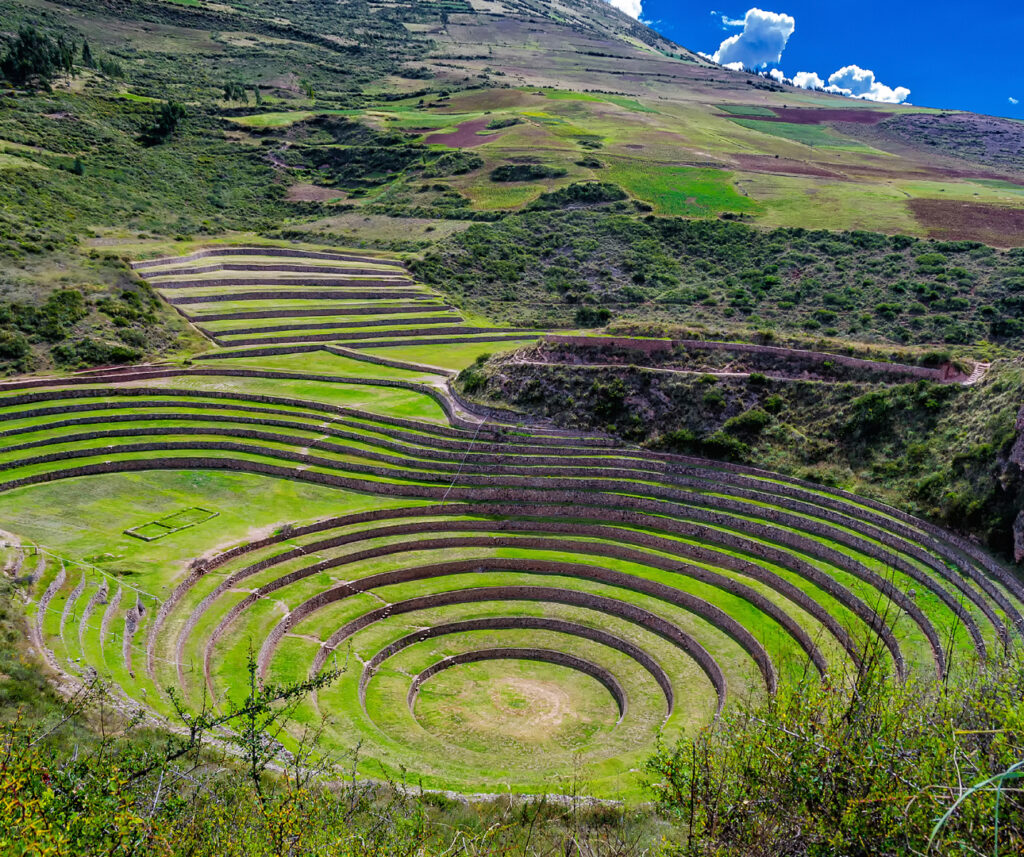
Sacred Valley: Explore the history and culture of the Sacred Valley in Peru, with its spectacular landscapes, ancient ruins, and unique villages.
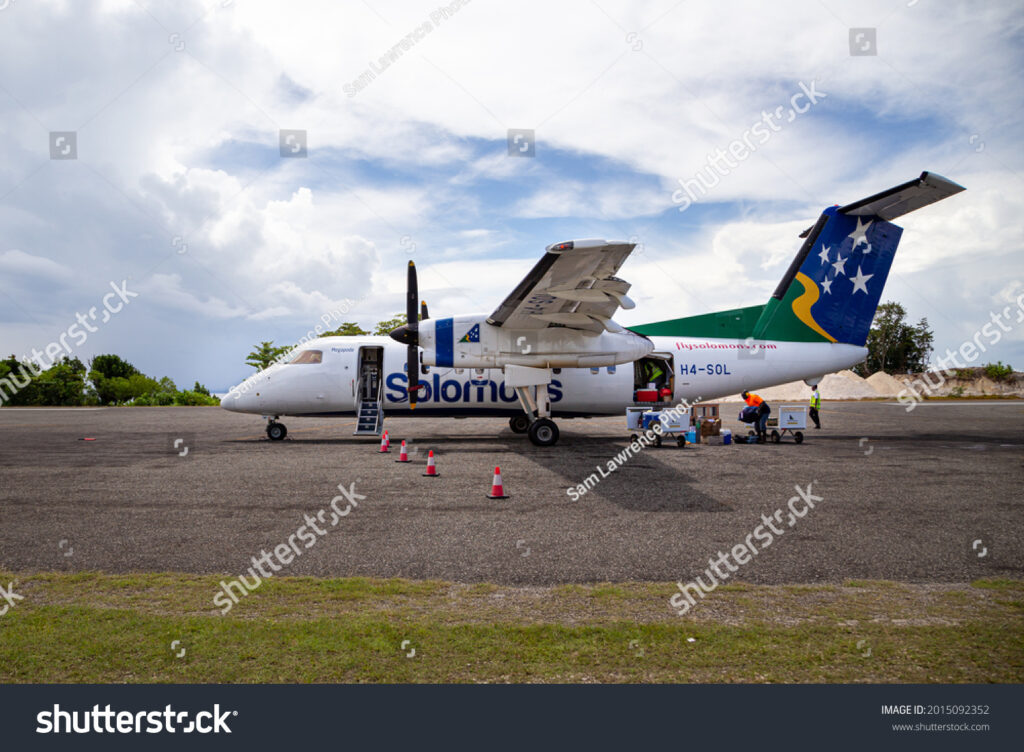
Nusatupe Airport: Learn about Nusatupe Airport, the main gateway for air travel to Perus stunning Ucayali region.
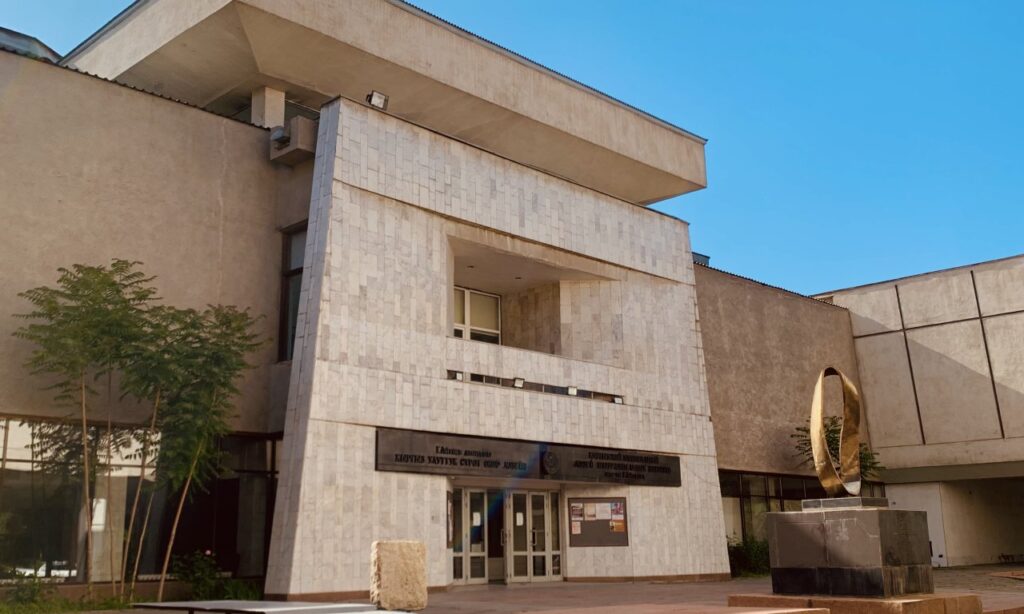
National Art Museum: Visit the National Art Museum in your city to experience an extensive collection of modern and classical pieces, showcasing art from around the world.
National Art Museum Read More »
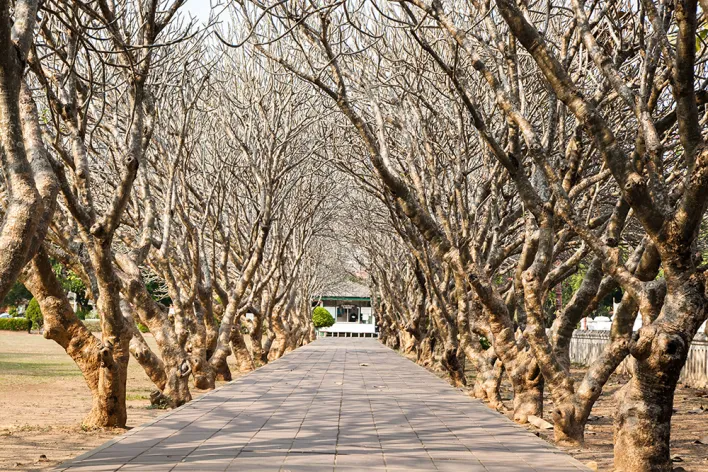
Nanwelat Cultural Experience: Discover the fascinating history and unique culture of Nanwelat with an immersive exploration into the local culture and traditions.
Nanwelat Cultural Experience Read More »