

Cuango
Cuango: Discover the history and culture of Cuango, a city in northwestern Angola.
The Philippines, officially known as the Republic of the Philippines, is an archipelagic country located in Southeast Asia. It consists of over 7,600 islands, divided into three main geographical divisions: Luzon, Visayas, and Mindanao. The capital city is Manila, while Quezon City is the most populous city. The Philippines has a population of over 110 million people, making it the 13th most populous country in the world.
Geographically, the Philippines is known for its stunning natural landscapes, including tropical rainforests, mountains, volcanoes, and extensive coastlines with beautiful beaches and coral reefs. The country is part of the Pacific Ring of Fire, making it prone to earthquakes and volcanic activity.
The Philippines has a rich cultural heritage influenced by various civilizations, including indigenous cultures, Malay, Chinese, Spanish, and American influences. Spanish colonization, which lasted for over 300 years, has left a significant impact on Filipino culture, religion, and architecture. Roman Catholicism is the predominant religion, practiced by about 80% of the population.
The country’s economy is one of the emerging markets in the world, with key sectors including agriculture, manufacturing, electronics, business process outsourcing (BPO), and tourism. The Philippines is a major exporter of electronic products, machinery, and coconut oil. Remittances from Overseas Filipino Workers (OFWs) also play a vital role in the economy.
Culturally, the Philippines is known for its vibrant festivals, music, dance, and cuisine. Traditional Filipino music and dance, such as the Tinikling and Kundiman, coexist with modern influences like pop and rock. Filipino cuisine is a flavorful blend of indigenous, Spanish, Chinese, and American influences, featuring dishes like adobo, sinigang, and lechon.
Despite its natural beauty and cultural richness, the Philippines faces challenges such as poverty, political instability, and natural disasters. However, the resilience and warmth of the Filipino people are well-known, and the country continues to strive for economic growth and development while preserving its unique cultural identity.
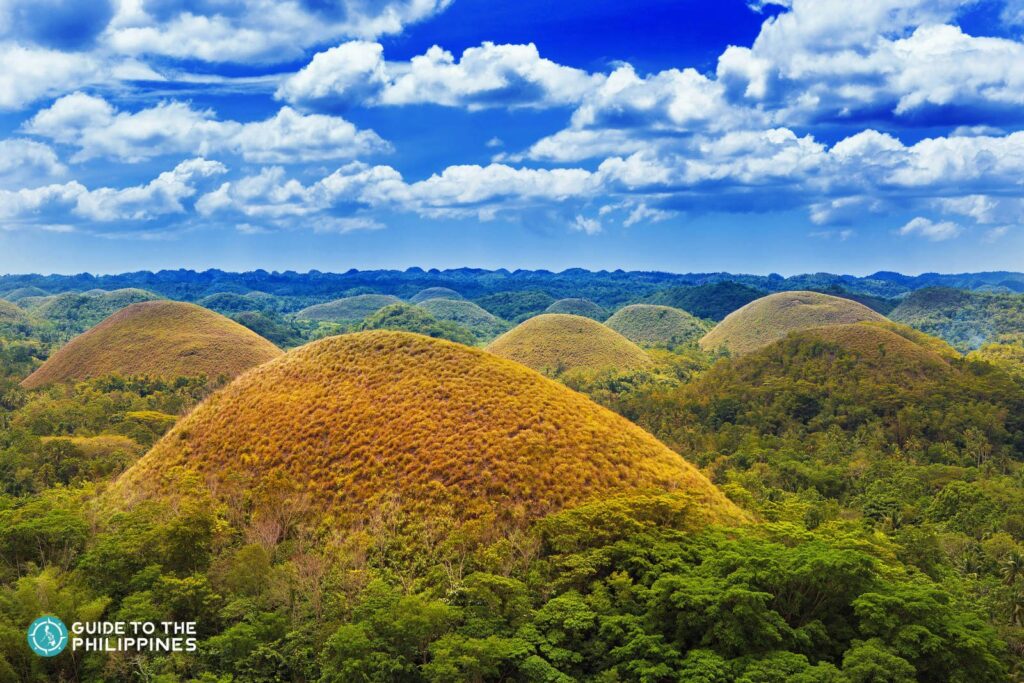
Chocolate Hills: Discover the unique geological formation of the Chocolate Hills located in Bohol, Philippines.
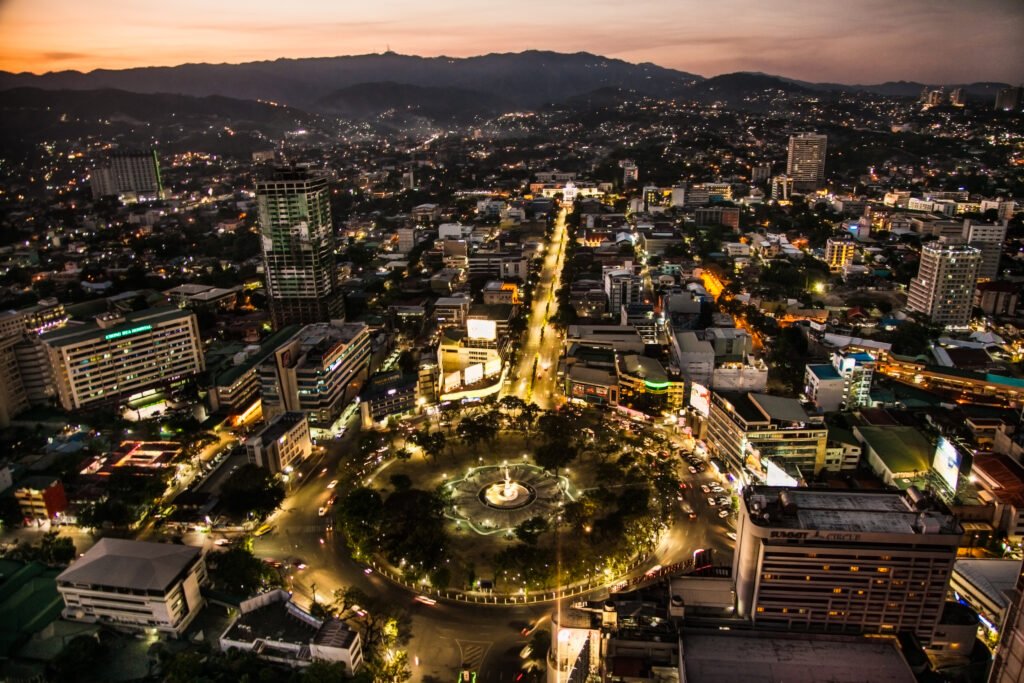
Cebu City: Journey to the bustling city of Cebu and discover its wealth of attractions and activities.
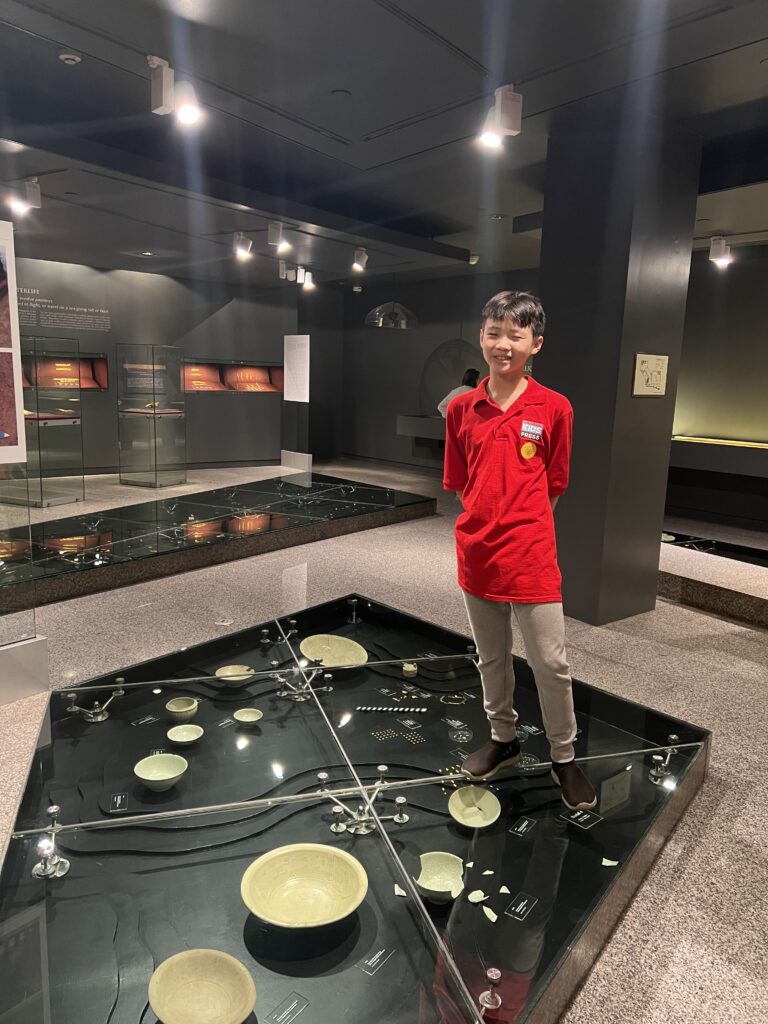
Ayala Museum: Explore the interactive exhibits and galleries at the Ayala Museum, the premier art and cultural center in the Philippines.
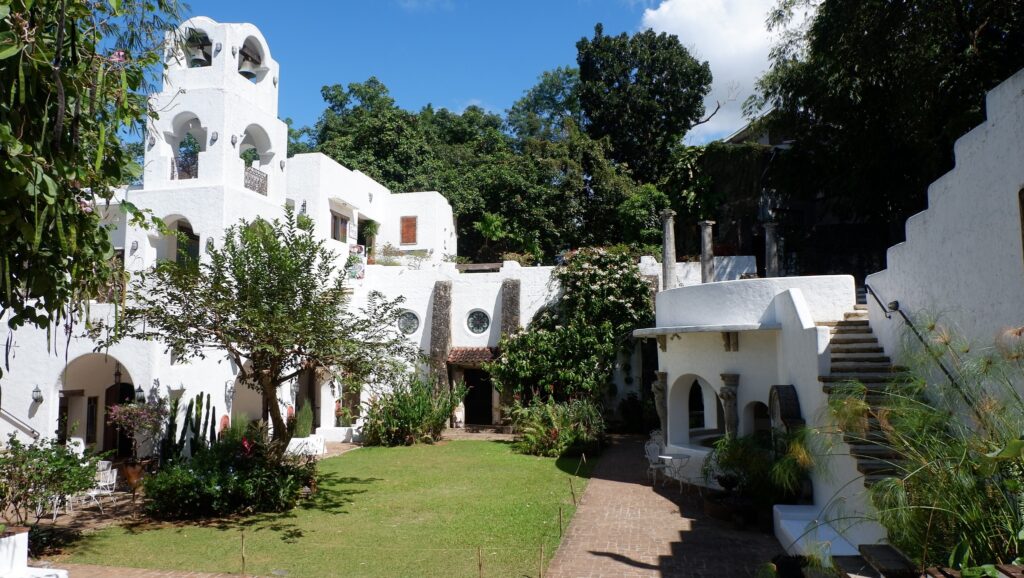
Pinto Art Museum: Experience the vibrant artwork and culture of the Philippines at the renowned Pinto Art Museum.

Vigan: Journey to the UNESCO Heritage city of Vigan in the Ilocos region, and experience its rich cultural heritage.
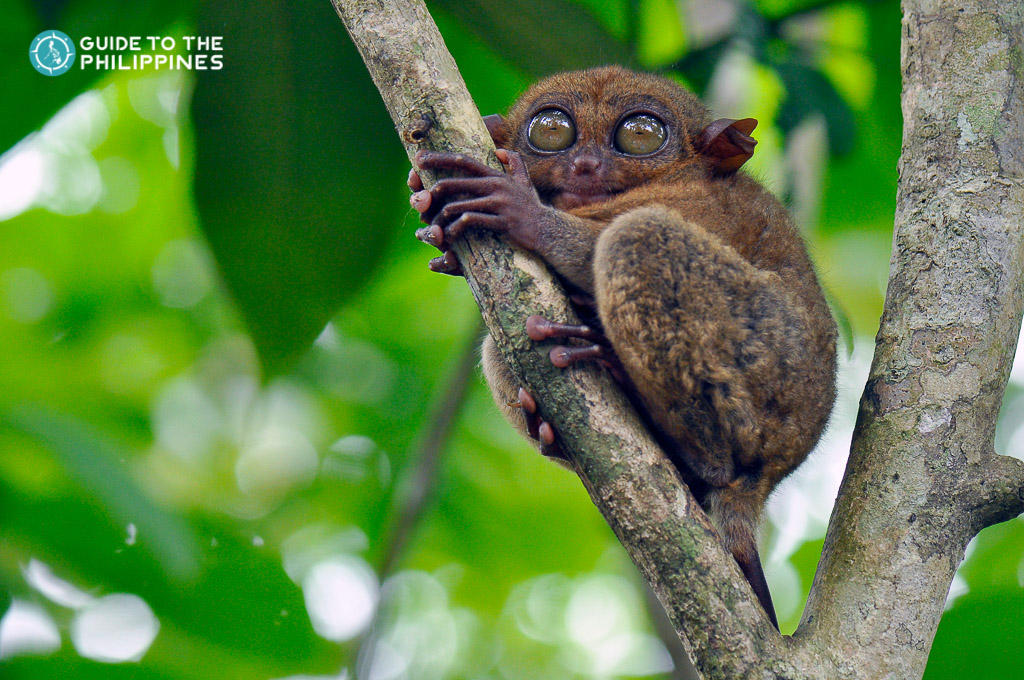
Tarsier Sanctuary: See and learn about the unique tarsiers at this sanctuary, located in Bohol province.
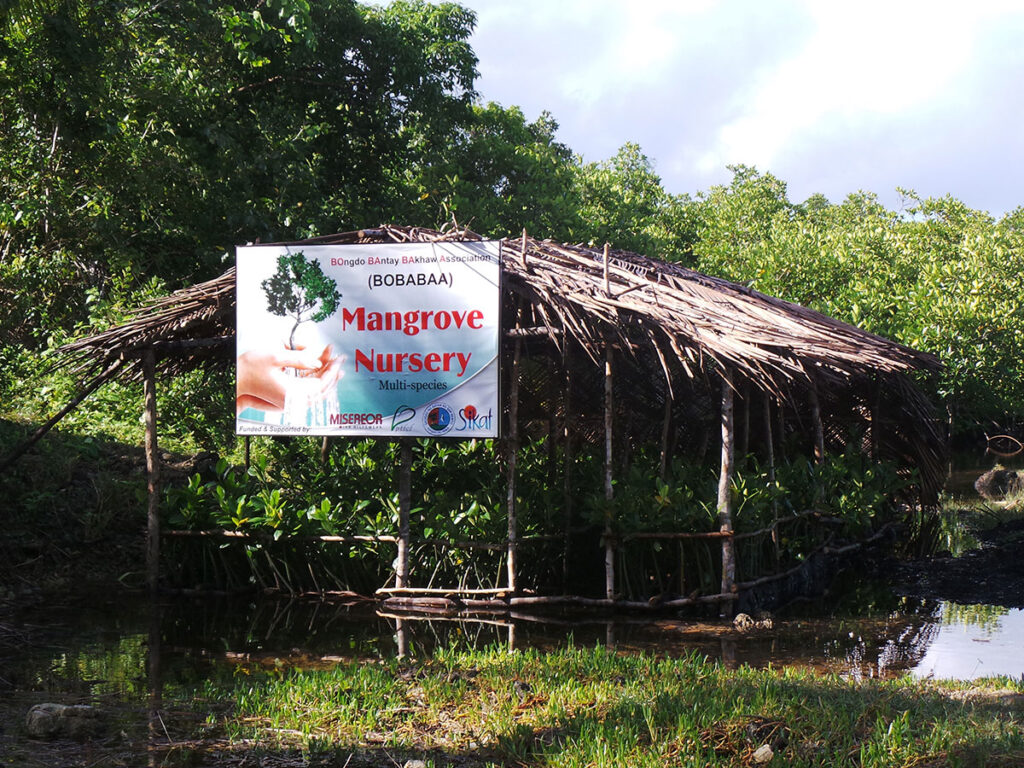
Siargao Mangrove Reserve: Explore the biodiversity of the mangrove forests of Siargao Island in the Philippines, a unique and protected ecosystem.
Siargao Mangrove Reserve Read More »
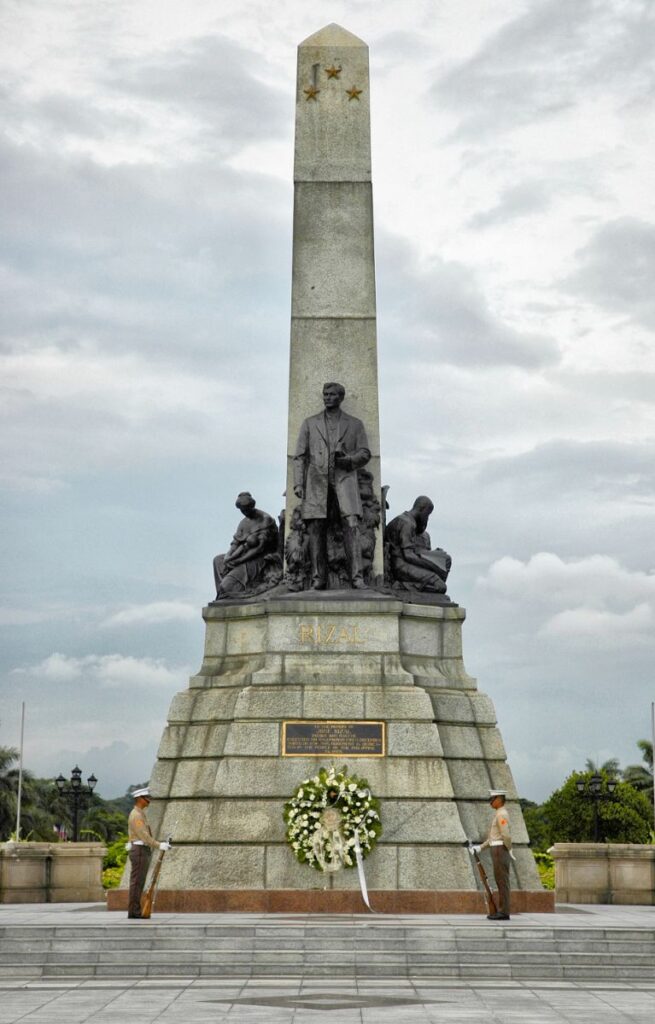
Rizal Park: Relax and take in the beauty of the Rizal Park with its lush gardens and historical monuments.
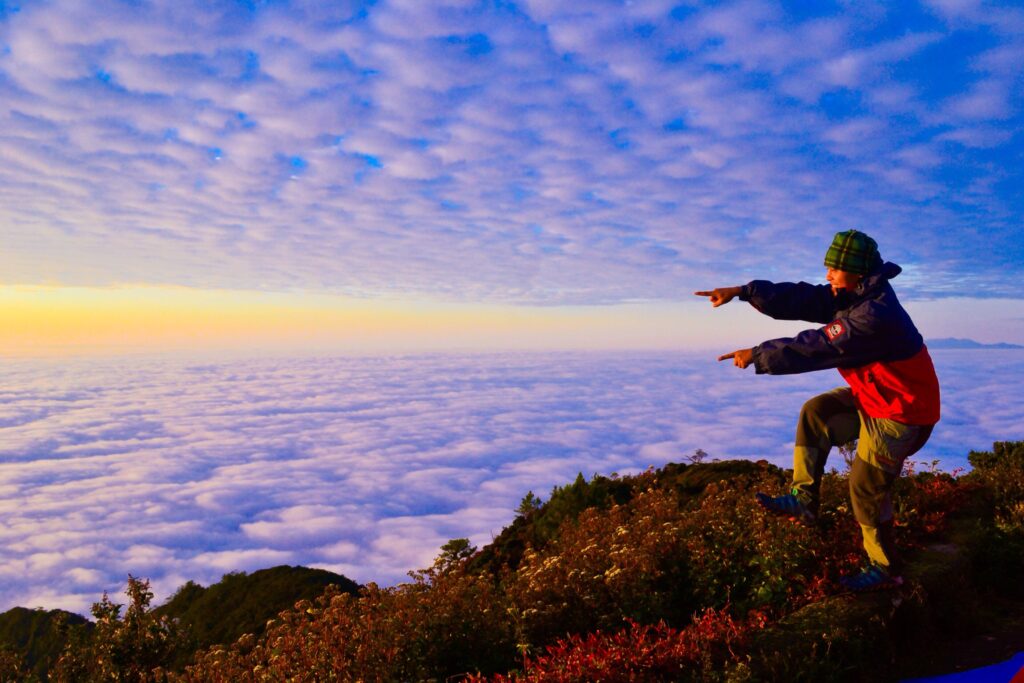
Mt. Amuyao: Climb up the challenging yet rewarding Mt. Amuyao, the highest peak in the Philippine Cordillera Range.