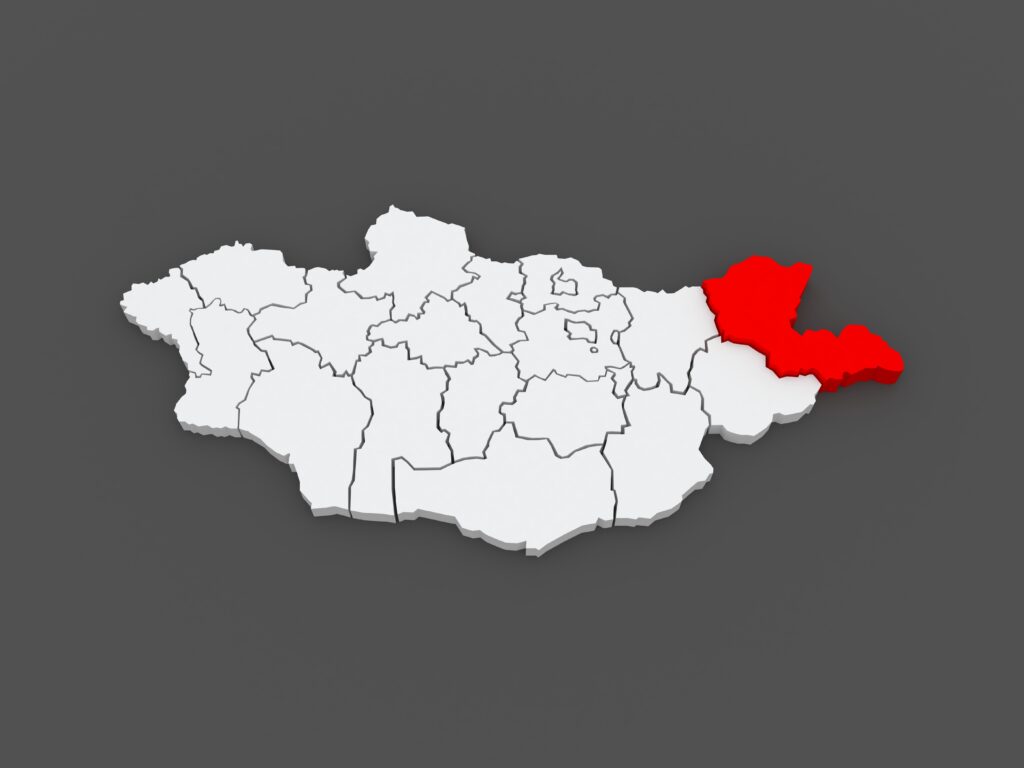
Dornod
Dornod: Discover the many cultural and natural attractions that Dornod has to offer.
Russia, officially the Russian Federation, is the largest country in the world, spanning over 17 million square kilometers and encompassing a diverse range of landscapes, including vast plains, mountain ranges, tundra, and forests. It stretches across Eastern Europe and northern Asia, sharing borders with 14 countries and having coastlines along the Arctic and Pacific Oceans, as well as the Baltic, Black, and Caspian Seas.
The capital city, Moscow, is a major political, economic, and cultural center, while Saint Petersburg, known for its historic architecture and cultural heritage, serves as another significant urban hub. Russia’s population exceeds 140 million people, with ethnic Russians being the majority, and the country is home to numerous ethnic groups and languages.
Russia’s history is rich and complex, marked by the rise and fall of powerful states such as the Kievan Rus’, the Grand Duchy of Moscow, and the Russian Empire. The 20th century saw the establishment of the Soviet Union in 1922, which became a global superpower until its dissolution in 1991. Post-Soviet Russia has transitioned to a federal semi-presidential republic with Vladimir Putin being a prominent figure in its contemporary political landscape.
Economically, Russia is a major global player, particularly in the energy sector. It possesses vast natural resources, including oil, natural gas, coal, and minerals, making it one of the world’s leading energy exporters. Other significant industries include manufacturing, agriculture, and technology.
Culturally, Russia has made substantial contributions to global art, literature, music, and science. It is the birthplace of renowned figures such as Leo Tolstoy, Fyodor Dostoevsky, Pyotr Tchaikovsky, and Dmitri Mendeleev. Russian culture is characterized by its rich traditions in ballet, opera, and classical music, as well as its unique cuisine.
Despite its strengths, Russia faces challenges such as economic inequality, political tensions, and demographic issues. Its international relations are complex, with significant influence in global geopolitics, particularly in regions like Eastern Europe, the Middle East, and Central Asia. Russia continues to navigate these challenges while maintaining its position as a key global actor.
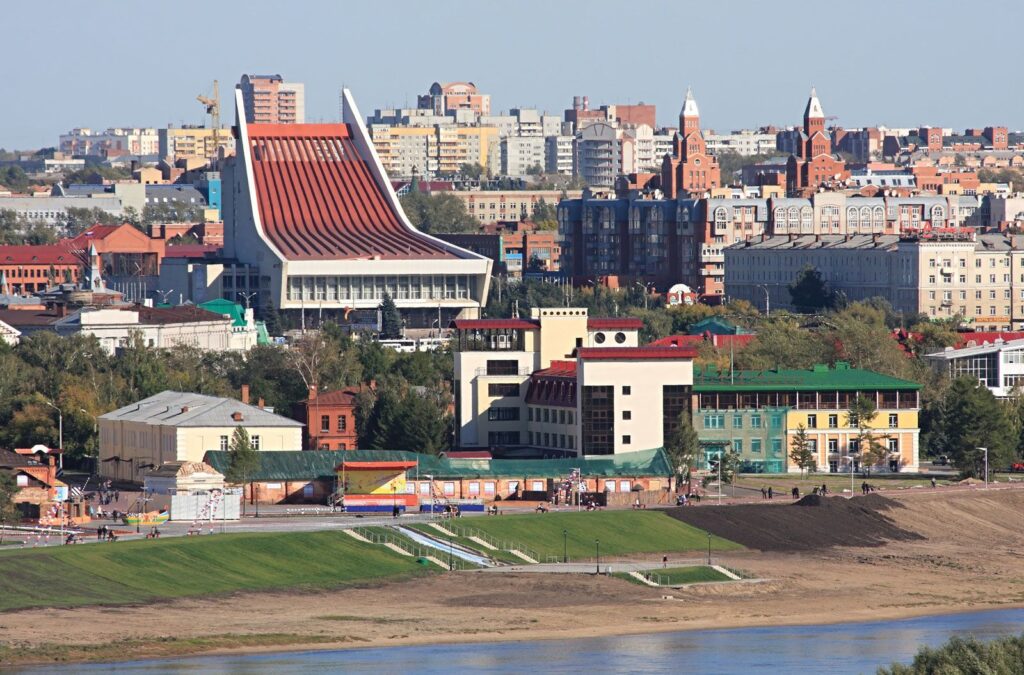
Omsk: Explore Omsk, the capital city of Russia’s Omsk region, and discover a vibrant mix of culture, history, and architecture.
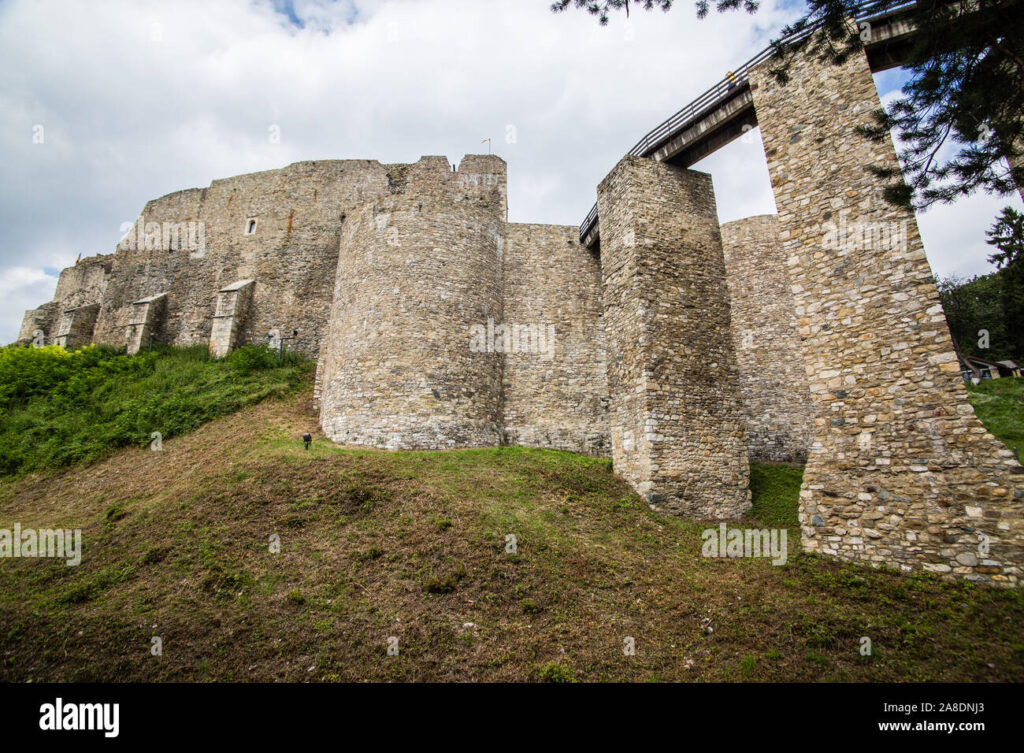
Neamt Fortress: Uncover the history of the Neamt Fortress, one of the most impressive fortresses in Romania.
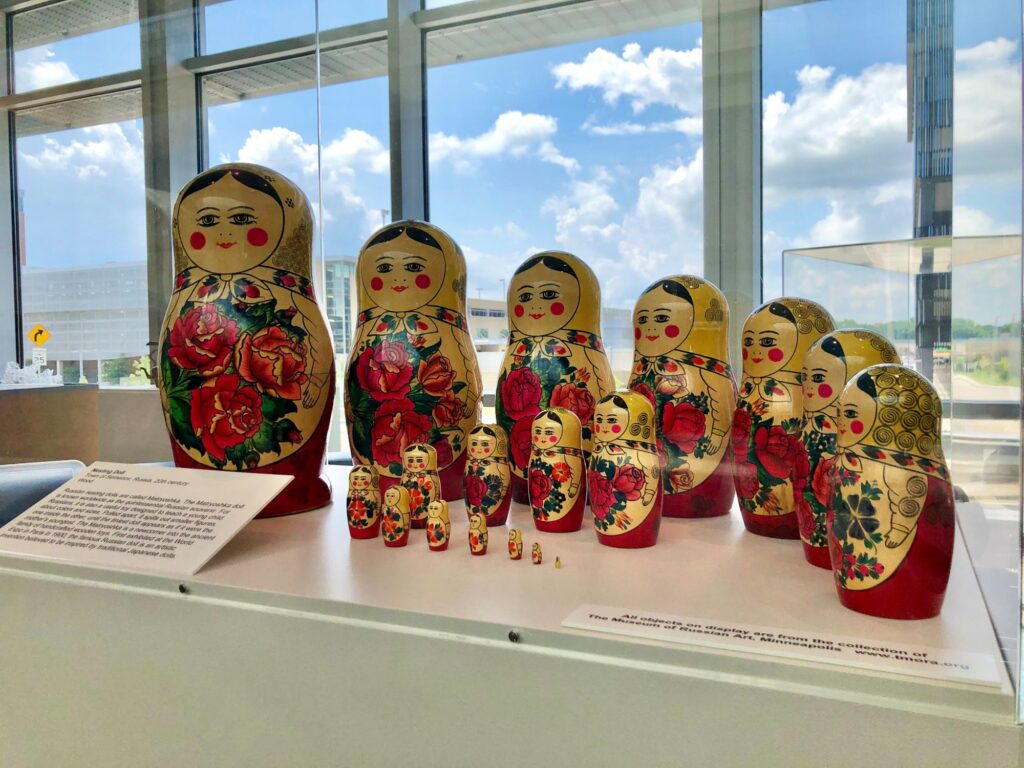
The Matryoshka Museum: Experience the captivating culture of Russia with a visit to The Matryoshka Museum.
The Matryoshka Museum Read More »
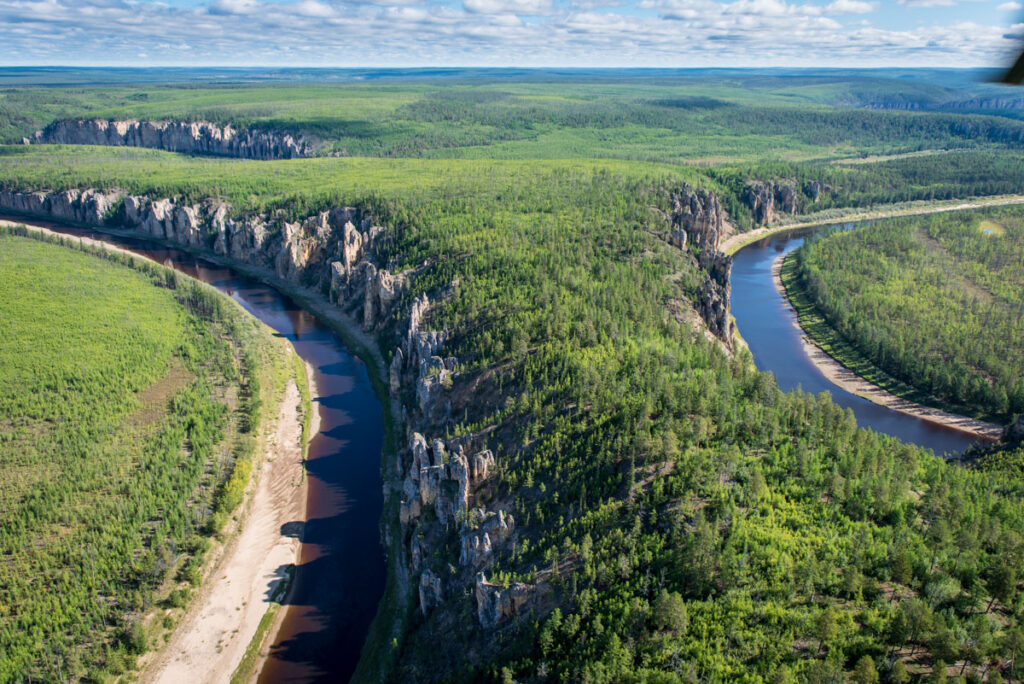
Yakutia: Journey to Yakutia, the worlds largest and coldest region, to discover fascinating indigenous cultures, magnificent landscapes and unique wildlife.
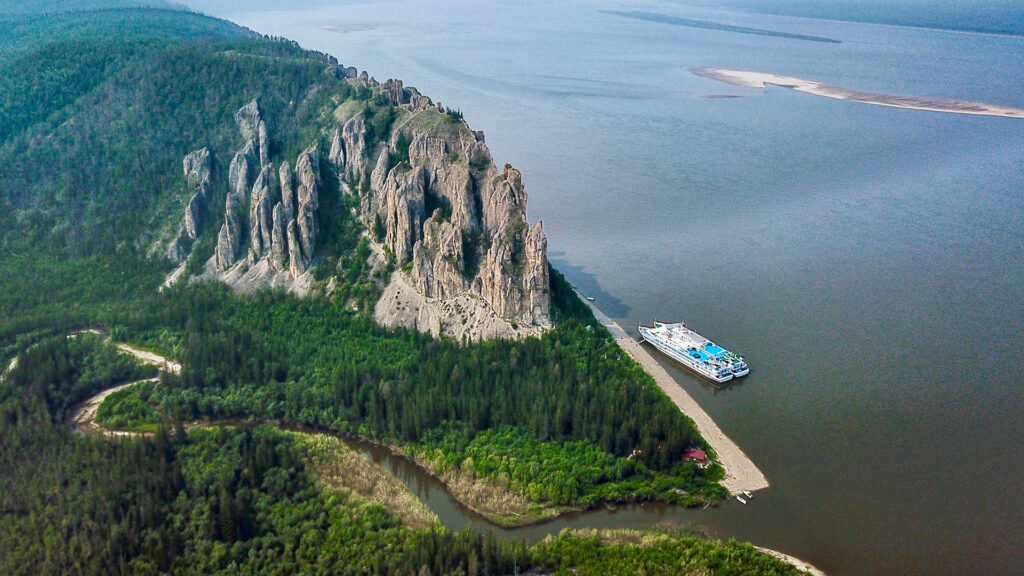
Yakutsk And The Lena Pillars: Discover an unforgettable landscape of towering pillars and the unique culture of Yakutsk.
Yakutsk And The Lena Pillars Read More »
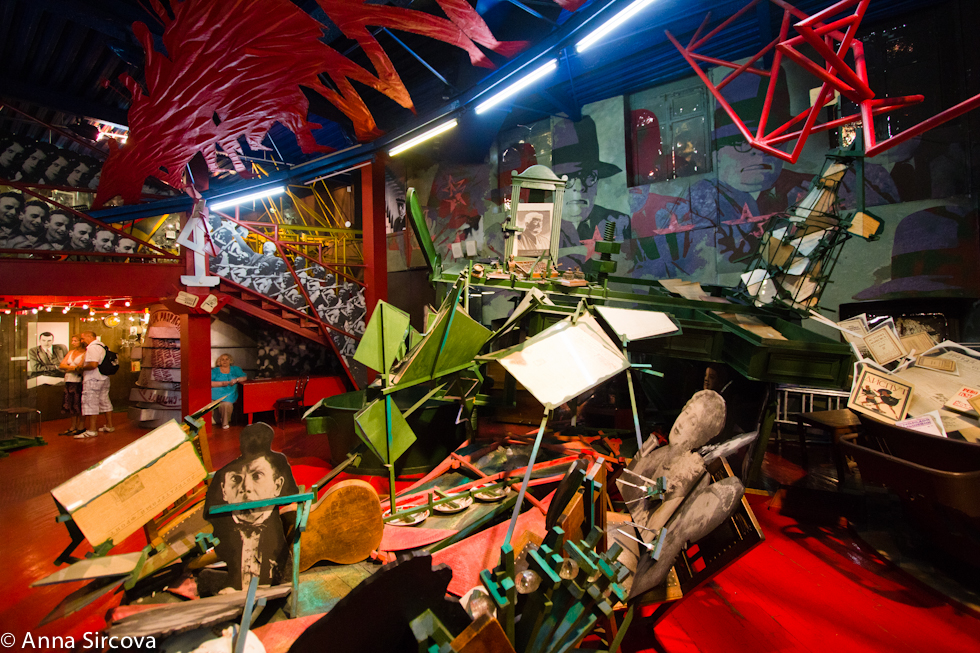
The Mayakovsky Museum: Learn about the influential works of Russian poet Vladimir Mayakovsky at The Mayakovsky Museum.
The Mayakovsky Museum Read More »

The Krasnoyarsk Regional Museum: Journey through the history and cultural heritage of the region, displayed in the numerous galleries of the Krasnoyarsk Regional Museum.
The Krasnoyarsk Regional Museum Read More »
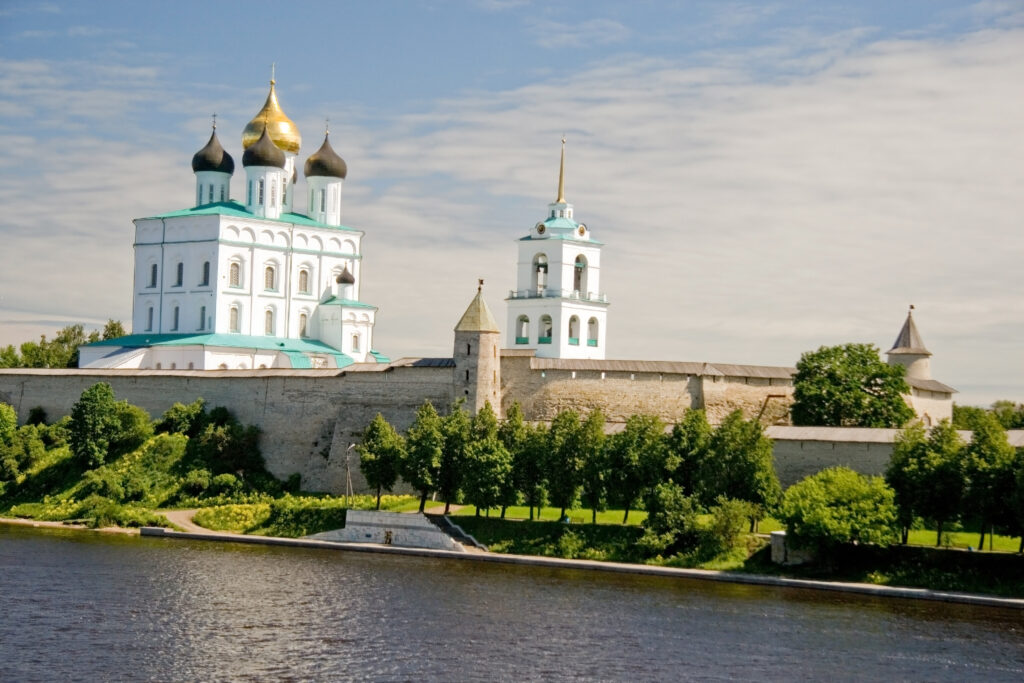
The Kremlin: Uncover the fascinating history and culture of this iconic landmark in Russia, from its beginnings to the present day.