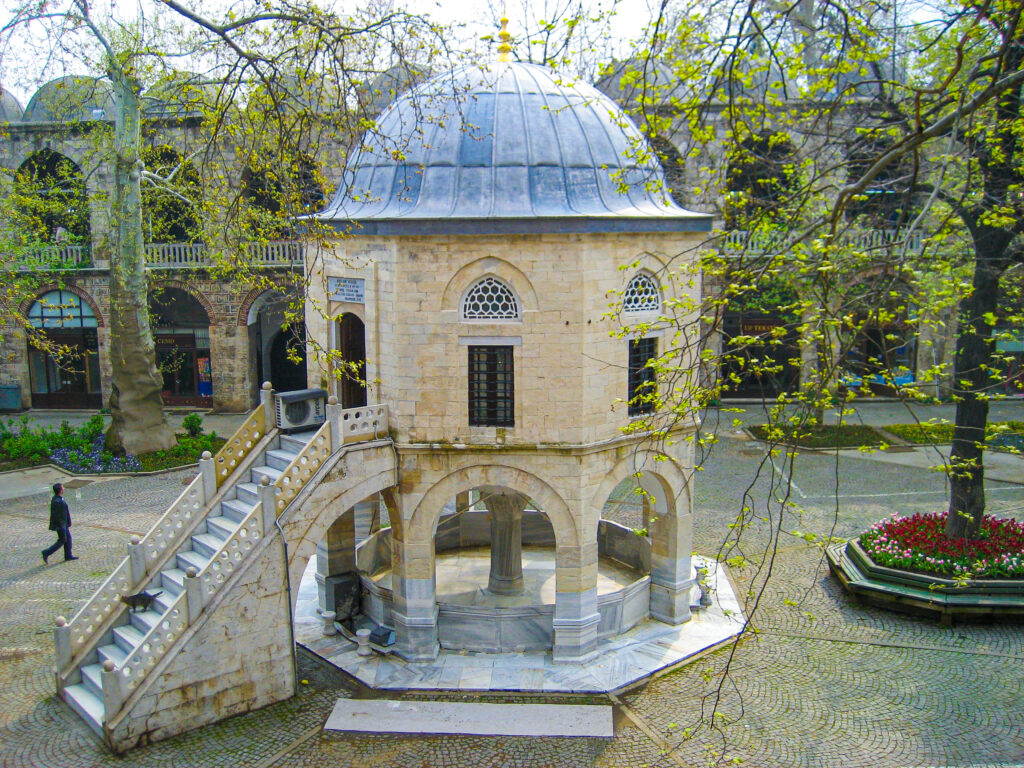
Koza Han
Koza Han: Learn about the history and architecture of this 15th-century Ottoman inn.
Turkey, officially known as the Republic of Turkey, is a transcontinental country located mainly on the Anatolian Peninsula in Western Asia, with a smaller portion on the Balkan Peninsula in Southeastern Europe. It is bordered by eight countries: Greece and Bulgaria to the northwest, Georgia to the northeast, Armenia, Azerbaijan, and Iran to the east, and Iraq and Syria to the south. It also has coastlines along the Aegean Sea to the west, the Black Sea to the north, and the Mediterranean Sea to the south. The capital city is Ankara, while Istanbul is the largest city and the economic and cultural hub.
Geographically, Turkey features a diverse landscape that includes mountains, plateaus, valleys, and extensive coastal plains. The country is known for its rich natural beauty, with significant mountain ranges such as the Taurus and Pontic Mountains, as well as the central Anatolian plateau. Turkey is also home to numerous rivers and lakes, including the Tigris and Euphrates rivers, and Lake Van, the largest lake in the country. The climate varies from Mediterranean along the coastlines to continental in the interior regions.
Historically, Turkey has a rich and complex heritage that spans several millennia. It was home to some of the world’s earliest civilizations, including the Hittites, Urartians, and Phrygians. The region later became part of the Persian Empire, followed by the conquests of Alexander the Great. During the Roman and Byzantine periods, the city of Byzantium (later Constantinople and now Istanbul) was a major cultural and political center. The Seljuk Turks established control in the 11th century, followed by the rise of the Ottoman Empire in the 14th century. The Ottoman Empire became one of the most powerful states in the world, lasting until the early 20th century. Following the collapse of the Ottoman Empire after World War I, the modern Republic of Turkey was founded in 1923 by Mustafa Kemal Atatürk, who implemented significant political, social, and economic reforms to modernize the country.
Economically, Turkey has a mixed economy with a strong industrial and agricultural base. The country is a major producer of textiles, automotive products, electronics, and machinery. It is also a significant exporter of agricultural products, including fruits, vegetables, and tobacco. Turkey has substantial natural resources, including coal, iron ore, and gold. The service sector, particularly tourism, plays a crucial role in the economy, attracting millions of visitors each year to its historical sites, beaches, and cultural festivals. Istanbul, with its historical landmarks like the Hagia Sophia, Topkapi Palace, and the Blue Mosque, is a major tourist destination.
Culturally, Turkey is a melting pot of various influences, reflecting its position at the crossroads of Europe and Asia. The country has a rich heritage of music, dance, literature, and art, blending elements from its diverse history. Turkish cuisine is renowned for its variety and flavors, with dishes such as kebabs, mezes, baklava, and Turkish tea being popular both domestically and internationally. The country’s cultural festivals, such as the Whirling Dervishes ceremonies and the Istanbul International Film Festival, highlight its vibrant cultural scene.
Turkey is a secular state with a predominantly Muslim population, although there are also significant Christian and Jewish communities. The official language is Turkish, and the country has a strong emphasis on education and healthcare, with ongoing efforts to improve these sectors.
Politically, Turkey is a democratic republic with a presidential system. The President is the head of state and government, and the country has a multi-party system. Turkey is a member of various international organizations, including the United Nations, NATO, and the G20, and it has been a candidate for European Union membership.
Turkey faces several challenges, including political polarization, regional conflicts, and economic volatility. The country has been involved in various geopolitical issues, particularly in relation to the Syrian civil war and tensions with neighboring countries.
Despite these challenges, Turkey’s strategic location, rich cultural heritage, and dynamic economy make it a significant player on the global stage. The country’s ongoing efforts to balance modernization with the preservation of its cultural identity continue to shape its future.
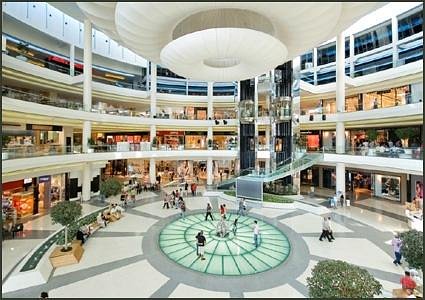
Korupark Shopping Center: Find the best deals at the luxurious Korupark Shopping Center, offering a wide range of goods.
Korupark Shopping Center Read More »
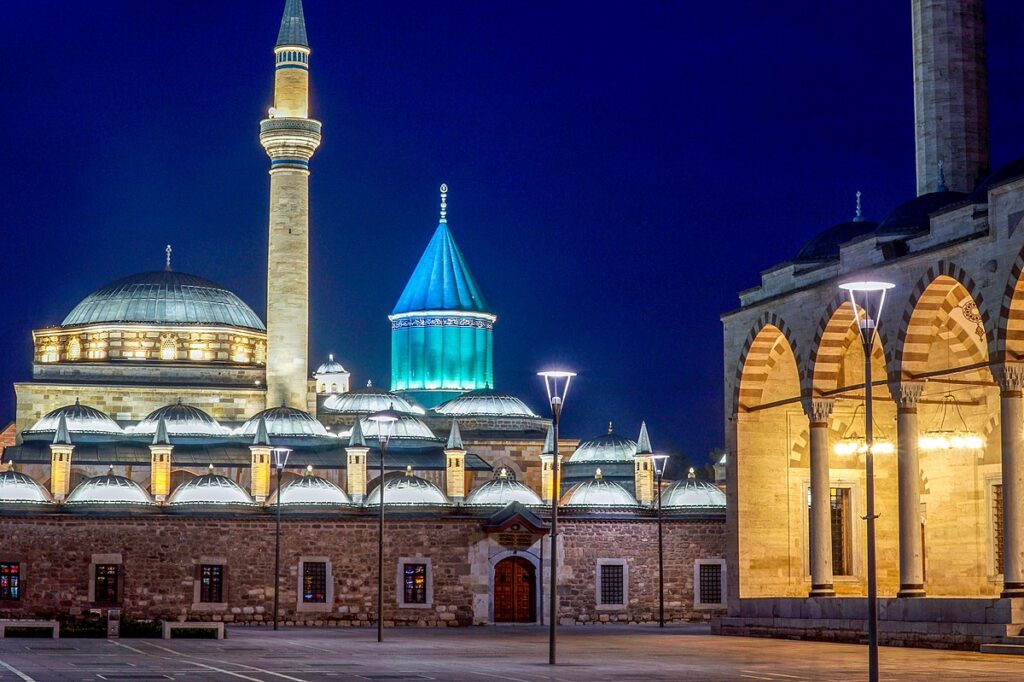
Konya Mevlana Museum: Step into the world of religion and mysticism with a visit to the Konya Mevlana Museum.
Konya Mevlana Museum Read More »
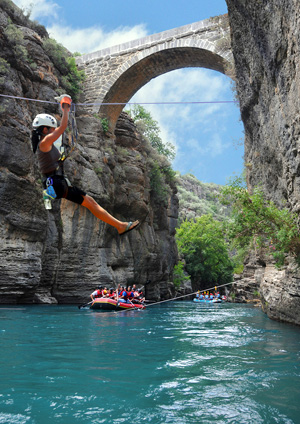
Koprulu Canyon: Admire the spectacular canyon of Koprulu, part of the Southeastern Anatolia Region of Turkey – an area of unprecedented beauty and biodiversity.
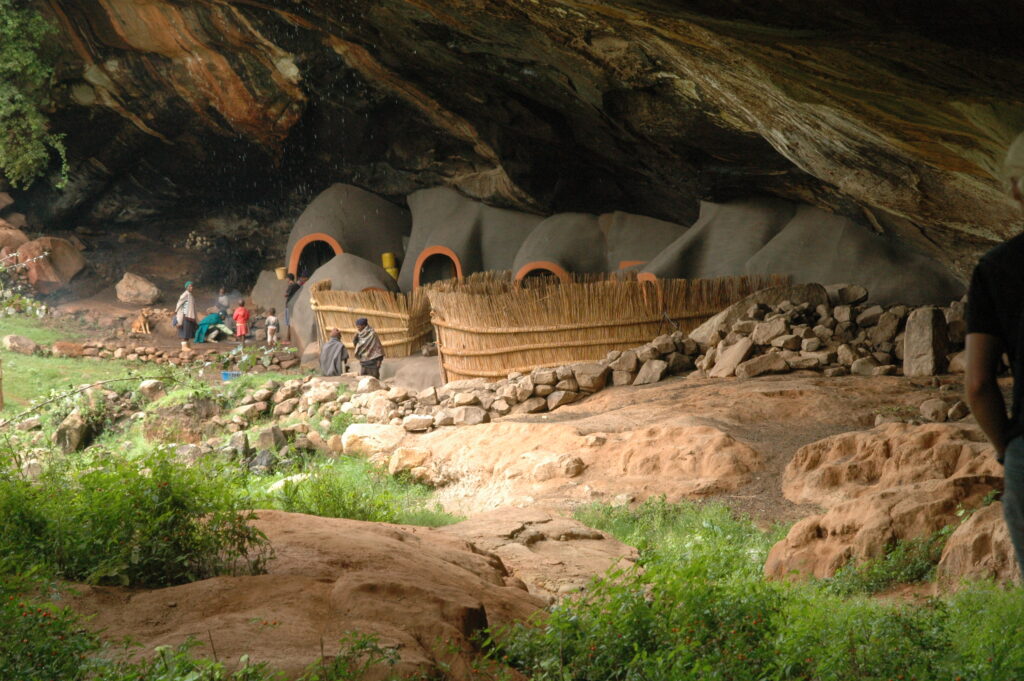
Kome Cave Dwellings: Walk through the ancient Nabatean villages of Jordan, still preserved from thousands of years ago.
Kome Cave Dwellings Read More »
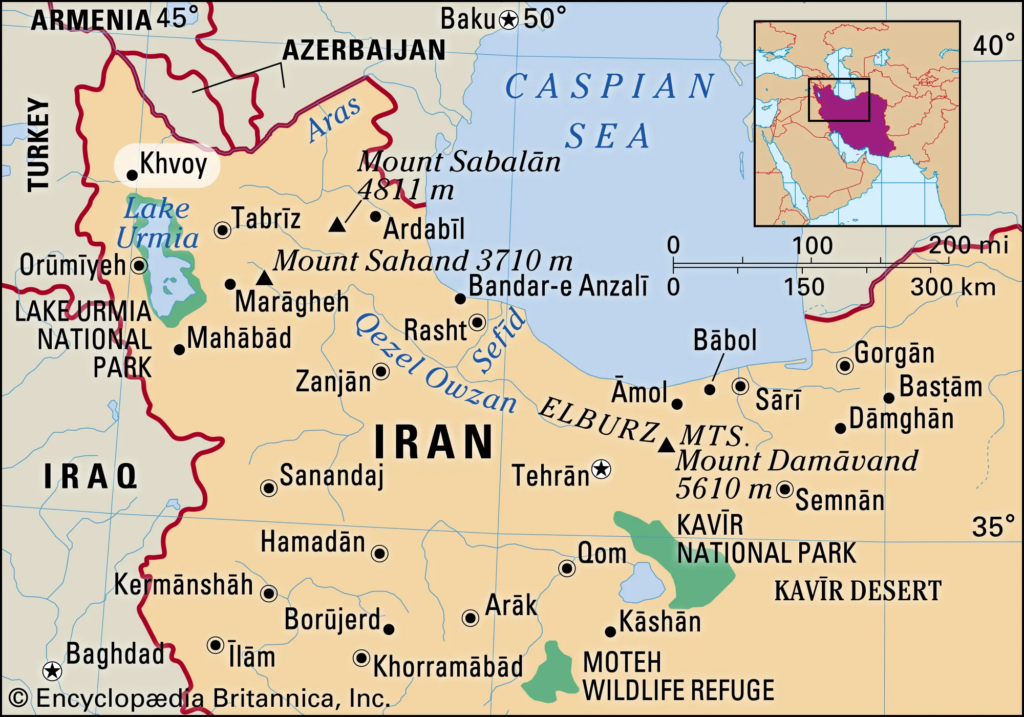
Khoy: Discover the Iranian city of Khoy, located near the borders of Azerbaijan and Turkey, and its long and fascinating history.

Kekova: Dive into the secrets of Kekova, an unforgettable network of islands, bays, and sunken ruins.
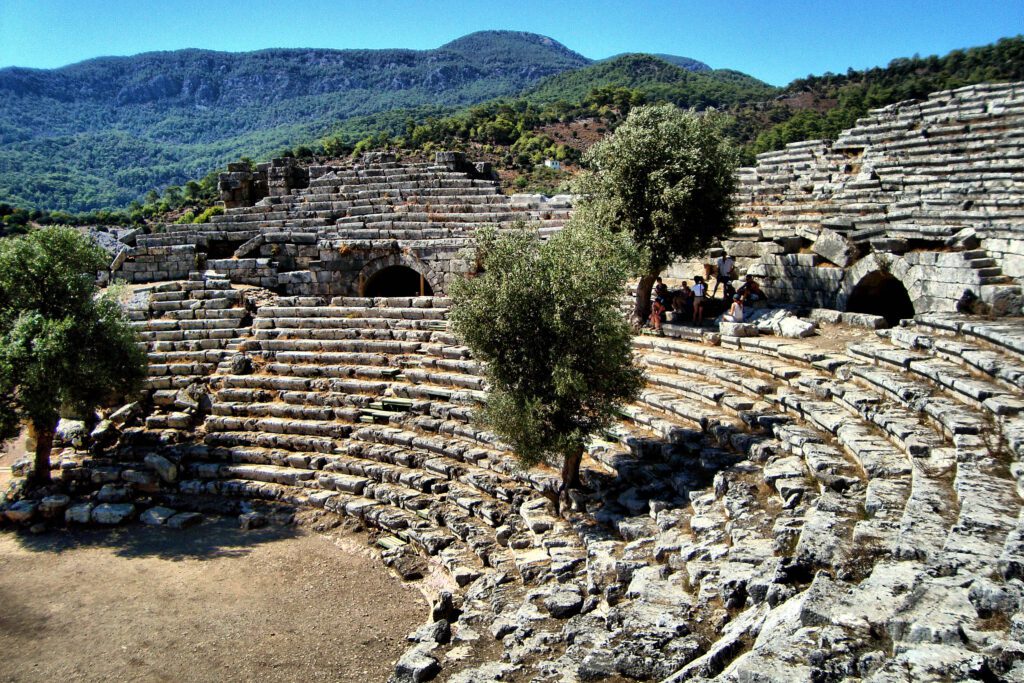
Kaunos: Journey through Kaunos, an ancient Lycian city located in Turkey near the Mediterranean Sea.
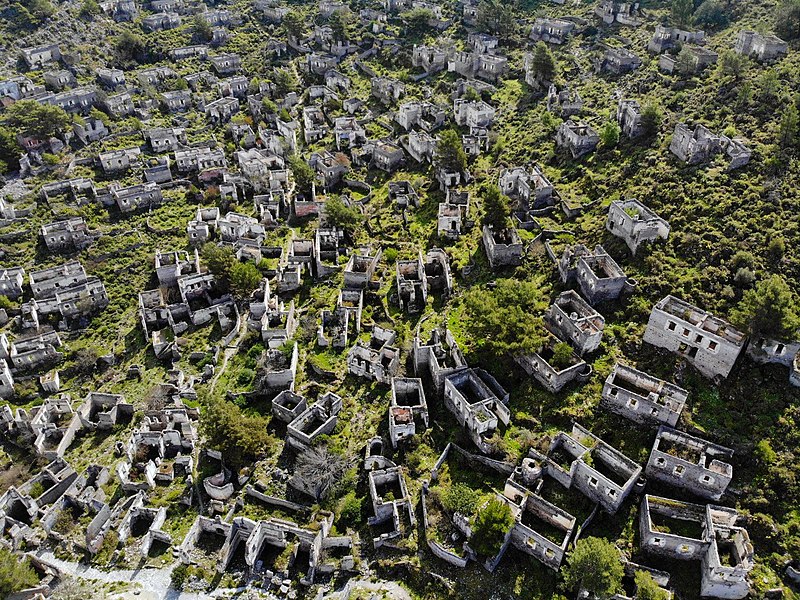
Kayakoy Ghost Town: Uncover the remarkable history and culture of the once-thriving Kayakoy Ghost Town in Turkey.
Kayakoy Ghost Town Read More »