
Colca Canyon: A Guide to Exploring the World’s Deepest Canyon
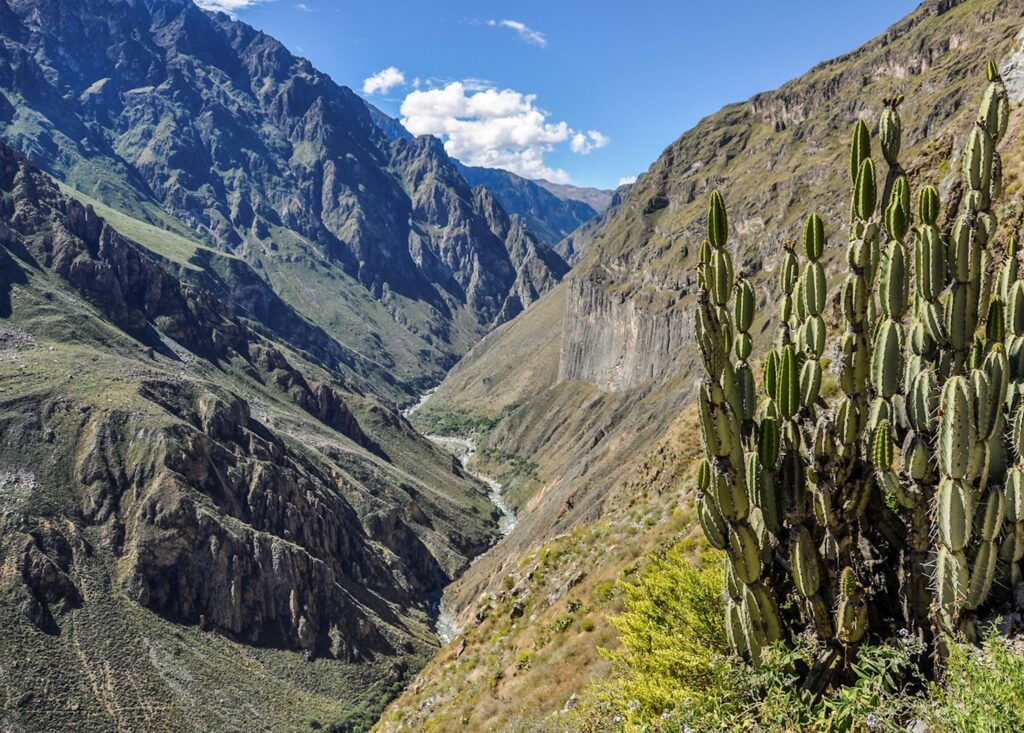
Colca Canyon is one of the most breathtaking natural wonders of the world. Located in Peru’s southern Andes Mountains, it is the second deepest canyon in the world. Its sheer size and depth make Colca Canyon an awe-inspiring sight to behold. With its rugged terrain, lush vegetation, and fascinating wildlife, it is no wonder why Colca Canyon has become a popular destination for hikers and outdoor enthusiasts alike.
In this guide, we will explore the various aspects of Colca Canyon, from its history and geography to its unique wildlife and cultural attractions. We will also discuss the best ways to explore the canyon and provide helpful tips for travelers planning a trip to this stunning natural wonder.
A Brief History of Colca Canyon
Colca Canyon is believed to have been formed by the erosive action of the Colca River over millions of years. The local people of the area have long revered the canyon for its spiritual significance. It is believed to be the birthplace of the Inca god, Viracocha.
The canyon first gained international attention in the late 1800s when the French geographer, Antonio Raimondi, published a book about his explorations of the canyon. This book highlighted the unique flora and fauna of the canyon and helped to make it a popular destination for travelers.
Geography of the Canyon
Colca Canyon is located in the southern Peruvian Andes, about 160 miles (257 kilometers) northwest of Arequipa. It is one of the deepest canyons in the world, measuring up to 10,725 feet (3,269 meters) in depth. The canyon is also incredibly vast, stretching for more than 60 miles (100 kilometers) in length.
The canyon is surrounded by a number of mountains, including the Coropuna, Ampato, and Mismi peaks. There are also several smaller tributaries of the Colca River that run through the canyon.
Wildlife of Colca Canyon
Colca Canyon is home to a wide variety of unique wildlife species. The canyon is particularly well-known for its numerous species of birds, including the Andean condor, the giant hummingbird, and the giant hummingbird, among others.
The canyon is also home to a number of mammals, including the vicuña, the Andean fox, and the spectacled bear. Additionally, the canyon is home to a number of reptiles and amphibians, such as the Andean toad and the South American rattlesnake.
Cultural Attractions in Colca Canyon
Colca Canyon is a popular destination for travelers interested in learning more about Peru’s rich cultural history. There are a number of interesting archaeological sites located throughout the canyon, including the Inca ruins of Chivay and the pre-Inca terraces of Sibayo.
The canyon is also home to a number of small villages and traditional towns, such as Yanque and Chivay. These towns offer visitors a glimpse into the traditional lifestyles of the people living in the area. Additionally, there are a number of cultural festivals held in the canyon throughout the year, such as the Fiesta del Señor de los Milagros and the Fiesta de San Juan.
Exploring Colca Canyon
Colca Canyon is a popular destination for hikers and outdoor enthusiasts. The canyon offers numerous trails and routes for visitors to explore, ranging from easy day hikes to multi-day treks.
The most popular route is the Colca Canyon Trek, which typically takes 2 to 3 days to complete. This trek takes hikers through some of the most stunning scenery in the canyon, including lush valleys, towering cliffs, and picturesque villages. Along the way, hikers will have the opportunity to spot wildlife, visit archaeological sites, and interact with local communities.