
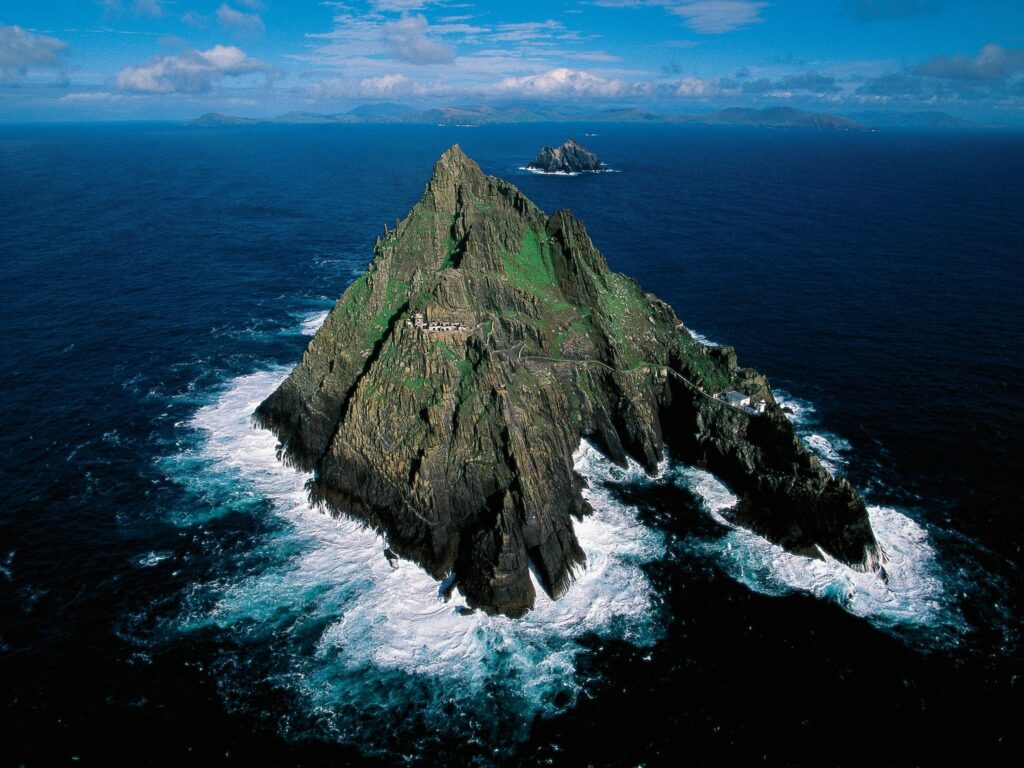
Skellig Michael
Skellig Michael: Climb the ancient steps of Skellig Michael and discover the site’s unique archaeological and historical importance.
Ireland, officially known as the Republic of Ireland, is a country located on the island of Ireland in Western Europe. It shares the island with Northern Ireland, which is part of the United Kingdom. The country is bordered by the Atlantic Ocean to the west, the Irish Sea to the east, the Celtic Sea to the south, and Northern Ireland to the north. The capital and largest city is Dublin.
Ireland has a rich history that dates back thousands of years. The island was inhabited by Celtic tribes long before the arrival of Christianity in the 5th century AD, brought by St. Patrick, who is now the patron saint of Ireland. The medieval period saw the establishment of various Gaelic kingdoms, and later, the Norman invasion in the 12th century brought Ireland under English rule. Centuries of English and then British rule led to significant social and political changes, culminating in the struggle for independence in the early 20th century. The Anglo-Irish Treaty of 1921 led to the creation of the Irish Free State, which became the Republic of Ireland in 1949.
Ireland is known for its stunning natural landscapes, which include rolling green hills, rugged coastlines, and numerous lakes and rivers. Notable natural attractions include the Cliffs of Moher, the Ring of Kerry, the Giant’s Causeway (in Northern Ireland), and the scenic Wild Atlantic Way. The country’s temperate maritime climate contributes to its lush vegetation, earning it the nickname “The Emerald Isle.”
Culturally, Ireland has made significant contributions to literature, music, and the arts. The country has produced many renowned writers and poets, such as James Joyce, W.B. Yeats, Samuel Beckett, and Seamus Heaney. Irish music and dance, including traditional folk music and the global phenomenon of Riverdance, play a vital role in the national identity. Ireland also celebrates numerous festivals, such as St. Patrick’s Day, which is recognized worldwide.
Irish cuisine is characterized by hearty and traditional dishes, often featuring potatoes, meat, and seafood. Popular dishes include Irish stew, boxty (potato pancakes), and soda bread. The country is also famous for its beverages, particularly Guinness stout and Irish whiskey.
Economically, Ireland has transformed from a predominantly agricultural society to a modern, knowledge-based economy. It is known for its strong technology and pharmaceutical sectors, attracting many multinational companies due to its favorable corporate tax rates and skilled workforce. Dublin, as the capital, is a major hub for business, finance, and technology.
Ireland’s education system is highly regarded, with numerous universities and institutes of technology. The country also has a robust healthcare system, providing comprehensive services to its citizens.
The Republic of Ireland is a parliamentary democracy, with a president serving as the head of state and a prime minister (Taoiseach) as the head of government. Ireland is a member of the European Union, which has played a significant role in its economic development and modernization.
Overall, Ireland is a country rich in history, culture, and natural beauty. Its vibrant traditions, literary heritage, and scenic landscapes make it a unique and appealing destination, while its modern economy and progressive society position it as an important player on the global stage.
Skellig Michael: Climb the ancient steps of Skellig Michael and discover the site’s unique archaeological and historical importance.

Northern Ireland: Get to know the history, culture and attractions of Northern Ireland with this comprehensive guide.
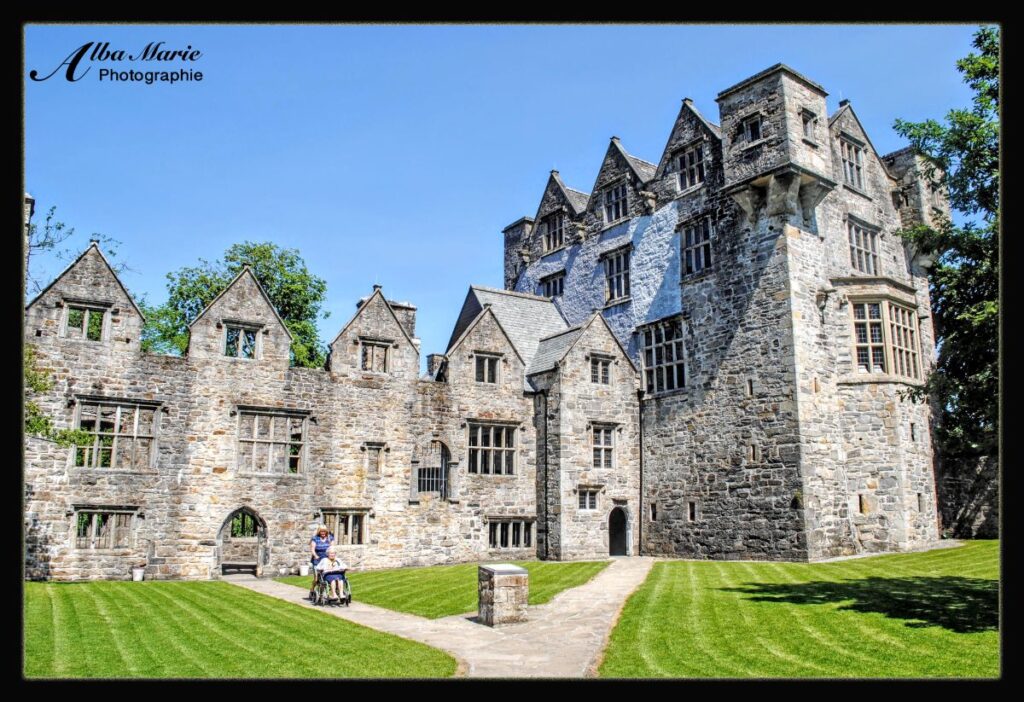
Donegal Castle: Explore the historical 13th-century stronghold and learn about its past and the region’s unique culture.
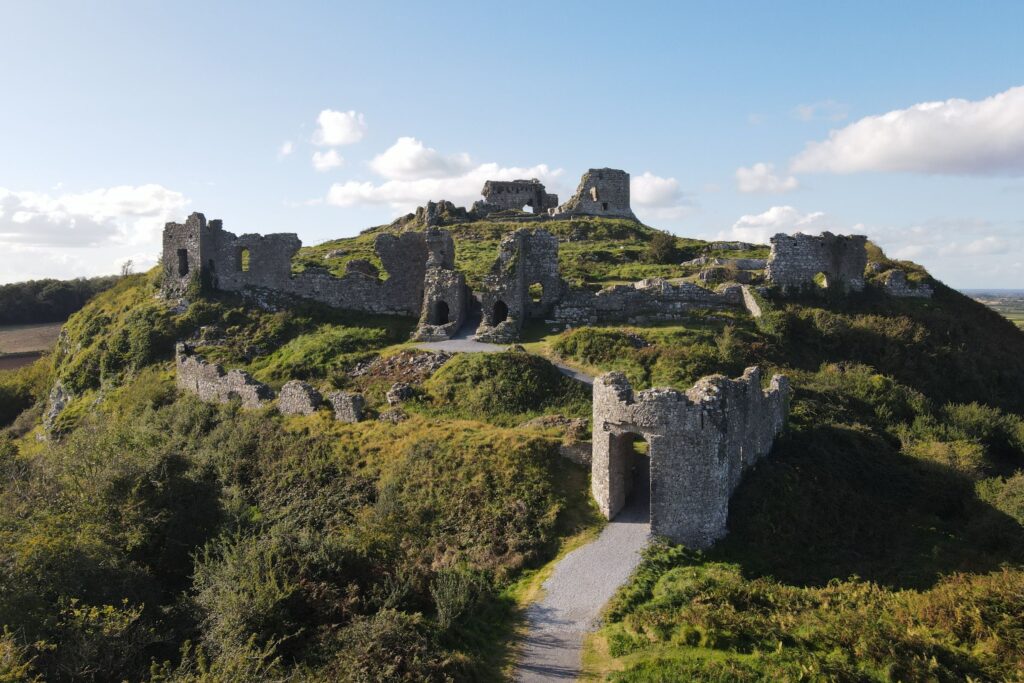
The Rock of Dunamase: Journey to the awe-inspiring Rock of Dunamase, the former stronghold of the Kings of Leinster in Ireland.
The Rock Of Dunamase Read More »
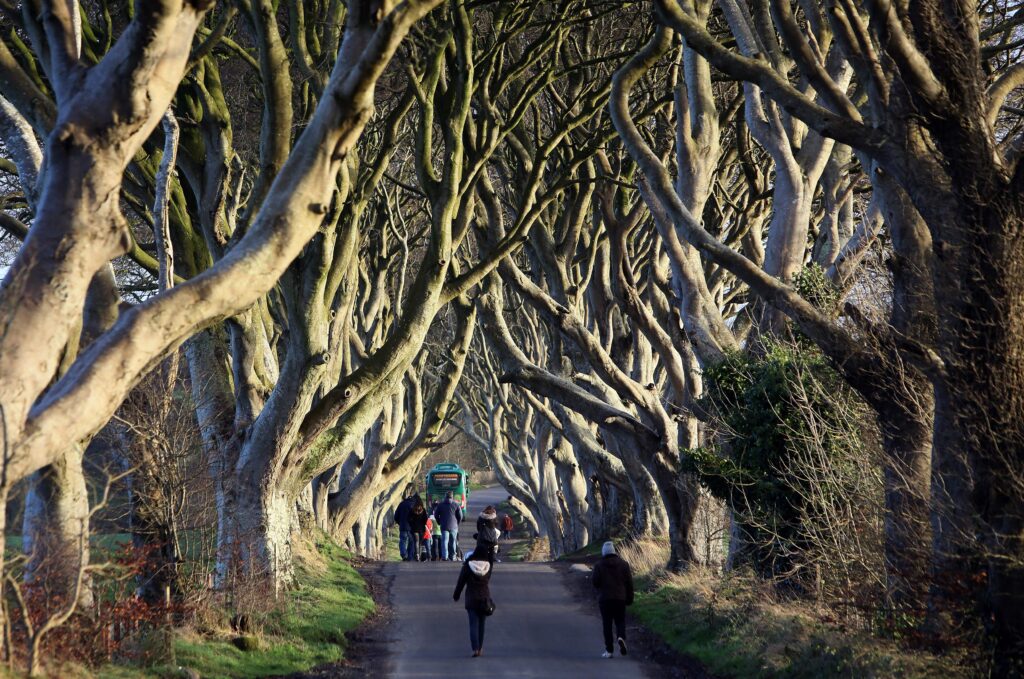
The Dark Hedges: Experience the haunting grandeur of one of Northern Ireland’s best-known landmarks, with its impressive avenue of beech trees.
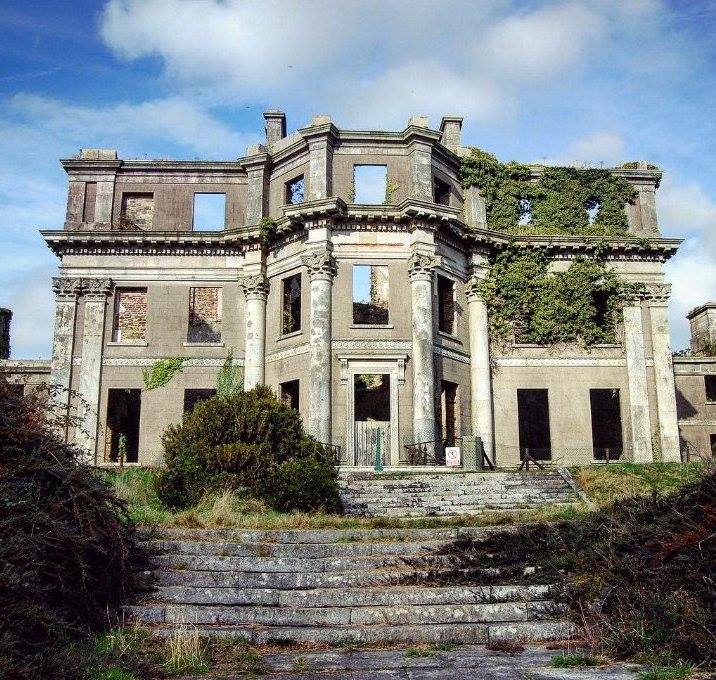
Castleboro House: Explore the unique history and architecture of Castleboro House, a landmark building in its namesake English town.
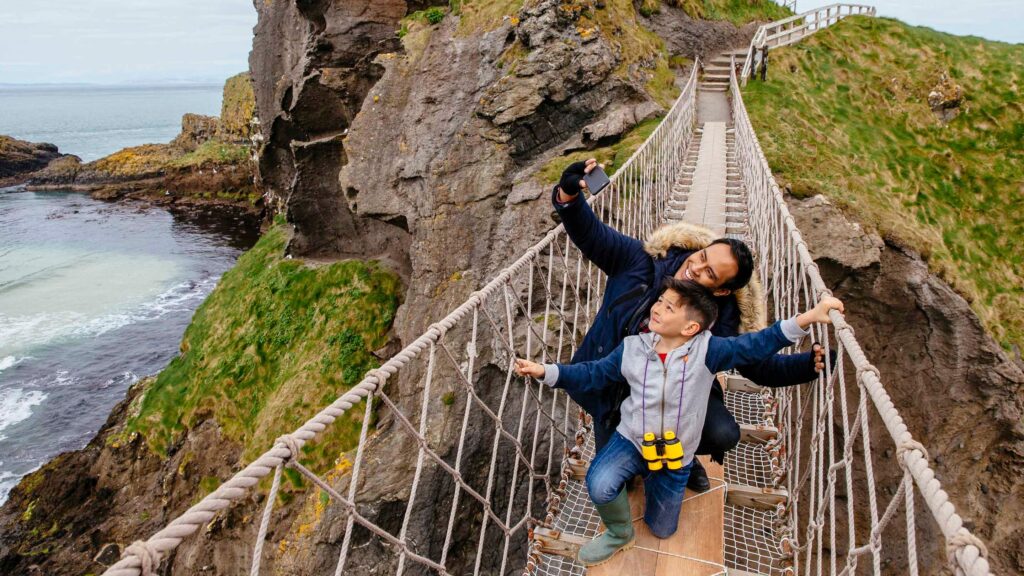
Carrick-A-Rede Rope Bridge: Take a thrilling walk across the Carrick-A-Rede Rope Bridge, a stunning natural landmark in Northern Ireland.
Carrick-A-Rede Rope Bridge Read More »
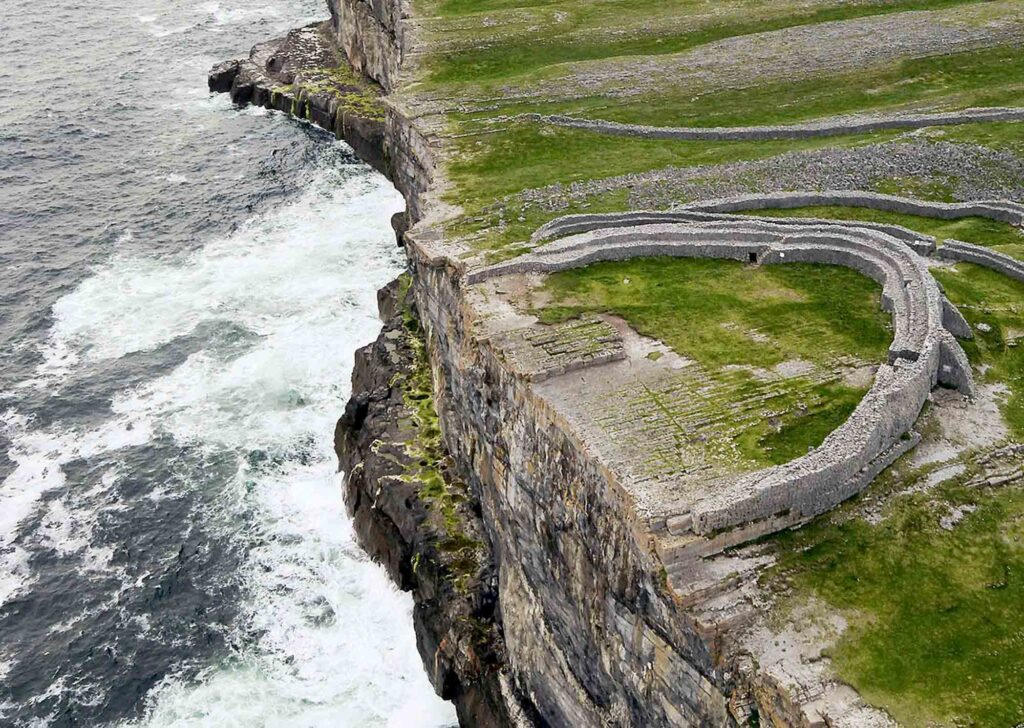
Dun Aonghasa: Witness the remarkable Iron Age fortification at Dun Aonghasa, one of the most iconic landmarks of the Aran Islands, Ireland.
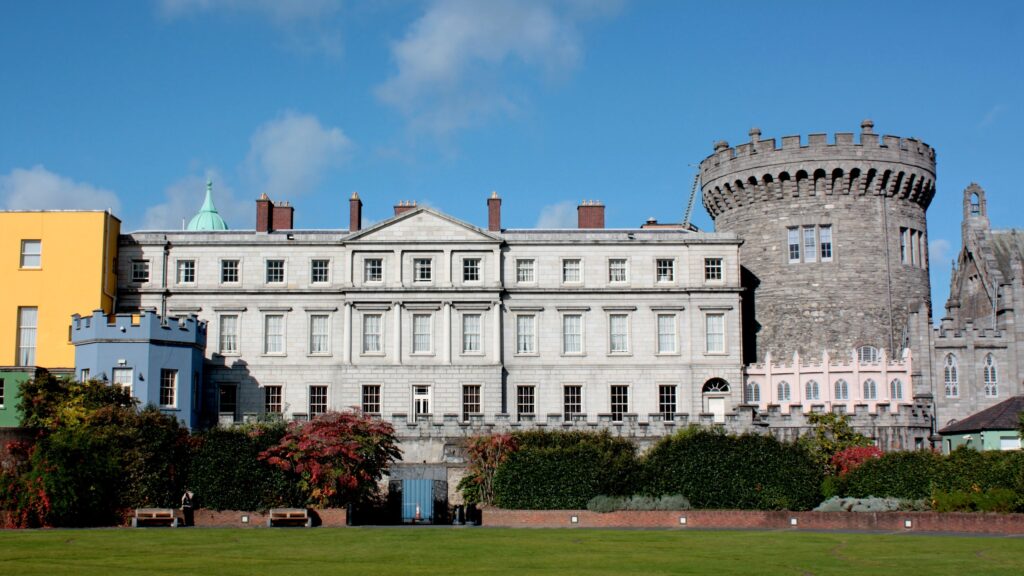
Dublin Castle: Visit the iconic Dublin Castle, set in the heart of modern-day Dublin City and steeped in over 800 years of history.
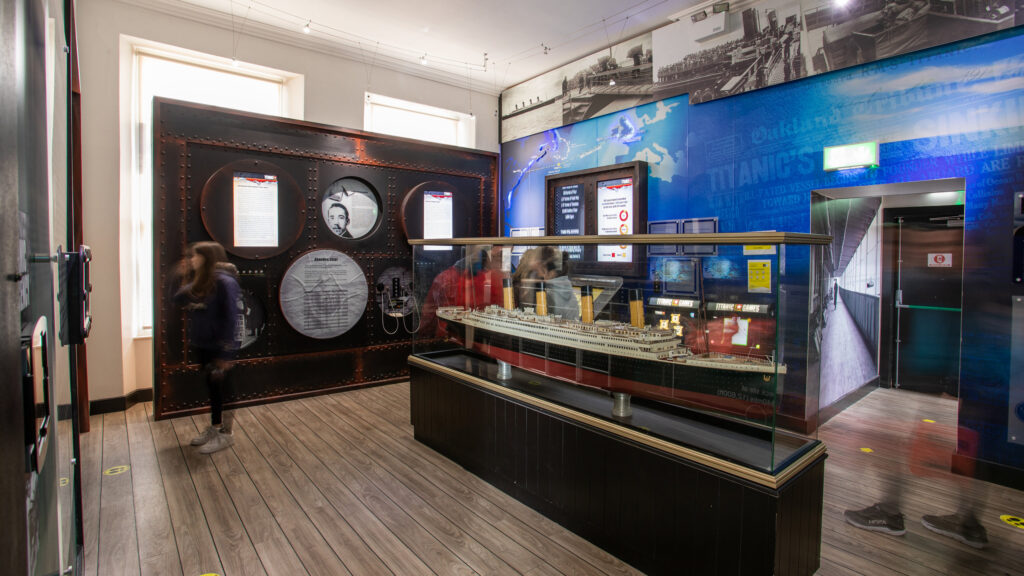
Cobh And The Titanic Experience: Visit Cobh, an Irish coastal town steeped in history, and explore the fascinating Titanic Experience.
Cobh And The Titanic Experience Read More »