
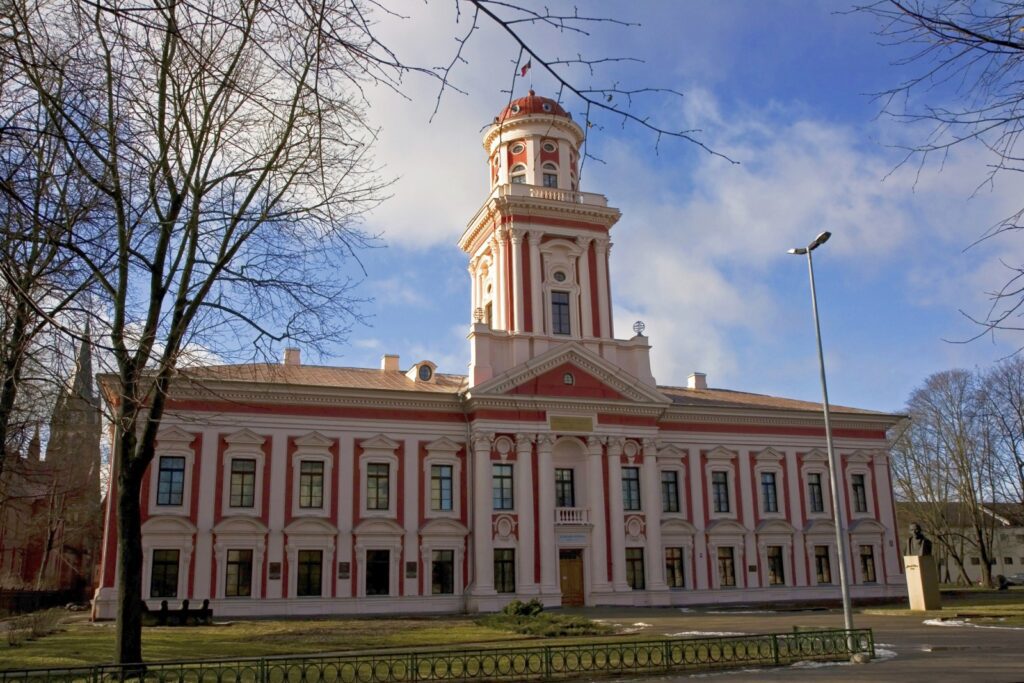
Jelgava History and Art Museum: An Overview of Its Rich Cultural Heritage
Situated in the Latvian city of Jelgava, the Jelgava History and Art Museum (JHAM) is a popular visitor attraction and one of the oldest of its kind in the region. It boasts an impressive collection of artifacts, paintings, prints and documents that tell the story of local history, culture and art over the centuries. With its many exhibitions and activities, the Jelgava History and Art Museum provides an engaging and informative experience for visitors of all ages.
Established in 1894, the museum first opened its doors to its guests in the form of a small exhibition of local art. Since then, the JHAM has grown and expanded, and now features a range of permanent and temporary exhibitions. The museum is housed in a historic building that was once a part of the Jelgava Palace complex.
A Tour of Jelgava History and Art Museum
The Jelgava History and Art Museum is divided into four key areas – History, Art, Science and Nature – each of which offers an insight into a particular aspect of the city’s history and culture. The History section is the largest and covers topics such as the city’s early history, the rise of the Duchy of Courland, and the development of Jelgava in the 19th century. The Art section covers a range of topics, including paintings, prints, and sculptures, as well as Latvian folk art, and modern art. The Science section focuses on the history of science and technology in the region, while the Nature section explores the local environment and biodiversity.
In addition to the permanent exhibitions, the Jelgava History and Art Museum also hosts a number of temporary exhibitions and events. These include lectures, concerts, and art classes. The museum also has a library, which houses a selection of books and texts related to the history and culture of Jelgava.
What to See at the Jelgava History and Art Museum
The Jelgava History and Art Museum boasts an impressive collection of artifacts and artworks. Among the highlights of the permanent exhibitions are a number of paintings and sculptures from the 16th to the 19th centuries. The museum also houses a large collection of prints and documents that tell the story of the city’s history.
Other attractions at the museum include an interactive display of the city’s architecture, a collection of coins and medals, and a reconstructed 18th-century pharmacy. Visitors can also explore the museum’s library and take part in the various activities and events that are held regularly.
Conclusion
The Jelgava History and Art Museum is a must-visit destination for anyone interested in learning more about the city’s history and culture. With its impressive collection of artifacts, paintings, prints and documents, the museum provides a fascinating insight into the city’s past. The interactive displays, lectures, concerts and art classes also provide a great opportunity to experience the culture of Jelgava first-hand. Whether you’re visiting as a tourist or a local, a visit to the Jelgava History and Art Museum is not to be missed.