
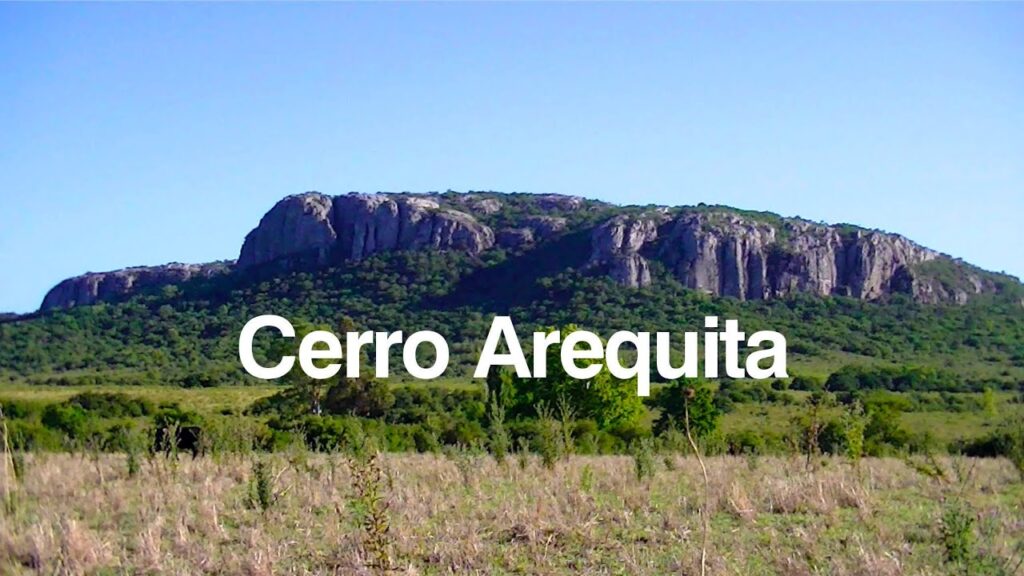
Cerro Arequita
Cerro Arequita: Explore the breathtaking natural wonders of Cerro Arequita in Argentina, a rugged mountain full of lush vegetation.
Uruguay, officially known as the Oriental Republic of Uruguay, is a small country located in the southeastern region of South America. It is bordered by Brazil to the north, Argentina to the west, and the Atlantic Ocean to the southeast. Uruguay has a long Atlantic coastline and is known for its beautiful beaches, rolling plains, and modern urban centers.
The capital and largest city of Uruguay is Montevideo, which is a vibrant cultural and economic hub. Montevideo is known for its historic architecture, lively arts scene, and the bustling Mercado del Puerto, a popular market famous for its grilled meats and seafood.
Uruguay’s geography is characterized by its low-lying landscape, with fertile plains and coastal regions that support agriculture and livestock. The country has a mild climate, which makes it ideal for farming and ranching. Uruguay is known for its high-quality beef and wool, and these industries play a significant role in the national economy.
Spanish is the official language of Uruguay, and the country has a predominantly European-descended population, with a strong influence from Italian and Spanish immigrants. Uruguay is one of the most urbanized countries in South America, with a high standard of living and a well-developed social welfare system.
Economically, Uruguay is one of the more stable and prosperous countries in the region, with key industries including agriculture, livestock, forestry, and tourism. The country is also known for its progressive social policies, high literacy rate, and strong commitment to human rights and democracy.
Culturally, Uruguay has a rich tradition of music, dance, and literature. The country is famous for its tango and candombe music, which have African and European roots. The annual Carnaval celebration in Montevideo is a major cultural event, featuring parades, music, and dance performances.
Uruguayan cuisine reflects its agricultural heritage, with dishes like asado (barbecue), chivito (a steak sandwich), and empanadas being popular. Mate, a traditional herbal tea, is also a significant part of Uruguayan culture, often shared among friends and family.
Uruguay’s commitment to education, social equality, and political stability, along with its rich cultural heritage and natural beauty, make it a unique and appealing country in South America.
Cerro Arequita: Explore the breathtaking natural wonders of Cerro Arequita in Argentina, a rugged mountain full of lush vegetation.

Catedral De Paysandú: Witness the majestic beauty of Catedral de Paysandú as a homage to local culture and traditions.
Catedral De Paysandú Read More »
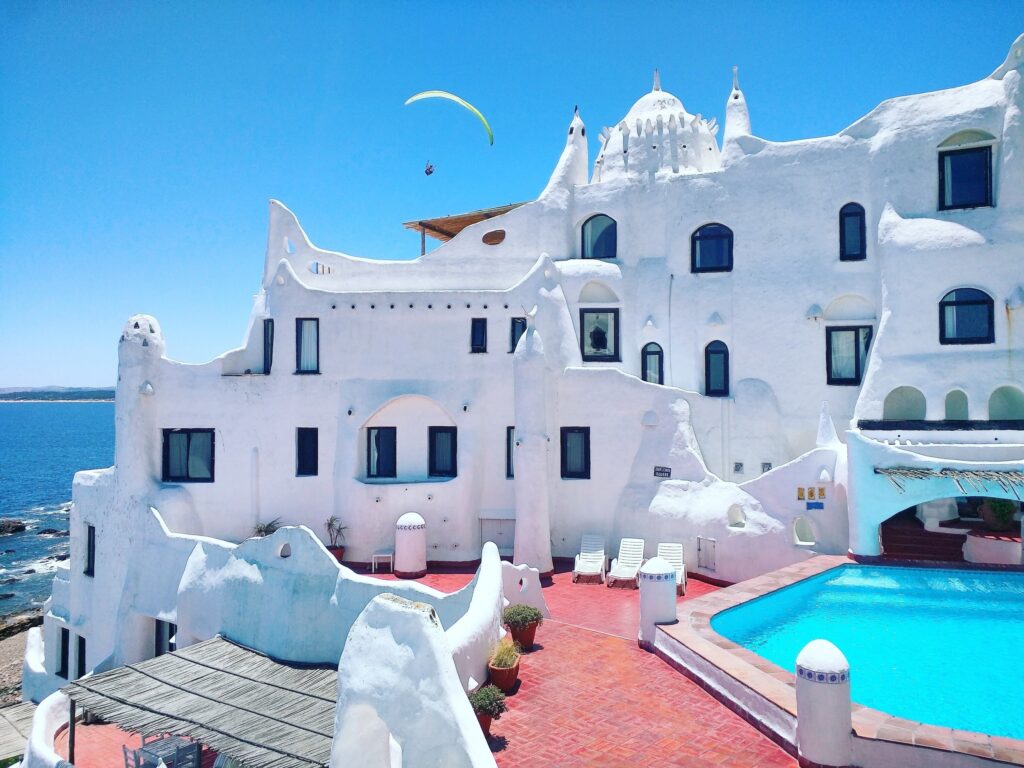
Casapueblo: Discover the unique beauty of the seaside landscape of Punta Ballena at Casapueblo, a must-see attraction in Uruguay.

Cabo Polonio: Uncover the hidden charm of Cabo Polonio in Uruguay; a destination that rivals the other popular beach towns in South America.
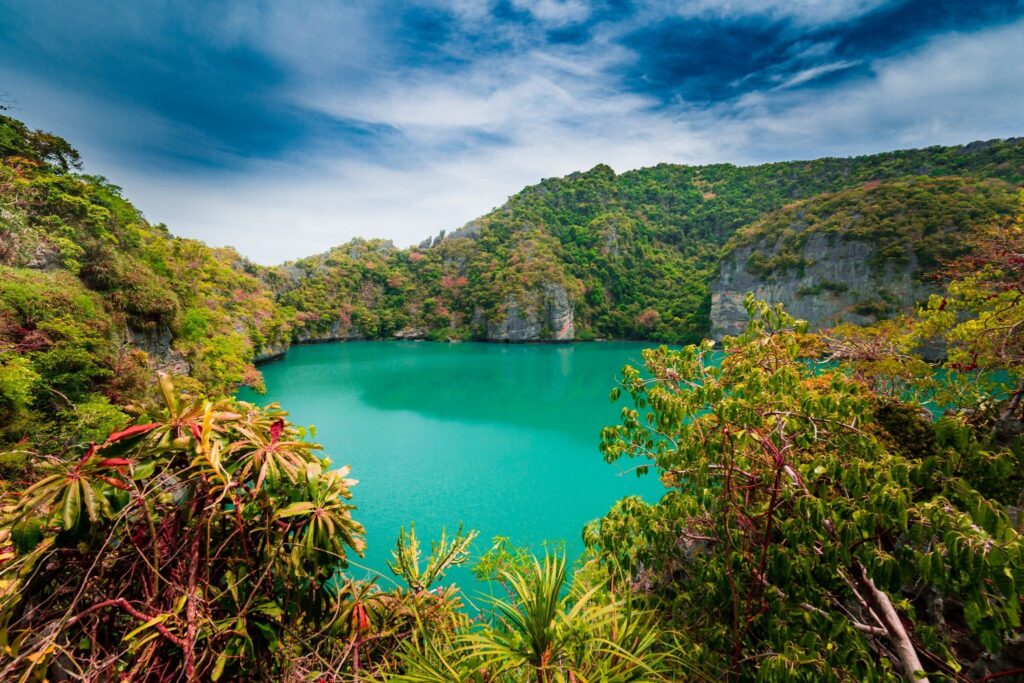
Blue Lagoon National Park: Wander through the exotic flora and fauna of Blue Lagoon National Park, located on the eastern tip of Malawi.
Blue Lagoon National Park Read More »
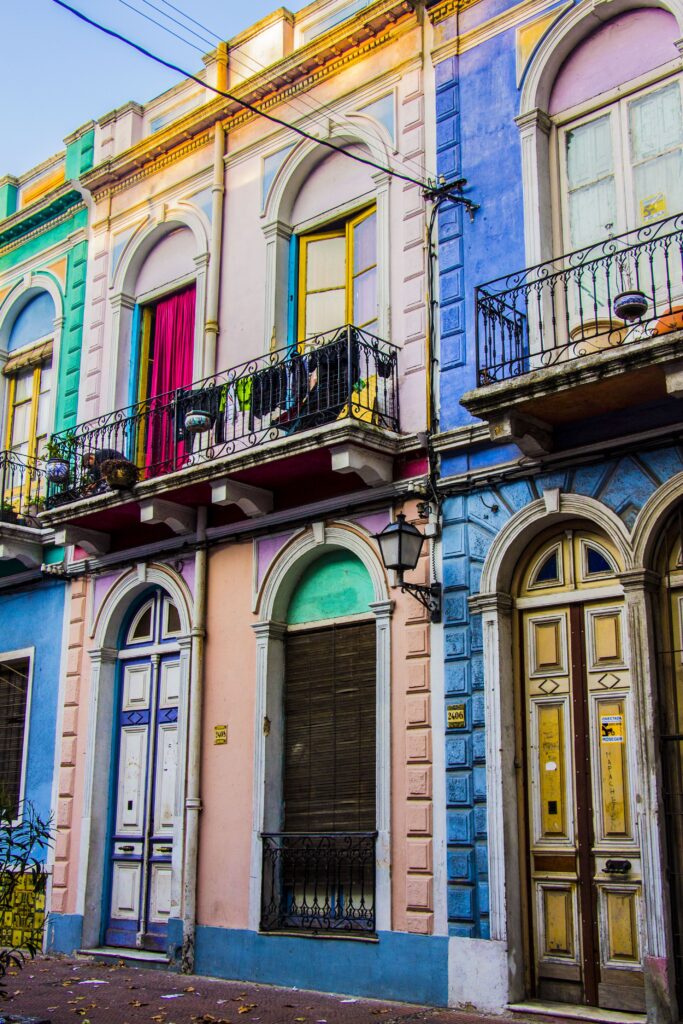
Barrio Reus: Venture into the picturesque Barrio Reus and explore its charming sights and attractions. Learn more about the history and culture of this area.

Punta Ballena: Uncover the unique wildlife of Punta Ballena, Uruguay’s largest coastal reserve and a paradise for nature lovers.
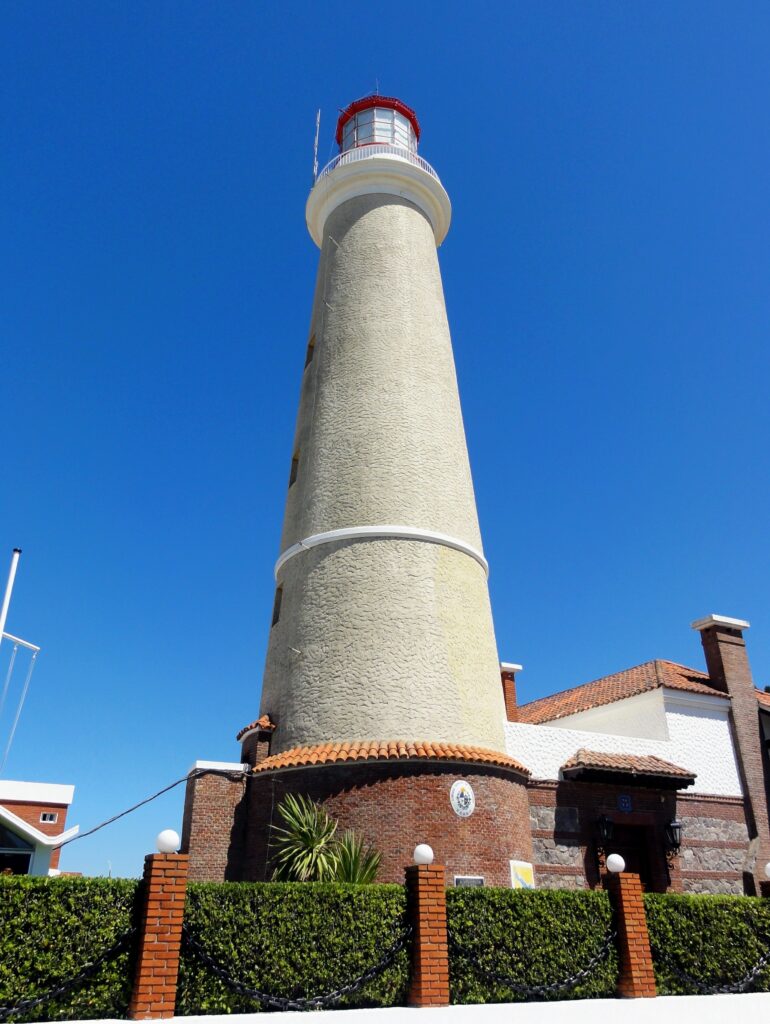
Punta Del Este: Explore the beautiful coastal city of Punta Del Este in Uruguay, renowned for its beaches and vibrant culture.
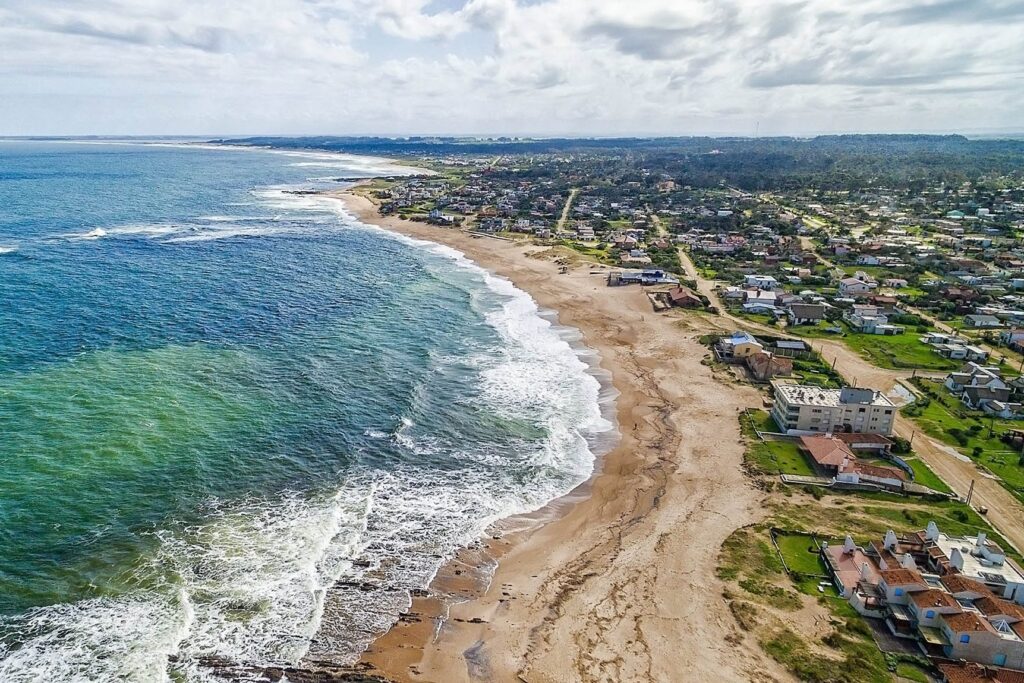
Playa La Paloma: Indulge in a luxurious holiday at Playa La Paloma and enjoy the stunning views of the Mediterranean and the tranquil environment of the nearby pine forests.
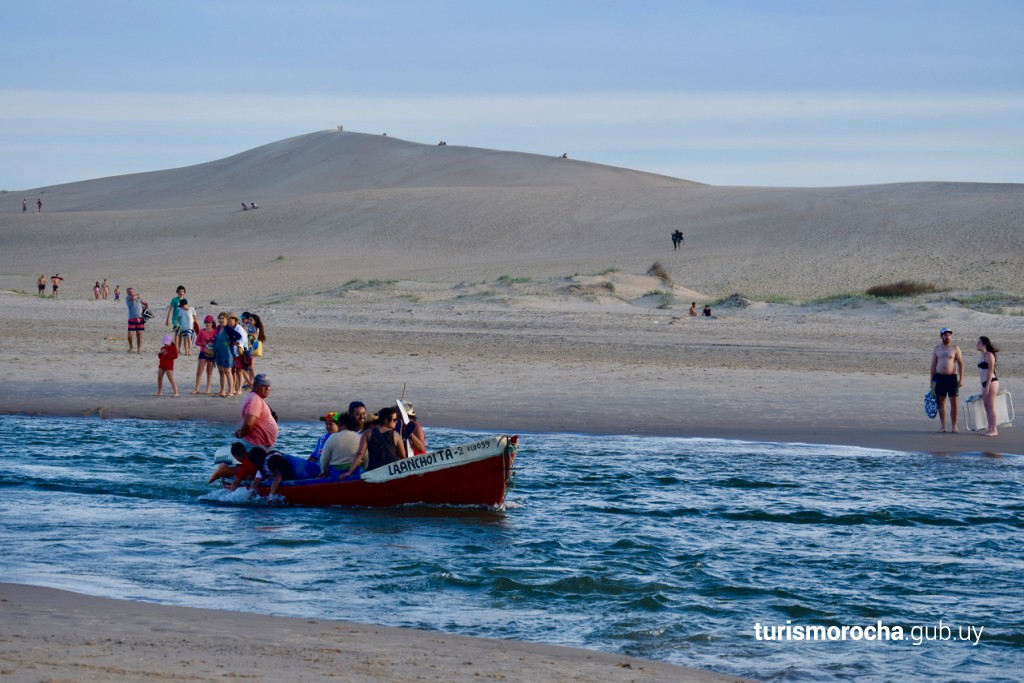
Playa Barra De Valizas: Experience the stunning beauty of Playa Barra De Valizas in Uruguay; explore its unique marine life and amazing beach views.
Playa Barra De Valizas Read More »