
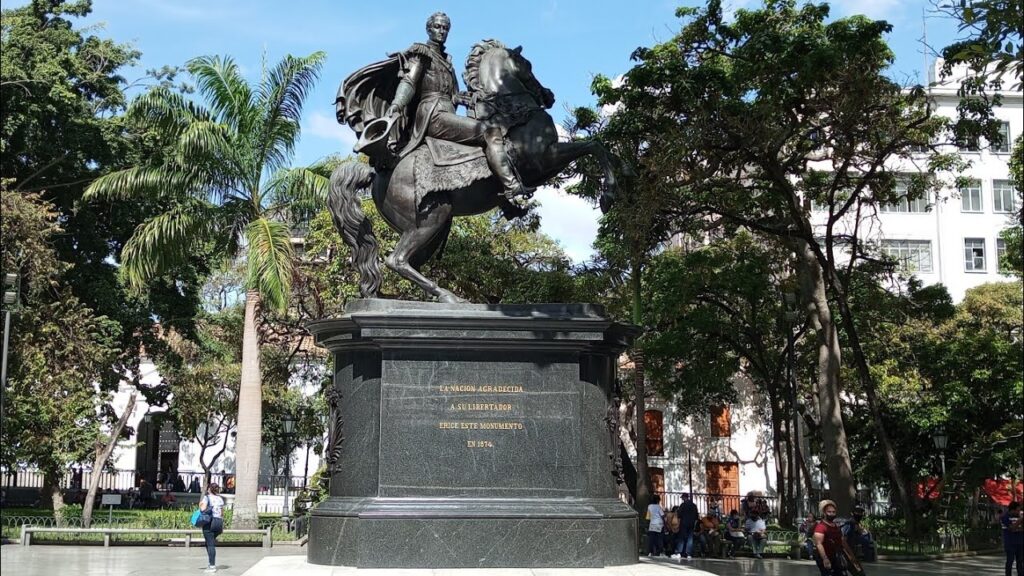
Plaza Bolívar De Caracas
Plaza Bolívar De Caracas: Take a step back in time and explore Plaza Bolívar De Caracas, a UNESCO World Heritage Site, famous for its iconic neoclassical architecture.
Plaza Bolívar De Caracas Read More »
Venezuela, officially known as the Bolivarian Republic of Venezuela, is a country located on the northern coast of South America. It is bordered by Colombia to the west, Brazil to the south, Guyana to the east, and the Caribbean Sea to the north. Venezuela is known for its diverse geography, rich natural resources, and complex political and economic history.
The capital and largest city of Venezuela is Caracas, which is situated in a valley surrounded by mountains. Other major cities include Maracaibo, Valencia, and Barquisimeto. Spanish is the official language of Venezuela, and the country has a diverse population with significant Indigenous, African, and European influences.
Venezuela’s geography is incredibly varied, featuring the Andes mountains, the Amazon rainforest, the vast plains of the Llanos, and the Caribbean coastline. The country is also home to Angel Falls, the world’s highest uninterrupted waterfall, located in the Canaima National Park.
Economically, Venezuela has been heavily dependent on its vast oil reserves, which are among the largest in the world. The oil industry has been the backbone of the Venezuelan economy for decades, but it has also contributed to economic volatility, especially in recent years. The country has faced significant economic challenges, including hyperinflation, shortages of basic goods, and a severe decline in living standards.
Culturally, Venezuela has a rich heritage with influences from its Indigenous peoples, Spanish colonizers, and African slaves. This cultural blend is reflected in the country’s music, dance, festivals, and cuisine. Venezuelan music genres include joropo, gaita, and salsa, and traditional dances are often performed during festivals and celebrations.
Venezuelan cuisine features dishes such as arepas (cornmeal cakes), pabellón criollo (a traditional dish with rice, beans, plantains, and meat), and hallacas (a type of tamale). The country also celebrates numerous festivals, such as Carnival, Feria de la Chinita, and the Drumming Feast of St. John.
Despite its economic and political challenges, Venezuela remains a country with a strong cultural identity and a wealth of natural beauty. Its diverse landscapes, rich history, and vibrant cultural traditions continue to shape the nation’s character and influence its people.
Plaza Bolívar De Caracas: Take a step back in time and explore Plaza Bolívar De Caracas, a UNESCO World Heritage Site, famous for its iconic neoclassical architecture.
Plaza Bolívar De Caracas Read More »
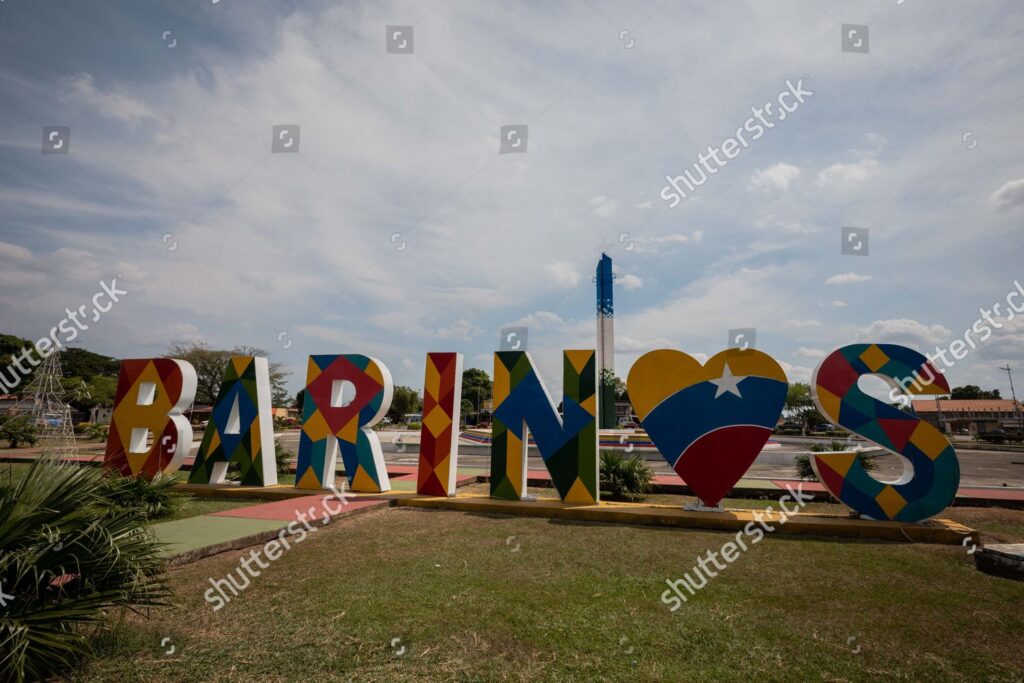
Barinas: Explore the traditional folklore, lush landscapes and colonial architecture of Barinas, Venezuela.
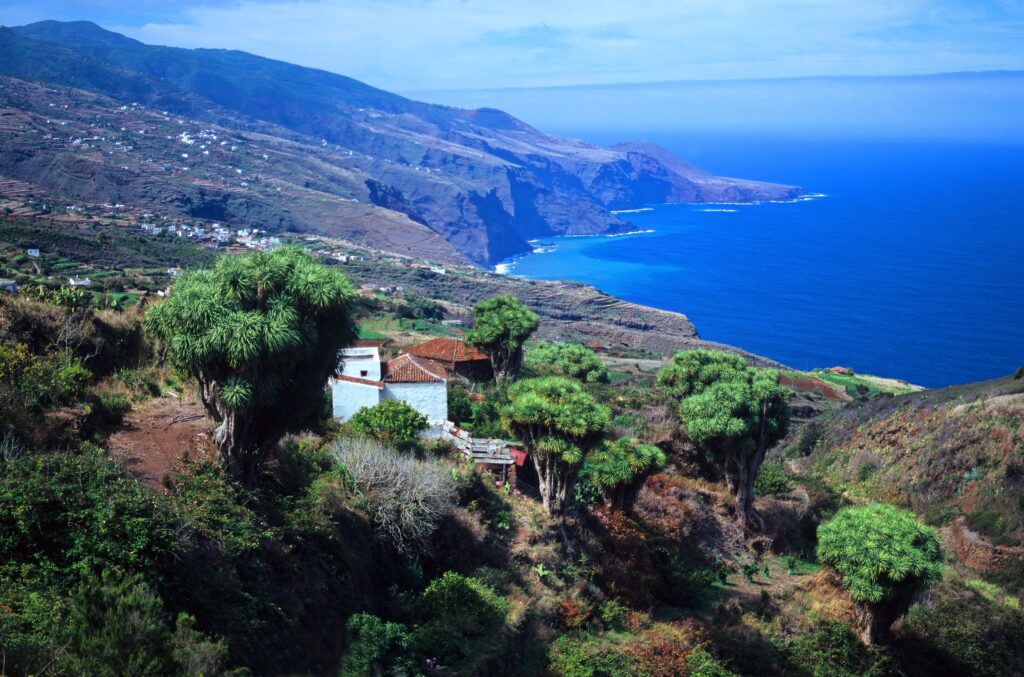
Barlovento: Immerse yourself in the unique charm, dramatic scenery and vibrant nightlife of Barlovento, Venezuela.
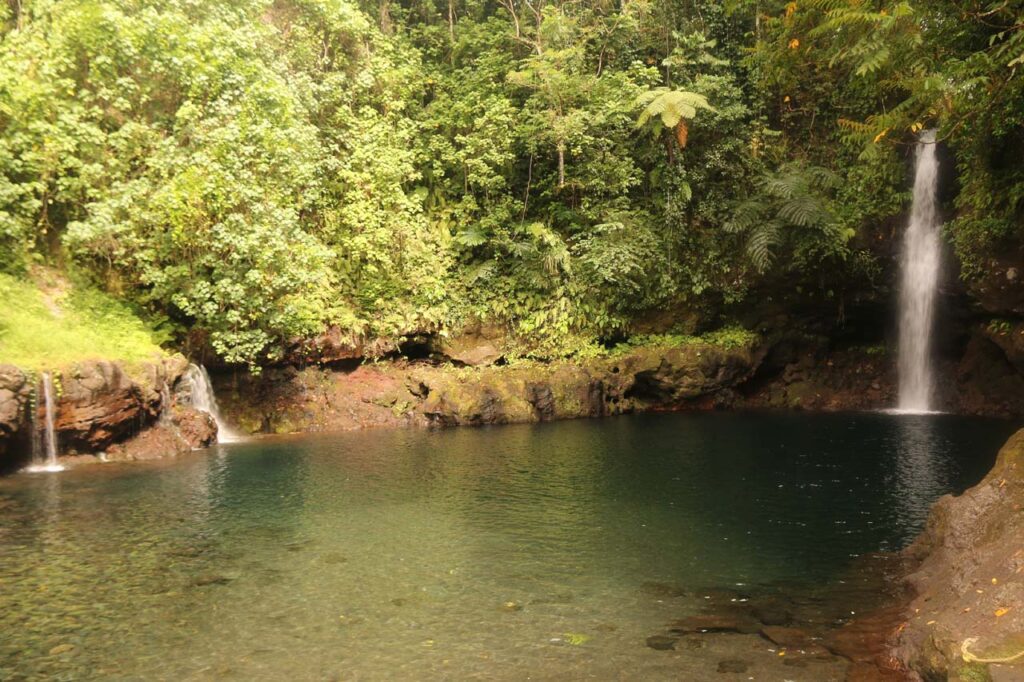
Waterfall: Uncover the majestic beauty of waterfalls around the world and get lost in a mesmerizing roar of falling water.

Waraira Repano National Park: Explore the tropical rainforest and amazing local wildlife of Waraira Repano National Park in Venezuela.
Waraira Repano National Park Read More »
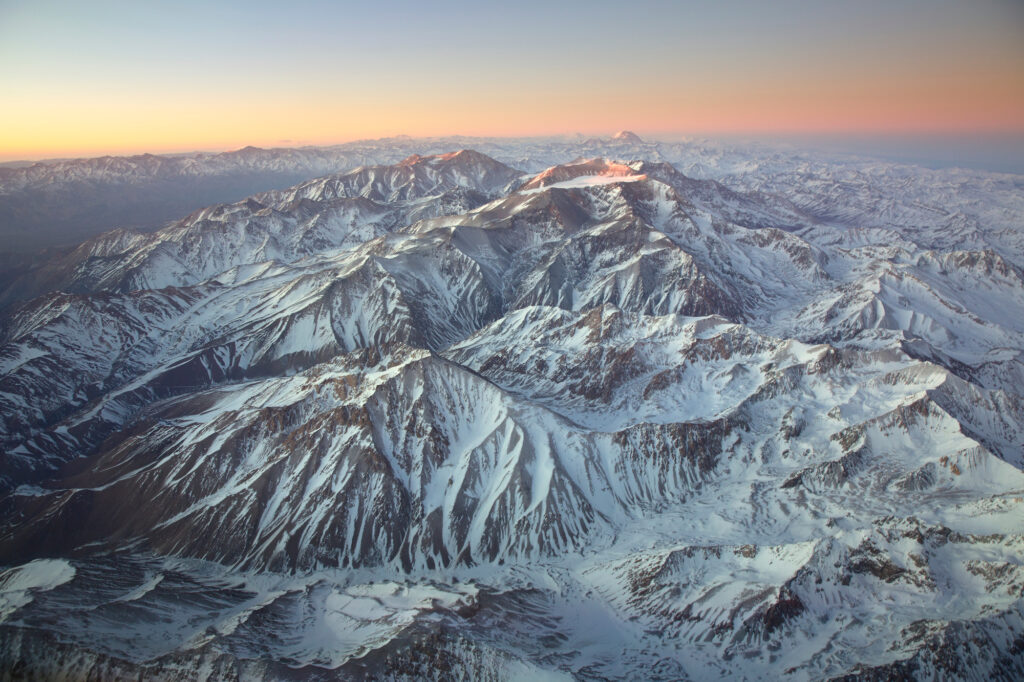
The Andes: Take a journey through the diverse landscapes and cultures of the Andes, a mountain range spanning from Venezuela to Colombia.

Mucubají Lagoon: Marvel at the idyllic beauty of Venezuela’s Mucubají Lagoon, an oasis of natural beauty nestled in the Andes Mountains.
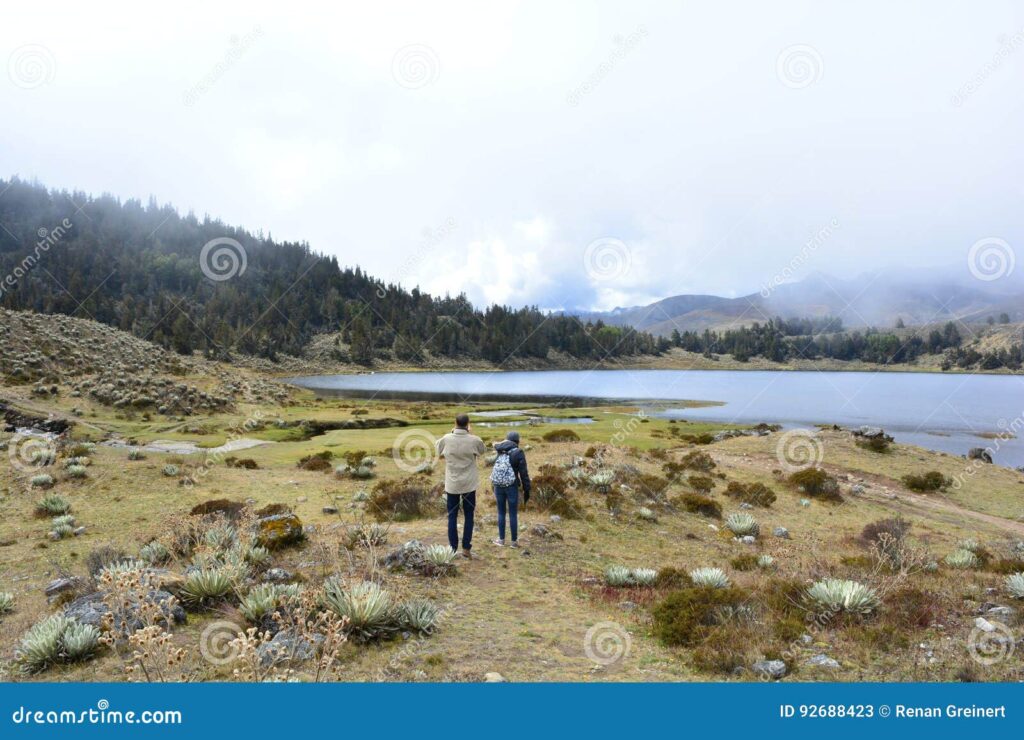
Mucubaji Lake: Explore the seemingly infinite panoramic beauty of Mucubaji Lake, renowned for its biologically diverse wildlife and vibrant culture.
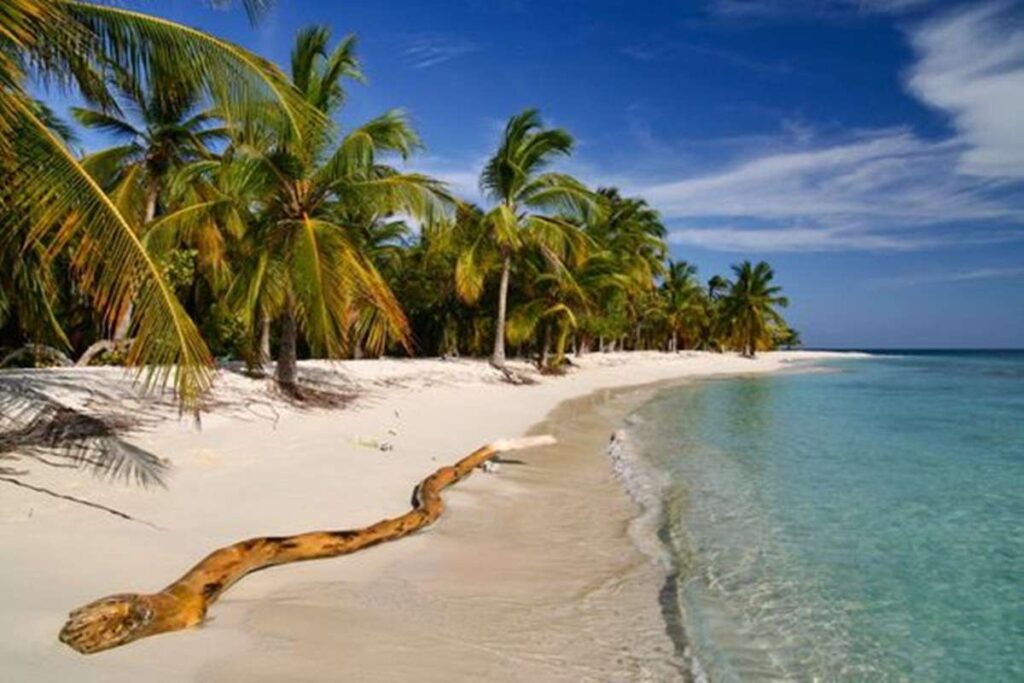
Morrocoy National Park: Discover the stunning natural beauty of Morrocoy National Park in Venezuela.
Morrocoy National Park Read More »
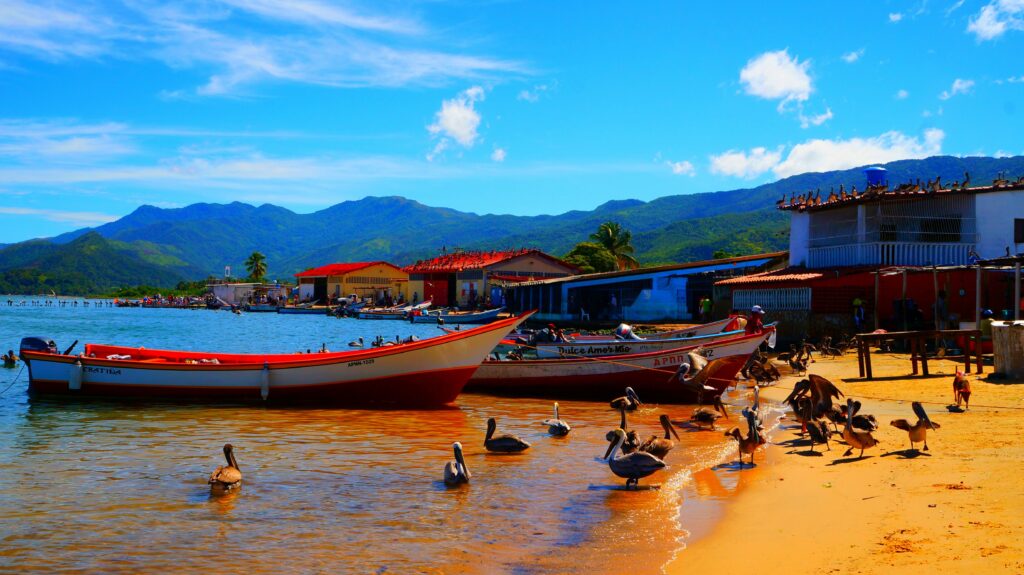
Mochima National Park: Discover the beautiful surroundings of Mochima National Park, a Venezuelan destination full of beauty and adventure.
Mochima National Park Read More »