
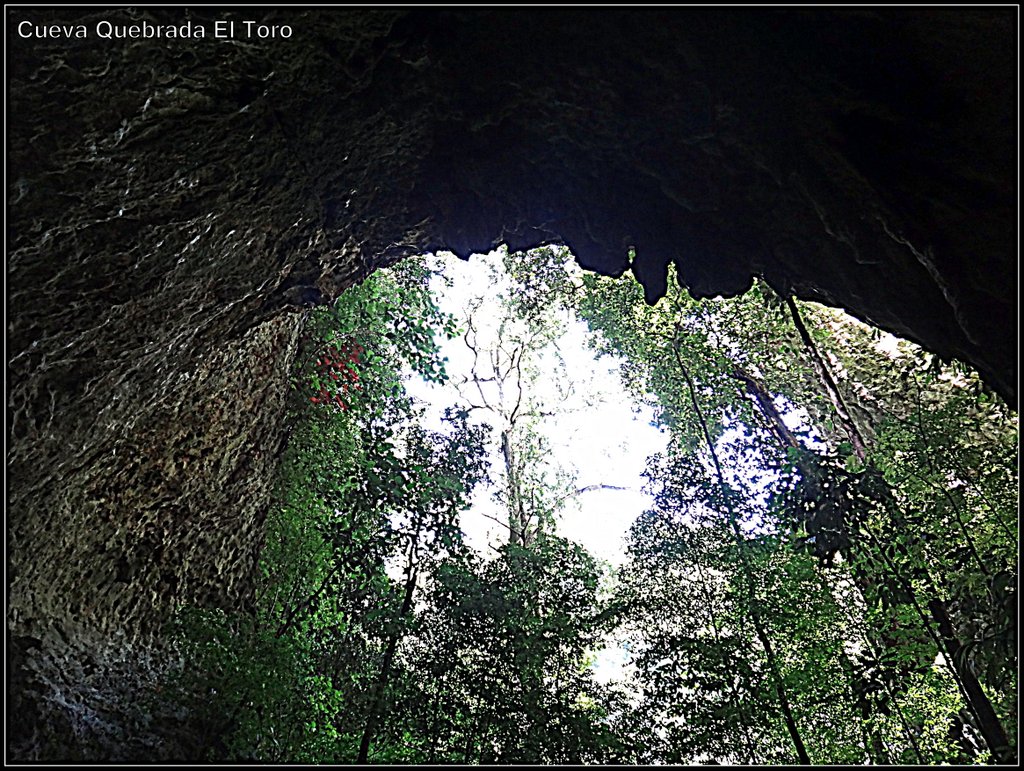
Cueva De La Quebrada Del Toro
Cueva De La Quebrada Del Toro: Discover the Cueva De La Quebrada Del Toro, an iconic historical cave in Venezuela that once provided shelter to various cultures.
Cueva De La Quebrada Del Toro Read More »
Venezuela, officially known as the Bolivarian Republic of Venezuela, is a country located on the northern coast of South America. It is bordered by Colombia to the west, Brazil to the south, Guyana to the east, and the Caribbean Sea to the north. Venezuela is known for its diverse geography, rich natural resources, and complex political and economic history.
The capital and largest city of Venezuela is Caracas, which is situated in a valley surrounded by mountains. Other major cities include Maracaibo, Valencia, and Barquisimeto. Spanish is the official language of Venezuela, and the country has a diverse population with significant Indigenous, African, and European influences.
Venezuela’s geography is incredibly varied, featuring the Andes mountains, the Amazon rainforest, the vast plains of the Llanos, and the Caribbean coastline. The country is also home to Angel Falls, the world’s highest uninterrupted waterfall, located in the Canaima National Park.
Economically, Venezuela has been heavily dependent on its vast oil reserves, which are among the largest in the world. The oil industry has been the backbone of the Venezuelan economy for decades, but it has also contributed to economic volatility, especially in recent years. The country has faced significant economic challenges, including hyperinflation, shortages of basic goods, and a severe decline in living standards.
Culturally, Venezuela has a rich heritage with influences from its Indigenous peoples, Spanish colonizers, and African slaves. This cultural blend is reflected in the country’s music, dance, festivals, and cuisine. Venezuelan music genres include joropo, gaita, and salsa, and traditional dances are often performed during festivals and celebrations.
Venezuelan cuisine features dishes such as arepas (cornmeal cakes), pabellón criollo (a traditional dish with rice, beans, plantains, and meat), and hallacas (a type of tamale). The country also celebrates numerous festivals, such as Carnival, Feria de la Chinita, and the Drumming Feast of St. John.
Despite its economic and political challenges, Venezuela remains a country with a strong cultural identity and a wealth of natural beauty. Its diverse landscapes, rich history, and vibrant cultural traditions continue to shape the nation’s character and influence its people.
Cueva De La Quebrada Del Toro: Discover the Cueva De La Quebrada Del Toro, an iconic historical cave in Venezuela that once provided shelter to various cultures.
Cueva De La Quebrada Del Toro Read More »
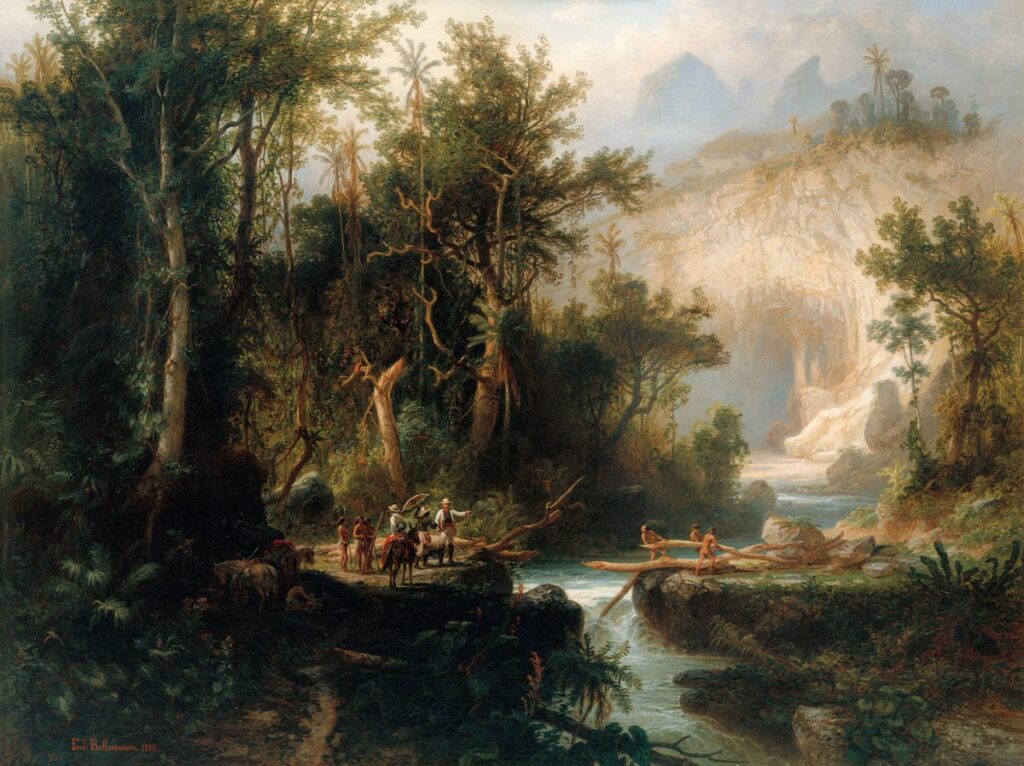
Cueva Del Guácharo National Park: Visit Cueva Del Guácharo National Park to explore one of Venezuelas most important protected areas; filled with stunning landscapes and rare wildlife.
Cueva Del Guácharo National Park Read More »
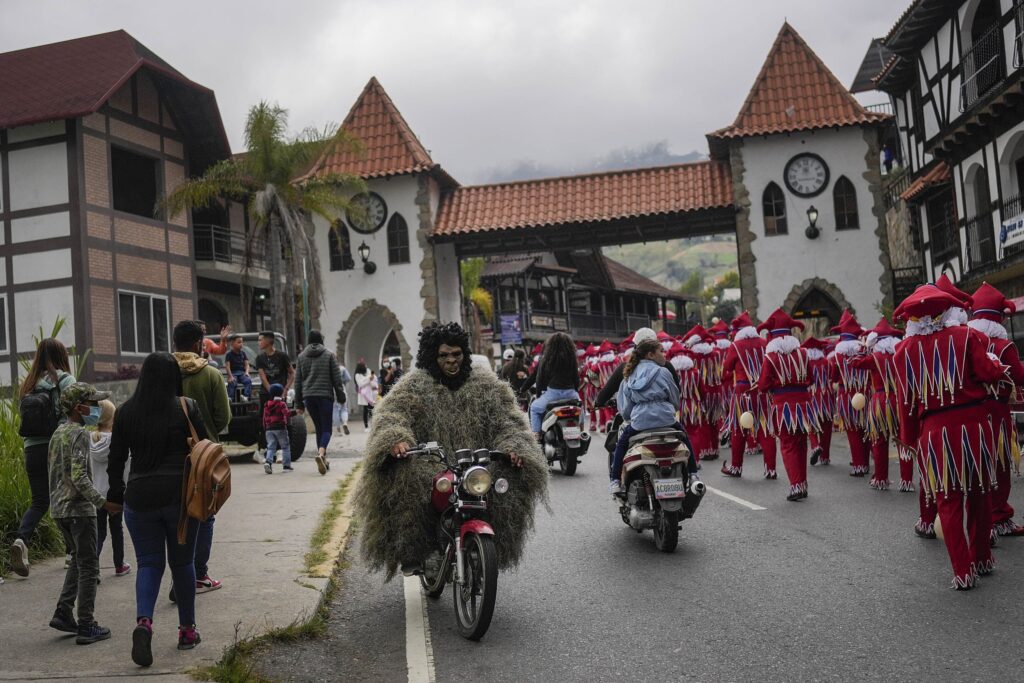
Colonia Tovar: Visit the quaint mountain village of Colonia Tovar and be immersed in its stunning landscape and rich cultural heritage.
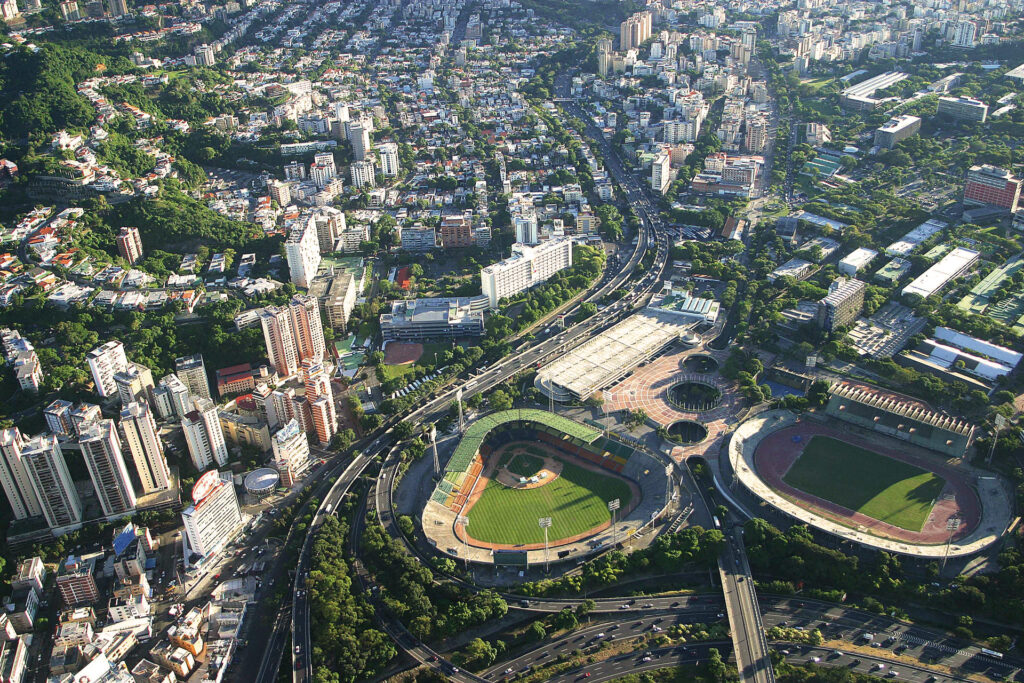
Ciudad Universitaria De Caracas: Discover the educational hub of Caracas and explore its vibrant university life.
Ciudad Universitaria De Caracas Read More »
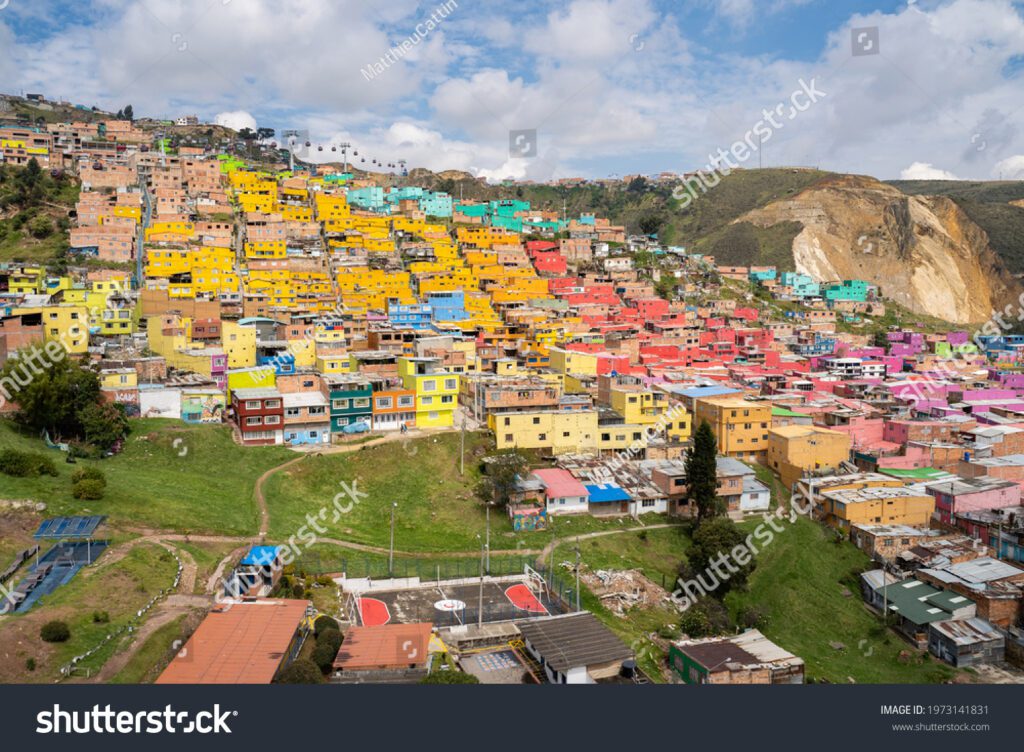
Ciudad Bolívar: Explore the sights and sounds of Venezuelas historic riverside town with this guide.
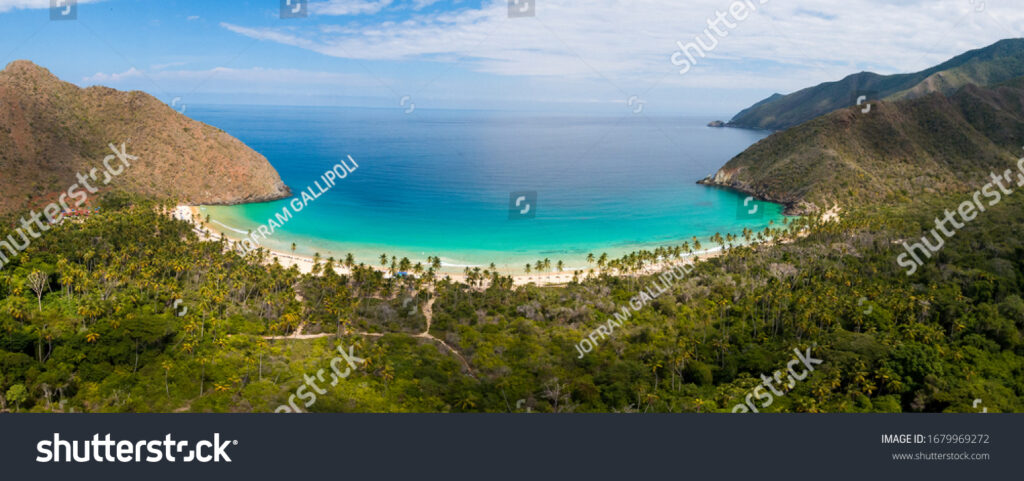
Choroni: Learn about the beautiful beach town of Choroni, Venezuela and its laid-back atmosphere.
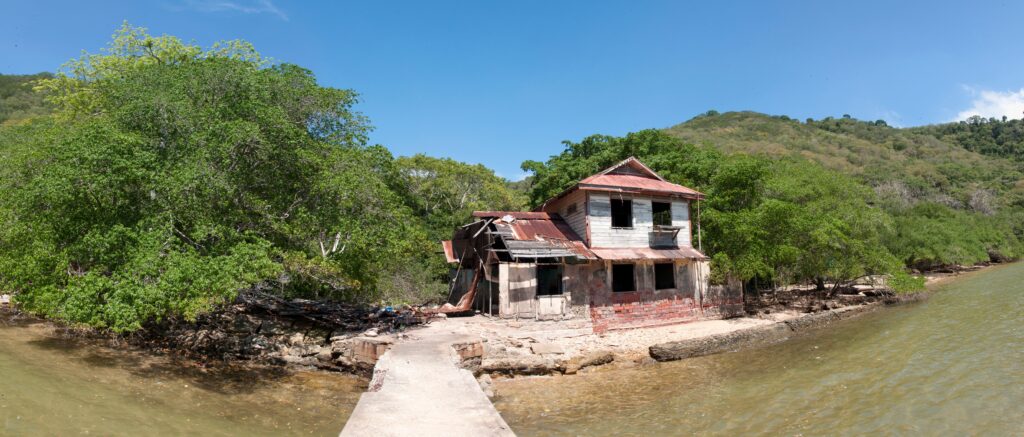
Chacachacare: Learn about the Caribbean island of Chacachacare and its history, culture, and attractions.
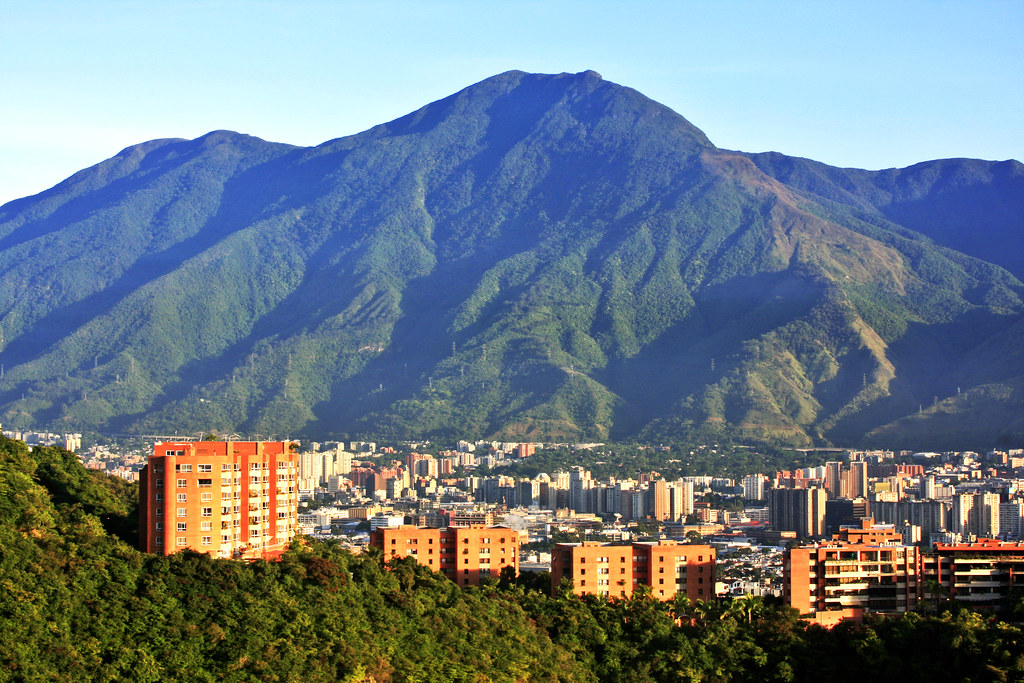
Cerro El Ávila: Explore the sprawling Andean peak that overlooks Caracas, Cerro El Ávila.

Cayo Sombrero: Learn about the stunningly beautiful Cayo Sombrero in Venezuela and plan the perfect visit.
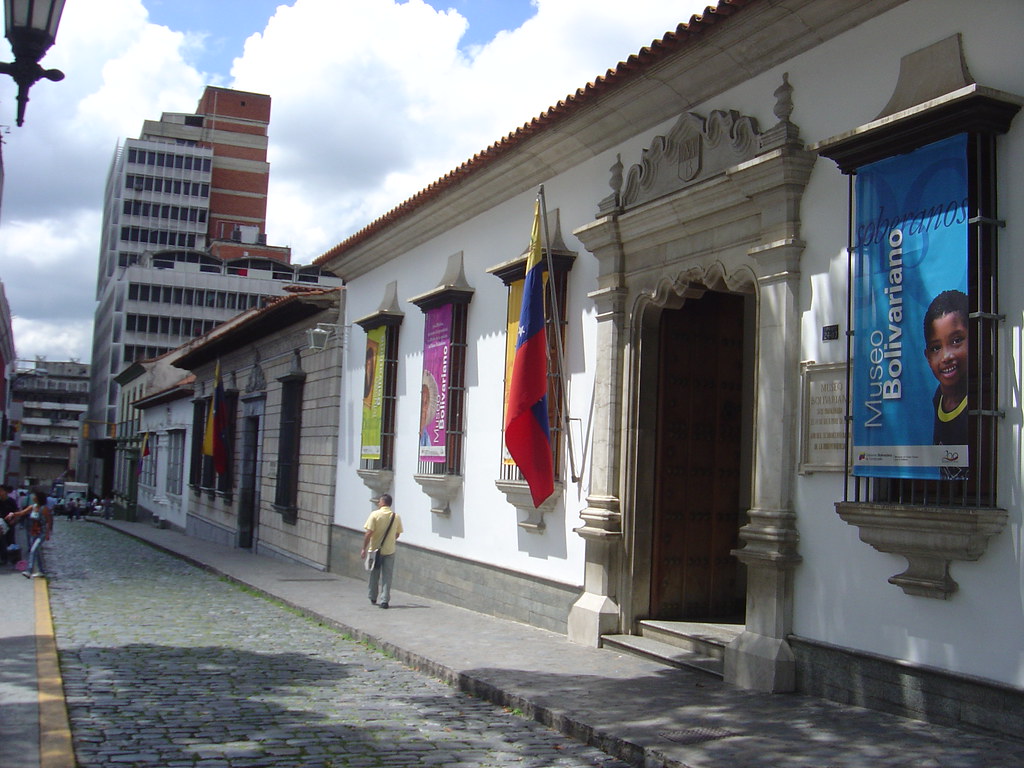
Casa Natal & Museo Bolivar: Uncover the history and life of South American liberator Simón Bolívar at this museum housing his birth house.
Casa Natal & Museo Bolivar Read More »