
Goharshad Mosque: A Timeless Monument of Islamic Grandeur
Located in the city of Mashhad in northeastern Iran, the Goharshad Mosque is an awe-inspiring monument of Islamic grandeur. Named after the Empress Goharshad Begum, wife of the 15th century Timurid ruler Shah Rukh, the mosque is a symbol of the powerful Timurid dynasty. Built between 1418 and 1434, this magnificent mosque is renowned for its exquisite architecture and intricate tiles. It is one of the largest mosques in Iran and is considered one of the most important religious sites in the country.
History and Architecture of the Goharshad Mosque
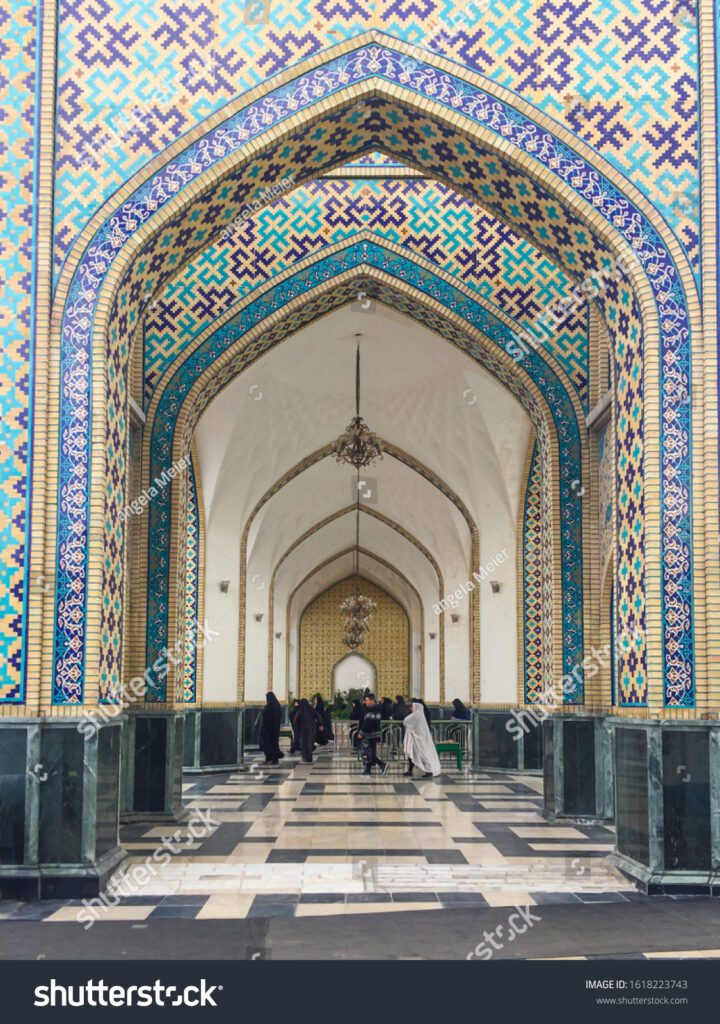
The Goharshad Mosque is believed to have been built by Shah Rukh in honor of his beloved wife, the Empress Goharshad Begum. The mosque comprises two large courtyards with an impressive dome in the center. The mosque is renowned for its exquisite architecture and intricate tiles, featuring elements of Persian, Central Asian, and Islamic art. The exterior walls of the mosque are decorated with intricate blue and turquoise tiles, while the interior walls are adorned with beautiful floral patterns and inscriptions from the Quran.
The mosque is a stunning example of Timurid architecture and consists of four iwans, or arched corridors, on each side of the courtyard. The mosque is also home to a unique pulpit known as a “minbar”, which was used by the shah to address his subjects. The mosque also houses a madrasa, or school, where students studied Islamic theology and jurisprudence.
The Goharshad Mosque is a popular pilgrimage site for Shia Muslims, who visit the mosque to pay respects to the shrine of Imam Reza, the 8th Shia Imam, located within the complex.
Key Features of the Mosque
The Goharshad Mosque is an impressive structure and is among the oldest surviving mosques in Iran. It is renowned for its exquisite architecture and intricate tiles, featuring elements of Persian, Central Asian, and Islamic art. The exterior walls of the mosque are decorated with intricate blue and turquoise tiles, while the interior walls are adorned with beautiful floral patterns and inscriptions from the Quran.
The mosque is home to a unique pulpit, or minbar, which was used by the shah to address his subjects. The mosque also houses a madrasa, or school, where students studied Islamic theology and jurisprudence. The mosque is also a popular pilgrimage site for Shia Muslims, who visit the mosque to pay respects to the shrine of Imam Reza, the 8th Shia Imam, located within the complex.
Conclusion
The Goharshad Mosque is an awe-inspiring monument of Islamic grandeur and a symbol of the powerful Timurid dynasty. Built between 1418 and 1434, the mosque is renowned for its exquisite architecture and intricate tiles. It is home to a unique pulpit, or minbar, and a madrasa, or school, where students studied Islamic theology and jurisprudence. The mosque is also a popular pilgrimage site for Shia Muslims, who visit the mosque to pay respects to the shrine of Imam Reza, the 8th Shia Imam, located within the complex. The Goharshad Mosque is an impressive structure and is among the oldest surviving mosques in Iran.