

Tabuk Province
Tabuk Province: Immerse yourself in the culture of Tabuk Province, located in northwestern Saudi Arabia and featuring numerous archaeological sites.
Kuwait, officially known as the State of Kuwait, is a small but wealthy country located in the northeastern corner of the Arabian Peninsula, bordered by Iraq to the north and west, Saudi Arabia to the south, and the Persian Gulf to the east. The capital city is Kuwait City, which serves as the political, cultural, and economic center of the country.
Geographically, Kuwait is characterized by its flat, sandy desert terrain and a coastline along the Persian Gulf. The country has a hot desert climate with extremely high temperatures in the summer and mild winters. Despite its arid environment, Kuwait has significant oil reserves, which form the backbone of its economy.
Historically, Kuwait has been an important trade and cultural center in the Persian Gulf region. Its modern history began in the 18th century when it was established as a small trading post. In the 20th century, Kuwait experienced rapid development and modernization, particularly after the discovery of oil in the 1930s. The country gained independence from British protection in 1961.
Kuwait’s economy is one of the richest in the world on a per capita basis, largely due to its vast oil reserves. The petroleum industry accounts for a significant portion of the country’s GDP, government revenue, and export earnings. Kuwait is a member of the Organization of the Petroleum Exporting Countries (OPEC) and plays a crucial role in global oil markets. Efforts to diversify the economy have led to investments in finance, real estate, and infrastructure development.
The government of Kuwait is a constitutional emirate, with a hereditary emir serving as the head of state. The political system includes a National Assembly (Majlis al-Umma) that exercises legislative authority, although the emir holds significant executive powers. Kuwait has a relatively open and vibrant political culture compared to some of its regional neighbors, with a history of parliamentary activity and public discourse.
Culturally, Kuwait has a rich heritage that blends traditional Bedouin customs with modern influences. The official language is Arabic, and Islam is the state religion, with the majority of Kuwaitis adhering to Sunni Islam, though there is a significant Shia minority. Kuwaiti culture places a strong emphasis on family, hospitality, and community.
Kuwait’s cultural scene includes traditional music, dance, and theater, as well as modern arts and literature. The country is known for its diwaniyas, social gatherings that serve as forums for discussion and networking. Kuwaiti cuisine, characterized by dishes such as machboos (a spiced rice dish with meat or fish), reflects its rich cultural heritage.
The education system in Kuwait is well-developed, with a high literacy rate and extensive investment in higher education. The country also provides comprehensive healthcare services to its citizens.
Kuwait’s modern history includes significant events such as the Iraqi invasion in 1990, which led to the Gulf War. The invasion and subsequent liberation by coalition forces in 1991 had a profound impact on the country and its regional relations.
Despite its wealth, Kuwait faces challenges such as economic diversification, political reform, and environmental sustainability. The government continues to implement policies aimed at reducing the country’s dependence on oil, promoting private sector growth, and addressing social issues.
Kuwait remains a key player in the Persian Gulf region, known for its economic influence, cultural heritage, and strategic importance. The country’s ongoing efforts to balance tradition and modernization continue to shape its national identity and future development.
Tabuk Province: Immerse yourself in the culture of Tabuk Province, located in northwestern Saudi Arabia and featuring numerous archaeological sites.
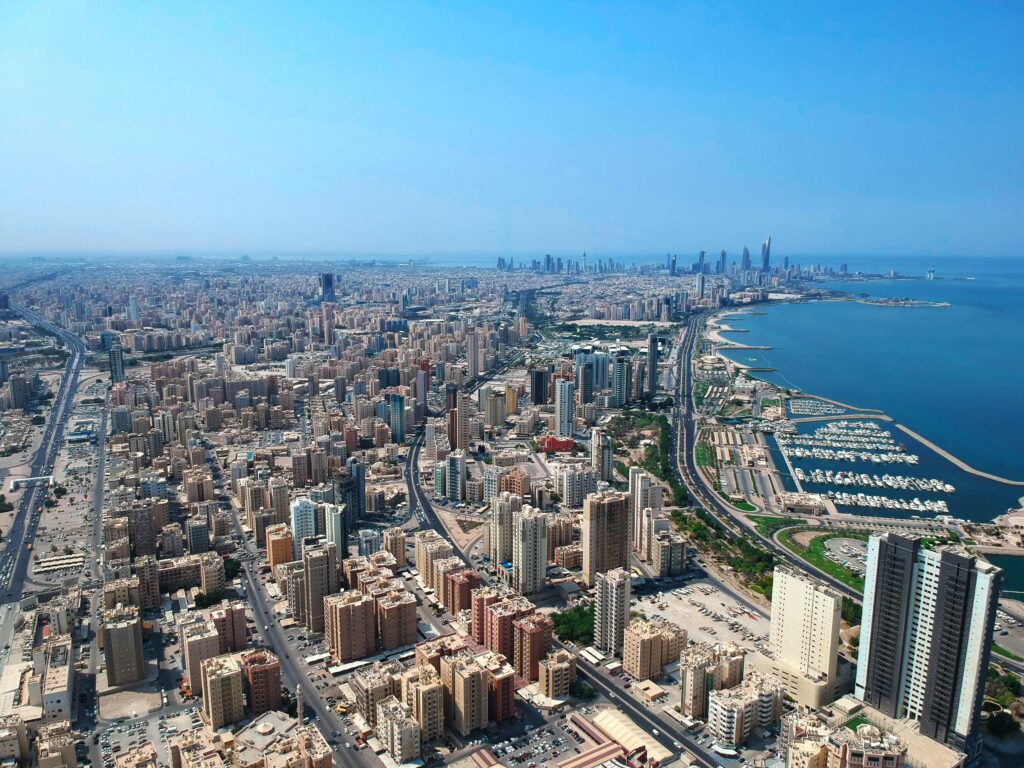
Salmiya: Uncover the breathe taking views of Kuwait City from the vibrant Salmiya neighbourhood.
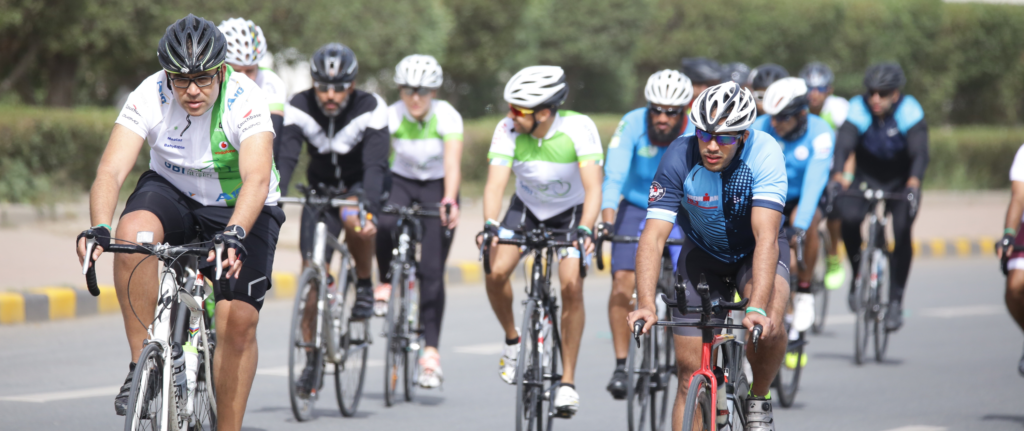
Kuwait Cycling Federation: Get involved in cycling in Kuwait and explore the world with the Kuwait Cycling Federation, promoting bike culture in the region.
Kuwait Cycling Federation Read More »
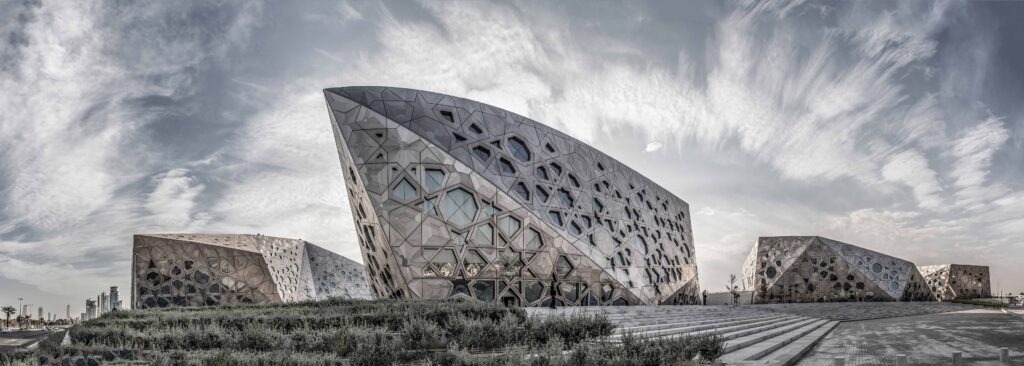
Jaber Al-Ahmad Cultural Centre: Learn about the art, culture, and architecture of the Jaber Al-Ahmad Cultural Centre in Kuwait.
Jaber Al-Ahmad Cultural Centre Read More »

Jaber Al-Ahmad International Stadium: Visit the world-class Jaber Al-Ahmad International Stadium in Kuwait.
Jaber Al-Ahmad International Stadium Read More »
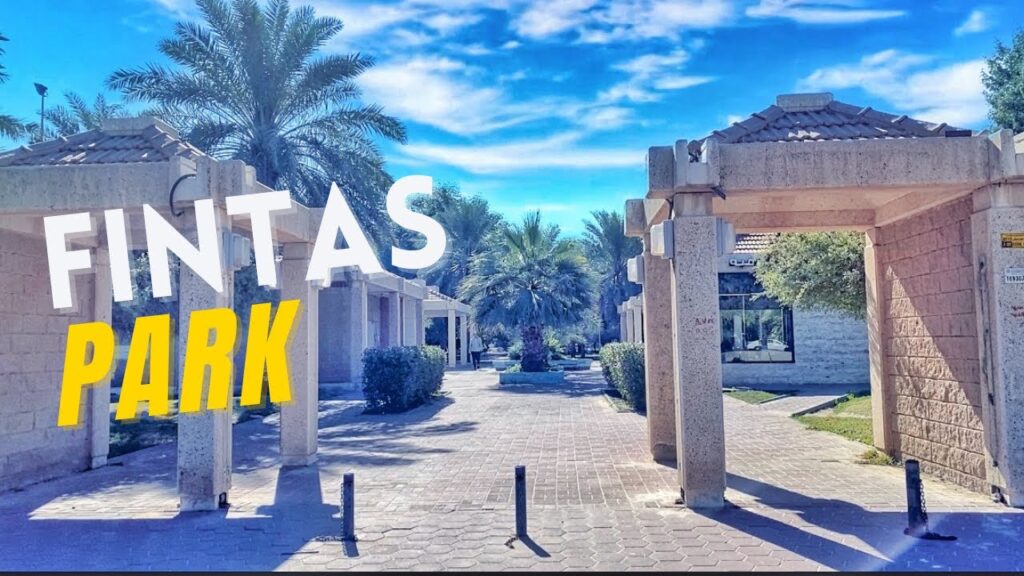
Fintas Park: Discover Fintas Park, a lush garden oasis featuring beautiful foliage, tranquil walking paths, and natural wildlife.
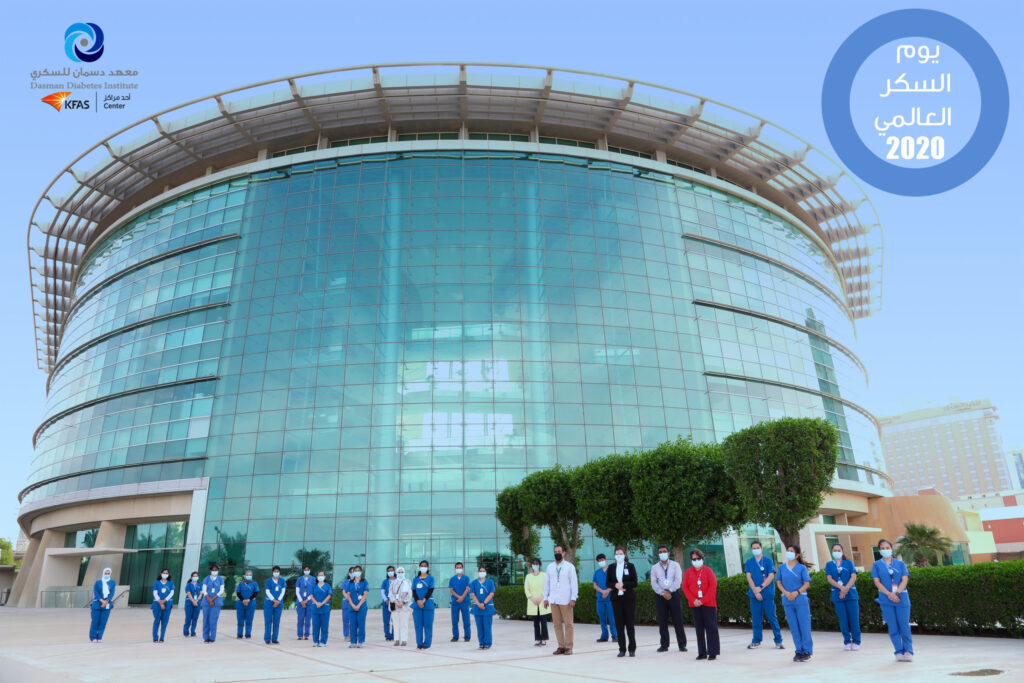
Dasman Diabetes Institute: Learn about the pioneering research and care provided at the Dasman Diabetes Institute.
Dasman Diabetes Institute Read More »
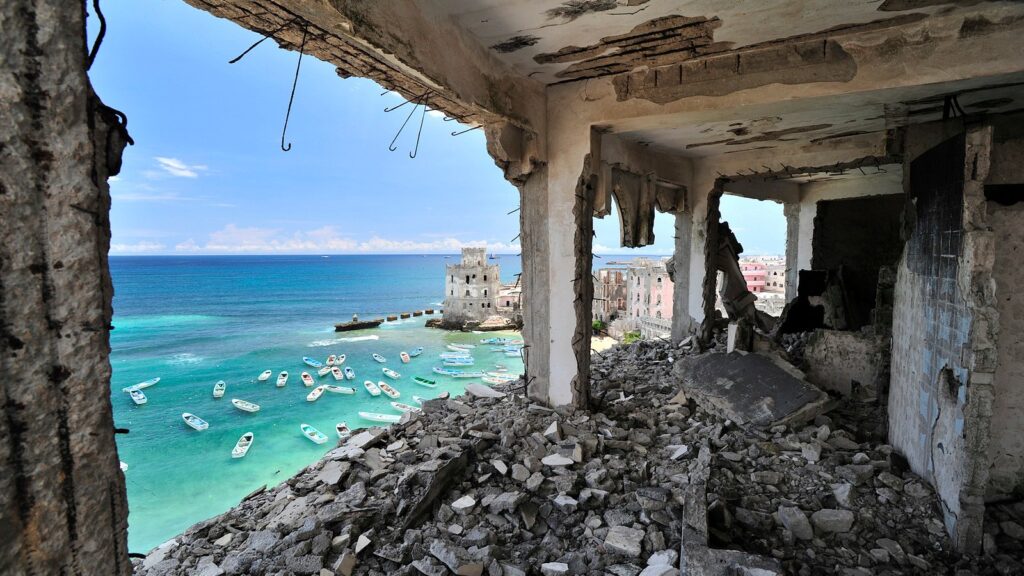
The Al-Uruba Hotel: Experience luxury and style at the Al-Uruba Hotel, located in the heart of Anyama District.
The Al-Uruba Hotel Read More »
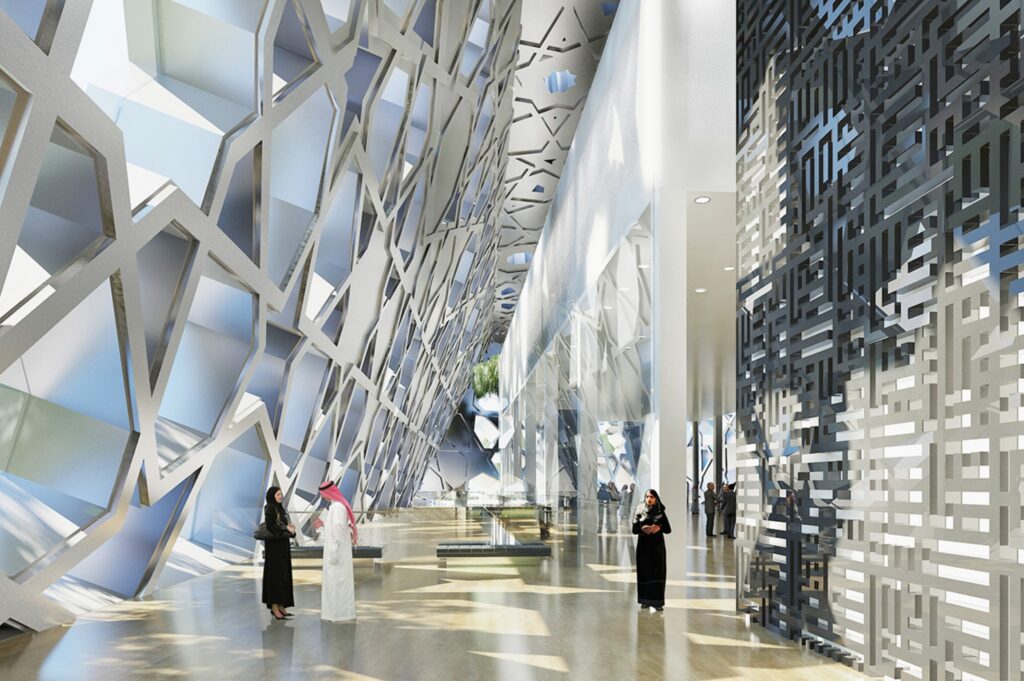
Sheikh Jaber Al Ahmad Cultural Centre: Experience the Sheikh Jaber Al Ahmad Cultural Centre, a premier arts and cultural venue in Kuwait with events and exhibitions exploring the country’s vibrant history and traditions.
Sheikh Jaber Al Ahmad Cultural Centre Read More »
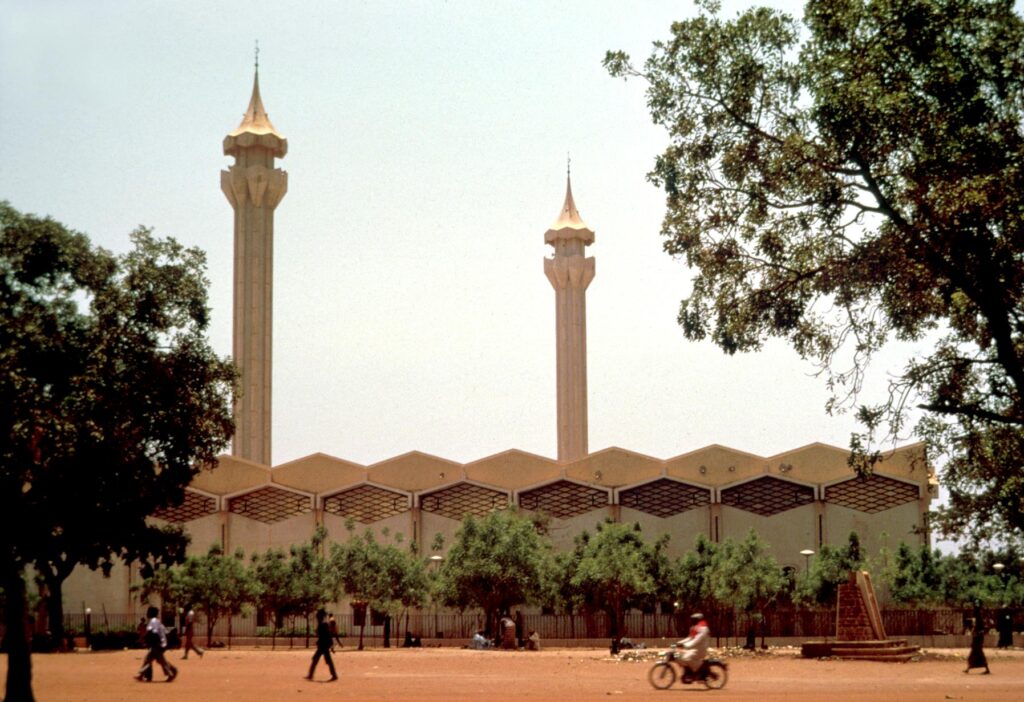
Bamako Grand Mosque: Explore the cultural and spiritual significance of Bamako Grand Mosque, one of the citys most iconic landmarks.
Bamako Grand Mosque Read More »