
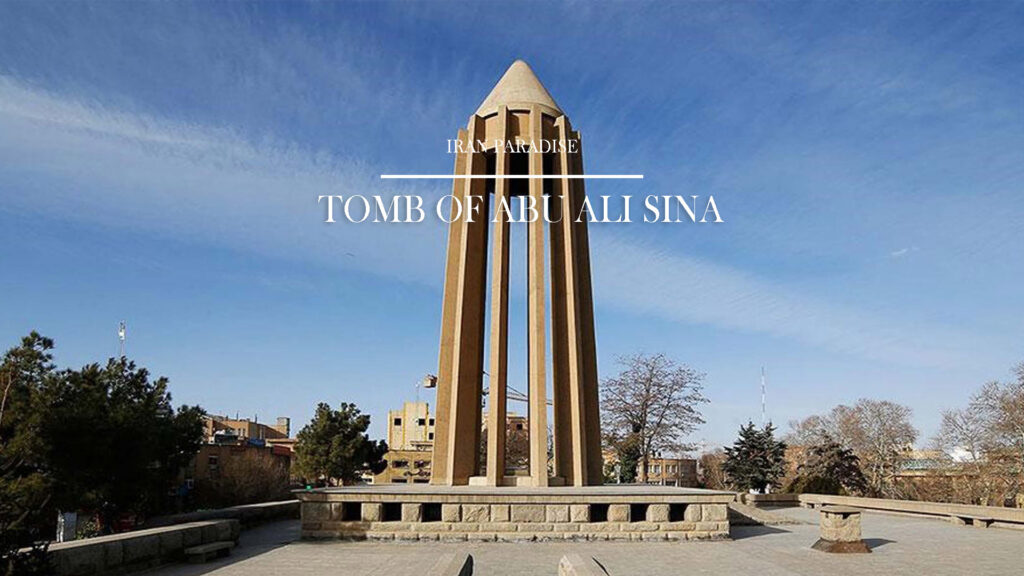
Avicenna Mausoleum: A Testament to an Iconic Figure of Islamic Science
The Avicenna Mausoleum is a stunning testament to Avicenna, also known as Ibn-Sina, a renowned Islamic philosopher, scientist, and physician from the 11th century. His works in the fields of medicine, philosophy, and science have made him one of the most iconic figures in Islamic history. His mausoleum is situated in the city of Hamadan, Iran, and is a stunning example of medieval Persian architecture.
History of Avicenna Mausoleum
Avicenna was born in the city of Bukhara in present-day Uzbekistan in 980 CE. He quickly rose to fame as a scholar, physician, and philosopher and was active in many fields of science. He was a prolific writer, authoring works on topics such as medicine, astronomy, psychology, and philosophy. He was so influential that he was even considered a great thinker in medieval Europe.
Avicenna passed away in 1037 and was buried in the city of Hamadan, Iran. In 1952, the Iranian government decided to build a mausoleum in his honor. The structure was completed in 1959 and was designed by Iranian architect Hushang Seyhoun. The mausoleum is a stunning example of Persian architecture and features a stunning dome, intricate tile designs, and a grand entrance.
Features of Avicenna Mausoleum
The Avicenna Mausoleum is a stunning example of Persian architecture. The building itself is a square structure with a dome, and its walls are decorated with intricate tile designs. The entrance is marked by two large doors, with a small room in between them.
Inside the building, Avicenna’s tomb is located in the center of the room. The tomb is made of white marble and is surrounded by a railing. The walls of the room are decorated with colorful patterns and images, and there are several inscriptions in Arabic script.
The surrounding gardens feature several pathways, a pond, and a variety of plants and trees. The gardens are a great place to take a stroll and admire the beauty of the mausoleum.
Visiting Avicenna Mausoleum
The Avicenna Mausoleum is open to visitors all year round. The entrance fee is nominal, and the mausoleum is open from 8 AM to 6 PM. Visitors should be aware that photography is not allowed inside the mausoleum.
The mausoleum is located in the city of Hamadan, which is about two hours away from Tehran by car. The city is known for its historical sites and stunning natural beauty. Visitors can also visit the Tomb of Esther and Mordechai, the Tomb of Baba Taher, and the Ganjnameh Inscriptions.
The mausoleum is a great place to learn more about Avicenna and his works. It is also a great place to admire the beauty of Persian architecture.
Conclusion
The Avicenna Mausoleum is a stunning testament to Avicenna, one of the most iconic figures in Islamic history. The building itself is a stunning example of Persian architecture, and the surrounding gardens are a great place to take a stroll. The mausoleum is open to visitors all year round and is a great place to learn more about Avicenna and his works.